Nineteen University of Johannesburg (UJ) researchers are among the country’s leading scholars and scientists who have been inaugurated as members of the Academy of Science of South Africa (ASSAf), and three researchers elected as a member of the South African Young Academy of Science (SAYAS). The new cohort of exceptional UJ researchers joining ASSAf’s and SAYAS’s ranks were announced at the annual awards ceremony held last night (29 October 2026) in Johannesburg.
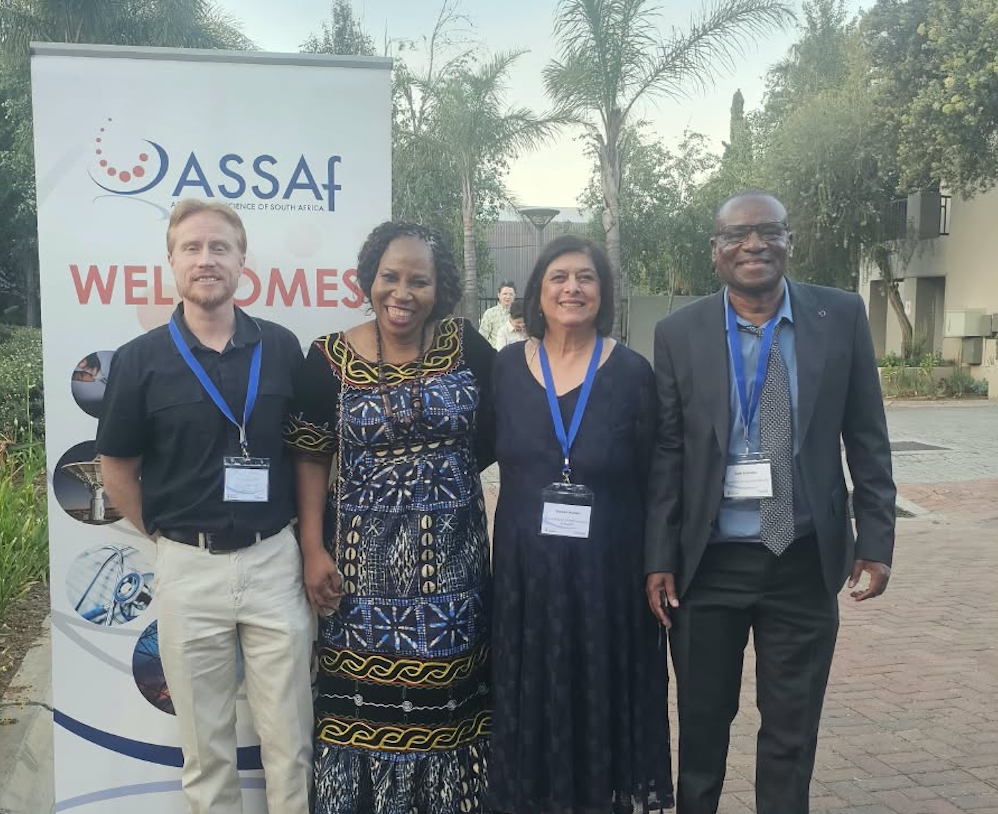
Their appointments bring UJ’s total ASSAf membership to 60 and its SAYAS membership to seven, marking the University’s highest annual intake over the past five years – further strengthening the University’s representation in South Africa’s scientific and scholarly community. Election to ASSAf and SAYAS is a prestigious national honour that recognises an individual’s outstanding scholarly achievements, scientific leadership and contributions to society.
Each year, new members drawn across various disciplines are elected through a rigorous peer-review process conducted by the full Academy Membership. ASSAf and SAYAS members embody South Africa’s intellectual leadership and play an important role in advancing evidence-based knowledge for the public good.
The inauguration of UJ researchers into ASSAf and SAYAS comes against the backdrop of other global recognitions of its researchers. Earlier this month, UJ academics gained recognition on prestigious international rankings, including the World’s Top 2% Scientists list. According to TopSciNet, UJ is home to 88 researchers featured on this ranking. The University’s research distinction is also reflected in its performance on the Clarivate Highly Cited Researchers (HCR) list, with several UJ scholars recognised among the world’s most influential researchers. Last month, it emerged that UJ leads Africa in eight subjects, according to the 2026 ShanghaiRanking’s Global Ranking of Academic Subjects (GRAS).
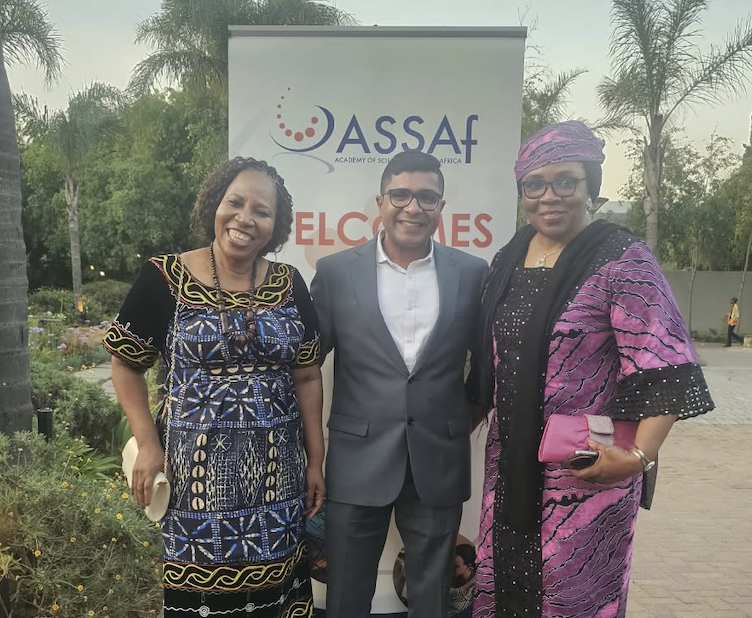
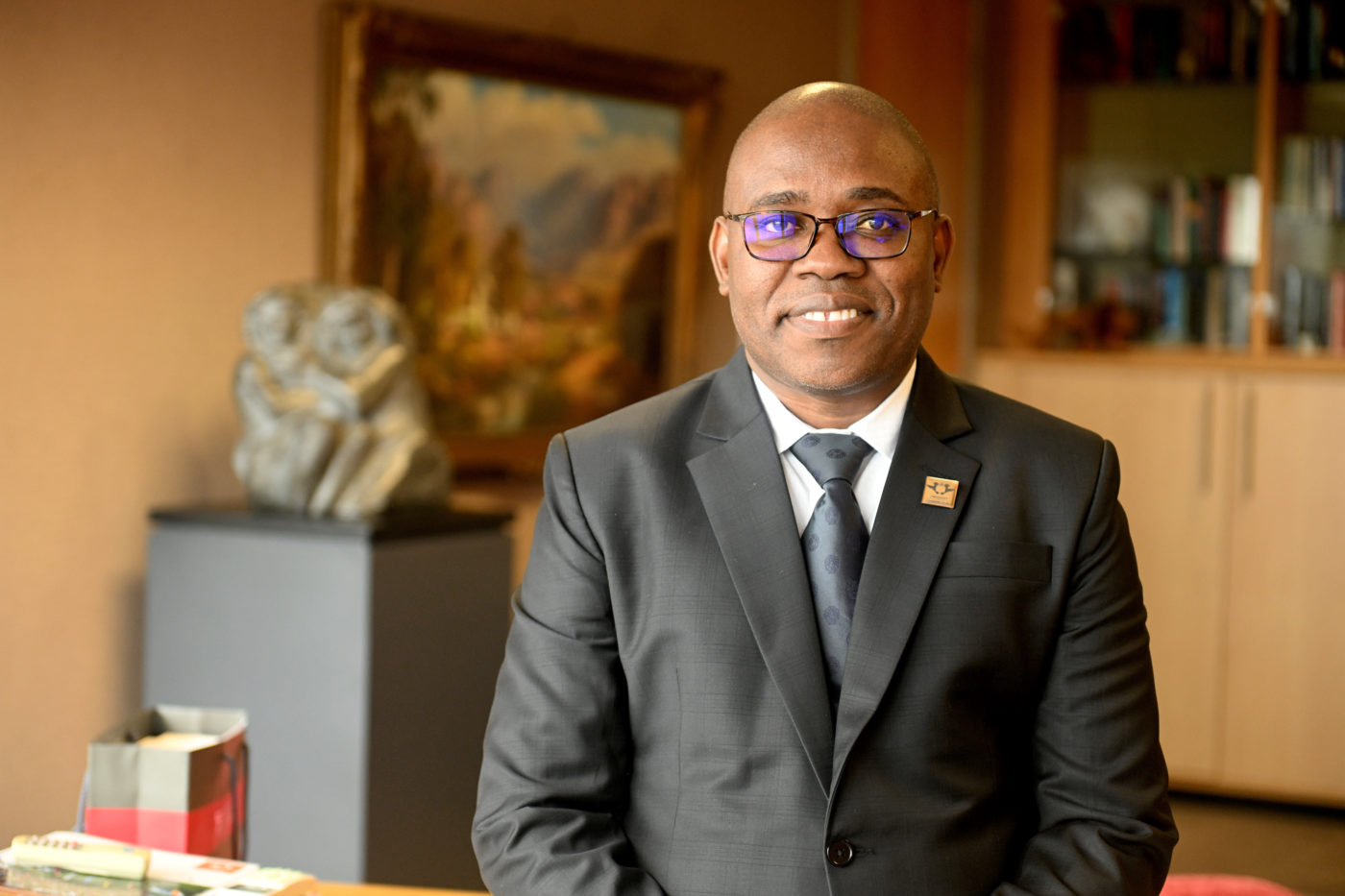
Commenting on the newly inaugurated UJ researchers to ASSAf and SAYAS, UJ Vice-Chancellor and Principal Professor Letlhokwa Mpedi said this was a further recognition of the University’s research excellence. “An election to these academies is a prestigious honour for our leading scientists, researchers and scholars, in recognition of their contributions to the advancement and application of science at both national and international levels.
Prof Mpedi said to have 20 researchers inaugurated shows the depth and breadth of UJ research. “Their recognition not only reflects their individual commitment to advancing knowledge and fostering innovation but also enhances our University’s academic standing and research reputation. By pushing the boundaries of research and innovation, our scholars continue to inspire colleagues, students and the broader academic community, while contributing to the advancement of science and the development of solutions to complex societal challenges.”
Prof Mpedi attributed these recognitions to the University’s continued investment in research and extensive international research partnerships. These recognitions are not accidental and reflect a deliberate and sustained institutional investment in research excellence, high-quality academics and the capacity to produce research that is internationally recognised, impactful and relevant to Africa and the world. Our Strategic Plan 2035 places research, innovation, societal impact and global partnerships at the heart of UJ’s future.”
In 2025, more than a quarter (27%) of the University’s research articles appeared in journals ranked among the top 10% globally based on Elsevier’s CiteScore percentile measure, underscoring the increasing competitiveness and quality of UJ scholarship. Also last year, close to 60% of the University’s articles, reviews, books and book chapters were produced in collaboration with international co-authors. Scopus data further shows that more than 57% of UJ’s total research output between 2020 and 2025 involved international collaboration. This level of global engagement places UJ among the top three benchmarked South African universities for international collaboration.
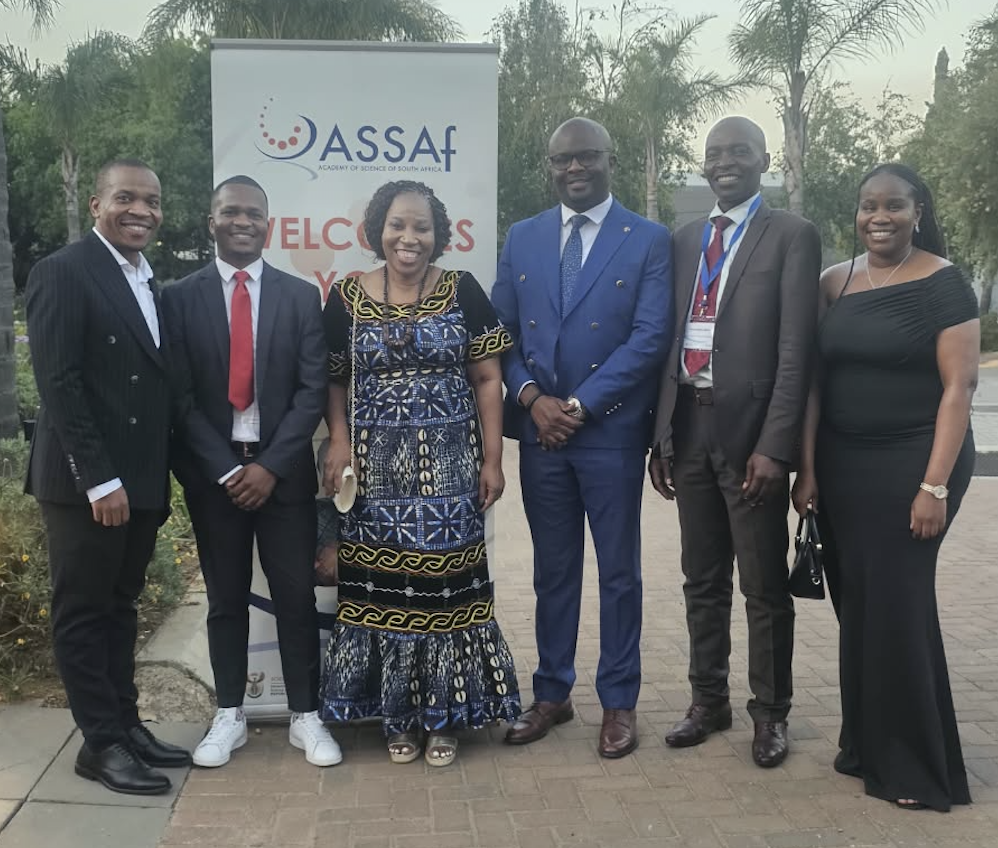
Also welcoming the latest recognition for UJ was Prof Refilwe Phaswana-Mafuya, Deputy Vice-Chancellor of Research and Innovation. “Together, these recognition by ASSAf and SAYAS reflects the University’s contribution the growth trajectory of UJ research and its commitment to developing emerging research leaders. With a total of 398 NRF-rated researchers across various rating categories, including one prestigious P-rating (Promising Young Researcher), UJ continues to demonstrate its research leadership.”
Prof Phaswana-Mafuya described UJ’s growth trajectory in the research landscape as “a phenomenal achievement, considering that the University was relatively younger”. UJ’s annual number of new members has increased from one in 2022 to two in 2023, five in 2024, six in 2025 and 19 in 2026. Across the five-year period, 33 UJ researchers were elected to ASSAf, bringing the University’s total membership to 60.With three researchers elected in 2026, the University’s total SAYAS membership now stands at seven – up from four before the latest elections. Six UJ researchers have been elected to SAYAS between 2022 and 2026.
The National Research Foundation (NRF) recently awarded our university two new South African Research Chairs Initiative (SARChI) Chairs, both at Tier 1 level (NRF-DSTI Research Chair in Big Data and Social Science and NRF-DSTI Research Chair in Transdisciplinary). Further strengthening this research record, UJ received two National Science and Technology Forum (NSTF) awards in 2026, alongside one National Research Foundation (NRF) award and one South African Women in Science Awards (SAWiSA) award.
The newly elected ASSAf UJ researchers are:
- Professor Bettine van Vuuren (UJ Registrar): Her research focuses on understanding spatial genetic patterns in species, both temporally and spatially. She has worked on various species whose distributions span the African continent and sub-Antarctic systems.
- Dr Langelihle Dlamini (Faculty of Science): He is a Professor and the Head of Department at the Chemical Sciences Department in the Faculty of Science. His research interests are Nanotechnology; Photocatalysis; Water Treatment; Fate and Behaviour of ENMs
- Prof George Blassan (Faculty of Health Sciences): He is a Professor from the Faculty of Health Sciences within the Laser Research Centre. His research interests include photodynamic therapy of cancer using natural photosensitizers, cell death mechanisms, and medicinal plant research.
- Prof Justin Bradfield: An Associate Professor from the Faculty of Humanities at the Palaeo Research Institute. His main research focus on the use of bone and other faunal materials in Stone Age societies and the degree to which an understanding of these items may better inform our appreciation of the diversity and complexity of ancient indigenous knowledge systems.
- Prof Nicola Wagner (Faculty of Science): She is a Director of the DSI-NRF Centre of Excellence in Integrated Mineral and Energy Resource Analysis (CIMERA) and a Professor in the Department of Geology, amongst other professional bodies. Her research focuses on coal petrology, critical raw materials, coal geology, carbon capture and storage, and coal utilisation.
- Prof Penny Govender (Faculty of Science). Director of the Research Capacity Development unit in the Postgraduate School and a Professor of Computational Chemistry. Her research spans energy, water, materials science, and diseases.
- Prof Patrick Njobeh (Faculty of Science): A Professor in Food Safety and Head of the Mycotoxins Unit within the Department of Biotechnology and Food Technology. His research interests are food quality and safety, feed safety, food and feed intoxication, amongst others.
- Prof Neo Morojele (Faculty of Humanities): Head of Department and Professor in the Department of Psychology. Her research areas of specialisation are alcohol use and HIV; substance use disorders and access to treatment, amongst others.
- Prof Nnamdi Nwulu (Faculty of Engineering and the Built Environment, or FEBE: An Associate Professor and Head of School, Electrical and Electronic Engineering Science. His research interests are food, energy and water systems
- Prof Caliphs Zvinowanda: A Professor at the Department of Chemical Sciences within the Faculty of Science. His research interests are water and wastewater treatment.
- Prof Lagouge Tartibu (FEBE). A Professor in the Department of Mechanical and Industrial Engineering Technology. His research focuses on thermo-acoustic technology, applied thermal engineering, engineering optimisation, artificial intelligence and mechanical vibration.
- Prof Anna-Mart van Wyk (Faculty of Humanities): Her research focuses on South Africa’s nuclear history and policies, arms control, disarmament and international relations.
- Prof Sam Ramaila (Faculty of Education): Full Professor in the Department of Mathematics, Science and Technology Education. His research focuses on physics education, teacher professional development, innovative pedagogical practices and contemporary instructional models.
- Prof Nonhlangabezo Mabuba (Faculty of Science): Her research focuses on environmental analytical chemistry and the application of nanomaterials in water quality monitoring and treatment.
- Prof Benjamin Smart (Faculty of Humanities): His research focuses on the philosophy of medicine, public health and epidemiology, with additional interests in the philosophy of science and decolonised education.
- Prof Tanusha Singh (Faculty of Health Sciences): Her research focuses on environmental and occupational radiation exposure, electromagnetic field assessments, chemical exposure risk assessments, and occupational hygiene.
- Prof Aletta Prinsloo (Faculty of Science): Her research focuses on magnetism and the physical properties of chromium-based bulk and thin-film alloys, as well as chromite-based thin films and nanoparticles.
- Prof Farai Nyabadza (Faculty of Science): His research focuses on mathematical epidemiology, mathematical ecology, systems thinking and the application of mathematical modelling to understanding substance abuse dynamics.
- Professor Admire Mare (Faculty of Humanities) is Head of the Department of Communication and Media Studies within the Faculty of Humanities. His research focuses on digital journalism, disinformation, digital platforms, surveillance and the relationship between technology and society.
- The three researchers elected as a new SAYAS member are
- Dr Edith Phalane (Research Manager at the Pan African Centre for Epidemics Research within the Faculty of Health Sciences)
- Prof Cayle Lupton (Professor in the Department of Procedural Law within the Faculty of Law and Acting Vice Dean: Research, Postgraduate and Global Engagement and Director.
- Prof Bonginkosi Thango (Professor in the Department of Electrical and Electronic Engineering Technology within FEBE).