The sixth annual Eric Molobi Roundtable and Book Launch commemorated the life of Eric Molobi and explored the history of the National Education Crisis Committee (NECC).
The event, which took place at the University of Johannesburg’s (UJ) Ubuntu Chambers on Wednesday 18 November 2026, included a keynote panel and a discussion with contributors who shaped South African educational movements.
The proceedings highlighted the intersection of activism, education, and community development through the lens of Eric Molobi’s career.
NECC Impact: The NECC is noted for bringing together students, youth, and labour movements to envision democratic education during periods of systemic crisis.
The book is titled From Education Crisis to Organisation: Reflections on the NECC (1985-1995)
Professor Sarita Ramsaroop, Vice-Dean: Research and Innovation in the Faculty of Education explained that the discussion connects historical struggles for educational equity to contemporary challenges in South Africa.
The roundtable aimed to address ongoing issues regarding curriculum transformation, inclusion, and education quality by learning from the collective action models used by the NECC.
Linda Chisholm, Professor Emerita at the Centre for Education Rights and Transformation at UJ and NECC Book Co-Author detailed the research process, methodology, and thematic structure of the book. The book is a collection of diverse perspectives rather than a single unified argument, reflecting the nature of the organisation itself.
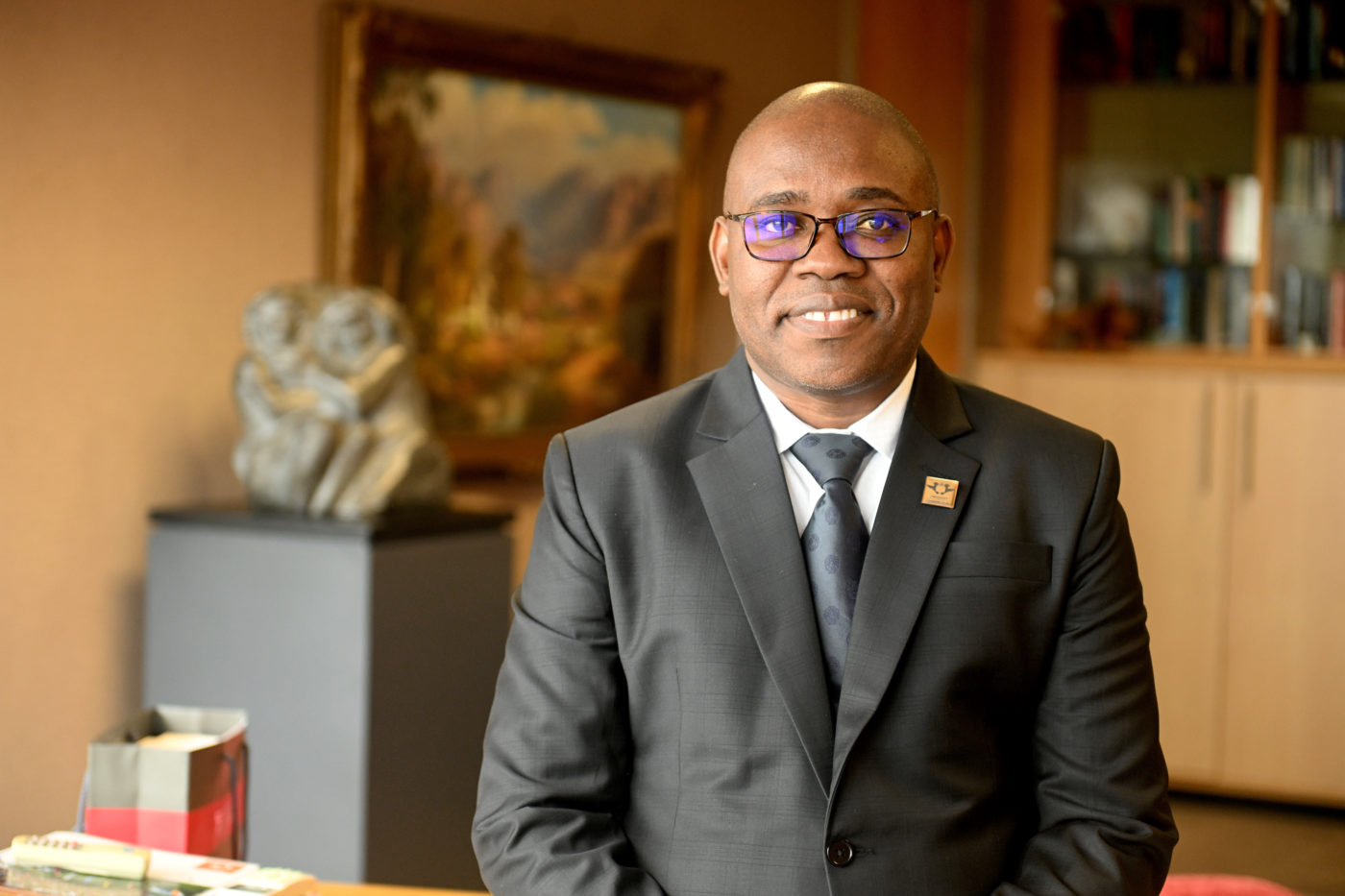
During the roundtable discussion chaired by Professor Shireen Motala, South African Research Chair in Teaching and Learning, Professor Themba Maseko reflected on the legacy of the NECC and the importance of reclaiming education as a collective societal responsibility in post-apartheid South Africa.
Key initiatives included the establishment of Education Policy Units and the National Education Policy Initiative (NEPI).
The movement focused on “People’s Education,” which sought to link academic research with social mobilisation to prepare for a post-apartheid system.
Prof Maseko argued that while South Africa has achieved constitutional progress via Section 29, there remains a massive gap between legal rights and lived reality. He noted that educational quality is still dictated by parental income and geography – current students continue to face systemic issues: financial exclusion, inadequate accommodation, and food insecurity.
He also argued that modern educational discourse was criticized for being overly focused on throughput rates and examination results rather than critical thinking. There is a perceived loss of agency as the responsibility for education has been almost entirely outsourced to the state, marginalising the roles of parents, communities, and civil society.
To address these failures, Prof Maseko proposed reclaiming four specific pillars to build a true learning society.
- Reestablishing education as a collective societal responsibility rather than just a government function.
- Prioritising intellectual ambition and the development of socially conscious, independent citizens.
- Strengthening partnerships between universities, researchers, and local communities.
- Ensuring that a child’s birth circumstances do not determine their educational prospects.
Professor Elaine Unterhalter spoke about the lessons learnt from the NECC experience.
Her presentation reflected on the historical role of the NECC and its connection to social justice, education, and international networks. Prof Unterhalter discussed the legacy of the NECC and its function as a bridge between local struggle in South Africa, national transformation, and international academic networks.
She outlined the three core lessons for addressing modern inequality:
- Learning from History: The past is not over; activists must continue to analyse the successes and failures of initiatives like the NECC.
- Human Capability: There is a continuous need to fashion institutions that support human development, agency, and well-being amidst competing demands.
- Collaborative Knowledge: Deep friendships and intergenerational knowledge sharing remain vital tools for navigating historic shifts.
Mr Yogesh Narsing reflects on the leadership of Eric Eric Molobi and his role in mobilising academia through the NECC and the Educational Policy Unit (EPU).
He provided a retrospective analysis of Molobi, focusing on his capacity to bridge the gap between academic rigour and community struggles.
He discussed the tension between radical activism and Molobi’s pragmatic approach to building a broad political front. Despite being viewed as a non-reformist who linked education to systemic change, Molobi prioritised institutional building over pure revolutionary rhetoric.
His philosophy centered on:
- Working with existing resources and institutions.
- Building from what is currently available to create future stability.
- Focusing on constructive campaigns like the “back-to-school” campaign and “people’s education for people’s power.”
The final discussant, Professor Ihron Rensburg, UJ’s first Vice-Chancellor and Principal, reflected on the dystopian reality of South Africa where the nation struggles to make sense of its social and political landscape.
He reflected on Eric Molobi’s character, emphasising a model of “unseen leadership” defined by purpose rather than personal ego or performative politics. Prof Rensburg noted Molobi’s ability to identify and entrust young leaders with immense responsibility during the liberation struggle, specifically within the NECC. A significant portion of the remarks focused on the strategic shift from crisis management to institutional organisation during the mid-1980s. Molobi pioneered a model of bridging commercial sustainability with community upliftment, rejecting mere self-enrichment in favour of building enduring enterprises. Prof Rensburg concluded by connecting historical lessons to current crises facing higher education and the nation.
In closing, Prof Motala highlighted the topics covered in the book:
- Decline of civil society
- Local knowledge systems
- The issue of the global and the international
- The demise of the EPUs and the reasons behind it
- Current status of policy making
Watch the roundtable and book launch below: