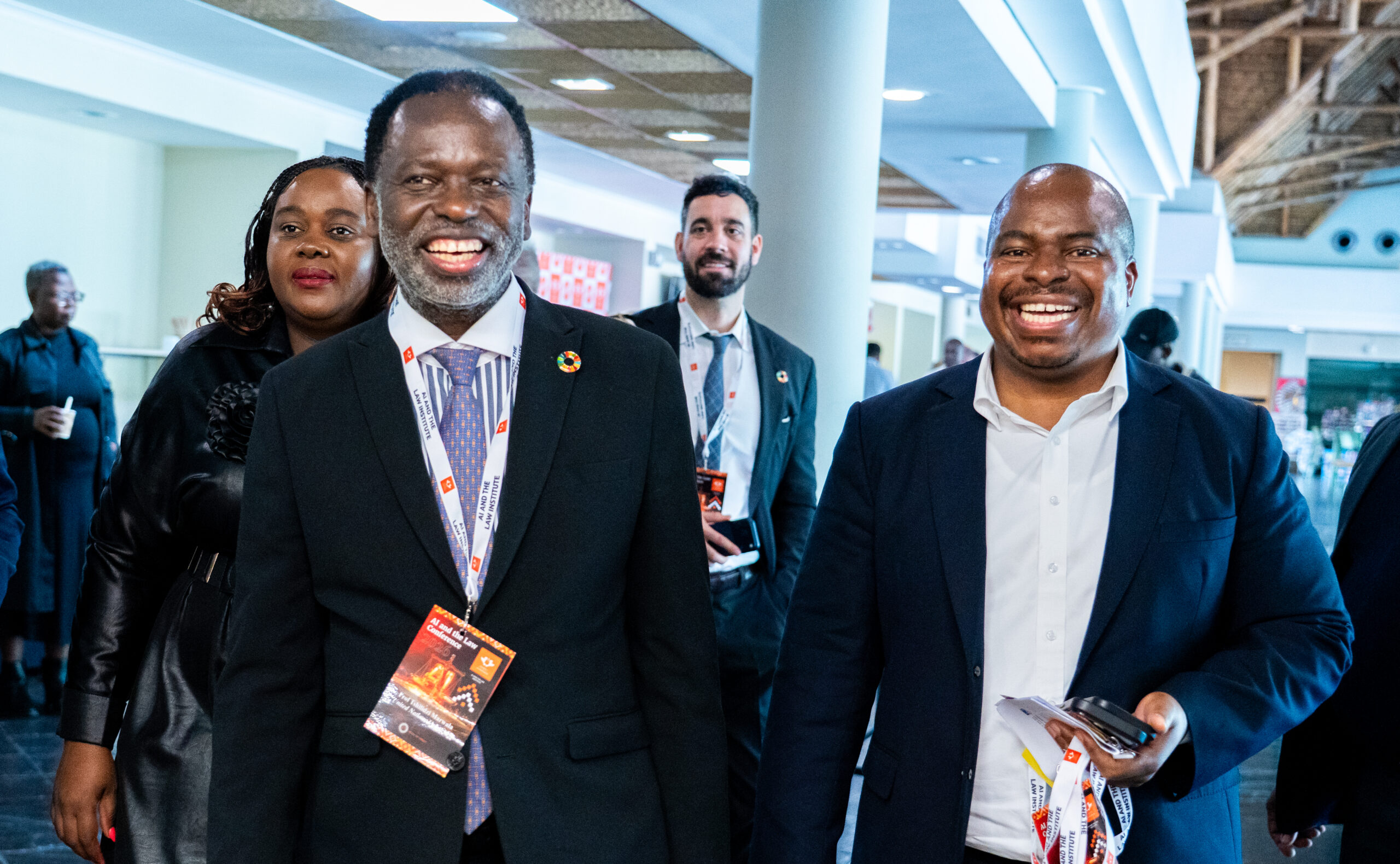
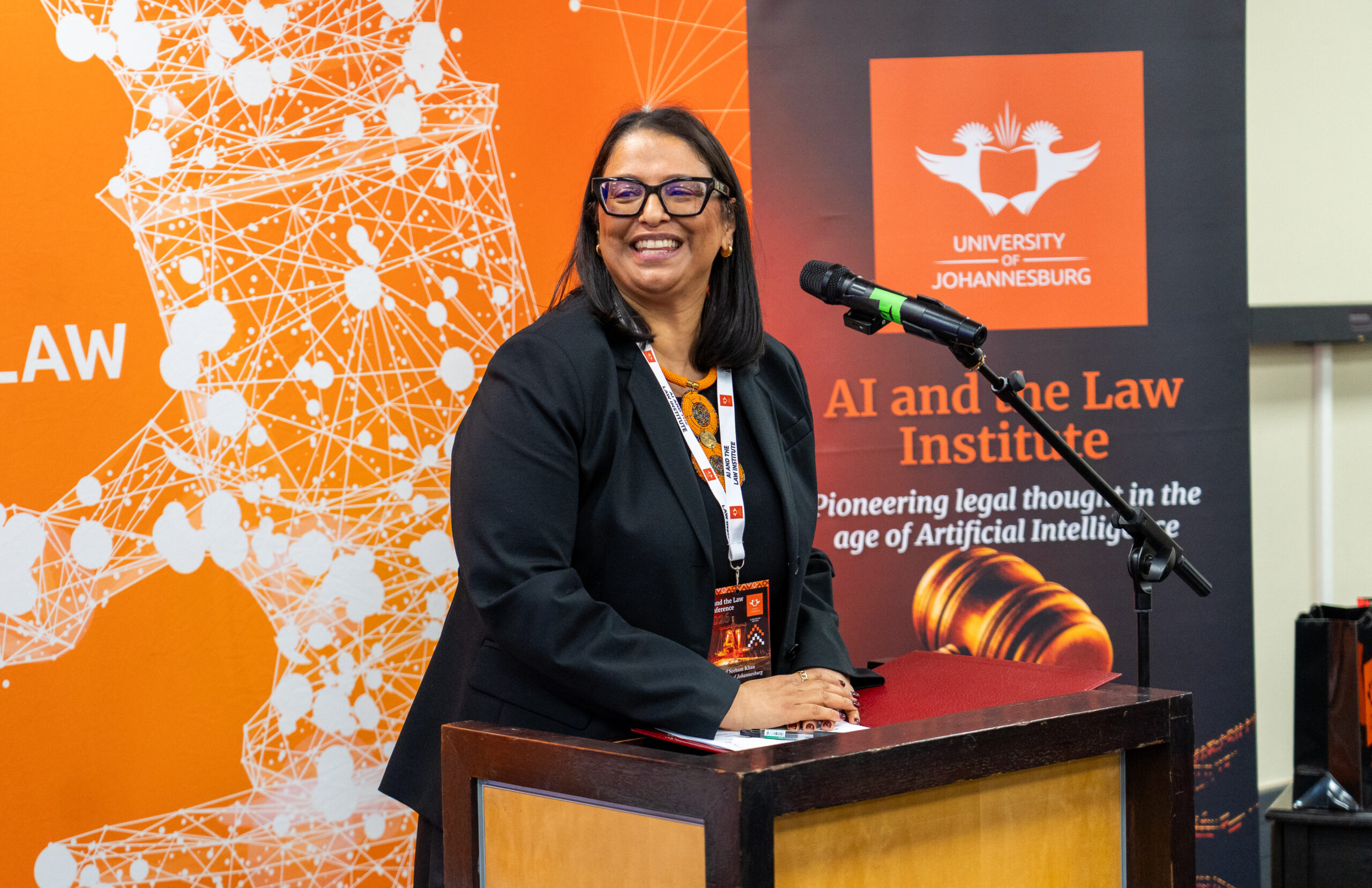
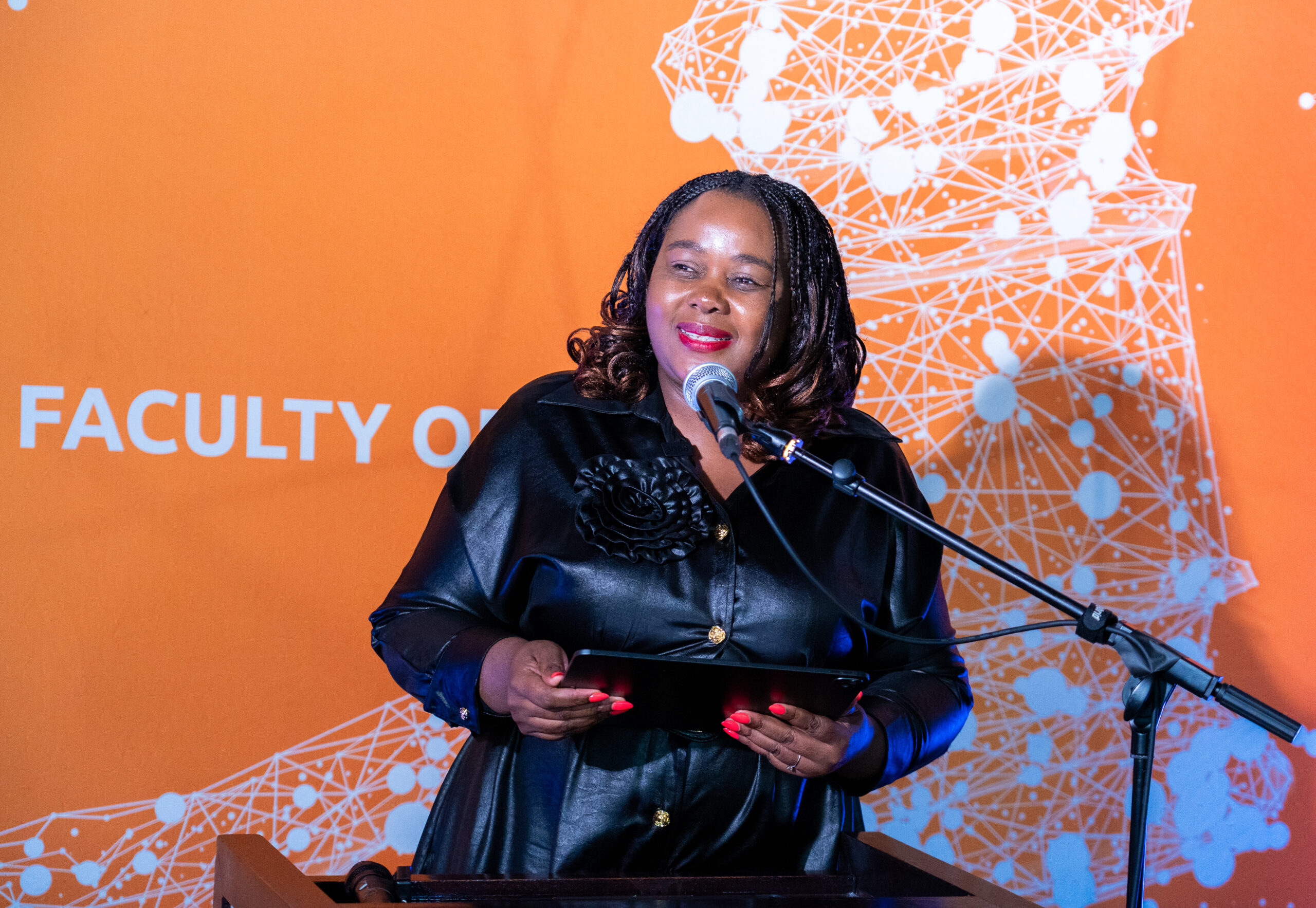
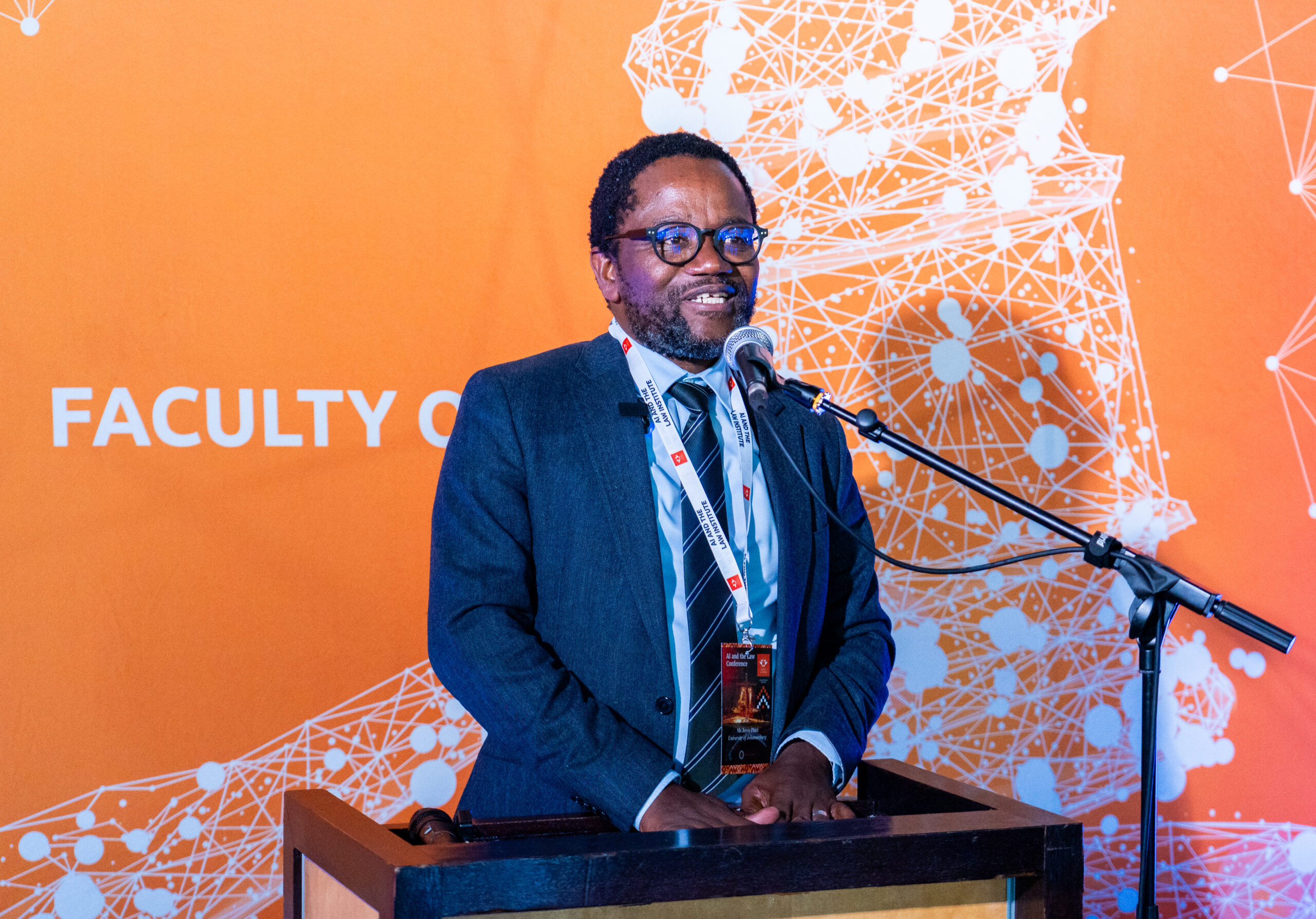
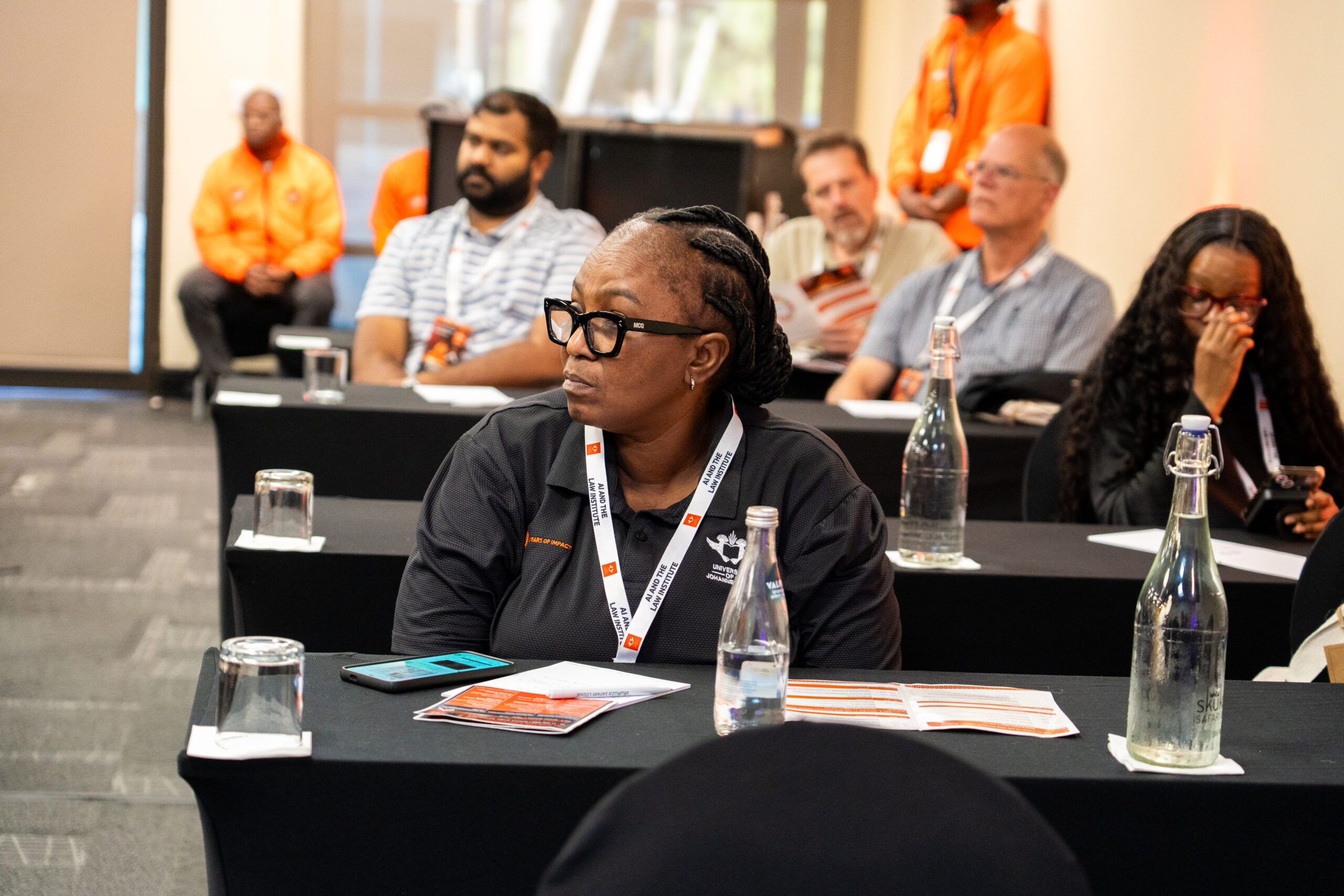
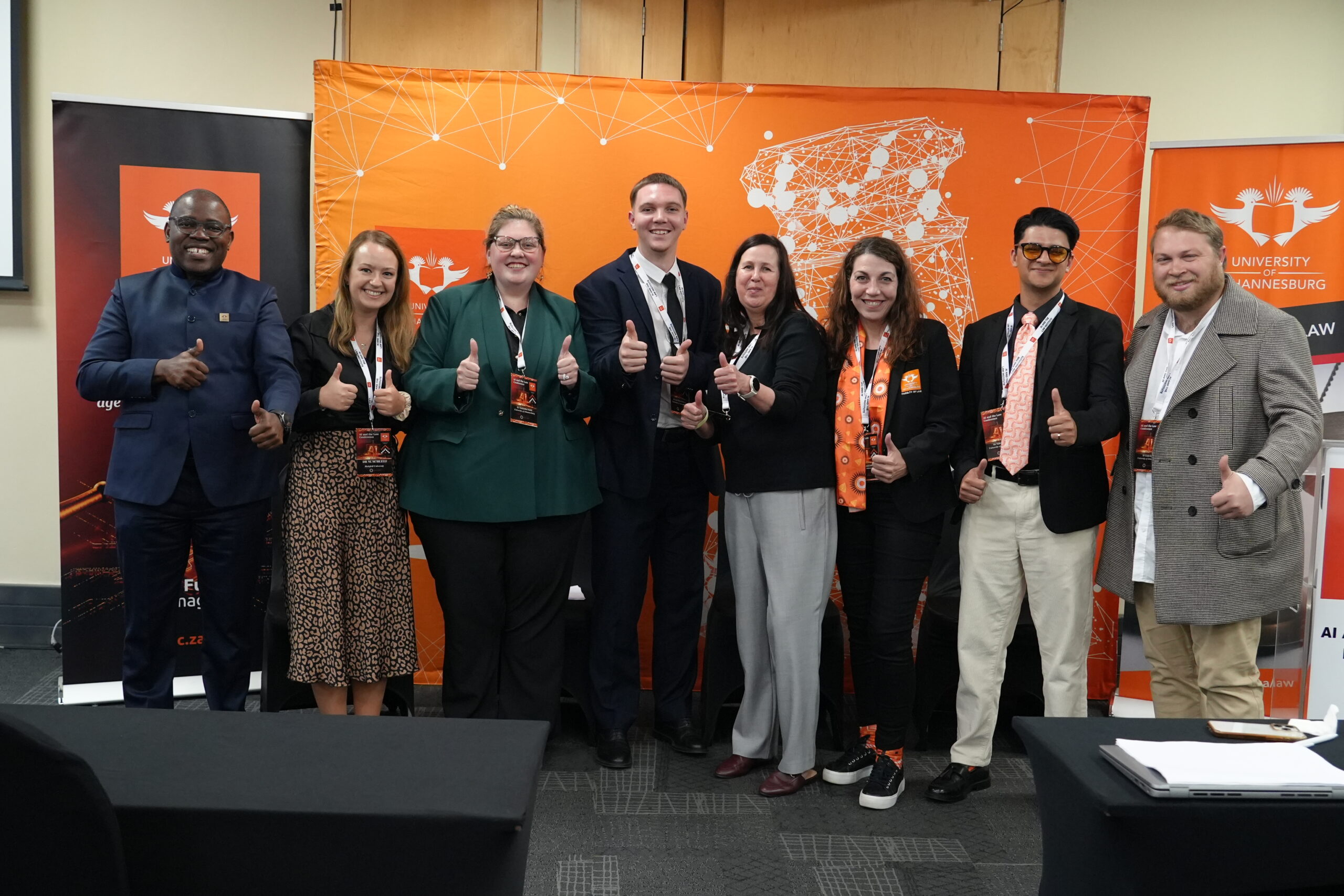
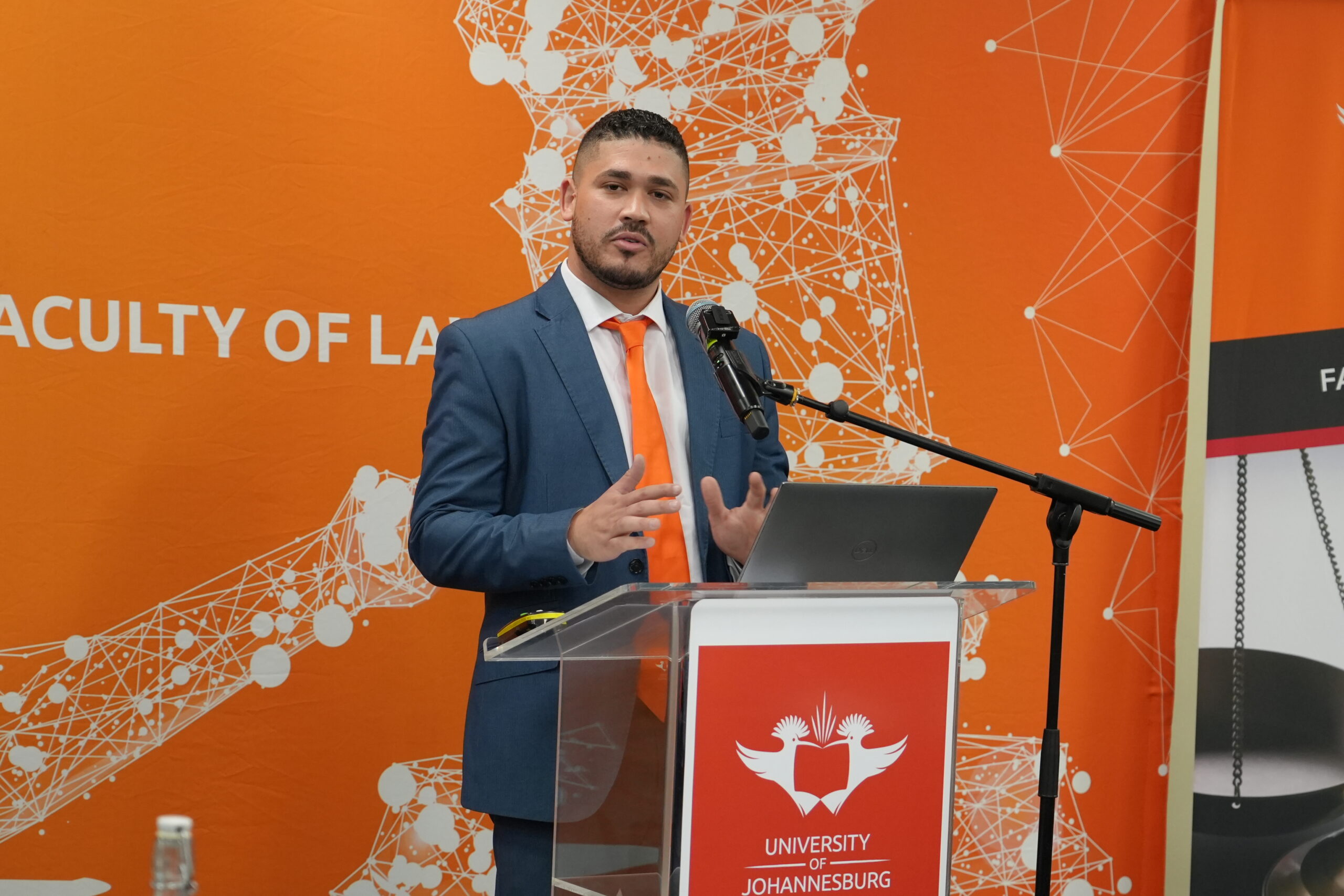
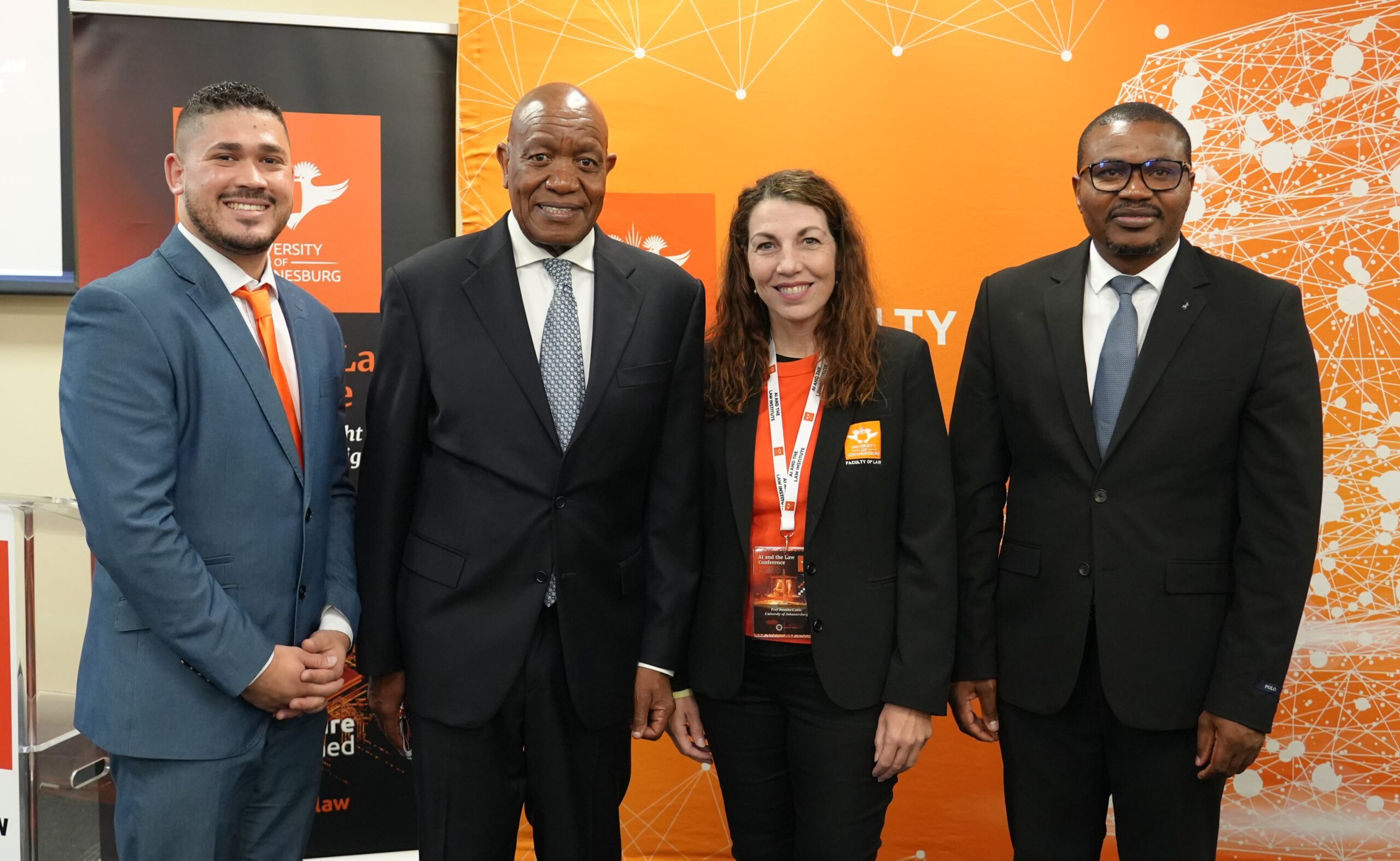
Artificial intelligence (AI) may transform South Africa’s courts, but justice itself must remain firmly in human hands. That was the central message emerging from the University of Johannesburg’s (UJ) inaugural AI and the Law Conference, where senior judges, government leaders, legal practitioners, academics and technology experts examined how AI is reshaping the legal profession and the administration of justice.
Held from 9 to 11 July 2026 at Skukuza Safari Lodge in Mpumalanga, the conference was hosted by UJ’s AI and the Law Institute under the theme Artificial Intelligence and the Law: Advancing the Sustainable Development Goals through Law, Governance and Practice, brought together senior members of the judiciary, government, academia and industry, including Deputy Chief Justice Dustin Mlambo, Minister of Justice and Constitutional Development Mmamoloko Kubayi, United Nations Under-Secretary-General and Rector of the United Nations University Professor Tshilidzi Marwala, and UJ Vice-Chancellor and Principal Professor Letlhokwa George Mpedi.
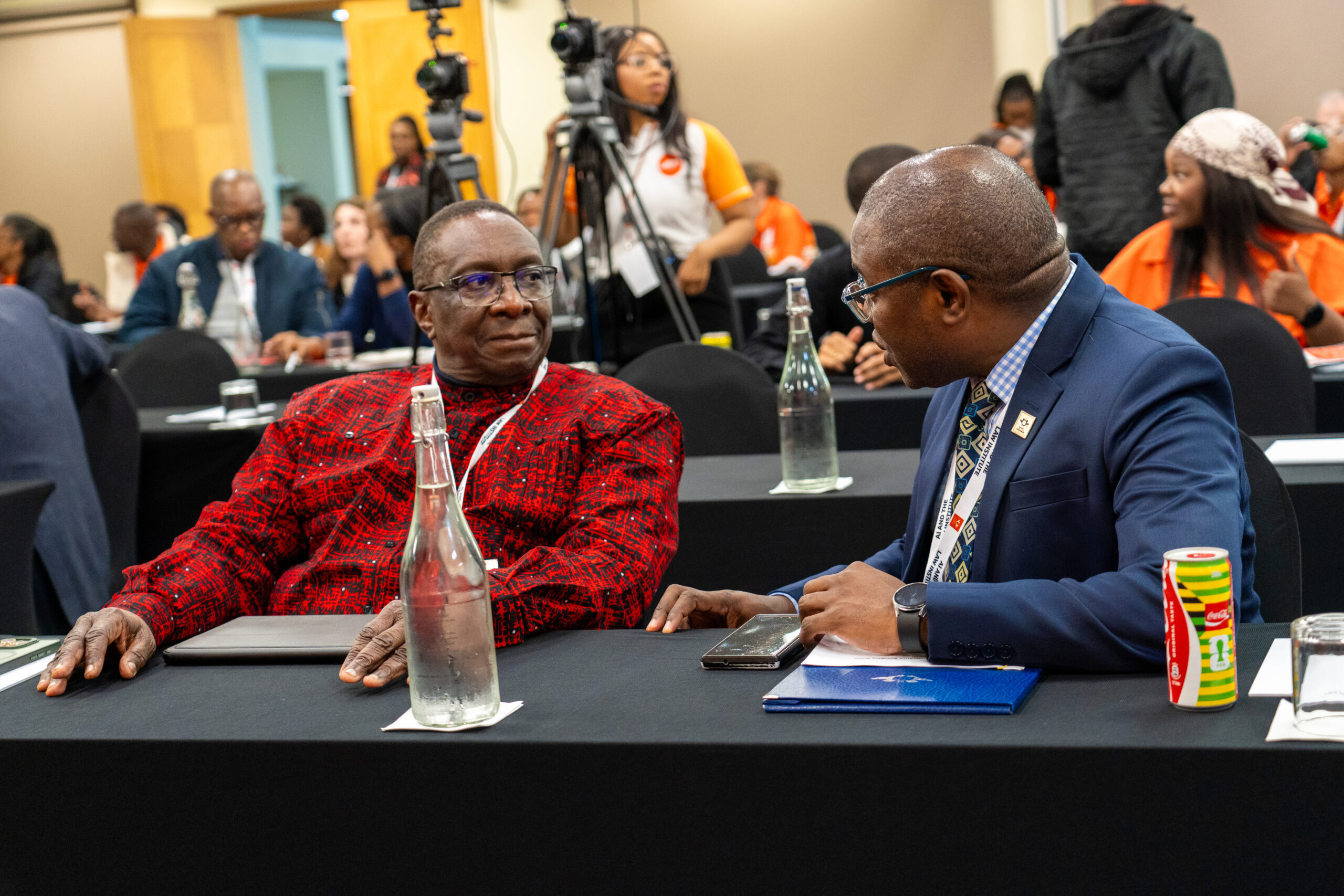
The conference delivered a clear message that AI is no longer a future consideration for South Africa’s justice system. From digital case management and electronic court filings to AI-assisted legal research, technology is already transforming how justice is administered. While delegates acknowledged AI’s potential to improve efficiency, reduce delays and expand access to justice, they agreed that it must remain a tool that supports, rather than replaces, the human judgment, constitutional values and judicial independence on which the rule of law depends.
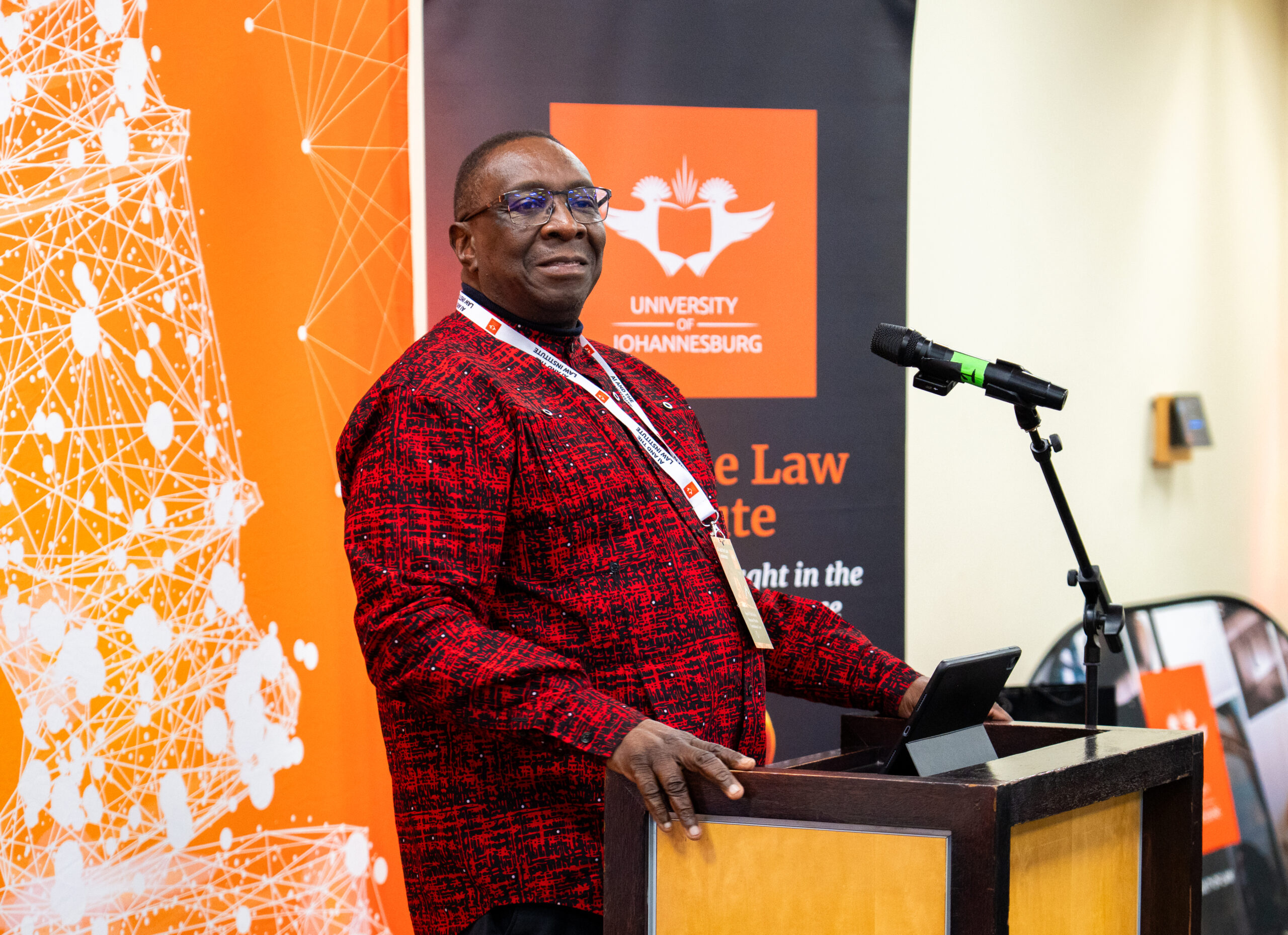
Delivering the opening keynote, Deputy Chief Justice Dustin Mlambo said South Africa’s courts had already entered the digital era, making the responsible use of artificial intelligence one of the defining challenges facing the justice system.
He stressed that the debate was no longer about whether technology should be used in the courts, but about ensuring it strengthens rather than undermines constitutional democracy.
“The constitutional question is not whether South Africa will use new technologies in the administration of justice. We already do,” he told delegates. “The constitutional question is whether we will do so in a manner that preserves human dignity, equality, openness, accountability and, importantly, human discretion.”
Justice Mlambo said digital platforms such as Court Online and CaseLines are already modernising the administration of justice by enabling electronic filing, digital case management and improved access to court services. These innovations have the potential to reduce delays, lower costs, improve efficiency and even curb opportunities for corruption. However, he cautioned that technological advancement must never come at the expense of constitutional rights, judicial independence or public confidence in the courts.
While AI has the potential to widen access to justice, he warned that algorithmic bias, privacy concerns, unequal digital access and excessive reliance on automated systems could undermine the very principles the justice system is meant to uphold.
“A faster system may still be an excluding system,” he said, adding that every technological innovation should ultimately be measured against a simple principle: “A court must not only be fair; it must be intelligibly fair.”
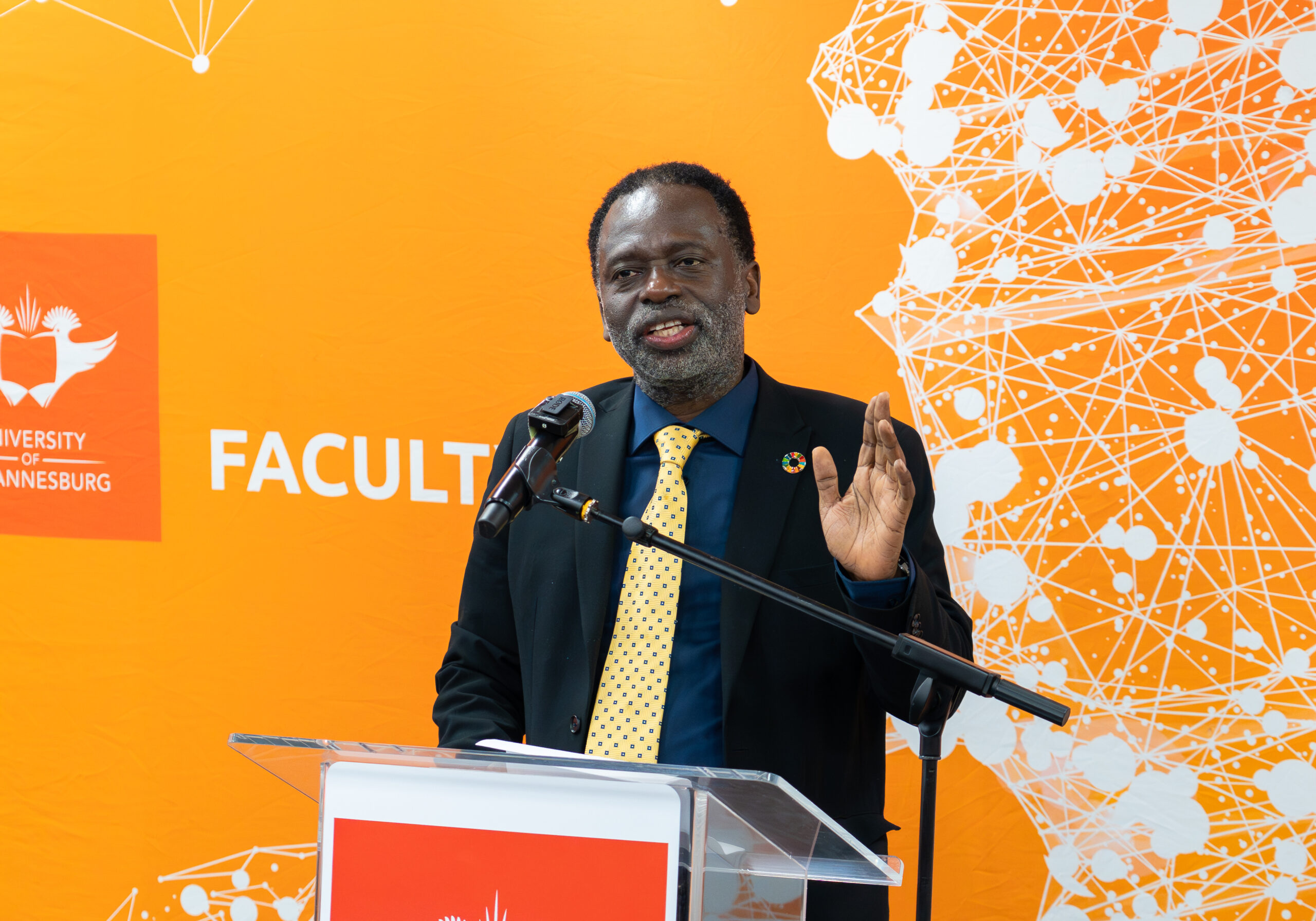
United Nations Under-Secretary-General and Rector of the United Nations University, Professor Tshilidzi Marwala, challenged delegates to look beyond the technology itself, arguing that AI ultimately raises questions about accountability, governance and the values that shape society.
“When something goes wrong, or even when something goes right, who decides? Who is liable? Who designed the system that made the decision possible?” he asked.
Prof Marwala said AI has enormous potential to expand access to justice through legal assistance, document automation and more efficient court administration. However, he warned that these benefits will only be realised if governments, industry and legal institutions establish governance frameworks that address algorithmic bias, unequal digital access, weak oversight and the widening digital divide.
He also challenged delegates to distinguish between technological accuracy and truth, warning that AI systems can confidently generate incorrect responses.
“Accuracy is not truth,” he said. “The same way we have long understood that correlation is not causation, we must recognise that accuracy is not truth.”
He said balancing innovation with accountability will be essential to ensuring AI strengthens justice, protects the public interest and earns society’s trust.
Concluding the opening remarks at the conference, UJ Vice-Chancellor and Principal Professor Letlhokwa George Mpedi said universities have a critical responsibility to shape how artificial intelligence serves society. As AI transforms economies, legal systems and public institutions, he said higher education institutions must bring together legal scholars, technologists, policymakers and industry to ensure innovation advances human development while remaining firmly anchored in constitutional values, ethical leadership and the public good.
Prof Mpedi said UJ’s inaugural AI and the Law Conference demonstrates UJ’s commitment to fostering interdisciplinary collaboration through its AI and the Law Institute, creating a platform where research informs policy, governance and professional practice. By placing Africa and the Global South at the centre of the conversation, he said, UJ is contributing to the development of AI governance frameworks that reflect the continent’s constitutional values, developmental priorities and social realities.
“As AI continues to reshape societies, the responsibility of universities extends beyond developing technology to ensuring it advances justice, protects human dignity and serves the public good. AI will play an increasingly important role in the administration of justice, its success will ultimately depend on governance frameworks that uphold constitutional democracy, safeguard fundamental rights and keep human judgment at the centre of every legal decision,” Prof Mpedi said.
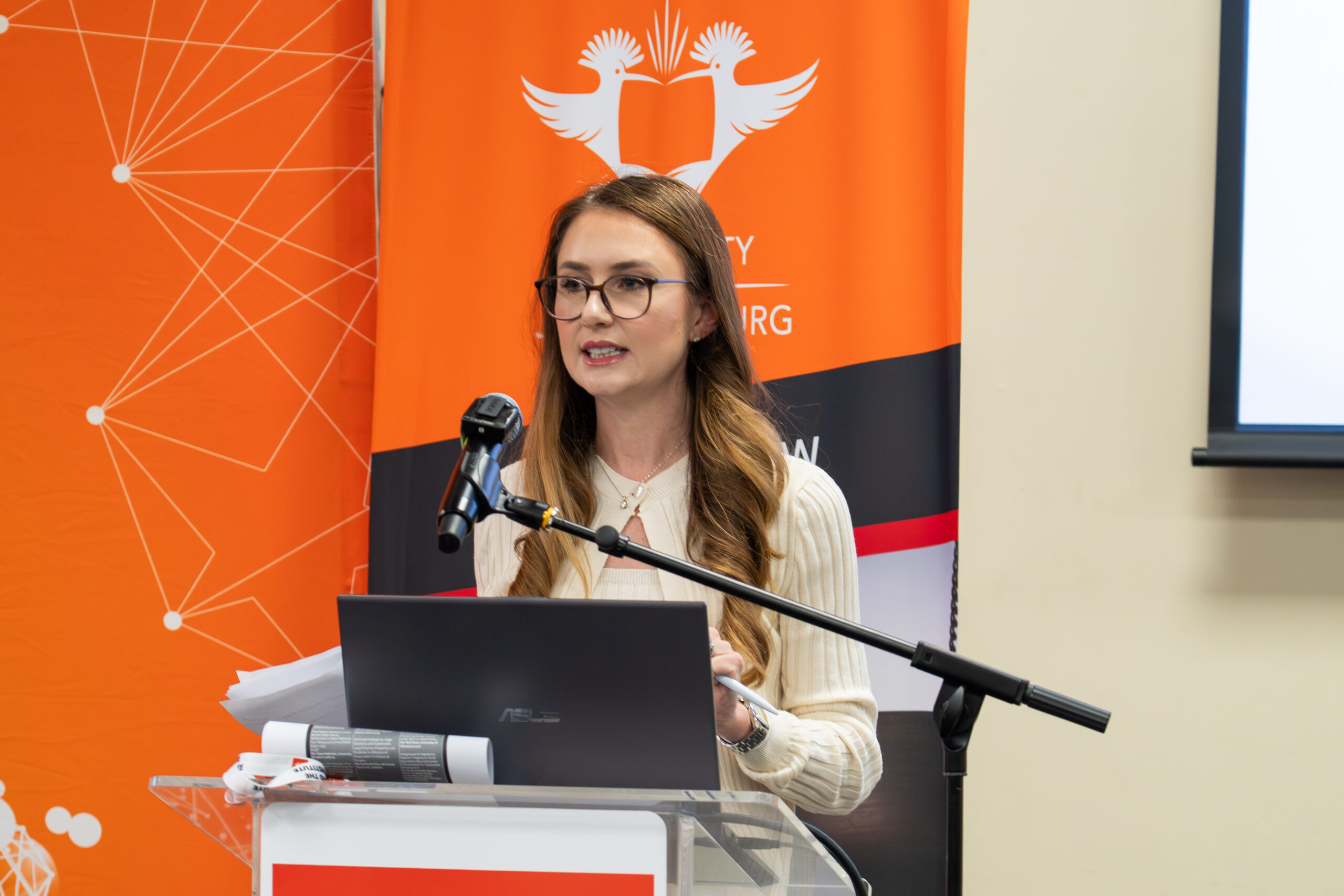
Earlier, in his welcoming remarks, the Executive Dean of the Faculty of Law, Professor Charles Maimela, described the conference as timely and relevant in setting the direction for the Institute’s future work. “This conference sets the tone for this important Institute of integrating AI and the law. Most importantly, the call of the Institute is for trans-and multidisciplinary collaboration to be at the centre as we seek to emancipate humanity,” he said.
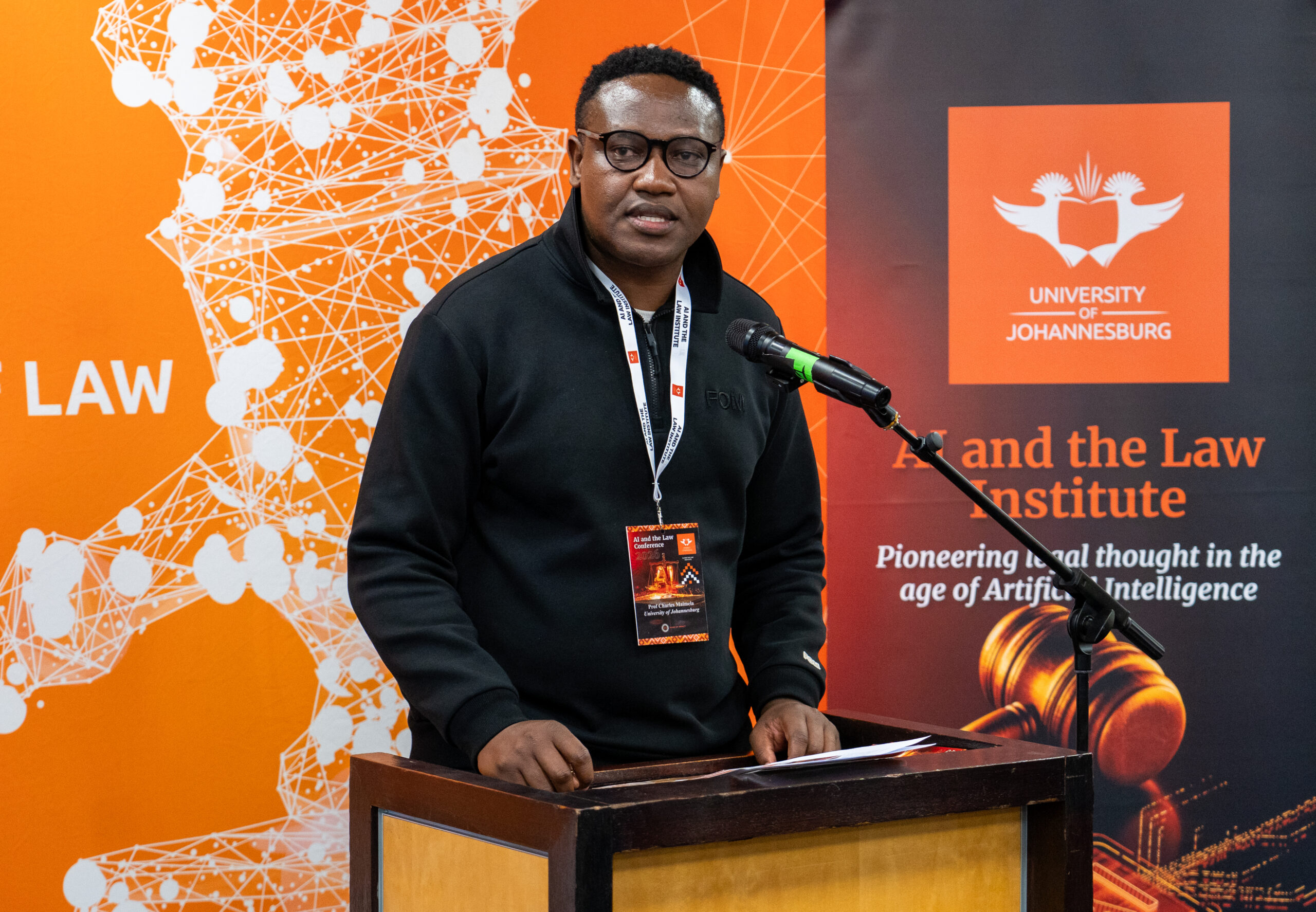
Prof Maimela added that the event was not a “one-hit wonder conference” but that it would an annual engagement where leading scholars, academics, practitioners and the judiciary from across the world will come together. He highlighted the faculty’s vision of breaking down traditional silos within the legal profession by fostering collaboration across disciplines, institutions and sectors.