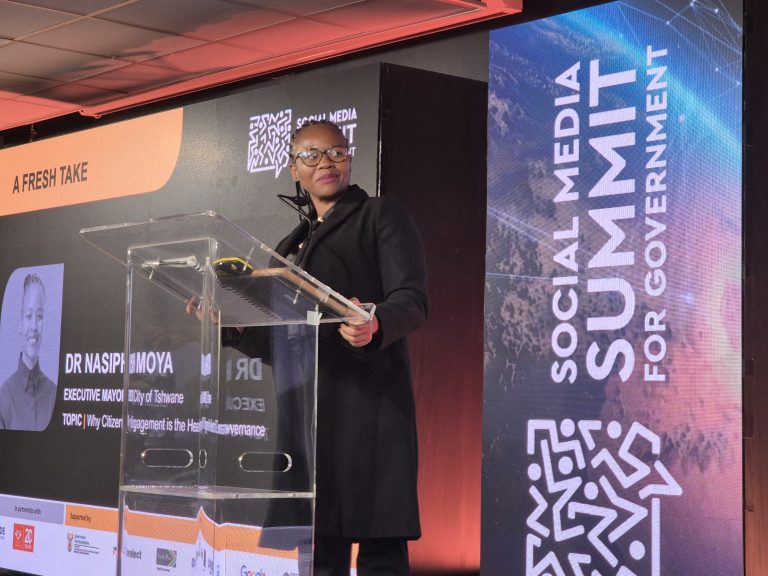
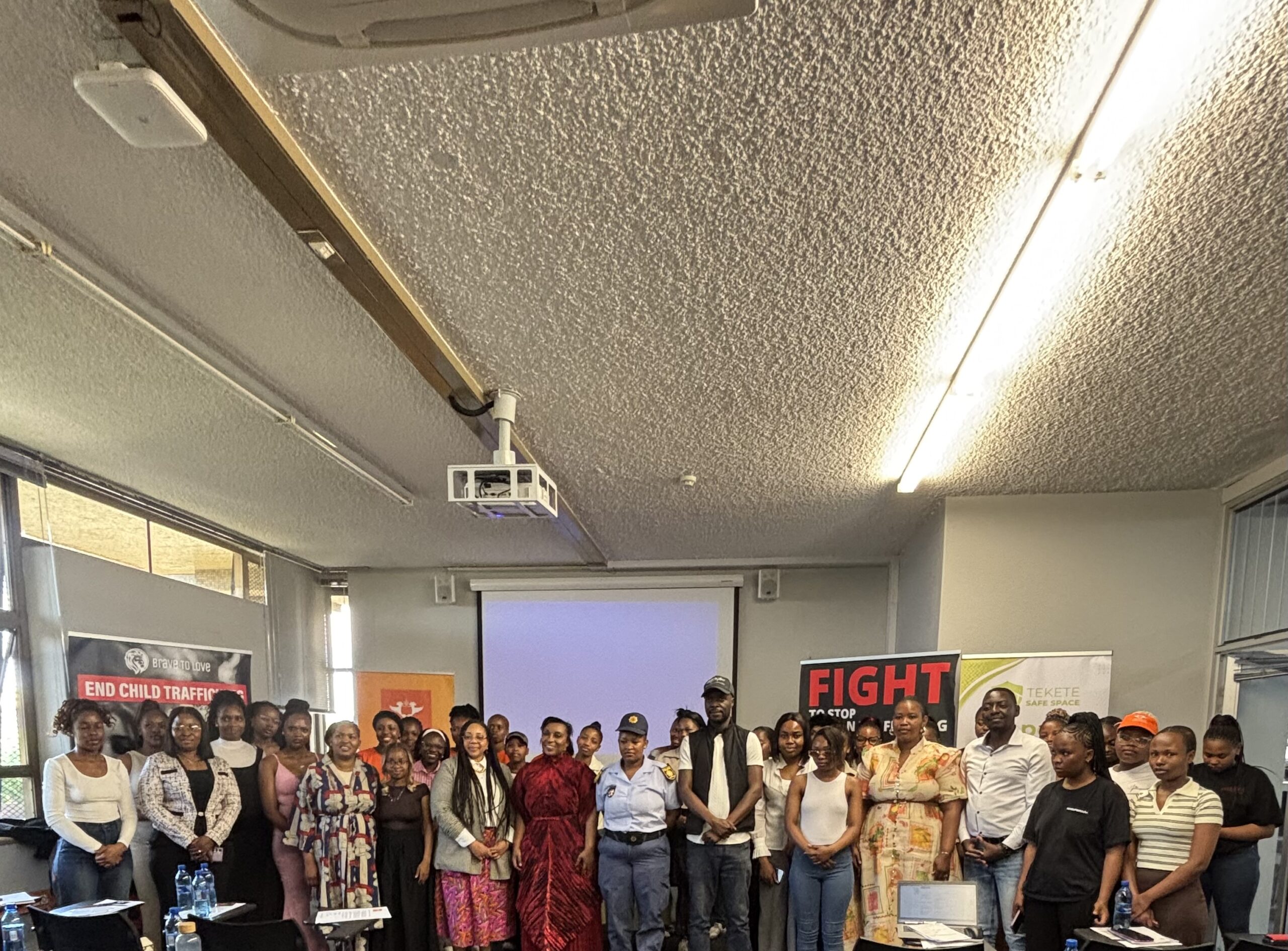
The University of Johannesburg (UJ) hosted the fourth Social Media Summit for Government from Wednesday 8 July to Thursday 9 July 2026.
Under the theme Artificial Intelligence + Human Intelligence, the event was organised by Decode, a pan-African reputation advisory and strategic communications firm, in partnership with JBS, and endorsed by the Public Relations Institute of Southern Africa (PRISA).
Held at the Johannesburg Business School (JBS), the two-day summit brought together government communicators, policymakers, and digital leaders to explore how AI is reshaping citizen engagement and the future of public-sector communication.
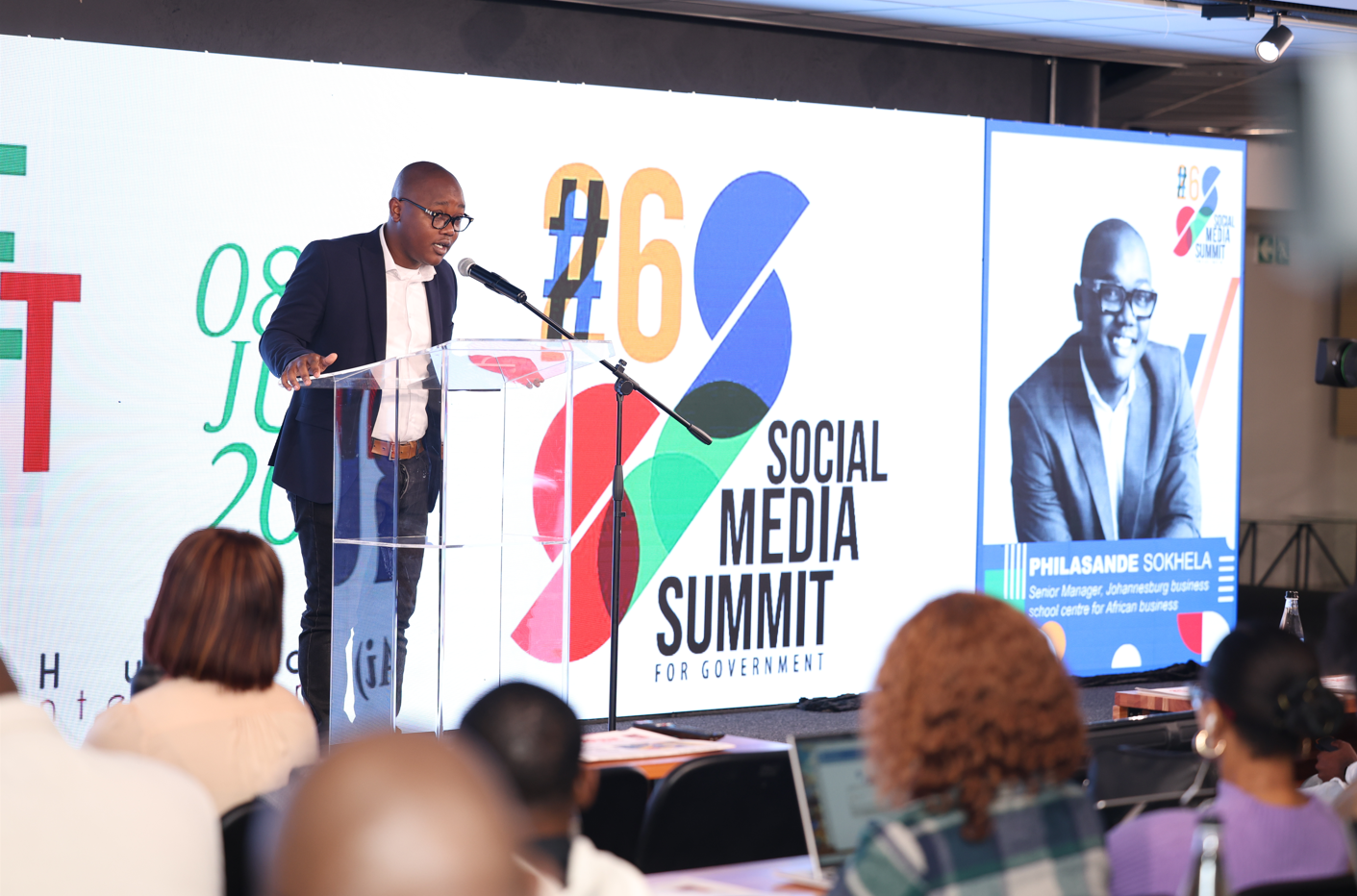
Speaking at the event, Philasande Sokhela, Senior Manager at the JBS Centre for African Business, said artificial intelligence (AI) was an extension of human intelligence (HI). He discussed the generational shift towards AI, the need for responsible leadership in navigating AI’s impact, urging Africa to lead in the AI revolution rather than just follow.
“The question we should be asking ourselves is: is Africa a mine, a market or a maker in the digital economy? Africa should lead parts of the AI revolution. That is why gatherings like this one really matter.”
“No matter how advanced technology becomes, society will always depend on something more important: trust. Trust in institutions and leaders and the information we consume. That is why human intelligence will remain our greatest competitive advantage,” he added.
Lorato Tshenkeng, founder and CEO of Decode, highlighted the potential displacement by AI (such as ChatGPT) which could produce more human-like content. He also added the importance of ethical decision-making in AI applications. He encouraged leveraging AI as a tool rather than a threat.
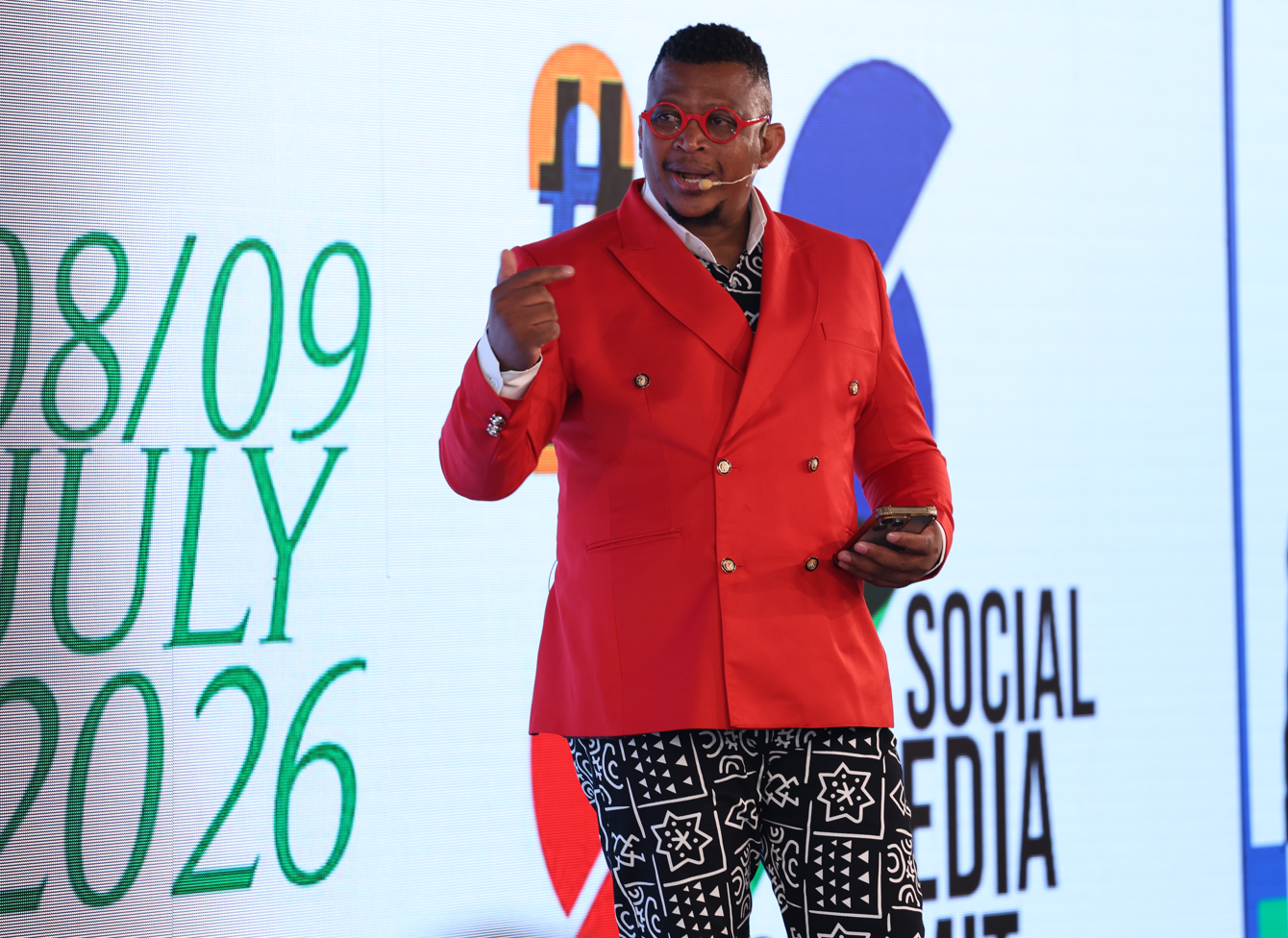
Alistair King, Vice Chairperson at the Wirecar Philipstown Foundation showed the attendees how they have been using AI for good through their WireCar GrandPrix Project. The aim is to transform a local wire car race in Philipstown in the Western Cape into a global spectacle. Using AI tools, they have created a short film, a mobile game and an e-commerce platform to uplift the impoverished community.
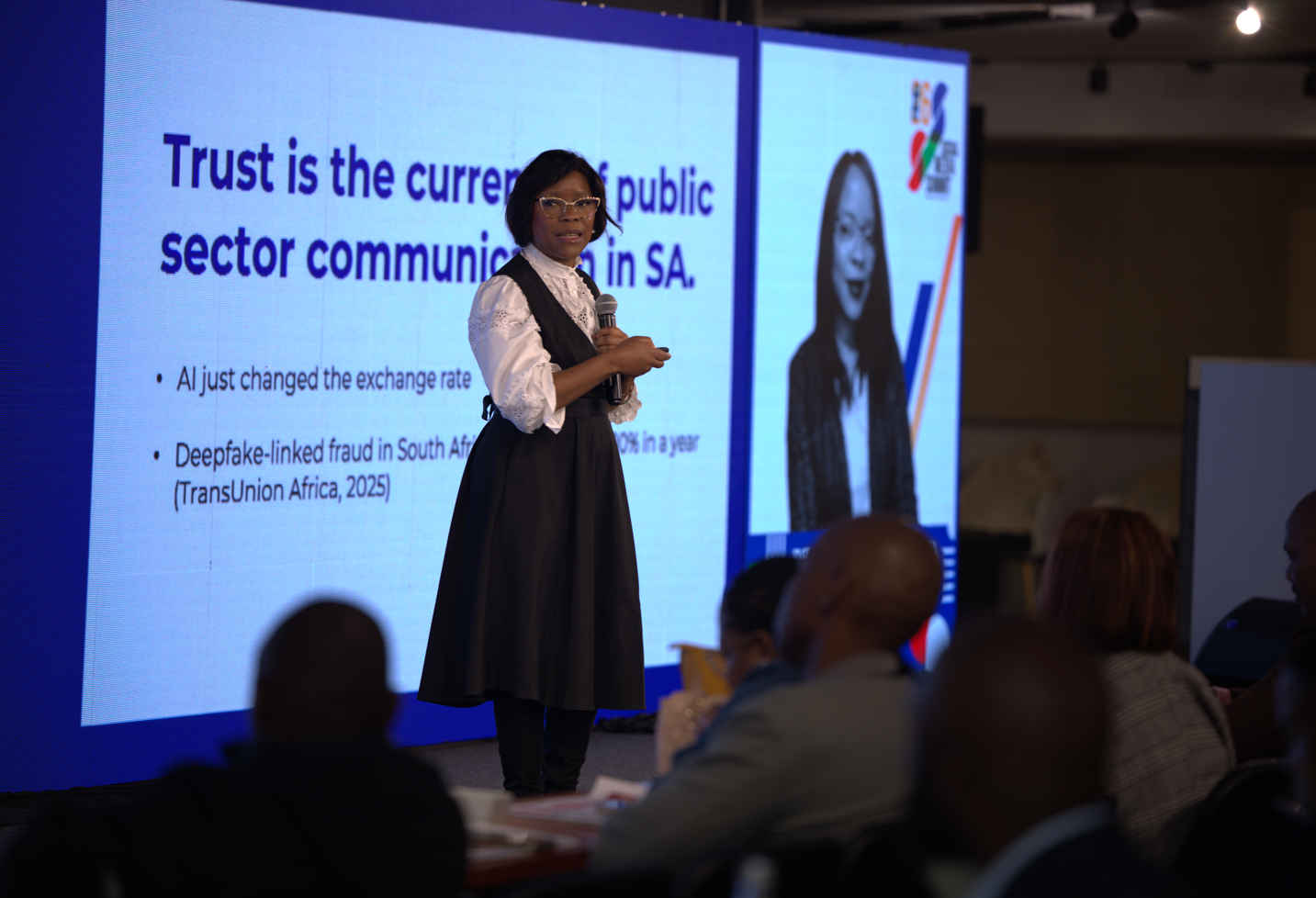
Dr Caroline Azionya, President-Elect of PRISA focused on the weaponisation of Public Relations (PR) and communication, particularly in the rise of AI-generated synthetic media for criminal purposes. Key points included the affordability of large language models, the proliferation of unethical spin doctors, and the concept of poly-crisis exacerbating trust issues. The conversation highlighted difficulty in detecting deepfakes, with only 1% of people in a 2025 study correctly identifying them. She emphasised the importance of human oversight and professional standards in PR, along with the need for government accountability and the Africa Declaration (to be formally launched next week) to establish ethical communication practices across Africa.
“As a responsible and ethical communicator, you need to ensure that when you are communicating, you create value and do not bring harm to a society. Accredited systems can regulate who can practice the occupation. This means you can always go back to the source and trace people.”
A panel discussion unpacking AI and HI as the new engine of public trust was chaired by Professor Mandla Radebe, Strategic Communications Lecturer at UJ. Muzi Dladla, Executive Manager, Stakeholder Management at Sasria, Professor Busani Ngcaweni, Director of the Centre for Public Policy at JBS, and Dr Chris Mahlathi, Senior Engineer from CSIR, shared their expertise. They discussed the intersection of social behaviour and AI, emphasising the importance of human judgment in AI applications.
Giving the keynote address, Honourable Solly Malatsi, Minister of Communications and Digital Technologies, shared insights on AI, digital inclusion for citizens, and meaningful connectivity. He emphasised the need for a digital state that is inclusive and accessible to all.
“We shouldn’t be asking citizens to be digitally literate in an environment that was deliberately made to be ineligible.”
The Minister highlighted the challenges faced by those without access to data or communication infrastructure, stressing that a digital state must be trustworthy and effective in reaching its citizens.
“It is possible to imagine a citizen having a one trusted point of entry into public services. It is possible to imagine a state that uses digital public infrastructure to eliminate duplication, friction, and confusion. It is equally possible to imagine digital identity, data exchange, service discovery and secure transactions working together simply.”
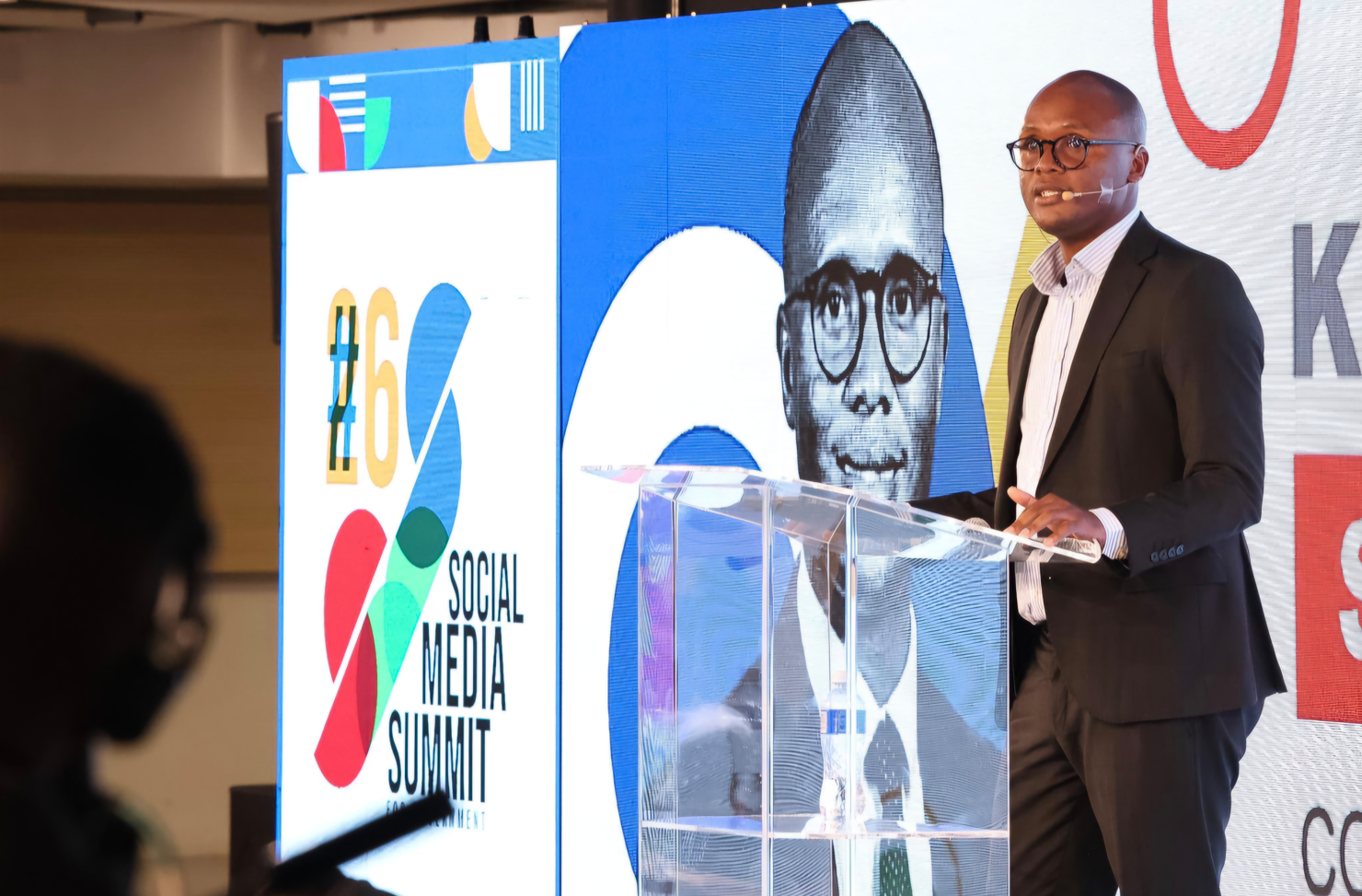
He also touched on the role of social listening, the impact of misinformation, and the responsibility of technology companies in building a safe and productive digital environment. The Minister called for partnerships, accountability, and responsible self-regulation to ensure digital services are accessible to all South Africans.
The two-day summit was packed with industry leaders who provided great insight into AI and communication.
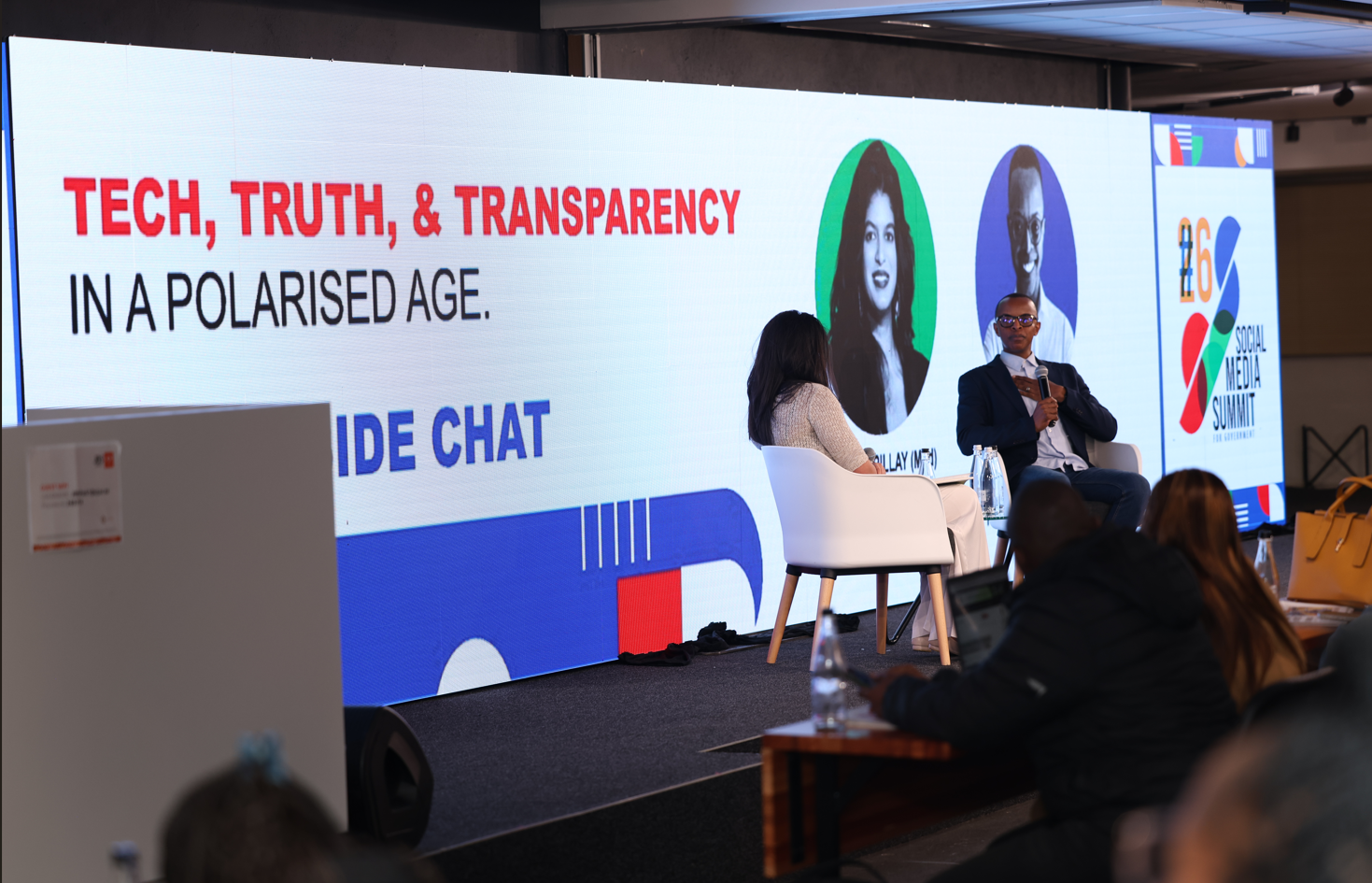
Botshelo Baloyi, Founder and CEO of Umkho AI gave a presentation on AI for the Public Sector, an insightful Fireside Chat on Tech, Truth, and Transparency in a Polarised Age took place between Kavisha Pillay from Campaign On Digital Ethics (CODE) and Google South Africa’s Government Affairs and Public Policy Manager, Sipho Mthombeni.
The International Keynote was presented by Professor Martin Emmer from the Freie Universität Berlin and Principal Investigator, Weizenbaum Digital Science Center in Germany on the Consequences of the AI Revolution on Political Social Media Engagement. Mongezi Mtati, Senior Brand Strategist at Rogerwilco and Host of Lead Creative Podcast presented on the Attention Economy. A robust discussion on decoding how social media has disrupted mainstream newsrooms and is rewriting the rules of journalism and a panel discussion on Crisis Communication: AI, Speed and Sensitivity also formed part of the programme.
To close the summit, Lorato Tshenkeng reflected on Collaboration as South Africa’s Superpower. He also added that the first Social Media for Government awards will be taking place next year to honour and inspire those working hard and making a difference in the industry.