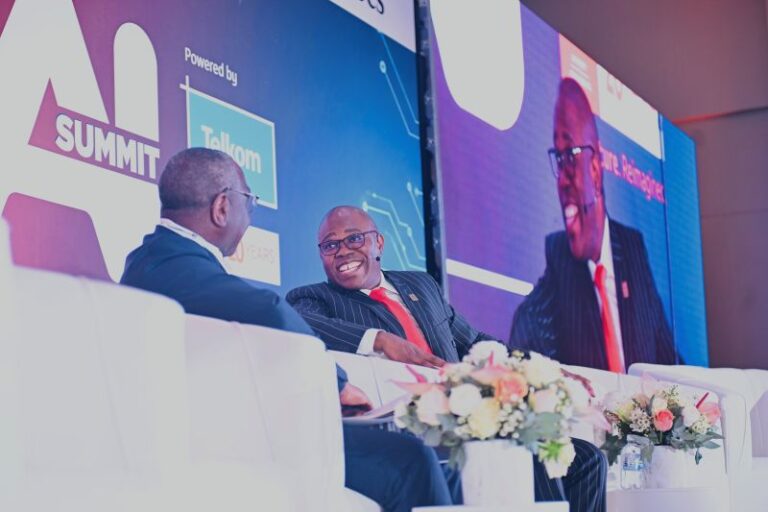
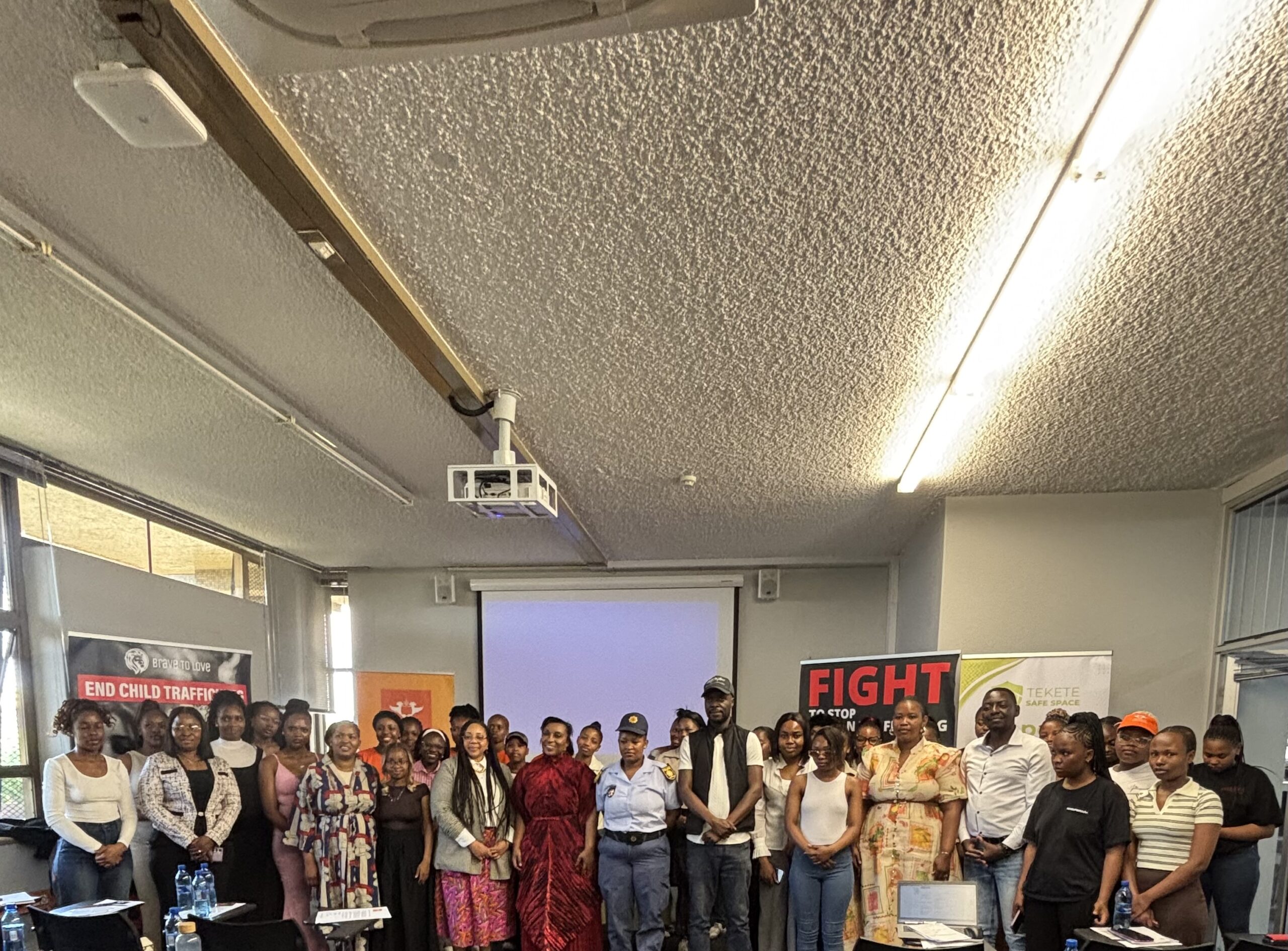
The School of Consumer Intelligence and Information Systems (SCiiS) within College of Business and Economics (CBE) at the University of Johannesburg (UJ), hosted recently a high-level executive roundtable on Artificial Intelligence policy, ethics and innovation
UJ reinforced its role as a leading convener of critical national conversations by hosting an Exclusive C-Suite Roundtable Discussion themed: SA Artificial Intelligence Unfiltered, a high-level engagement that brought together leaders from government, industry, academia and regulatory bodies to discuss the future of Artificial Intelligence (AI) in South Africa.
The roundtable provided a collaborative platform for senior decision-makers to engage on the opportunities, risks and responsibilities associated with AI adoption and governance. Participants represented sectors including technology, financial services, telecommunications, consulting, law, infrastructure, academia and the public sector.
At a time when countries around the world are accelerating their AI strategies, the discussions focused on how South Africa can harness AI to drive inclusive economic growth, strengthen public services and remain globally competitive, while ensuring that innovation remains ethical, responsible and people-centred.
Human Values at the Centre of AI
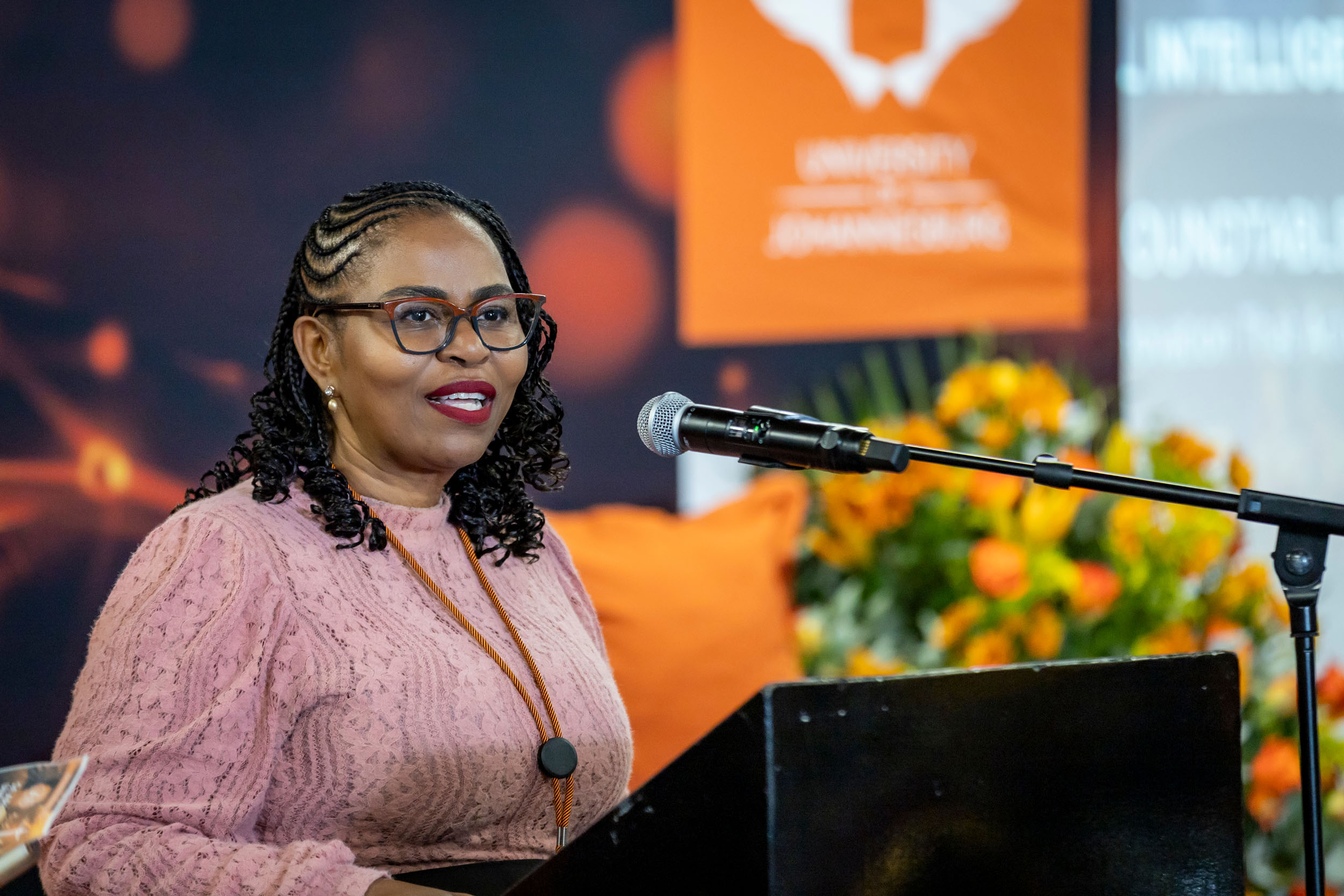
In the opening address, Professor Stella Bvuma, Director of SCiiS and Chairperson of the Board of the State Information Technology Agency (SITA), emphasised the importance of bringing diverse voices together to shape South Africa’s digital future.
She highlighted the value of convening AI specialists, policymakers, legal experts, academics, government representatives and business leaders in one room to address the complex challenges and opportunities presented by AI, and UJ is a better place to create such platforms.
Professor Bvuma stressed that meaningful progress in the AI era will require collaboration across sectors, forward-looking policy and regulation, innovation-driven leadership and a commitment to ensuring that technological advancement benefits all South Africans.
In her address, she underscored the importance of a human-centred approach to AI:
“We gather here not to fear artificial intelligence, nor to worship it, but to ensure it serves the grandeur of the human person.
Technology is never neutral. It will reflect the values of those who build and guide it. Let this gathering be a commitment that our AI journey in South Africa and on our continent places human dignity, the common good and shared humanity at the centre.”
Six Strategic Themes for South Africa’s AI Future
Discussions were structured around six key themes identified as critical to the country’s AI readiness and long-term success:
The first theme is Capacity and Talent Development. The second is AI for Inclusive Growth and Job Creation. The third pillar then focused on Responsible Governance, encompassing risk and data privacy. The fourth pillar is ethical and Inclusive AI. The fifth pillar is Cultural Preservation and International Integration, addressing AI sovereignty and global cooperation. Finally, the sixth pillar is Human-Centred Deployment which covers public-sector AI and AI transparency.
These themes explored issues ranging from skills development and workforce readiness to governance frameworks, cybersecurity, digital sovereignty and citizen-centred implementation.
Participants highlighted the importance of ensuring that AI solutions are not only technologically advanced but also socially relevant, inclusive and responsive to South Africa’s developmental priorities.
Aligning Local Ambitions with Global Developments
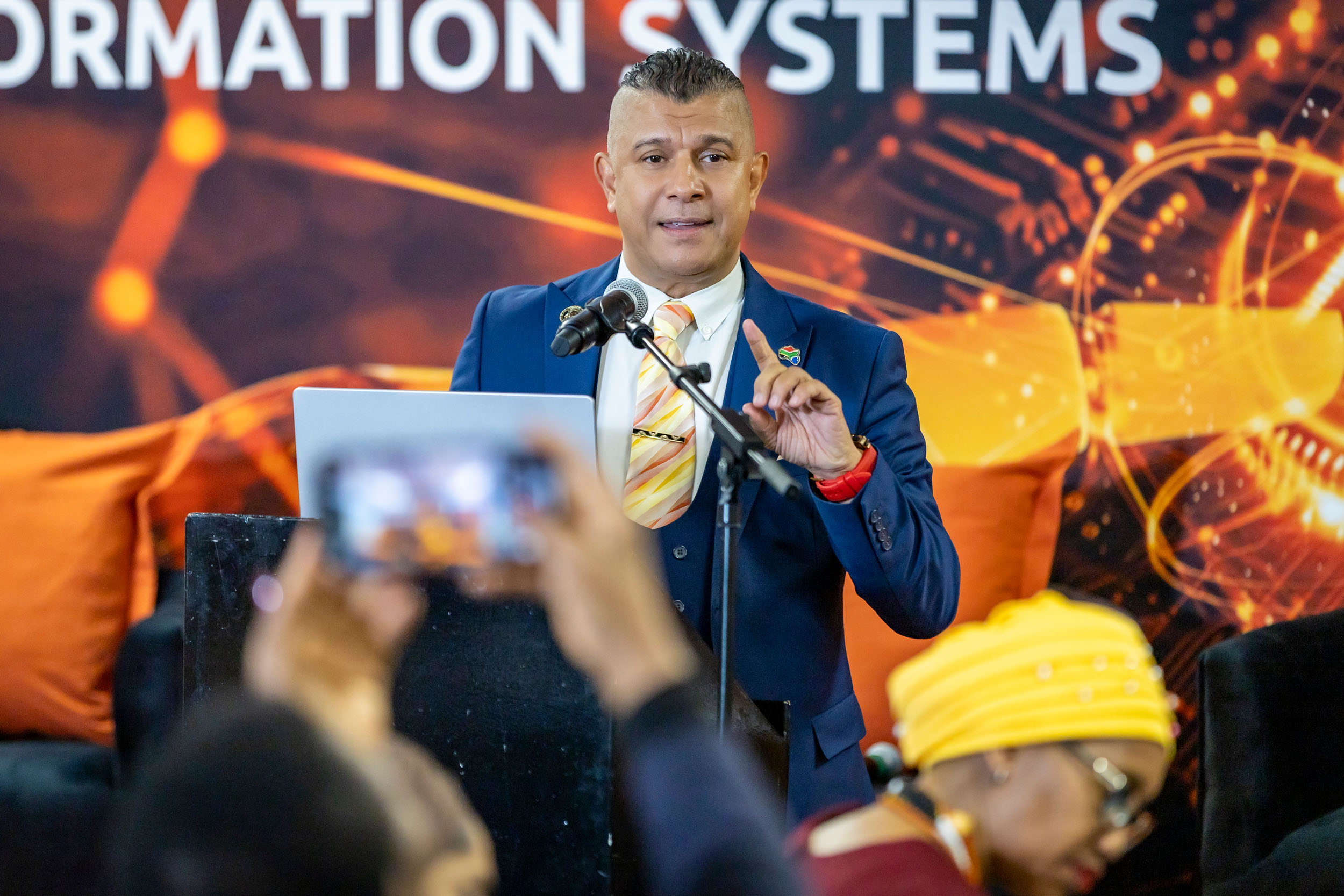
Craig Meyer, Director for Emerging Technologies at the Department of Communications and Digital Technologies (DCDT), outlined government’s approach to developing a national AI policy framework.
He emphasised the need for a policy environment that promotes innovation, strengthens national capability and supports inclusive economic growth. Meyer also noted that South Africa has an opportunity to play a leadership role on the continent, with several African countries looking to South Africa for guidance in shaping their own AI strategies.
Governance, Ethics and Accountability
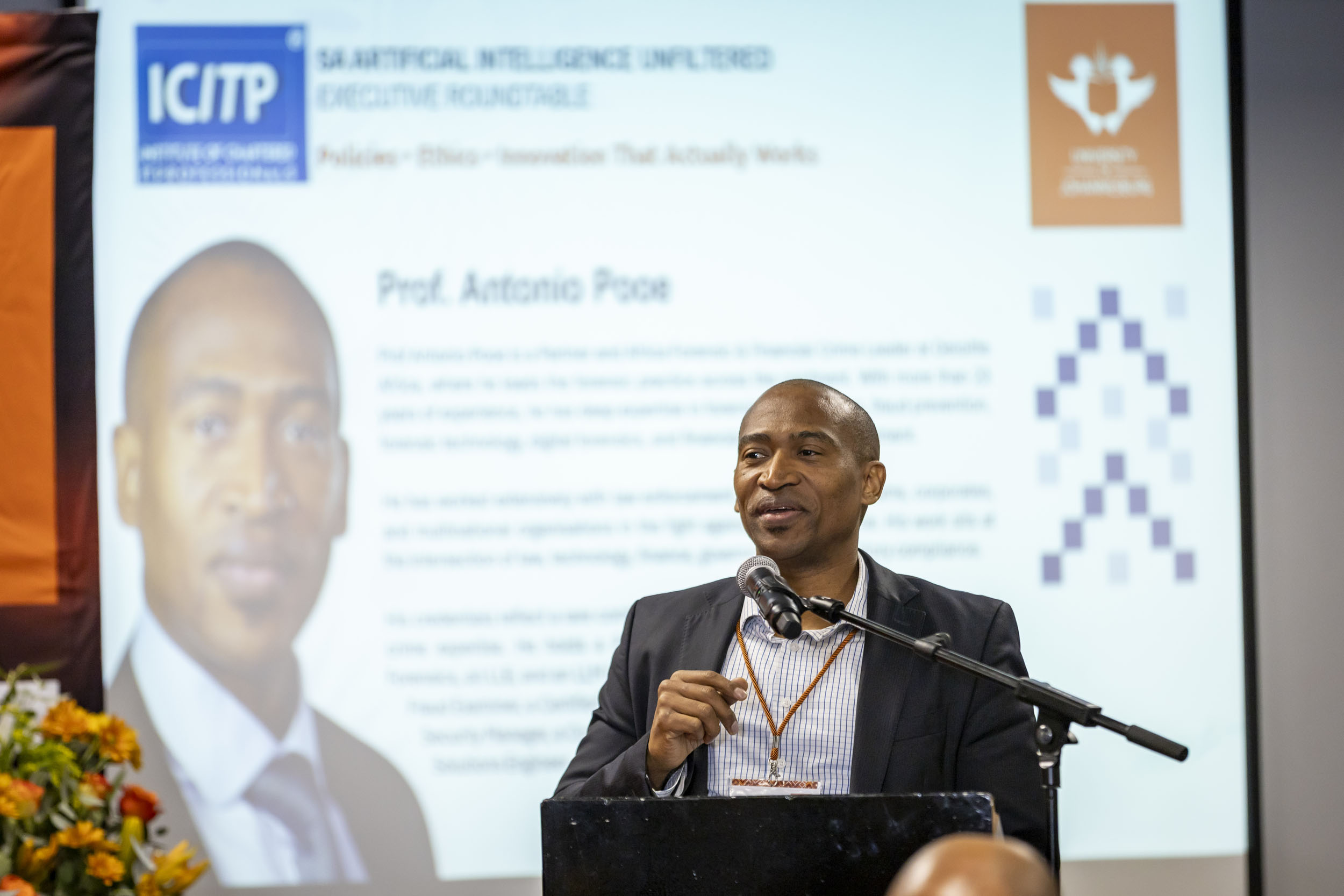
The discussions highlighted the growing importance of governance and accountability in AI implementation.
Prof Antonio Pooe (Professor of Practice at UJ), Partner and Africa Forensic and Financial Crime Leader at Deloitte Africa, stressed the need for organisations to build governance and forensic readiness into AI systems from the outset, warning that poorly governed AI can amplify risks and unintended consequences.
Similarly, John Bosco Arends, Chairperson of the Chartered CIO Council, reflected on the evolving responsibilities of technology leaders and the need for professional standards that promote ethical AI development and deployment.
Ensuring AI Works for People
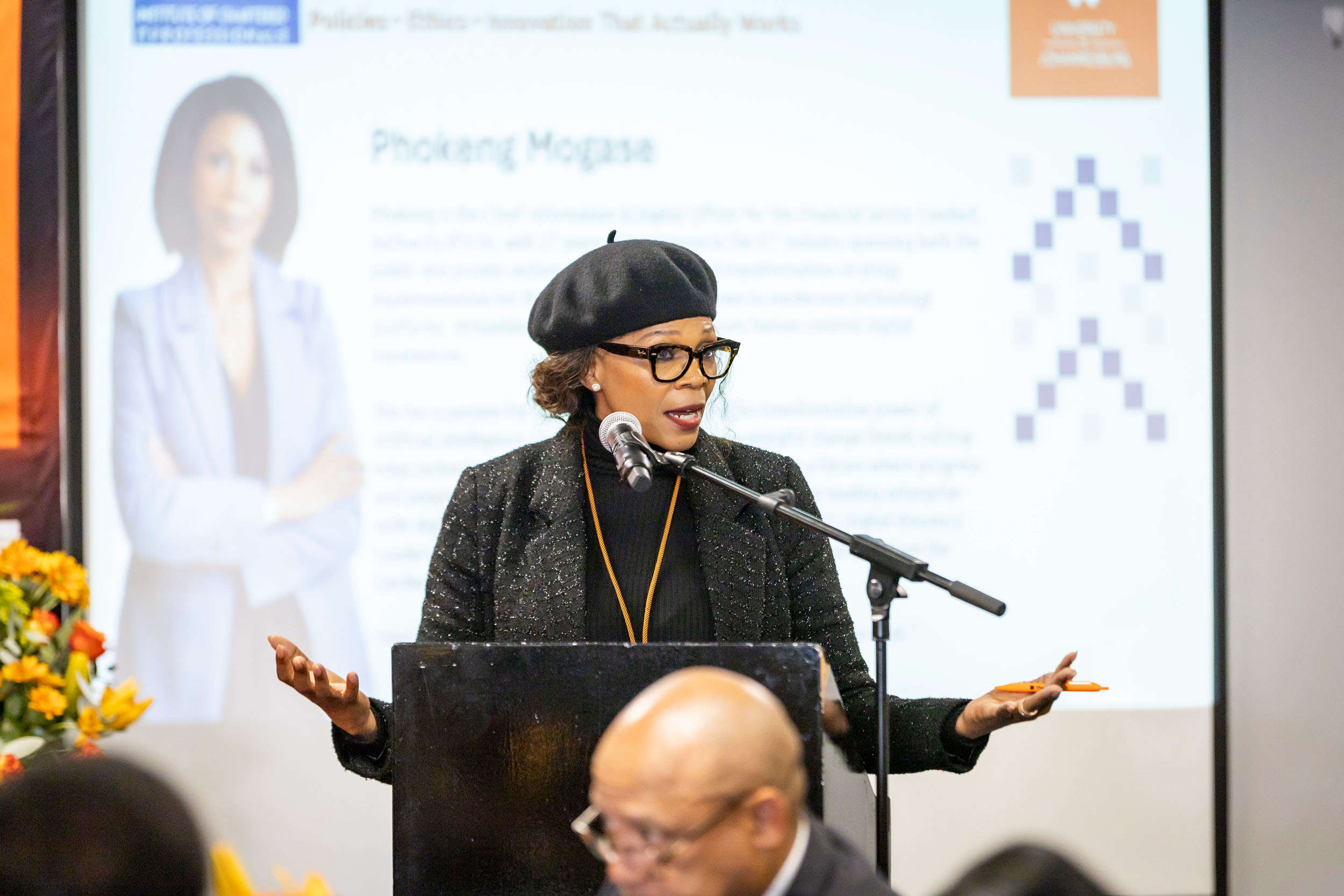
Leading the discussion on human-centred deployment, Phokeng Mogase, Chief Information and Digital Officer at the Financial Sector Conduct Authority, emphasised the importance of designing AI solutions that place people at the centre.
She advocated for inclusive design approaches that involve citizens and communities in shaping technologies that affect their lives, ensuring that the benefits of AI are broadly shared across society.
Preserving Culture and Fostering AI for Economic Growth
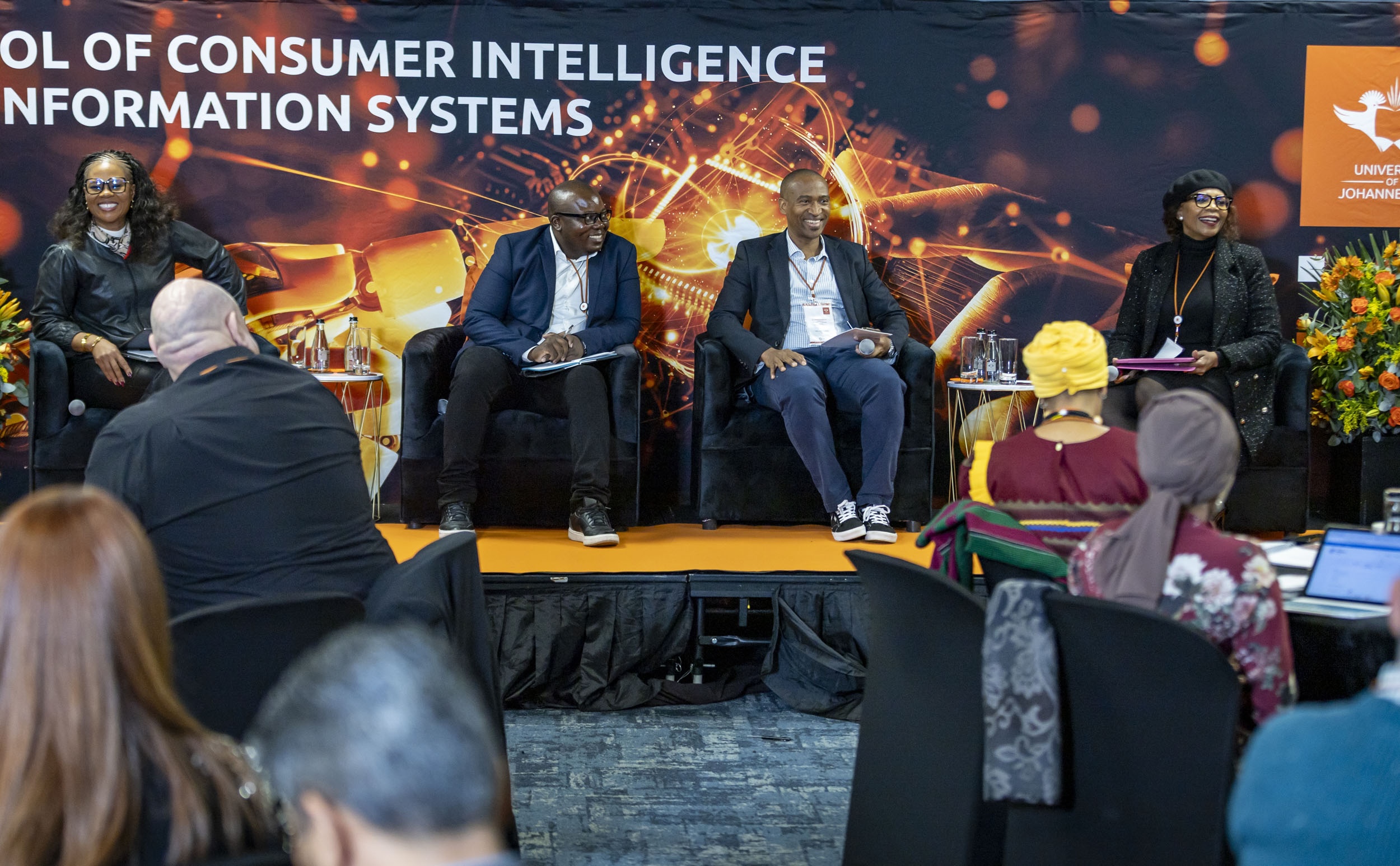
Dr. Tshifhiwas Maumela, Councillor at the Independent Communications Authority of South Africa (ICASA), addressed cultural preservation, including the ways in which societies interact with the systems developed in the AI era. He further emphasised the importance of evaluating AI outputs for both accuracy and truthfulness, while also highlighting the need to harness the full potential of AI sovereignty.
Veronica Motloutsi, Digital Transformation and Innovation Group Executive at the Small Enterprise Development Finance Agency (SEDFA), highlighted the potential of AI as a powerful equaliser for businesses, emphasising that adoption must be accessible and affordable to ensure broad participation. “It can become a tool for real competitiveness, real savings, and real growth,” she stated. She further stressed the urgency, noting: “We must urgently cultivate a resilient national innovation system,” emphasising the importance of partnerships with universities, where start-ups can safely and feasibly test and scale their solutions.
The dialogue was expertly facilitated by Advocate Dirontsho Mohale, Chief Privacy, Legal, Compliance and Executive Officer at Baakedi Professional Practice, and Rodney de Koch, Advisory Board Member at the University of Johannesburg’s Technopreneurship Centre (SCiiS) and Chairman of Rhodes University’s Information Systems Advisory Board. They steered a robust engagement, effectively drawing out quality insights from the discussion. Ike Phaahla, Host and Communication Specialist at Radio 2000, served as Master of Ceremonies, setting an exceptional tone for the event.
From Dialogue to Action
Insights and recommendations emerging from the roundtable will be consolidated into a comprehensive submission to the Ministry of Communications and Digital Technologies, contributing to the development of South Africa’s evolving AI policy framework.
The initiative reflects UJ’s ongoing commitment to advancing research, innovation and public dialogue on technologies that will shape the future of society.
Through platforms such as the SA Artificial Intelligence Unfiltered Executive Roundtable, the University of Johannesburg continues to create spaces where diverse stakeholders can collaborate on solutions that are innovative, responsible and aligned with South Africa’s development aspirations.
As AI continues to transform economies and societies worldwide, the message emerging from the roundtable was clear: South Africa’s AI future must be driven not only by technological advancement, but by a shared commitment to ethics, inclusion and human-centred innovation.