Many South African export businesses are under increasing duress from shifting trade rules and extreme weather. In the midst of this, sustainability reporting can be seen as a ‘grudge purchase’. However, for some organisations, it can be a tool for seeking opportunities in a volatile and uncertain environment – if sustainability is truly embedded in business models.
“Many argue that sustainability costs money, but with many changes in the natural environment, geopolitics, and climate disasters, the cost of doing nothing will far exceed the cost of implementing integrated sustainability thinking in an organisation,” says Dr Milan van Wyk.

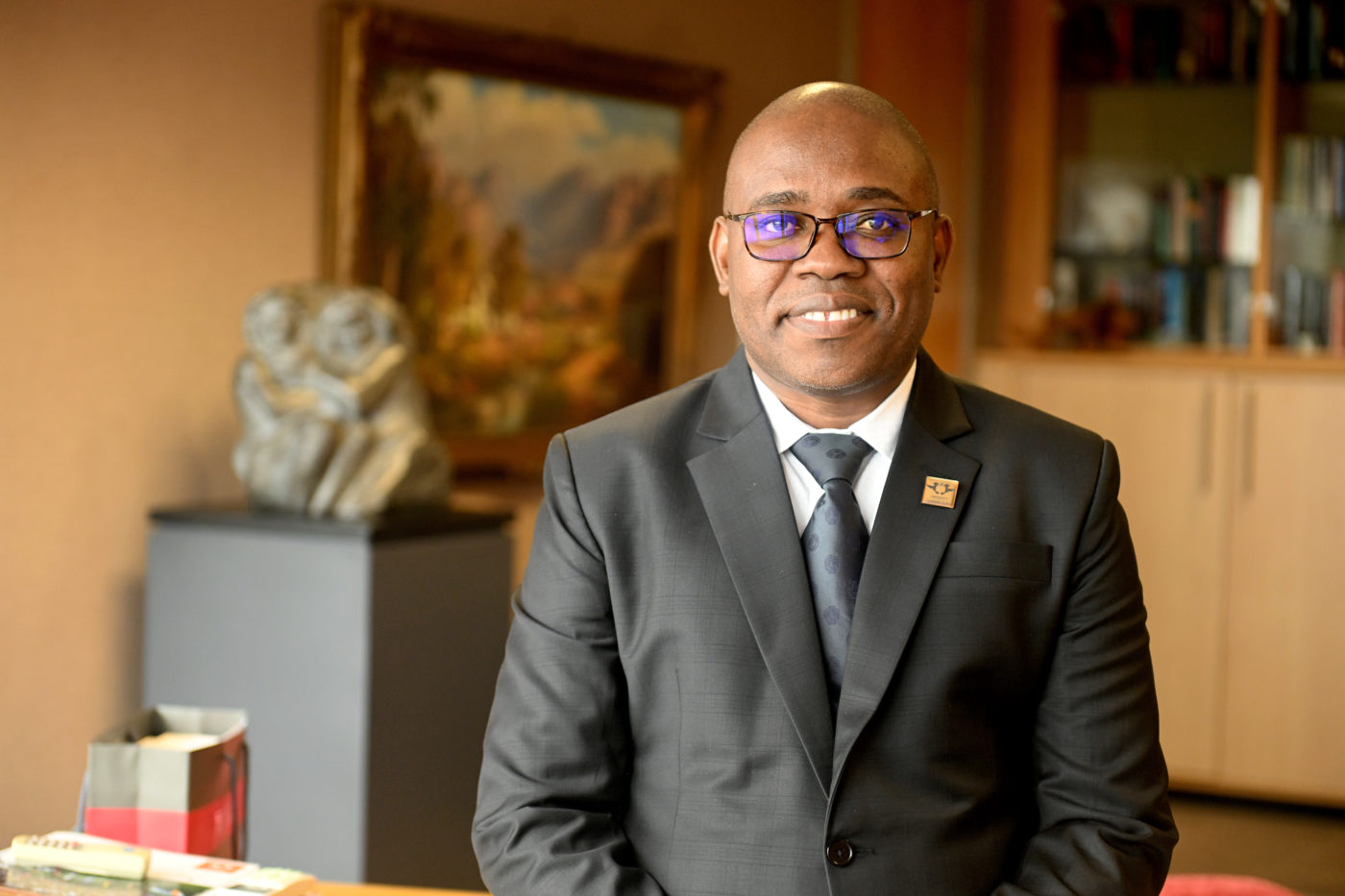
Dr van Wyk is a senior lecturer in the University of Johannesburg’s Department of Accountancy, within the College of Business and Economics. His doctoral thesis shows how intellectual capital can be used to create sustainable value. Sustainability reporting is central to this.
“Companies can use sustainability reporting as a mechanism to unlock funding for business growth,” he adds.
“Many banks and investment institutions are focused on increasing their exposure to sustainability funding and investments. This creates opportunities to access these funds – if a company provides reliable information in its sustainability reports to showcase a commitment to sustainability and decarbonization strategies.”
Recently, the South African Institute of Chartered Accountants (SAICA) appointed Dr van Wyk for a three-year term on its Sustainability Technical Committee.
His role is to upskill professionals to understand the impact of sustainability on businesses and to enable them to incorporate it into their business models to create value.
“For me, the shift in thinking towards sustainability is more important than the reporting. Incorporating sustainability into business models is becoming a necessity, especially if South Africa wants to remain competitive globally,” he says.
Sustainability should push companies towards thinking differently, so they become more adaptable to changes around them, he adds. A good example of these changes is the carbon border adjustment mechanism (CBAM) that the EU, South Africa’s largest trading partner (about 20%), will impose on South Africa.
“If you look from a CBAM perspective, base metals, including steel and alloys, will be quite heavily affected by the additional carbon taxes on exports to the EU. If companies do not adapt by decarbonising their operations, they could risk losing significant exports to the EU over the medium term, which can have a significant risk for the economy. This could lead to a reduction in GDP and job losses in these sectors,” he says.
Meanwhile, sustainability reporting faces its own uncertainties. A wide variety of frameworks and metrics are in use globally, which makes comparability difficult. The IFRS Foundation, through the International Sustainability Standards Board (ISSB), has issued its first two sustainability standards to provide a global baseline. In South Africa these remain voluntary for now, with mandatory adoption possible in the near future.
Exporters to the EU also need to understand the impact of the EU’s Corporate Sustainability Reporting Directive (CSRD) and Corporate Sustainability Due Diligence Directive (CSDDD) if exporters become part of the EU reporting companies’ value chain, Dr van Wyk adds.
Another critical export sector affected by sustainability is agriculture, he says. “They are inherently exposed to the weather patterns and significant climate events.”
Flooded fields delay planting. Overflowing riverbanks can wash away vineyards and orchards planted too close. Damaged roads and port delays add to the strain on logistics, he adds, making harvested produce extremely difficult to transport.
“The opposite is expected to happen with the looming ‘monster’ El Nino weather phenomenon that is heading to South Africa this summer.” Agricultural organisations must plan proactively for severe drought and heat, with government and farmers working together to support the agricultural ecosystem.
Implementing sustainability is in the hands of executives, he says.
“Sustainability should become a standing discussion point within boardrooms and be embedded in companies’ business models, rather than just seen as compliance with changing regulations,” Van Wyk says.
“To achieve sustainability with impact, organisations will require a dedicated effort to work across silos. It will mean working purposefully with government, regulators, suppliers, customers and society.”