Some South African cultures are rapidly losing their traditional knowledge of medicinal use of indigenous plants, particularly in the Cape. While many of the plants are threatened, the people who still hold centuries-old wisdom about their healing uses are going extinct themselves.
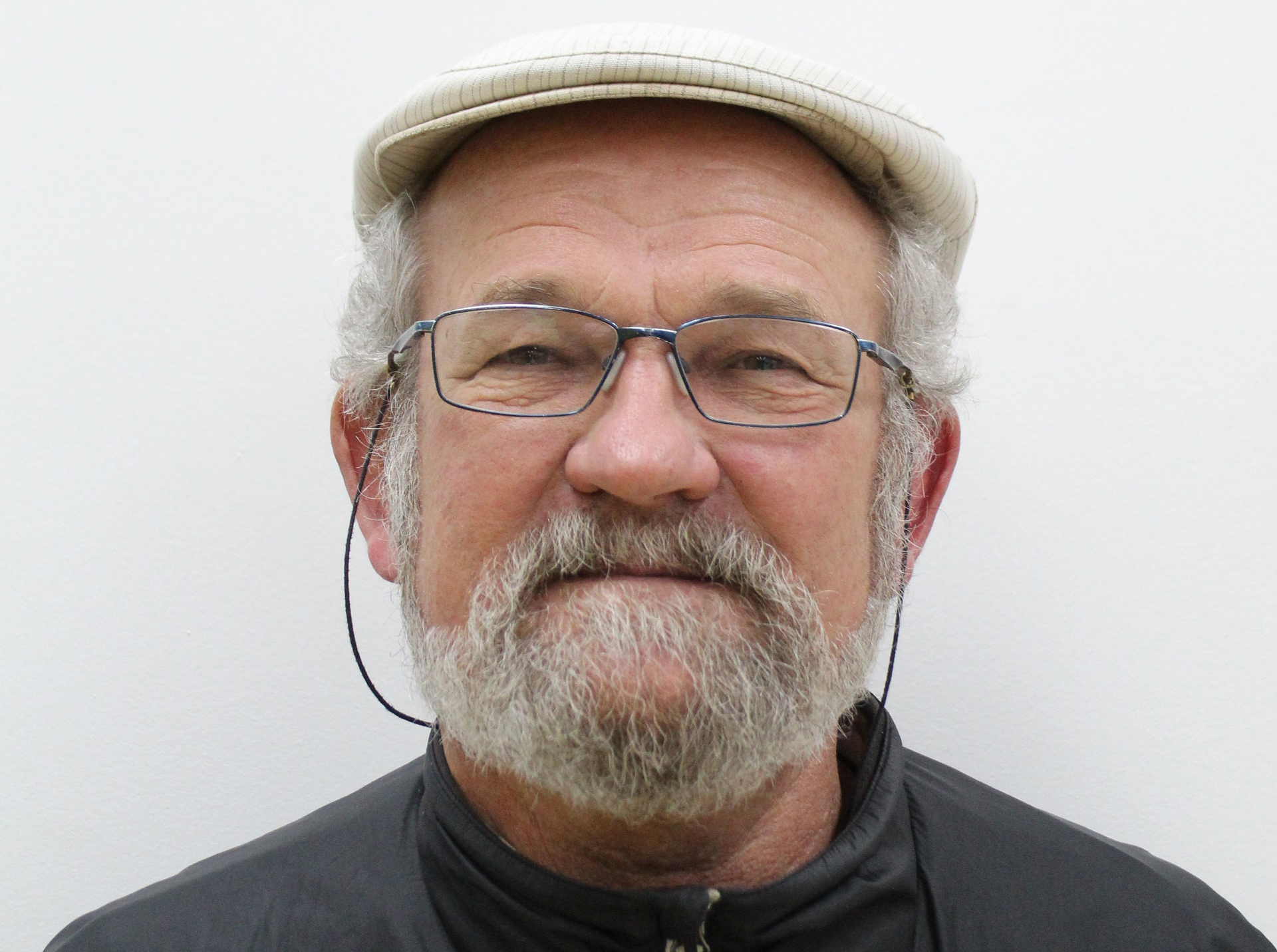
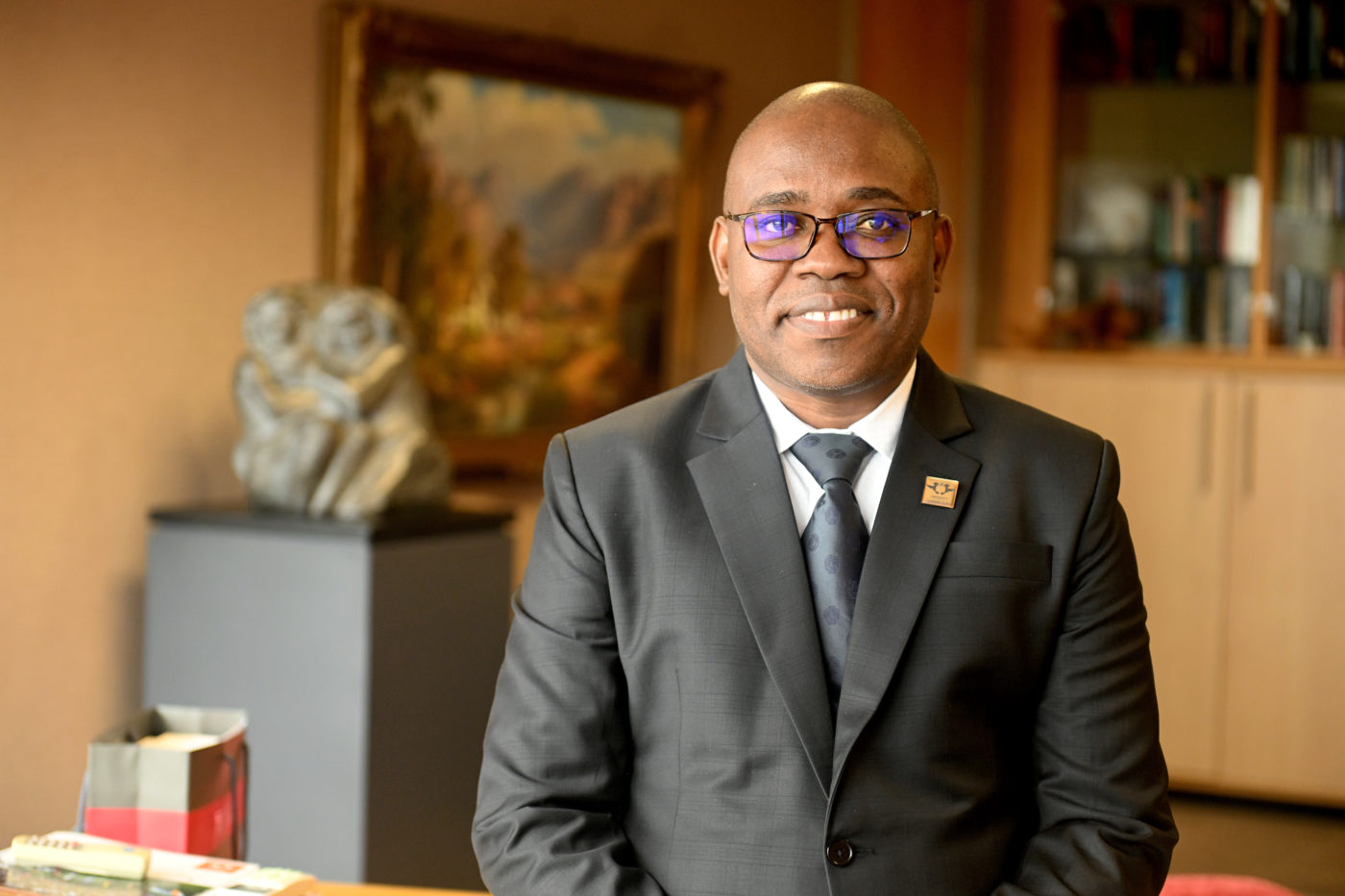
At the SARChI Chair in Indigenous Plant Use, researchers are racing time and the frailty of elderly healers to preserve this ancient knowledge. Prof Ben-Erik van Wyk holds the Chair, based in the Department of Botany and Plant Biotechnology at the University of Johannesburg (UJ).
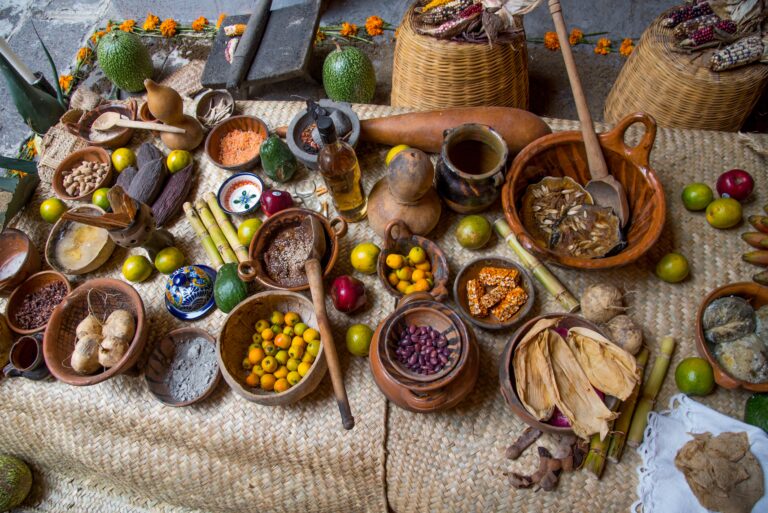
At the Faraday Market in Johannesburg, not far from the UJ Doornfontein Campus, many people buy and sell plants used in traditional medicines. Every now and then, Prof van Wyk takes his students there to buy muti plants. But in other parts of South Africa, only a few old people with knowledge of the muti plants around their hometowns are left.
Genadendal in the Cape is such a place. The town had the first double story building and the first pharmacy outside of Cape Town. It also happens to be a centre of Khoi culture. When Prof van Wyk visited it, he asked who could tell him about the muti plants, also known as ‘bossies’ or small bushy plants, from there. “Tannie Maria died last year and no-one knows about bossies anymore,” they told him.
A similar thing happened when he went to Kamiesberg, a centre of Nama traditional knowledge. There he met the last few “bossiedokters”, the people who know how to make medicine from bossies. Although a lot of information was recorded, a large part of their knowledge died with them. One in particular, Gert (Joelk) Dirkse, had a rich knowledge of ancient Nama medicinal traditions.
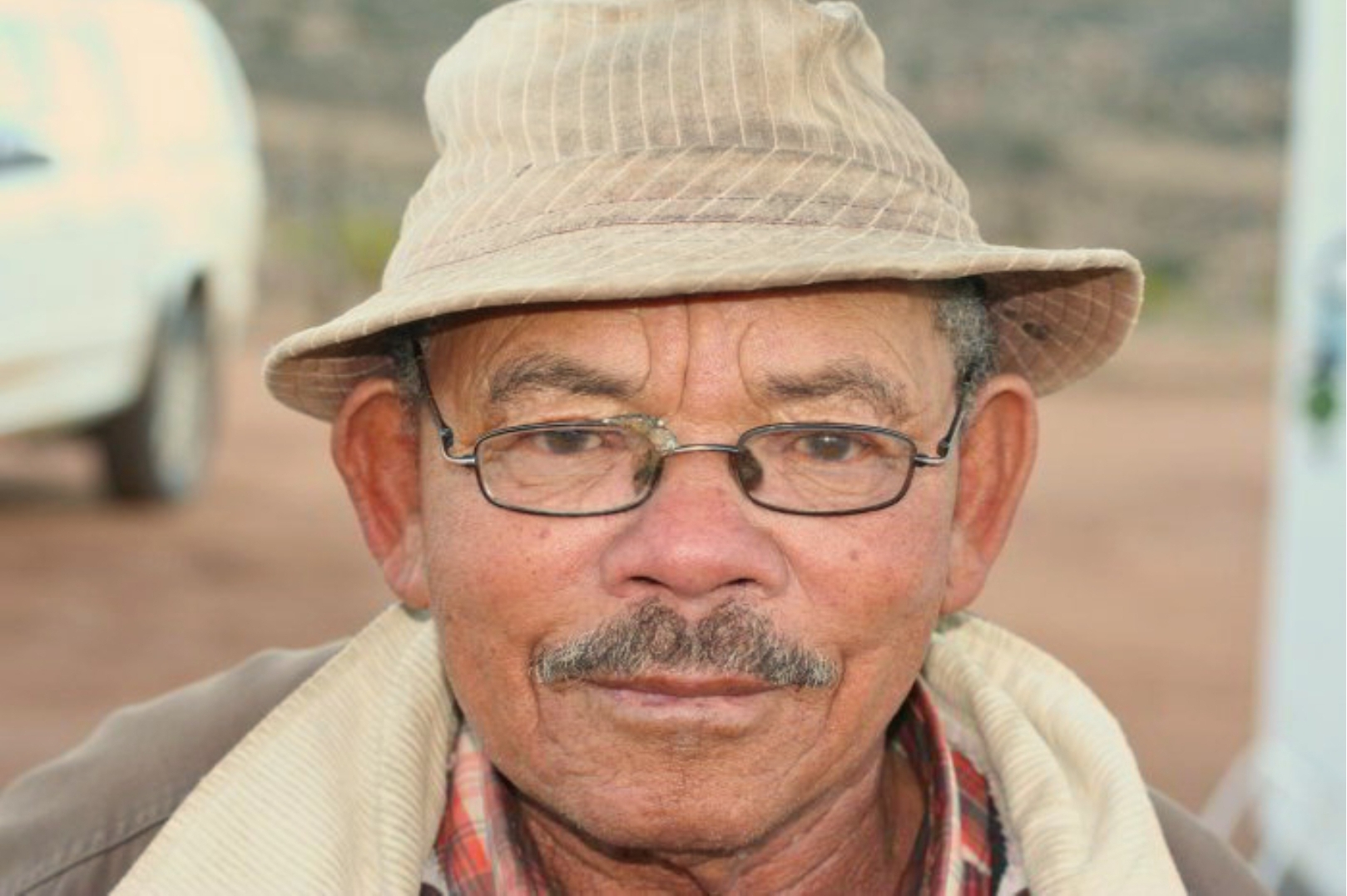
When he visited Melkhoutfontein, he was happy to find that there were people in their sixties who knew how to make medicines from the indigenous plants that grow there in the Stil Bay region.
Mystery cure for a stab wound
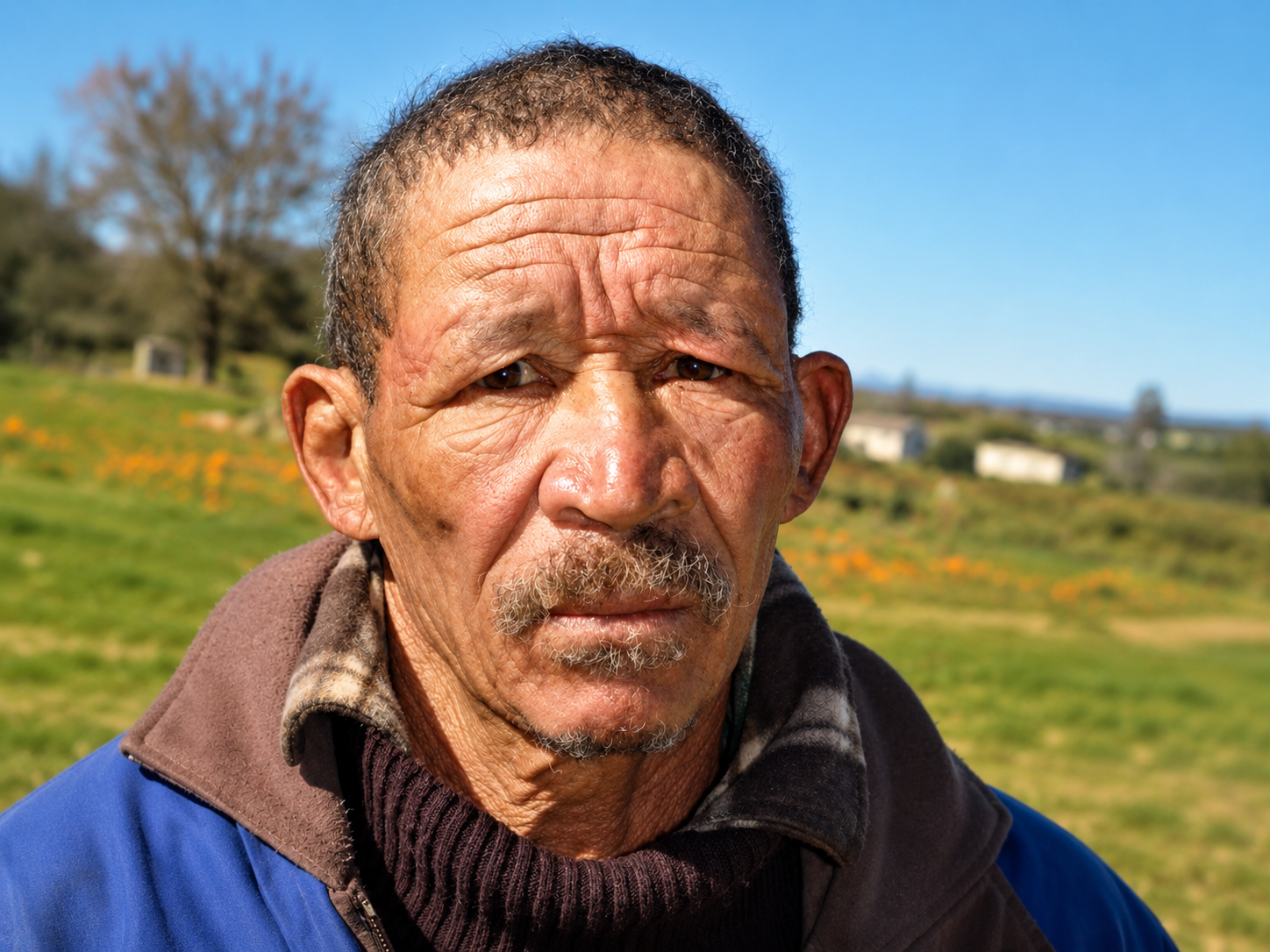
On a farm near Nieuwoudtville, Prof van Wyk met Mr Willem (Blikkies) Steenkamp, who worked there. Although Steenkamp was not a bossiedokter, his father, who was a Bushman, taught him about using plants from childhood.
“When I met Blikkies Steenkamp, I was most impressed by his very exact knowledge of plants and their uses. Blikkies is remarkable – he has extremely precise prescriptions of what plants you can use for what purposes, and what plants you cannot use.”
It was Mr Steenkamp who solved a mystery. There was a traditional medicine no-one could explain properly at the time. No-one knew how to use it or what it could do, says Prof van Wyk.
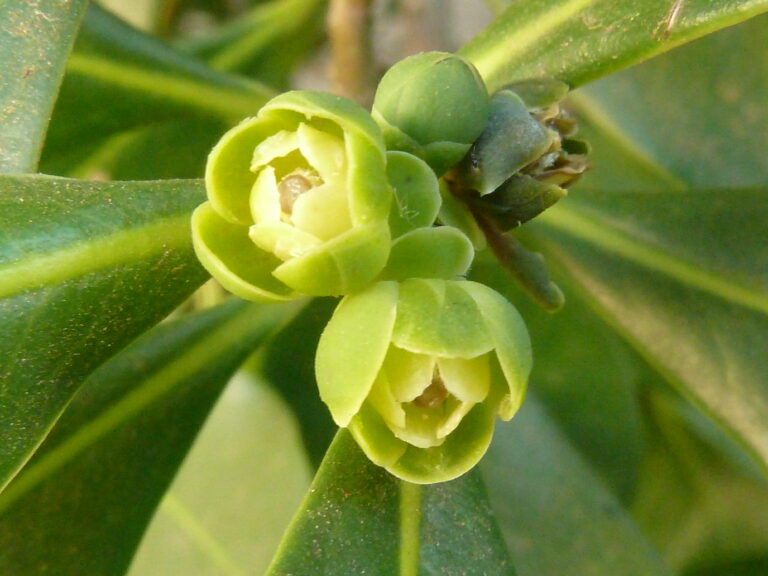
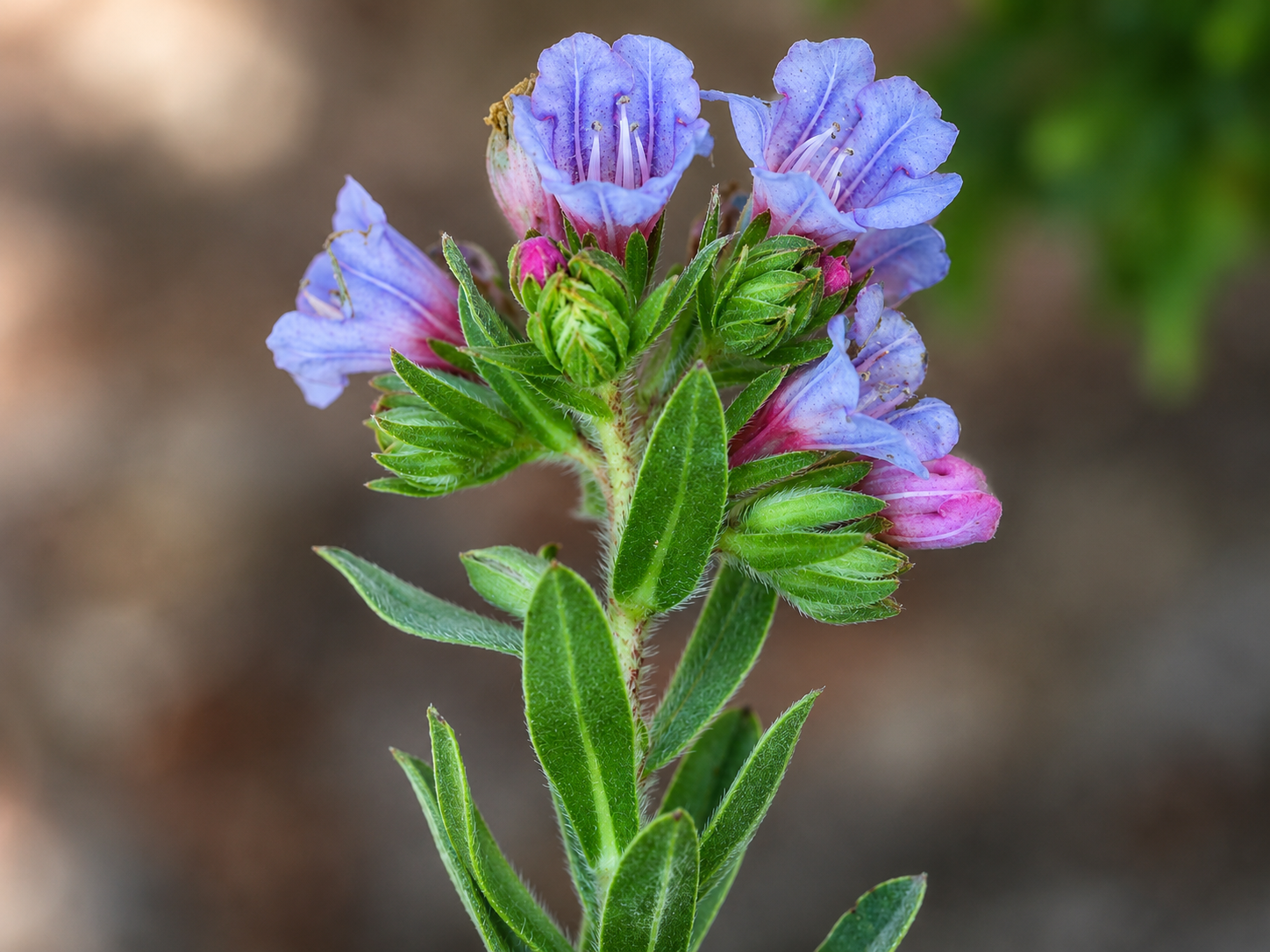
“Blikkies explained that Agt-dae-geneesbos (Bush that heals in eight days) is the traditional Khoi-San plaster for wounds such as knife stab wounds. He gave me the most remarkable and complicated prescription, that makes absolutely perfect scientific sense.”
Someone needs to pick some Agt-dae-geneesbos and give it to the person with the stab wound. The wounded one then needs to chew the leaves very thoroughly, until it becomes a slimy green pulp. Then the healer pastes the green poultice on the wound.
“Within thirty minutes to an hour, the pulp turns into a beautiful elastic brown plaster, which is difficult to remove. It will stick to the wound for seven days and keep the wound moist. The wound will heal.
“But the guy with the knife wound has to chew his own plaster, Blikkies said, no-one else can do it for him.”
The mystery on why this works was finally solved by an academic in Germany, Van Wyk’s collaborator Professor Michael Wink at Heidelberg University. It turns out that Agt-dae-geneesbos contains pyrrolizidine alkaloids. These chemicals work on the central nervous system and cause large and small blood vessels to narrow (constrict). When the wounded person chews his green plaster, the chemicals in it travel through his mouth into his bloodstream and start slowing down or stopping the flow of blood.
A lifetime learning from traditional healers
Prof Ben-Erik van Wyk was honoured with the prestigious Lifetime Award at the NSTF-South32 Awards in 2024. Often called the ‘Science Oscar,’ the award recognizes his career as a global authority on the traditional and commercial uses of plants, and more specifically “for his contribution as a botanist and an authority on traditional and commercial uses of plants, with numerous books and publications covering all or most of the socially relevant and commercialised plant species of the world”.
The award recognised the four decades Prof van Wyk has spent unlocking the secrets of indigenous plants. His work in ethnobotany, the traditional uses of plants by local people, is situated at the nexus of cultural heritage and scientific inquiry.
As the DST-NRF SARChI Chair in Indigenous Plant Use, Van Wyk’s work straddles the realms of botany, anthropology and cultural preservation. He is studying what he calls “the most ancient of human plant uses” and dealing with “accumulated wisdom about the properties of plants gained through hundreds of thousands of years of trial and error”.
Prof van Wyk has authored 23 full-colour reference books and over 400 publications, working with both traditional experts and other scientist as vital co-researchers.
The young apprentice
In his travels to visit bossiedokters, Prof van Wyk met a seven-year-old boy who was frequently correcting details in his grandfather’s stories about plant medicines. The grandfather was agreeing with his very young assistant.
“Luckily some people are intensely interested in plants. I have met people who definitely would have been professors in Botany if they could read or write. Nothing gives me more pleasure than sitting with someone like that on a rock in the middle of the Karoo talking about plants, because they’re my intellectual equals. They derive the same pleasure from the discussion, I hope, as I do from theirs,” says Prof van Wyk.
The plants of the Western Cape and the knowledge of how to use them for healing are a treasure trove, he says.
“It is a whole floral kingdom in a small area with 9,000 plant species, of which a large part is only found in the Cape and nowhere else in the world. The local indigenous knowledge about these plants is therefore a precious commodity that should be preserved for future generations.
Preservation before extinction
It’s a race against time to try and preserve what the Cape bossiedokters know, says Prof van Wyk, because the ancient Khoi-San knowledge of Cape herbal medicines is rapidly going extinct.
“It is usually only impoverished rural communities in the Cape that still use plants. Many younger people are shy to admit that they use traditional medicine. They rather go to the pharmacy and buy some tablets.
“The SARCHI research chair in Indigenous Plant Use was awarded because of the extreme urgency to document the indigenous knowledge about the uses of plants, not only in the Cape but also in the many other language and cultural groups. In many parts of the Cape, no-one knows what plant can be used for what purpose anymore.”
Says Prof van Wyk: “The next generation will look back and say ‘what a shame that our parents and grandparents did not record these things, because it is lost now.”