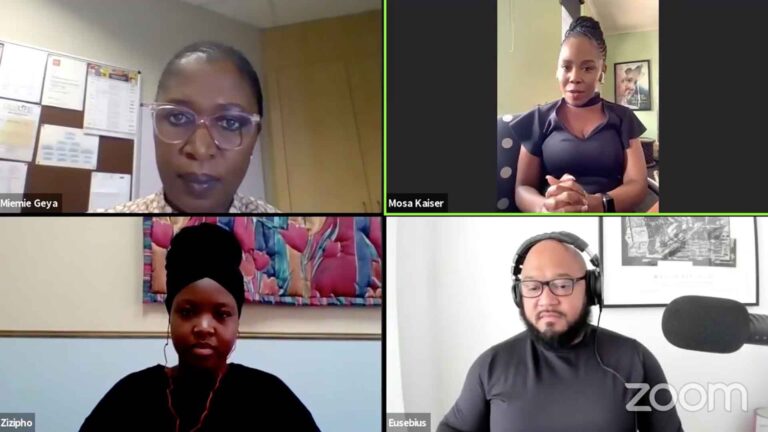
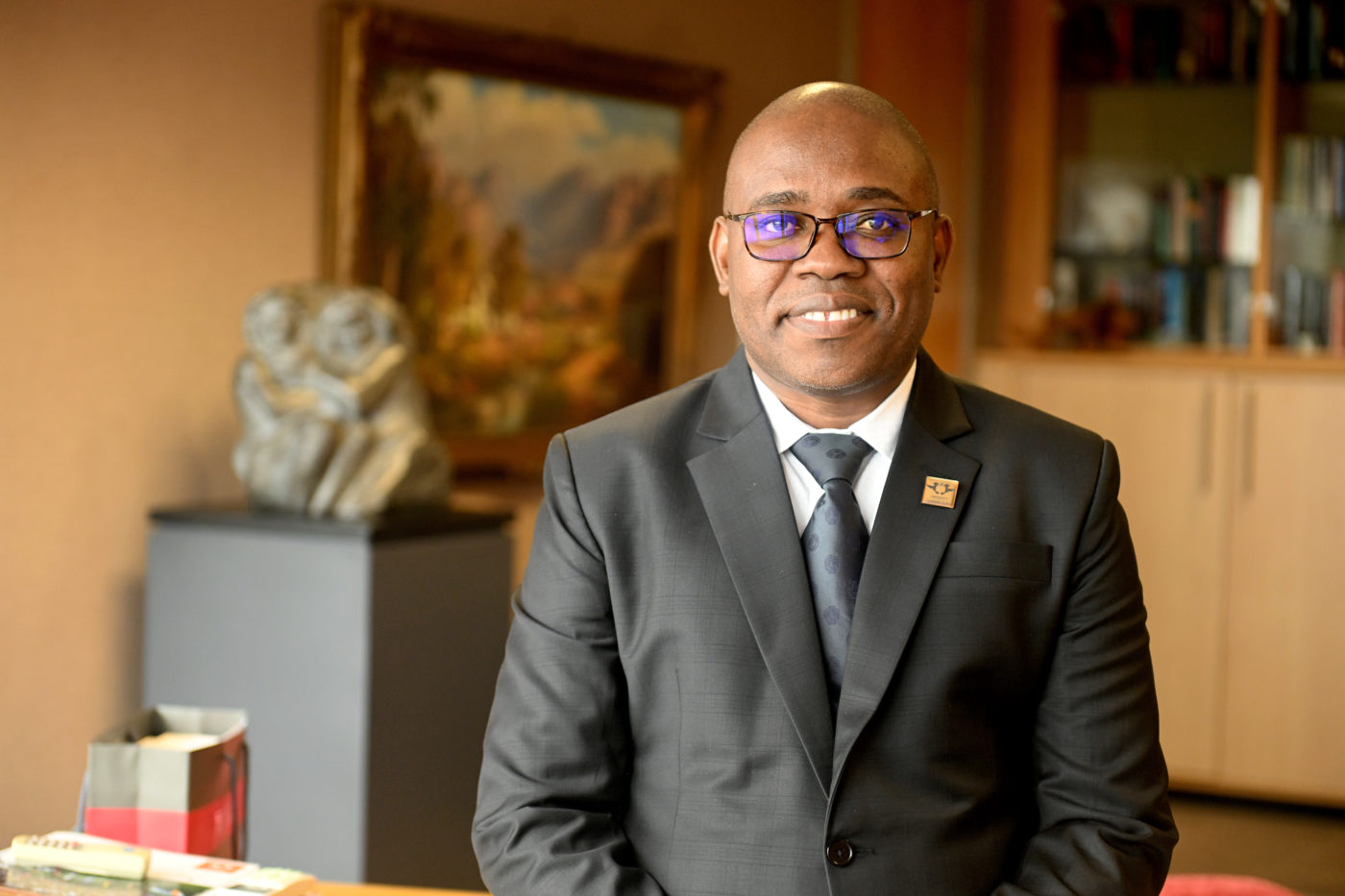
The Johannesburg Business School (JBS), through its Centre for African Business and Internationalisation (CAB), in partnership with Amila Africa, launched its seven-part webinar series, “Doing Business in Africa: Perspectives from the Leaders Building the Continent”, on 10 September 2026. The series brings together business leaders and experts to explore the realities of doing business across Africa, with the inaugural session focusing on “Entering and Competing in African Markets.”
The first webinar featured Neo Mooki, Chairperson of the Botswana Stock Exchange, who shared practical insights on navigating Africa’s diverse business environments. The series aims to create a platform for conversations that capture the experiences, challenges and lessons of leaders building businesses across the continent.
Unlocking Africa’s existing value
Opening the discussion, Philasande Sokhela, Senior Manager of the Centre for African Business at JBS, said the webinar series was designed to address the gap between African business success stories and the knowledge that is formally documented and shared.
The series seeks to capture the decisions made under pressure, setbacks experienced by businesses and the institutional workarounds that have contributed to enterprise success across the continent.
“The purpose is to make patterns behind African enterprises’ success loud, transferable, and ultimately investable” he said.
Mooki challenged the perception that Africa’s development challenge is primarily a lack of wealth. Instead, she argued that much of the continent’s existing value remains underdeveloped because the systems needed to connect and scale that value are not always in place.
“Africa is not poor; It is unmonetised. We have a lot of wealth, but too much of that sits outside the systems that allow value to move, businesses to grow, and people to participate,” she said.
She pointed to Africa’s land, minerals, talent, creativity, young population and entrepreneurial activity as sources of significant value. However, she said these resources require effective infrastructure and systems to translate into sustainable businesses.
These include reliable power and transport infrastructure, digital connectivity, payment systems and reliable financial information. Without this “plumbing”, she argued, businesses can struggle to move from promising ideas to sustainable enterprises.
Africa is not one market
A central message from the discussion was the need for businesses to move away from treating Africa as a single market.
Mooki noted that the continent consists of different countries and commercial environments, each with distinct regulations, consumer behaviours, cultures and business practices. Businesses therefore need to identify a specific market, understand its customers and define the problem they are trying to solve.
“You don’t enter Africa, you earn your way into a specific market through specific customers by solving a specific problem,” Mooki said.
For her, this means listening before investing. Businesses should understand who their potential customers are, what they already buy, what challenges they face, what they can afford and when they are likely to buy again.
Trust is central to market entry
Trust emerged as another important consideration for businesses looking to establish themselves in new African markets.
Mooki highlighted the importance of understanding what customers want, where they already buy and how business is conducted in a particular market, showcasing that money follows trust.
“When you enter a new market, you have to understand where customers already buy, who they trust and how business is done,” she said.
Mooki also urged businesses to approach unfamiliar markets with humility and a willingness to learn from local stakeholders.
“Enter the market with curiosity, not superiority,” she said.
Growth requires more than a good opportunity
Mooki recommended that businesses assess their own readiness before entering a new market. This includes understanding the earnings from each sale, maintaining sound financial records, having reliable systems and ensuring that the business can operate effectively without depending entirely on its founder.
She also discussed the different routes available to businesses seeking to expand, including building operations from scratch, buying an existing business, appointing a distributor, serving customers remotely or establishing a branch.
Each approach carries different advantages and risks. While acquisitions can provide speed and existing capabilities, they can also introduce integration challenges and inherited liabilities. Building from scratch can provide greater control but requires more time and resources.
Sustainable pricing matters
Mooki further cautioned against pursuing growth without understanding the financial implications of expansion.
“A big order at the wrong price is a big loss at scale,” she said.
She also highlighted the importance of knowing what should remain consistent as a business enters a new market and what needs to adapt. While the core value of a business may remain unchanged, products and operations may need to respond to local customer needs, laws and market conditions.
This balance between consistency and adaptation, she said, is essential for businesses seeking to grow beyond their home markets.
Continuing the conversation on African business
The session highlighted that successfully competing in African markets requires more than identifying an appealing opportunity. Businesses need to understand the specific market they are entering, listen to customers, build trusted relationships and establish the systems required to support sustainable growth.
The webinar forms part of a seven-part series that will continue exploring issues relevant to African business and economic development. The remaining webinars in the series will explore topics including digital financial services, energy, manufacturing, the African Continental Free Trade Area (AfCFTA), leadership and governance, continuing the conversation on the opportunities and realities of doing business across the continent.