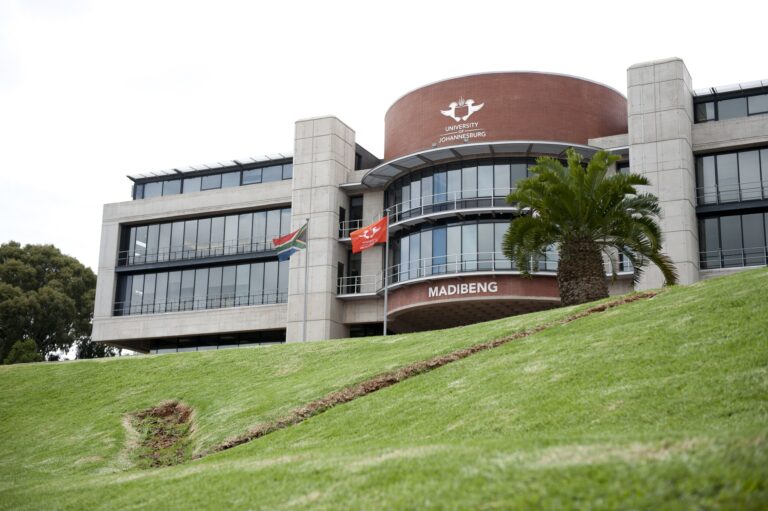
Researchers from the University of Johannesburg (UJ) have once again been recognised among the world’s leading scientists, underscoring the University’s unwavering commitment to research excellence, innovation, and international collaboration. A total of 88 UJ researchers have been included in the latest World’s Top 2% Scientists released by Stanford University, in collaboration with Elsevier. Notably, the Faculty of Engineering and the Built Environment (FEBE) accounts for 31 of the 88 recognised researchers, representing 35% of UJ’s total cohort featured in the ranking.
This significant contribution highlights FEBE’s role as a key driver of the University’s research excellence and global competitiveness. The growing number of UJ academics featured in this prestigious global ranking reflects the University’s expanding research strength, increasing international footprint, and rising influence in addressing societal challenges. As UJ’s representation among the world’s top scientists continues to grow, so too does its global impact and contribution to knowledge generation, innovation, and sustainable development.
The annual global list identifies the world’s most influential scientific minds based on comprehensive and standardised citation data drawn from Elsevier’s Scopus database and analysed by Stanford researchers. Scientists qualify either by being in the top 2% in their field or among the top 100,000 globally by composite c-score (with and without self-citations). The methodology incorporates multiple bibliometric indicators, including citations, h-index, and adjusted co-authorship measures.
A Global Standard of Excellence
The list spans 22 scientific fields and 174 subfields and represents the top 2% of the nearly 9 million researchers worldwide. UJ’s inclusion of 88 scientists places the university among Africa’s most research-active institutions, reinforcing its commitment to impactful scholarship.
UJ’s recognised scientists represent all faculties, underscoring the university’s breadth of expertise — from engineering and health sciences to natural sciences, social sciences, and the humanities. Their research speaks directly to some of society’s most pressing challenges, including climate change, health innovation, sustainable development, and social transformation.
From Recognition to Impact
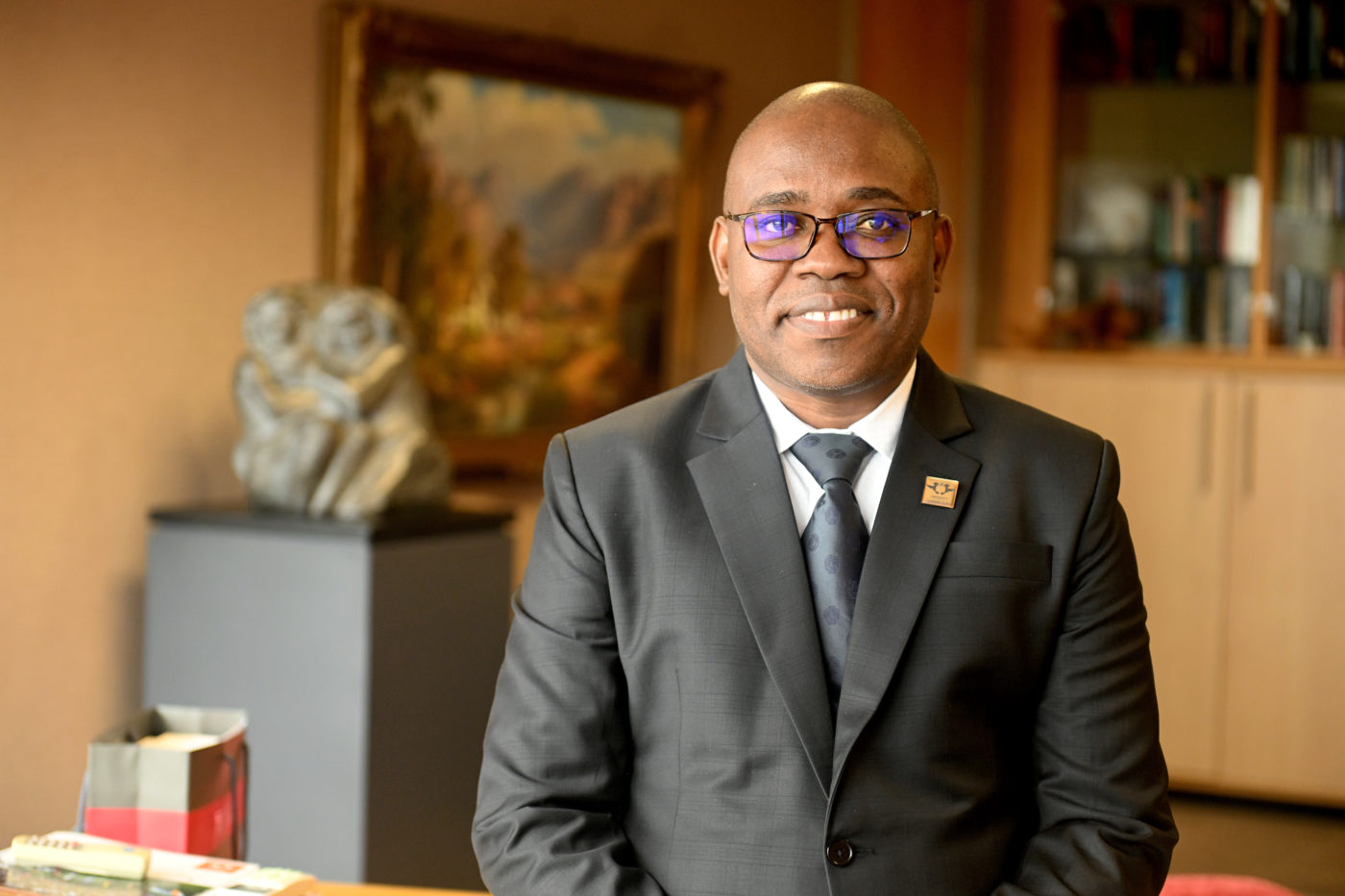
UJ’s Vice-Chancellor and Principal, Professor Letlhokwa Mpedi, said the recognition reflects the University’s growing stature as a research and innovation leader. He emphasised that the integration of artificial intelligence (AI) into academic and research activities is becoming increasingly critical in shaping the future of higher education, accelerating scientific discovery, fostering interdisciplinary collaboration, and strengthening the University’s ability to generate impactful knowledge for society.
“The increasing number of UJ researchers recognised among the world’s leading scientists demonstrates the University’s evolution as a globally influential institution of learning and discovery. Our growing representation in this prestigious ranking reflects the strength of our research ecosystem and the dedication of our academics to generating knowledge that transcends borders and creates tangible societal impact. We are proud that UJ’s expanding global footprint continues to position the University as a catalyst for innovation, inclusive development, and solutions to the challenges facing humanity.”
Deputy Vice-Chancellor for Research and Innovation, Professor Refilwe Phaswana-Mafuya, described the achievement as a milestone for UJ.
“UJ’s continued leadership in research, together with the inclusion of 88 of our researchers among the world’s Top 2% Scientists, speaks to the strength, depth, and global competitiveness of our research enterprise. These achievements reflect the exceptional calibre of our academics, the impact of their scholarship, and the effectiveness of our strategic investments in research excellence. More importantly, they reaffirm UJ’s position as a leading producer of globally relevant knowledge, driving innovation, addressing societal challenges, and contributing meaningfully to sustainable development in South Africa, across the continent, and beyond.”