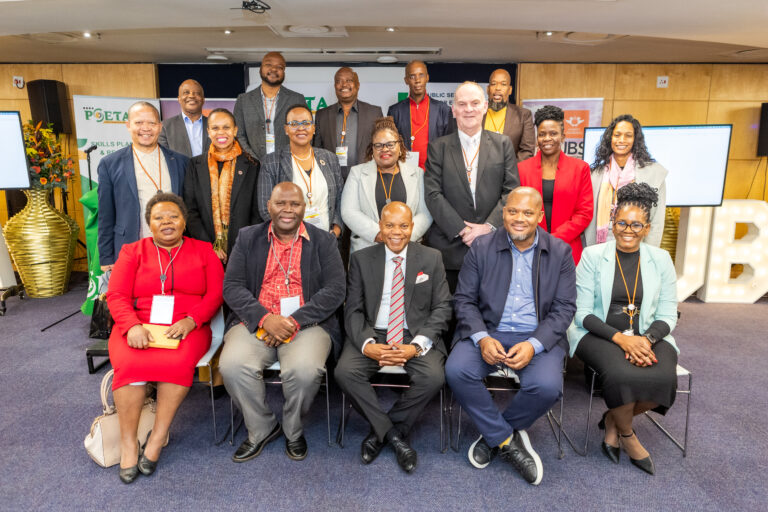
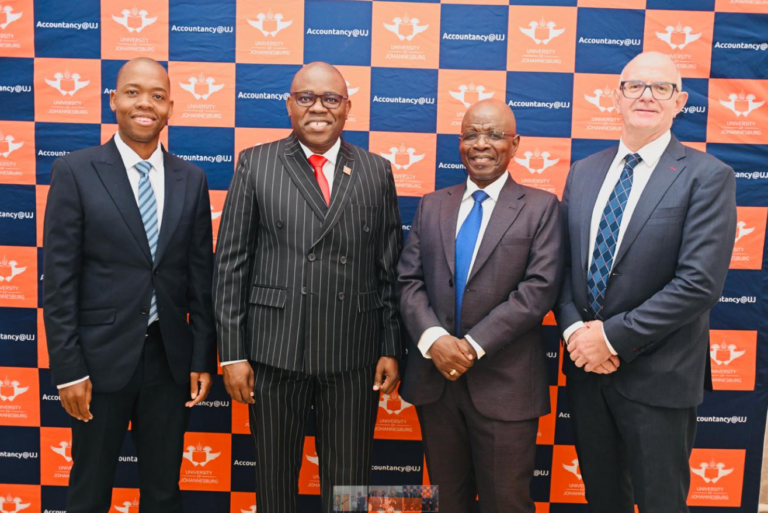
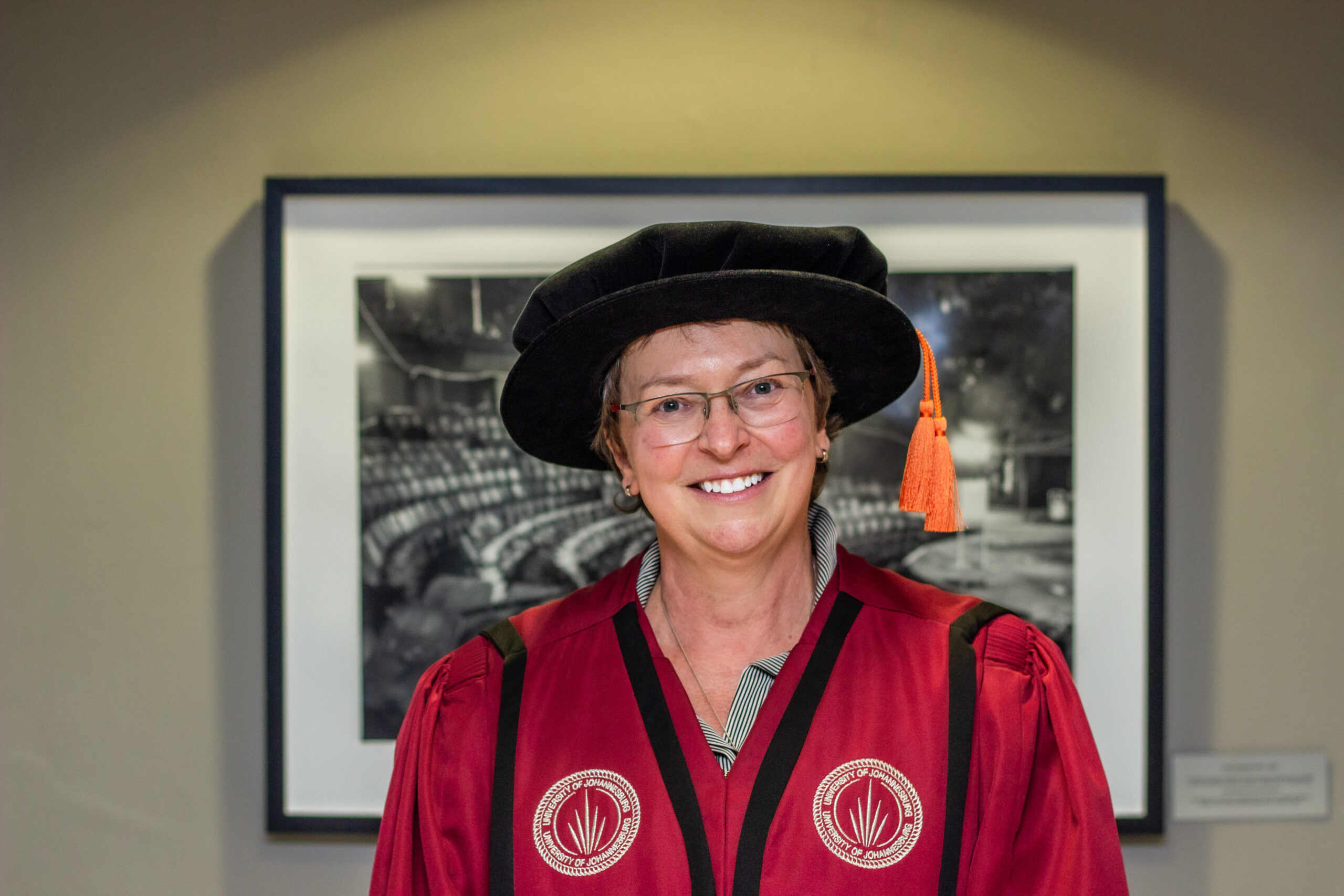
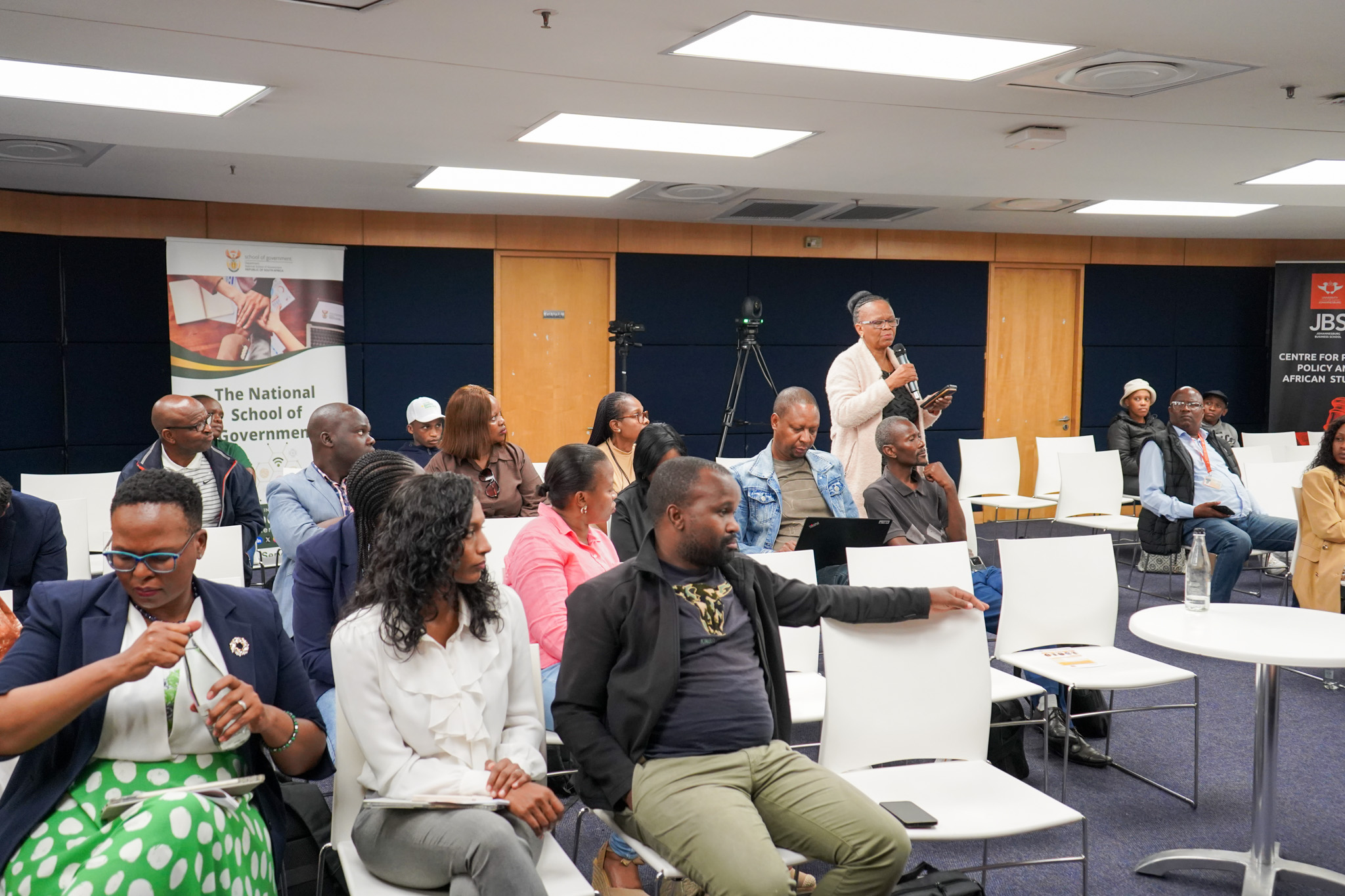
As South Africa observes Integrated Public Service Month, which promotes good service delivery and encourages public servants to engage directly with citizens, the University of Johannesburg (UJ), in partnership with the Public Service Education and Training Authority (PSETA), hosted a hybrid seminar at the Johannesburg Business School (JBS) on 11 September 2026.
The seminar formed part of the PSETA-UJ Research Observatory Dialogue Series and was held under the theme, “Can Ethics Be Taught? Managing Moral Temptations and Ethical Dilemmas in Public Administration?” It brought together policymakers, public sector leaders and ethics practitioners to discuss the role of ethics in public administration and how public servants can navigate moral temptations and difficult ethical choices.
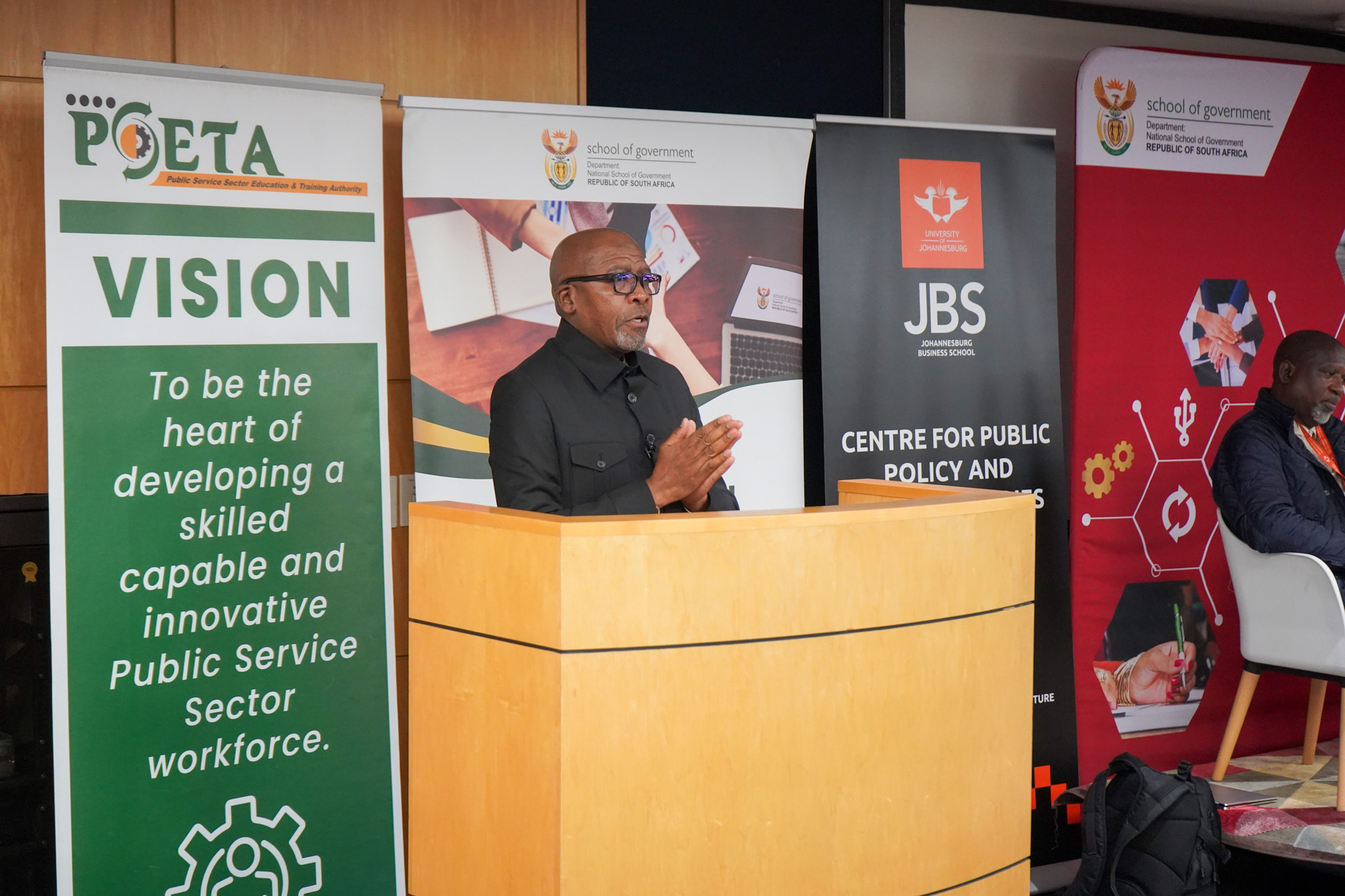
In the session, Vusumuzi Mavuso, Commissioner at the Public Service Commission, highlighted that ethical problems grow when institutions tolerate behaviour that should be stopped.
“Ethical failure is rarely the result of one bad decision by one bad person. It is often the result of systems gradually becoming tolerant of behaviour that should have been stopped much earlier,” he said.
Mavuso also stressed the importance of having methods in place to protect those who speak out against wrongdoing and corruption.
“We had whistleblowers, and others had to pay the ultimate price because they stood firm on principles; they spoke truth to power. But we need to find mechanisms that are much stronger to protect whistleblowers, so that we can have more people coming forward to raise the flag, so that we can be able to deal with the scourge called corruption,” he said.
Dr Busani Ngcaweni, Director of the Centre for Public Policy and African Studies at JBS, moderated the session. He noted that ethical challenges affect everyone, as they are not limited to any particular profession, social group, or sector. He argued that the pressure to get ahead can sometimes cause people to compromise their values, making ethics a challenge that requires attention across society.
“So sometimes this thing of ethics is not just something that affects taxi drivers or grassroots people, and so on. And the point that we’re making sometimes is because people want to get ahead, and so they lose themselves,” he said.
Advocate Dinkie Dube, Deputy Public Protector, stressed that ethical development should begin early, with education preparing future public servants to uphold integrity and speak truth to power.
“If we do need that ethical citizen, we need people to be able to speak truth to power. Character building and character formation must happen at a very young age. We need to introduce ethical education and constitutional education. The products of our education system should not just be about getting academic achievement, but also whether we have the right ethical cohort of public servants. And so, I will submit that ethics can be taught, but we must catch them young,” she said.
Taking the discussion from education to the workplace, Bontle Lerumo, Chief Executive Officer at PSETA, emphasised that training alone is not enough. She highlighted that ethical education must go beyond the classroom to help public servants develop the character needed to apply ethical principles in real situations.
“Teaching ethics cannot just be a tick box where we put on the numbers. We need to do something about the curricula, because ethics training should translate into practical reasoning, moral courage, everyday decision making, and also support public servants when they face political pressures, when they face procurement dilemmas as well as moral temptations,” she said.
For these measures to be effective, Lerumo also called for ethical behaviour to become part of the culture of public institutions, with leaders setting the example through their own actions.
“It’s important for us to model and institutionalise ethical behaviours in institutions. Ethical failures lead to poor service delivery. But when there is good governance, it’s the opposite. We are not complaining about service delivery. So, it’s important for us to change the culture in the organisation,” she added.
The discussion was clear: teaching ethics is only the start. Building an ethical public service requires strong personal values, ethical leadership and institutions that make integrity part of everyday practice.