Child support grants have proven to be of help up to a point. However, when big climate impacts arrive, many vulnerable children face grim futures. Children without both of their biological parents are far more likely to suffer severe acute malnutrition than those with at least one birth parent.
This is revealed in new research from the University of Johannesburg (UJ) and the South African National Biodiversity Institute (SANBI), published in Nature Scientific Reports.
As a first step, the researchers looked for a link between drought and malnutrition in the nine provinces in South Africa. They investigated the level of drought vulnerability in each province. The study found a correlation between drought patterns and malnutrition among children.
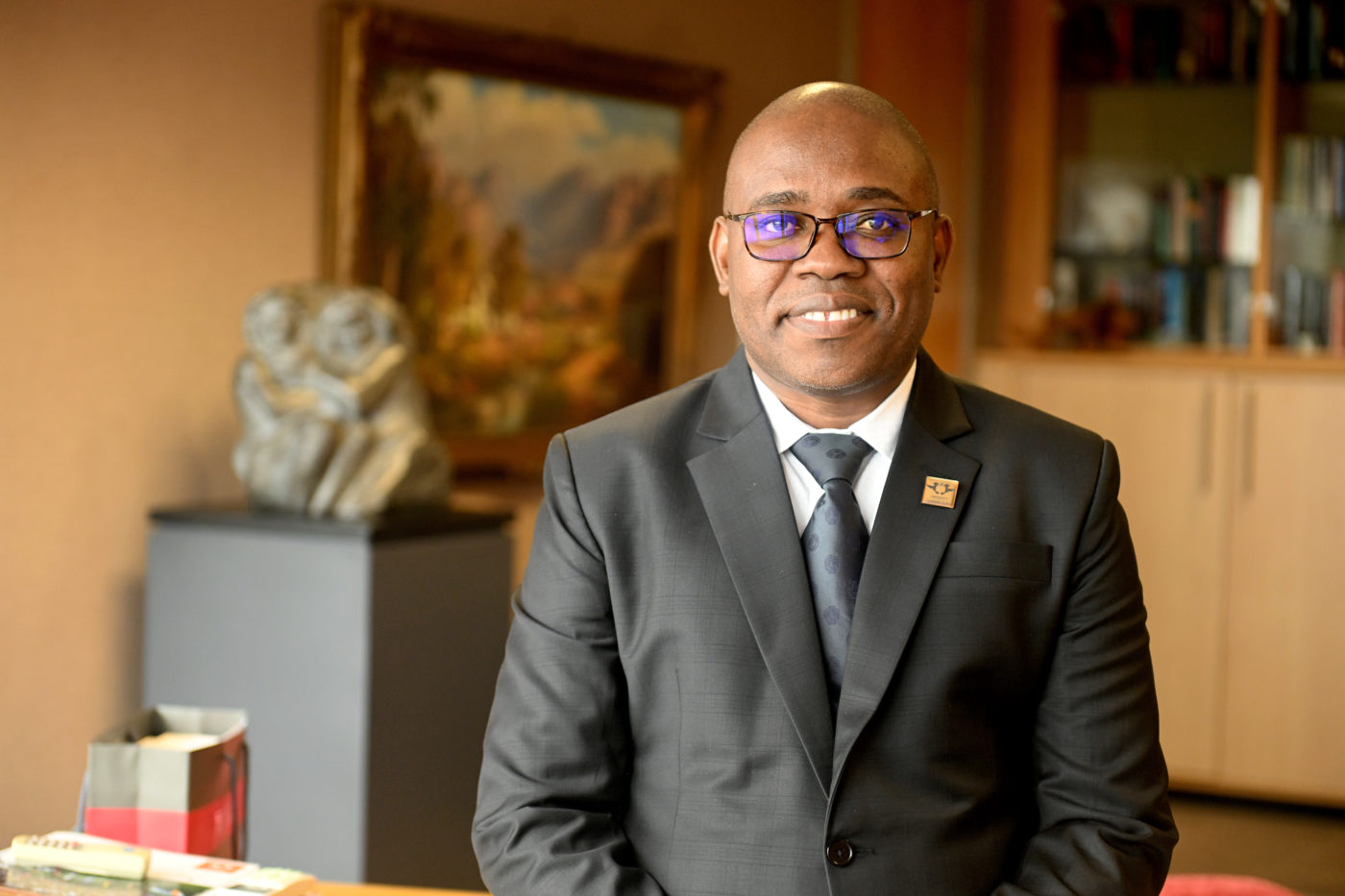
“We found that in areas where there’s high intensity of drought, the malnutrition tends to be very high,” says Dr Bopaki Phogole from UJ, one of the co-designers of the study.
“In other words, when drought occurs, malnutrition also goes up. And if you move to provinces that have higher drought compared to others, they tend to also have higher levels of malnutrition among kids,” he adds.
Dr Phogole is a lecturer in the UJ Department of Geography, Environmental Management and Energy Studies.
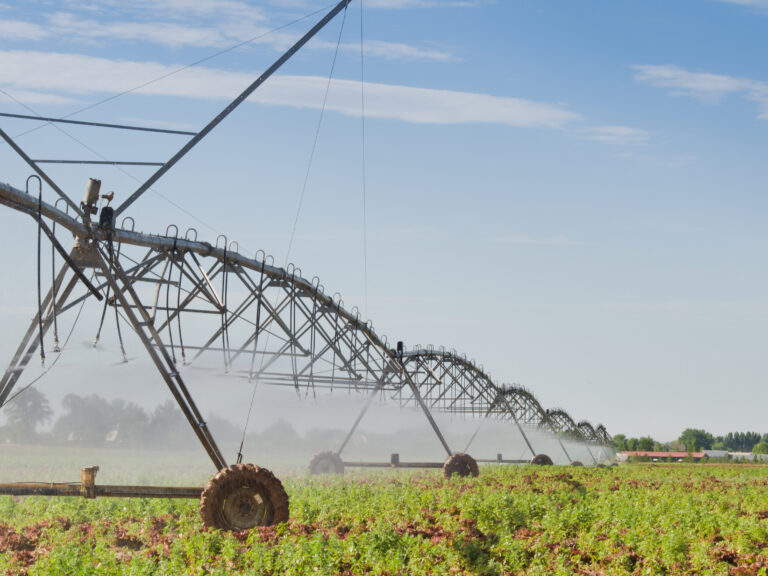
The drought mentioned here is called agricultural drought. It is measured with satellite images of the tree cover of provinces. Fewer green trees mean more agricultural drought.
“Agricultural drought is caused by below-normal precipitation, high temperatures and/or above-normal wind that evaporate moisture from soils and plants. Since nothing occurs in isolation, the impacts of drought are exacerbated by other, seemingly non-related, factors”, says Dr Mamadi Theresa Sethusa, who co-designed the study.
Dr Sethusa is Director: Research and Scientific Services at the South African National Biodiversity Institute (SANBI).
Next, the researchers investigated how being an orphan added further disadvantages to children subjected to drought and malnutrition.
“Kids who are orphaned have higher levels of malnutrition during droughts than those who are not. Living with your parents lessen your chances of malnutrition, they act as a buffer,” says Dr Phogole.
In fact, being an orphan is the single biggest predictor of severe acute malnutrition for a child (predictor estimate = 11.42). Distance from a clinic is the next best predictor (2.374), followed by agricultural drought (-1.577).
In the third stage, the researchers looked at why being an orphan had such huge contribution to acute severe malnutrition. They found that orphans are much more likely to live in homes without toilets (-7.997) and to have less access to safe and reliable drinking water (-2.999).
Currently, child support grants are focused on poverty alleviation, says Dr Phogole. These do not provide for environmental challenges, such as drought, that affect some children far more than others.
“Currently, child support policies are targeting income inequalities and differences in parental care, as challenges for caregivers. That’s why we have different kinds of child support grants for orphans for custodianship. However, none are responsive to differences in environmental stress.
“Those vulnerable children in drought-stricken areas need extra support due to exposure to environmental hazards”, concludes Dr Phogole.
Research article:
Nature vs. nurture: parental care cushions agricultural drought impacts on child health in South Africa”, which appeared in Nature Scientific Reports on 22 January 2026 https://www.nature.com/articles/s41598-025-34109-w.