In a study done at Gauteng hospitals, a researcher from the University of Johannesburg found a dangerous silence surrounding the use traditional African medicines. The silence can have serious implications for babies and children.
To establish if physicians were asking patients about the possible use of traditional medicine during the consultation, Doctor (PhD) Lindiwe Gumede interviewed physicians at selected public hospitals.
She recorded an absence of clear procedures encouraging patients to disclose their use of traditional medicines.
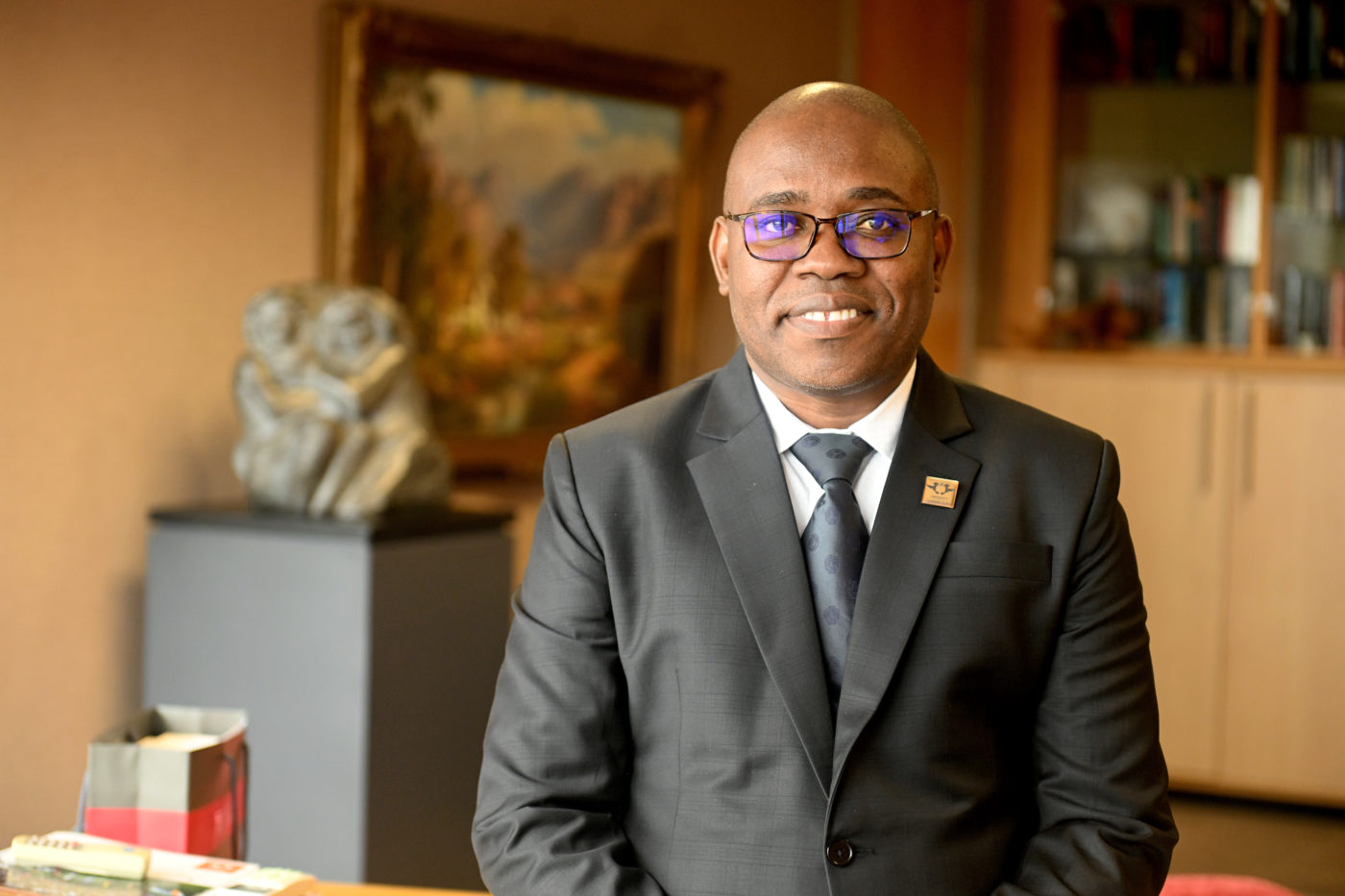
Dr Gumede is Head of Department at UJ Medical Imaging and Radiation Sciences, within the UJ Faculty of Health Sciences.
When a mother brings a critically ill child to a hospital, it appears obvious to medical staff that the guardian should tell them everything that could be of interest. What did the child eat and drink, and what other substances were they in contact with?
Medical staff need to know about any type of medicine that the guardian might have administered to the child, to avoid dangerous interactions between traditional and allopathic (Western) medicines.
In South Africa, most guardians can be expected to use home remedies, including traditional medicine, before resorting to taking the child to a clinic or hospital.
One of the physicians in the study told Dr Gumede about a mother who brought a very sick, dehydrated baby to the hospital. When the doctor asked the mother about the child, she just said the child got ill but was evasive about having given the child some form of medication, traditional or otherwise.
“The child was unconscious,” said the physician in the research interview.
“The child had herbal intoxication like they’ve given an overdose of some herbal drug. That child was going to the ICU [Intensive Care Unit]. The mother kept on denying it [use of traditional medicine]. I was upset.
“The child ended up going to ICU in [one of the big Johannesburg hospitals]. The child stayed there for a month and was discharged.”
“Then the mother came looking for me… I’m like, why? … No, Doctor, you were right, and I want to confess, but at that time, I could not disclose because I could see you were angry,“ said the physician.
Another physician interviewed by Gumede said: “Because I was telling you that if we don’t know what the child was given, how will we help?”
For a long time, traditional healers in South Africa were prohibited by law from practicing. In 1957, the apartheid-era government passed the Witchcraft Suppression Act. Sixty years later under democratic government, the Traditional Health Practitioners Act of 2007 formally established the industry.
Says Dr Gumede: “While the traditional healers were banned, they had to operate in hiding. Even if the family stays within walking distance of a clinic, they will try the family remedies first. For example, they may administer a traditional enema using lukewarm water for a baby with a high temperature.
“This can be effective and safe when done by an experienced person, usually an elder in the family. But it can go wrong when the required experience is not there, especially when traditional medicine is included.”
At one of the hospitals where Dr Gumede interviewed physicians, the pre-procedure questions on forms were not specific to traditional medicine. Rather, the questions dealt with using over the counter (OTC) medicines sold in pharmacies and supermarkets.
At community clinics, physicians would ask ‘are you taking any other medication’ but also wouldn’t ask specifically about traditional medications, she adds.
It is necessary to ask direct, non-prejudiced questions, Dr Gumede discovered.
Said one physician: “If you ask the patient directly, they will not disclose unless they believe you are receptive. If I’m curious, I’ll tell the patient that most of my patients take traditional medications. So, when they know they are not the only ones using traditional medicine, they reveal it. But if I simply asked, they would not reveal.”
Several physicians interviewed also stressed the importance of creating a safe, nonjudgemental environment where patients feel comfortable disclosing traditional medicine use. Most importantly, physicians also acknowledged that patients have the right to choose treatments they believe work for them.
The training of physicians in South Africa is grueling, and includes some material about alternative medicines, usually acupuncture and homoeopathic medicine. However, the traditional African medicine used by most people in South Africa is still not included, says Dr Gumede.
Physicians in the study talked about not ‘knowing what happens on the other side,’ meaning outside hospital walls, when a traditional healer diagnoses or treats a patient.
“I believe if information about common traditional medicines used by patients is included in the training of physicians, it would be easier to facilitate transparent cross-practice communications between physicians and traditional healers. Collaboration like that can go a long way to ensure better patient outcomes,” says Dr Gumede.