Dear UJ community,
One of the most popular initiatives at the University of Johannesburg is the Africa by Bus programme. Since its inception in 2017, the programme has evolved into a flagship global engagement initiative, providing students with experiential learning opportunities across the African continent and around the world. Through academic exchanges, cultural immersion, institutional networking, collaborative research and engagement with industry, the programme has contributed to advancing UJ’s Pan-African identity, strengthening international partnerships and developing globally minded graduates.
Africa By Bus Relaunched
This evening, the Africa By Bus programme will undergo a revamp and relaunch, repositioning it as UJ Africa By Bus Plus (ABB+). This reflects the programme’s evolution beyond physical mobility into a dynamic platform for academic innovation, entrepreneurship, intercultural learning, research collaboration and strategic partnership development. The “Plus” signifies the programme’s expanded value as a mobile learning environment that generates sustainable institutional, academic and societal impact.
Nurturing Emerging Scholars and the New Generation of Academics
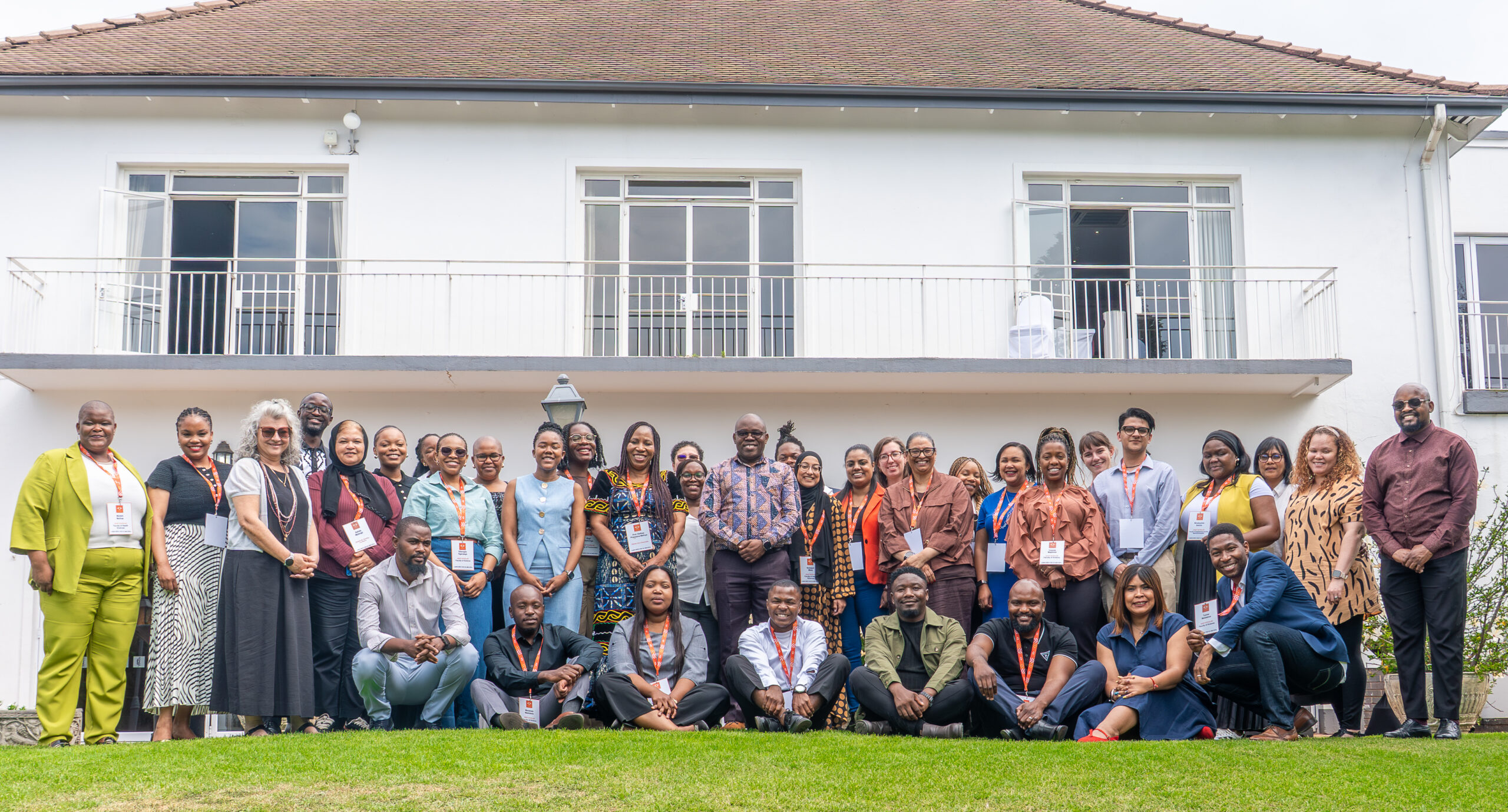
On Wednesday, at the Johannesburg Country Club, I had the pleasure of hosting a luncheon alongside our Deputy Vice-Chancellors for scholars participating in the Nurturing Emerging Scholars Programme (NESP) and the New Generation of Academics Programme (nGAP). Facilitated through our Division for Teaching Excellence, the luncheon was an opportunity to engage with these scholars, acknowledge their achievements and reflect on the important role they will play in shaping the future of higher education in South Africa. Developing the next generation of academics is more than identifying talent. It requires sustained investment, mentorship, meaningful development opportunities and an institutional environment in which emerging scholars can grow into accomplished academics, researchers and future leaders.
Through the NESP and nGAP, we are contributing to the development of South Africa’s academic pipeline while advancing the transformation, sustainability and excellence of our higher education system. These initiatives recognise that the future of our universities depends, in part, on our ability to nurture talent, strengthen research capacity and create opportunities for emerging scholars to contribute meaningfully to society. At UJ, this commitment is closely aligned with our vision of building an international university of choice, anchored in Africa and the Global South, dynamically shaping a sustainable future. I extend my appreciation to our scholars for their dedication and achievements, to our Deputy Vice-Chancellors and the Division for Teaching Excellence for their continued support, and to the Department of Higher Education and Training for its role in advancing these national initiatives.
Celebrating Student Achievements
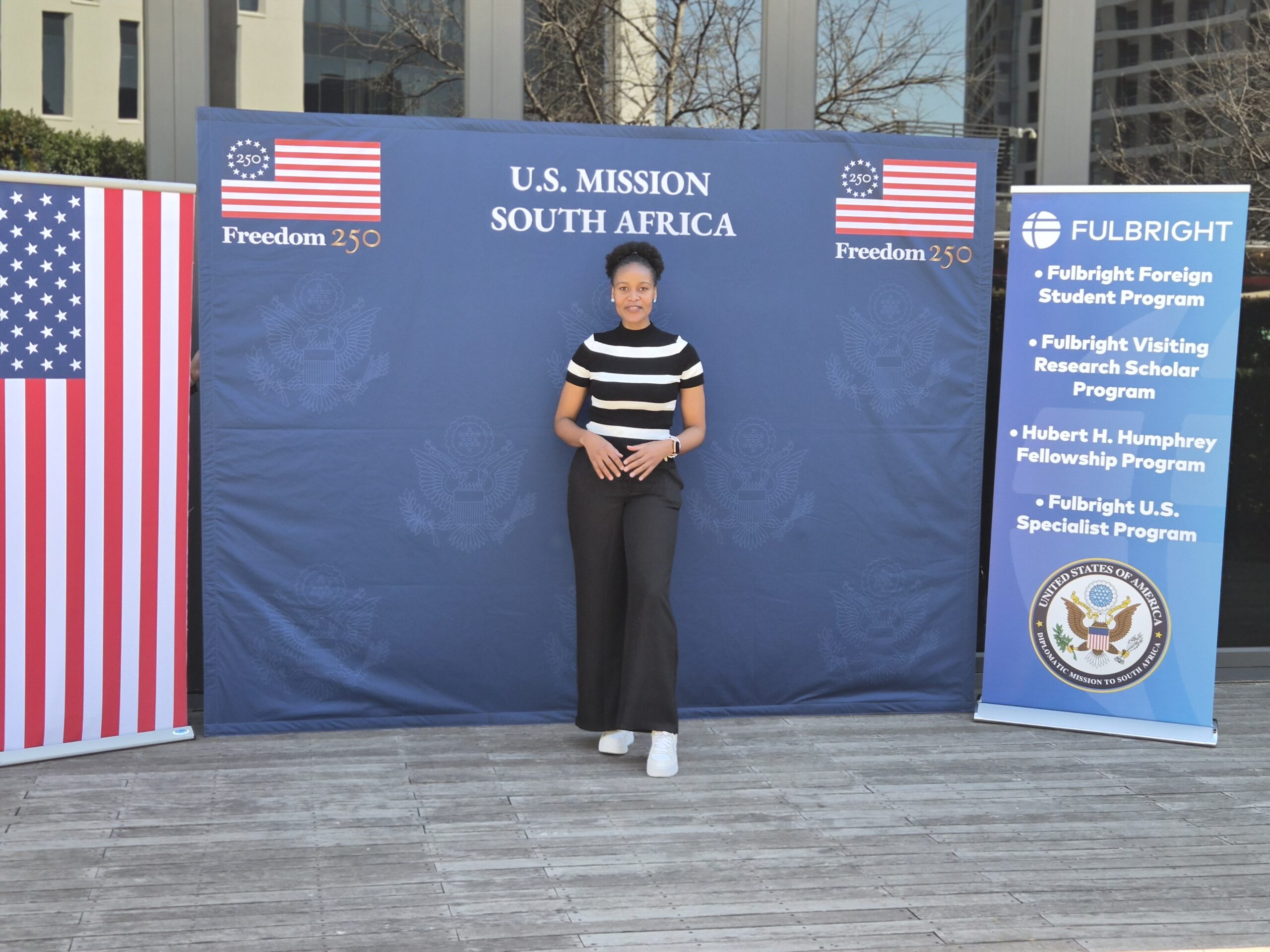
Our students continue to make us proud with their outstanding achievements. Please join me in congratulating Dipuo Thobakgale, a Doctor of Philosophy (PhD) candidate in Chemistry who was awarded a Fulbright Scholarship to undertake research at the Ohio State University (OSU) in the United States. Her research focuses on the use of magnetic biochar to remove selected potentially toxic elements from water and wastewater. The research contributes to the development of sustainable and environmentally responsible approaches to water treatment. Thobakgale’s professional experience includes Chemistry tutoring and practical demonstrating at University of Limpopo, laboratory work at the DSI-NRF SARChI Parasitology Laboratory, serving as a Laboratory Assistant at the Oprah Winfrey Leadership Academy for Girls, and working as a Chemistry Tutor and Demonstrator at UJ. Read more here.
I also congratulate our team of first-year students in the Department of Accountancy for winning the Deloitte CA of the Future Champions 2026! The programme equips first year Chartered Accountancy-Stream students with critical thinking, digital acumen, ethical leadership and integrated thinking skills, amongst others. It continues to develop future-ready talent through innovation, collaboration and real-world learning. Over two days, our students, called the G1 Advisory Group, demonstrated exceptional technical knowledge, strategic thinking, innovation and leadership while tackling complex business challenges and presenting their solutions to a distinguished judging panel. This year’s finalists showcased the remarkable talent emerging from universities across South Africa.
UJ Wins Big at the HEFMA 2026 Awards
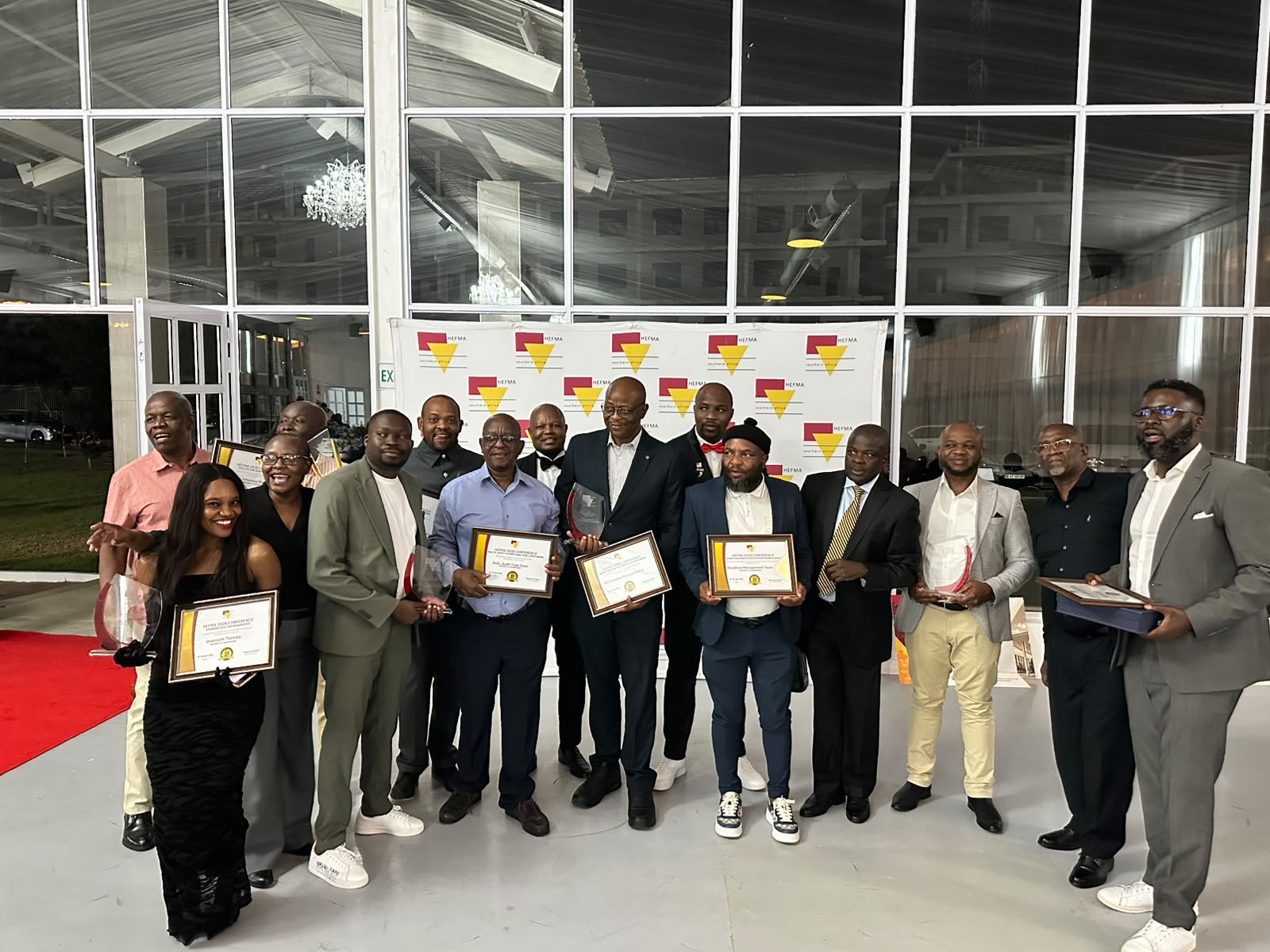
It is with immense pride to share that six of our staff members in the Facilities Management division walked away with five of the eight awards at the Higher Education Facilities Management Association of Southern Africa (HEFMA) 25th Anniversary Awards ceremony in Gaborone, Botswana, last night. The awards ceremony was part of HEFMA’s annual general conference, which took place from Monday until Thursday at the University of Botswana. Held under the theme Maturity of Facilities Management in Higher Education, the conference provides a platform for engaging discussions around the management, operation, maintenance and long-term sustainability of higher education infrastructure. Founded to standardise and benchmark infrastructure, financial management, and facility practices, HEFMA has expanded across Southern Africa to address critical institutional challenges like sustainable energy, campus safety, and modern software needs.
HEFMA also utilises these conferences to celebrate operational excellence and to honour professionals and institutions shaping campus environments across the region. UJ won in the following categories:
- Queeneth Themba (Soweto Campus): Emerging Facilities Management Professional Award.
- Khutso Rammutla: Facilities Management Professional of the Year Award
- DoEL Audit Task Team: Health, Safety and Compliance Award.
- UJ Facilities Management Team: Infrastructure Delivery Award for the Rescue (SIM) Centre.
- UJ Facilities Management Team: Climate Change Resilience and Disaster Preparedness Award.
- Mr Takalani Phosiwa (DFC Camus Director): Strategic Facilities Management Leadership Award, this makes it 6 of the 8 awards won.
In addition, Dr Joe Manyaka (Senior Director: Campuses) had a Special 25th Anniversary Legacy Award bestowed on him for his contribution to the higher education sector and lasting impact at HEFMA.
These remarkable achievements are a testament to the dedication, innovation, and excellence by our facilities management professionals and teams. It is particularly noteworthy that over the past three years, UJ has consistently been recognised at this prestigious event, further cementing its reputation as a leader in facilities management excellence. Read more here.
Advancing UJ Arts and Culture
Another area that plays a vital role in academic enrichment and Pan-African cultural exchanges is arts and culture. Yesterday, UJ Arts and Culture, in collaboration with the Johannesburg Institute for Advanced Study (JIAS), hosted a Staged Reading of Christmas Ebhofolo, a new play by Professor Siphiwo Mahala (Acting Director of JIAS). Directed by Gift Ngobeni, the production features a distinguished cast, including prominent actors Samela Tyelbooi, Samson Khumalo, Fiona Ramsay and Mpho Malesa. Christmas eBhofolo is a play about Christmas in Fort Beaufort, a small town in the Eastern Cape, known for its historic psychiatric hospital. The story centres on a family’s desperate wish to have Nobuntu, their matriarch, home for Christmas. However, this appeal clashes with the hospital’s rules, which Veronica, the rigid hospital clerk, faithfully upholds. As the drama unfolds, layers of past traumas and pain surface, including the unhealed wound of losing a child in infancy.
The play is an emotional journey through themes of family values, loyalty and compassion. At the same time, it confronts the often-devastating consequences of unresolved psychological trauma and asks difficult questions about how families and institutions respond to those living with mental illness. Congratulations to everyone involved in organising such a successful event. Special congratulations go to Prof Mahala on his latest literary and artistic work and his continued efforts to reposition JIAS.
Beyond the Code: AI and Law Podcast Episode 9
I am pleased to share that Episode 9 of Beyond the Code: AI and Law has been released! Titled The Constitutional North Star: Shaping the Future of South African Legal Education, this episode focuses on the critical issue of what happens when Artificial Intelligence begins to transform the way lawyers are educated, legal research is conducted, and justice is delivered. I sat down with the Deputy Chief Justice of the Republic of South Africa, Justice Dunstan Mlambo, for a thought-provoking conversation about the future of legal education in an increasingly AI-driven world. This episode goes beyond the excitement surrounding new technology to ask some fundamental questions about the kind of legal profession South Africa needs to build. As AI becomes capable of analysing contracts, predicting legal outcomes and producing legal research in seconds, how do we ensure that tomorrow’s lawyers retain the analytical ability, independent judgment and constitutional grounding required to serve a democracy?
The conversation also confronts the realities of South Africa’s digital divide. While some students have access to sophisticated AI-powered legal tools, others continue to face challenges such as data costs, unreliable connectivity and limited technological resources. How can universities embrace AI without allowing technology to become another source of inequality? The episode also looks ahead to a future in which law students and computer scientists work together to develop legal technologies designed for South African communities – including AI tools that help citizens navigate their rights and customary law in local languages such as isiZulu, isiXhosa and Setswana. Join the conversation and tell us: How should South Africa reshape legal education to prepare the next generation of lawyers for an AI-driven world—without losing sight of our Constitution and our commitment to justice?
Keeping Healthy with UJ Campus Runs

In our ongoing efforts to promote an active and healthy lifestyle across our student community, the UJ Sport and Student Affairs divisions have introduced weekly 3.4km Campus Runs on Saturday mornings. Modelled after traditional community Park Runs, these events are hosted within our campus grounds to ensure a safe and secure environment for all participants. The initiative successfully kicked off this past weekend on Saturday, 10 October 2026, with House Committee members from Sophiatown and Oppierif hosting the inaugural event at Thomas Sankara residence at the Auckland Park Kingsway Campus. The programme will expand across all four UJ campuses over the coming months and years. Although primarily targeted at students, UJ staff members are also warmly invited to join the weekly runs.
Our vision is to progressively expand participation in these Campus Runs, fostering a stronger culture of wellness while helping our community to prepare for the upcoming annual UJ Future Forward Runs. By building momentum week by week, this initiative serves as both a fitness stepping stone and a vibrant community-building platform. Sincere gratitude goes to Mr. Ebrahim Boomgaard, Senior Manager of UJ Sport Support Services, and Ms. Rebone Modiba, Student Affairs’ Student Development Practitioner, for their leadership and dedication in spearheading this impactful initiative. Keep a lookout on the social media pages of UJ Sport and Student Affairs for details of the next Campus Run – I hope you will find the time to participate.
High Tea with the VC
Lastly, I thank everyone who took time off their busy schedules this past Friday to attend the High Tea with the VC book discussion, when I hosted Professor Bhaso Ndzendze for his book Umlawuli: Niccolò Machiavelli’s The Prince in IsiXhosa. It was a stimulating discussion on a book that brings one of history’s most influential texts on political leadership and power into conversation with African languages and contemporary political realities. Our discussion explored enduring questions about leadership, authority, governance and the responsibility that comes with power. It also reminded us of the importance of African languages in preserving knowledge, broadening access to ideas and enriching intellectual conversations within our society.
As we close the 2026 chapter of High Tea with the VC, I extend my sincere gratitude to all our distinguished guests who joined us throughout the year and generously shared their knowledge, experience and perspectives. A special thank you goes to students who have consistently attended and supported these engagements since the beginning of the year, as well as our staff and the wider UJ community. Your curiosity, participation and enthusiasm are what make this platform so special. A special word of appreciation to Ms Reneka Panday, Mr Themba Mavuso, the entire UJ Library Team and UJTV for their invaluable contribution in facilitating, supporting and bringing these engagements to life.
Kea leboha, ngiyabonga, baie dankie, thank you!
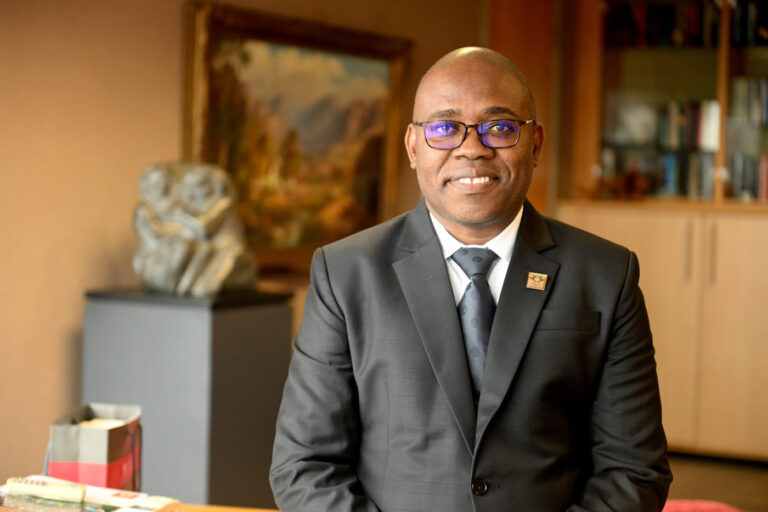
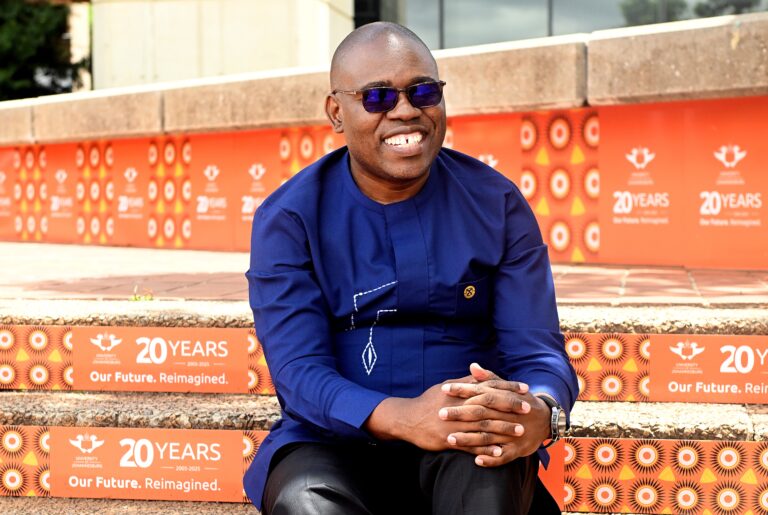
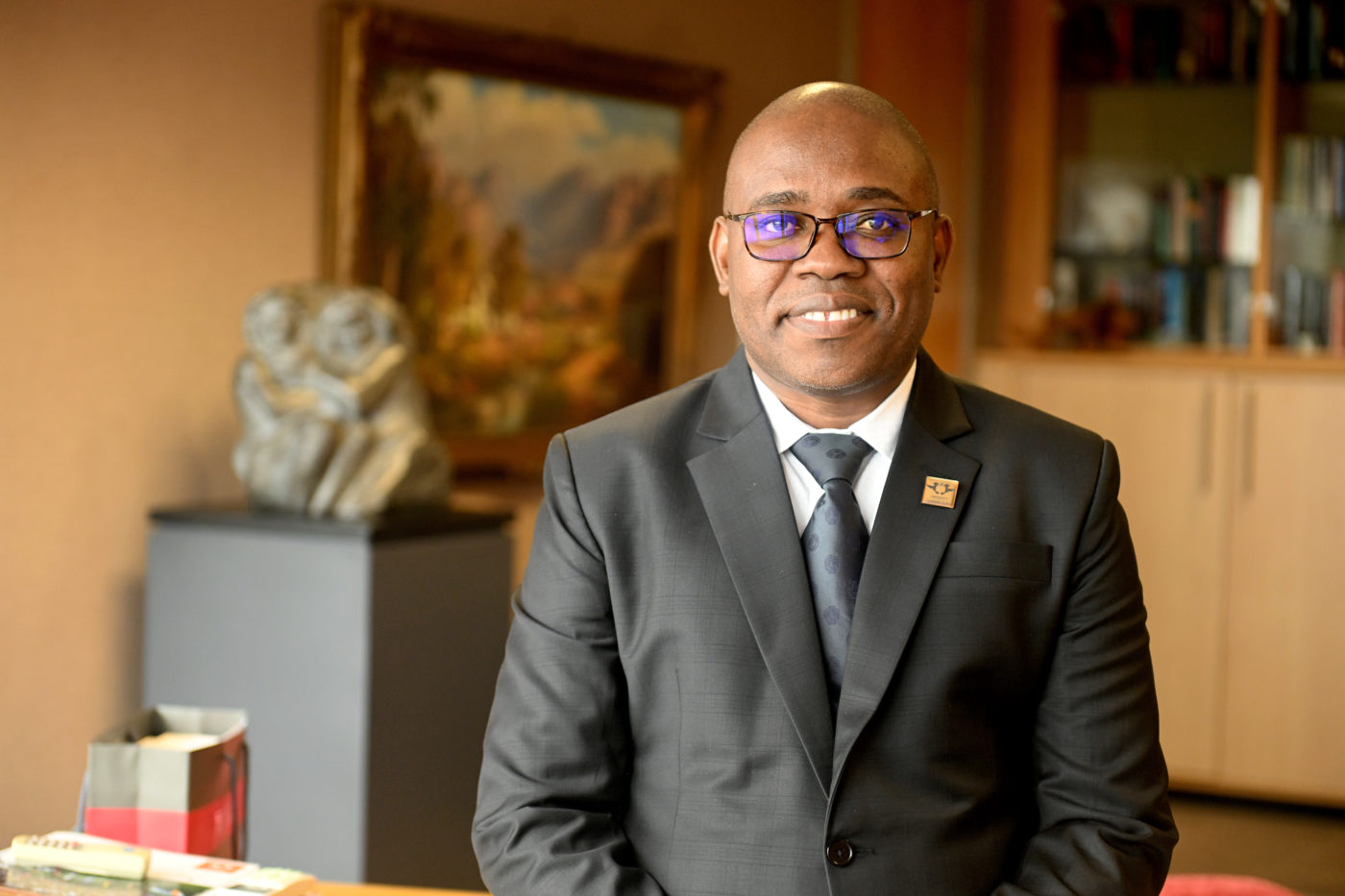
Professor Letlhokwa Mpedi: Vice-Chancellor and Principal
Times mentioned in this newsletter refer to the South African time-zone.