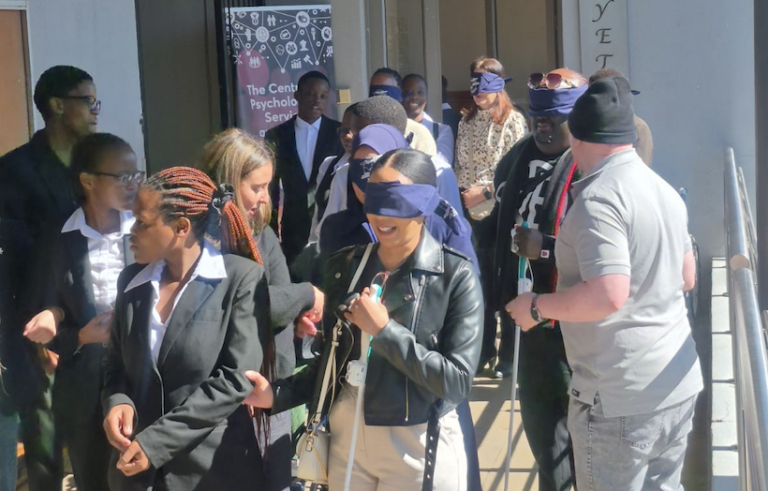
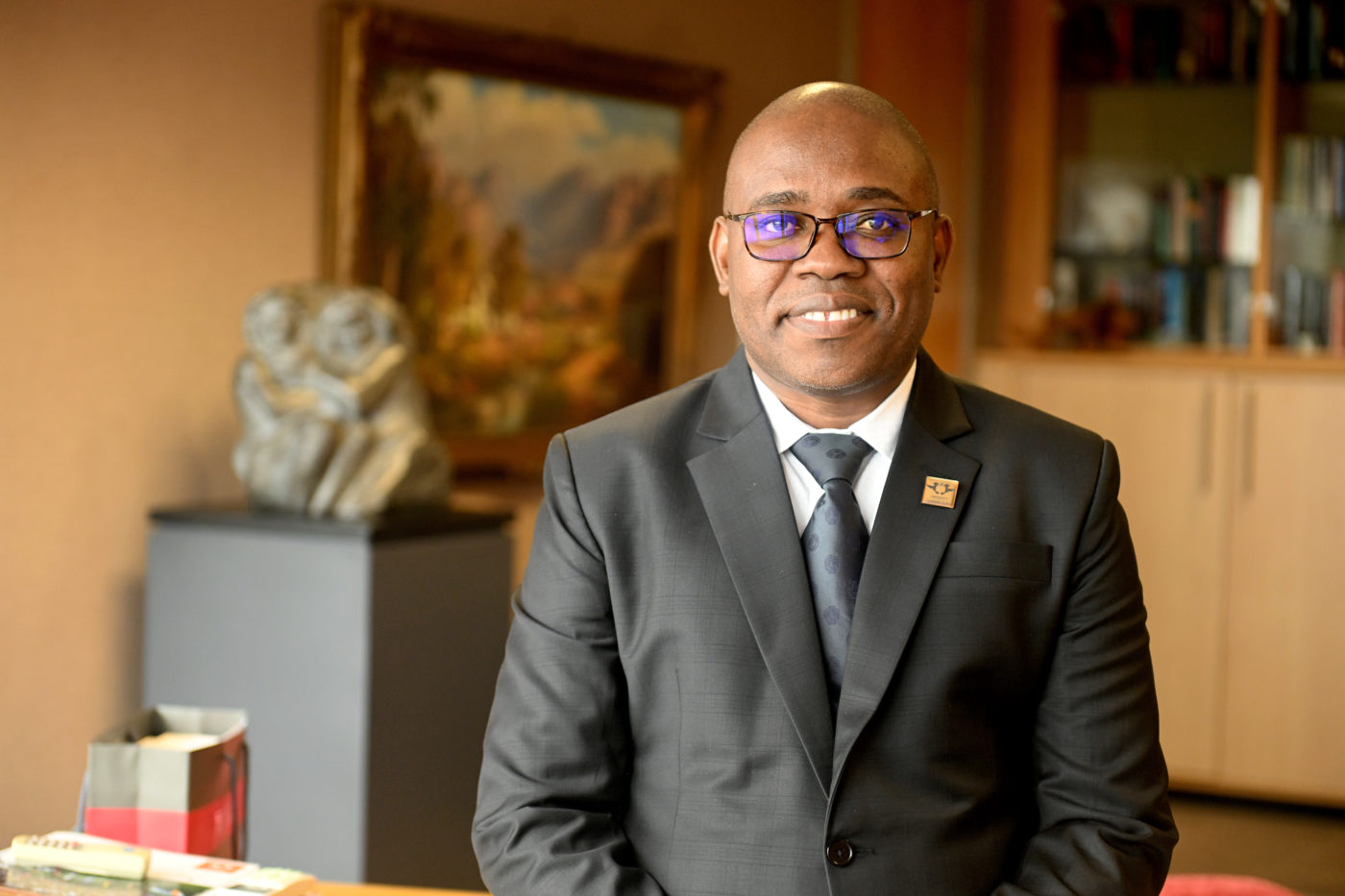
The Teacher Education for Inclusive Teaching (TEfIT) project close-out conference, held on 9–10 September 2026, marked a decade of transformative progress in South African education. Funded by the Department of Higher Education and Training (DHET) with support from the European Union, the event brought together the University of Johannesburg (UJ), the University of Pretoria (UP), and the University of the Witwatersrand (Wits).
The headline outcomes of the decade-long initiative showcased a massive boost to local research and specialised human capital. Together, the three university-based Centres of Specialisation produced 23 accredited journal articles, two book chapters, and extensive disability-friendly learning resources. Crucially, the initiative funded and supported the graduation of 19 PhD and 38 Master’s candidates, fundamentally expanding the nation’s academic and pedagogical capacity for inclusive education.
Opening the event, Deputy Minister of Higher Education and Training, Dr Nomusa Dube-Ncube, delivered a resounding keynote address. She urged the sector to move inclusive teaching from a niche special-needs function into a core professional competency for every educator. Echoing the reality that 25 years after Education White Paper 6, the system remains incomplete, she stated, “No education system can be more inclusive than the teachers it prepares, develops, and supports.” She called for TEfIT’s outcomes to be embedded directly into ongoing national qualification reviews.
UJ’s Soweto campus at the forefront of neurodiversity
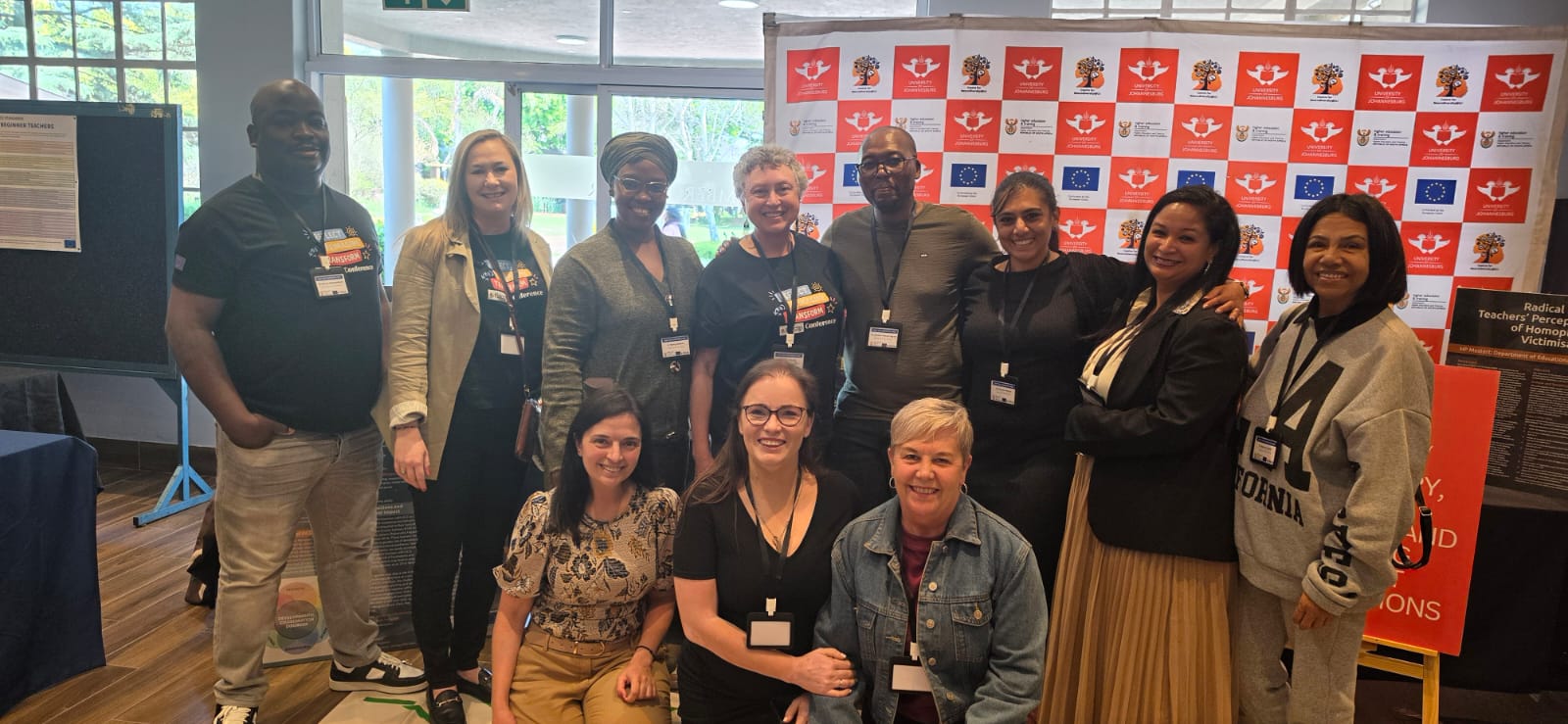
Dr Jean Fourie, co-founder of UJ’s Centre for Neurodiversity based at the Soweto campus, presented the university’s decade of pioneering work. Paying tribute to the late Dr Helen Dunbar-Krige and Professor Boitumelo Diale, Dr Fourie highlighted the physical transformation of the Centre. Today, UJ houses a state-of-the-art Snoezelen room, which is a controlled multi-sensory environment featuring soothing lights, sounds, and tactile objects designed to calm and engage neurodivergent learners.
The Centre’s academic footprint has been strengthened by the Mpedi Scholarship, generously supported by Vice-Chancellor Professor Letlhokwa Mpedi’s family, which funds postgraduate research into Down Syndrome and other neurodiverse conditions.
UJ’s Department of Educational Psychology has expanded specialised online training through its Advanced Diploma in Remedial Education (NQF Level 7), focusing on specific learning difficulties like dyslexia and ADHD, and its Postgraduate Diploma in Inclusive Education (NQF Level 8), which addresses the full spectrum of physical, sensory, and intellectual disabilities.
A key shift driven by UJ is moving away from deficit-based medical models toward a positive psychology framework that highlights the unique gifts of neurodivergent brains:
Dyslexia: Offers strong visual-spatial, three-dimensional thinking.
ADHD: Provides social spontaneity and authenticity.
Autism: Brings deep focus, attention to detail, and honesty.
Dyscalculia: Sparks verbal language innovation and creativity.
Developmental Coordination Disorder (DCD): Fosters empathic intuition and holistic well-being.
Showcasing cutting-edge postgraduate research
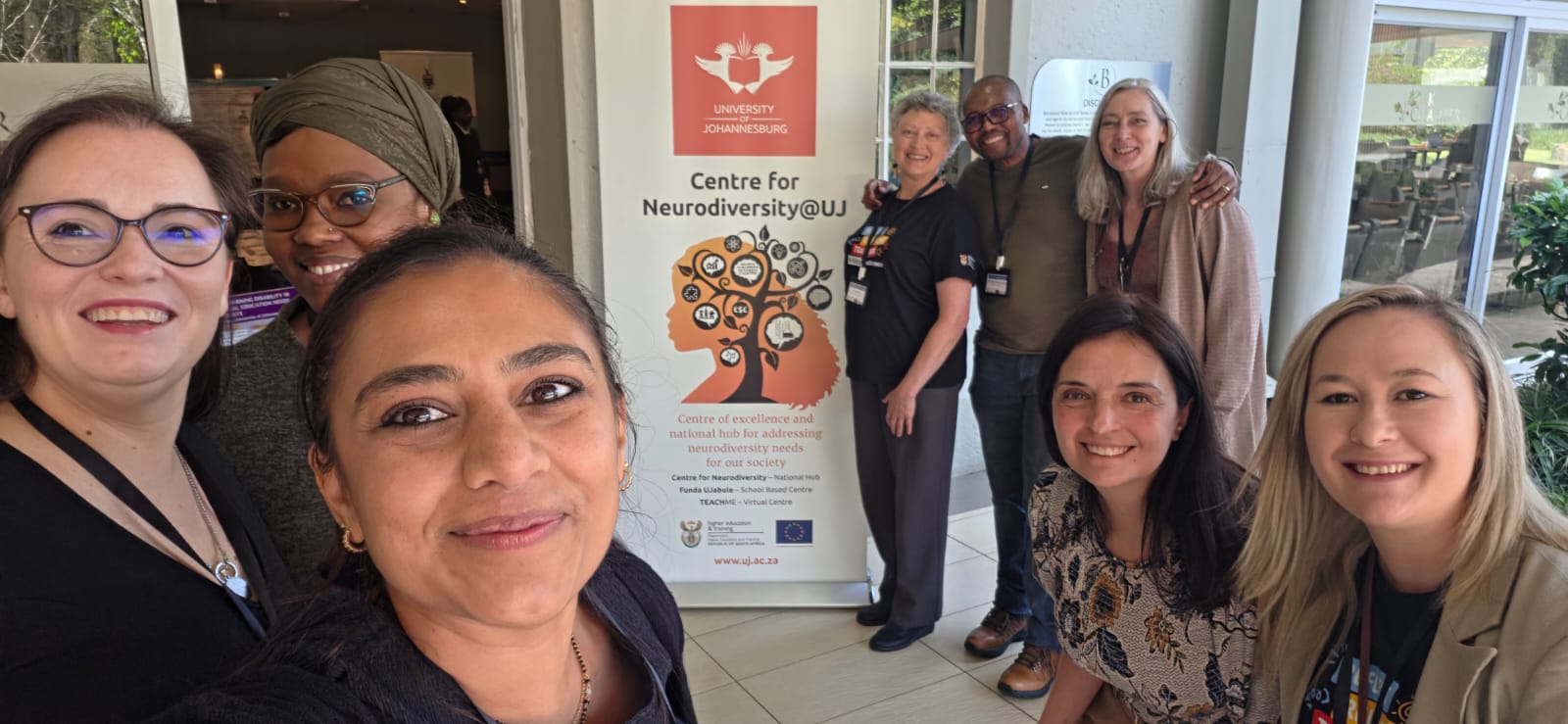
Eight PhD graduates and Master’s scholars from UJ presented breakthrough studies during the conference:
Resilience and Parenting:
Prof Daphney Mawila-Chauke presented strategies for building resilience in neurodiverse children facing adversity, while Dr Khosi Mabaso shared framework models empowering parents.
Psychometrics and Inclusion:
Dr Athena Clayton shared a verification study on the Senior South African Individual Scale-Revised (SSAIS-R) IQ tool, and Dr Mariam Muller analysed severe linguistic and numeracy backlogs in progressed intermediate-phase learners.
Classroom and Special Needs Interventions:
Dr Nicola O’Kelly, drawing from her lived experience with DCD, outlined classroom support strategies. Dr Poonam Mithal highlighted multidisciplinary team models for Severe Intellectual Delays (SID), and Dr Melissa Chunderdooth presented comprehensive sexuality education frameworks for adolescent girls with intellectual delays.
Policy and Creative Innovations:
Dr Gene Erasmus urged a revision of national progression policies after analysing over-age learner trends. Practical master’s innovations included Marvin Shikwambana’s case study on rare conditions like Bardet-Biedl Syndrome, and Daniela Girao’s teaching aids constructed from recycled materials to build fine-motor and numeracy skills.
Future directions for inclusive systems
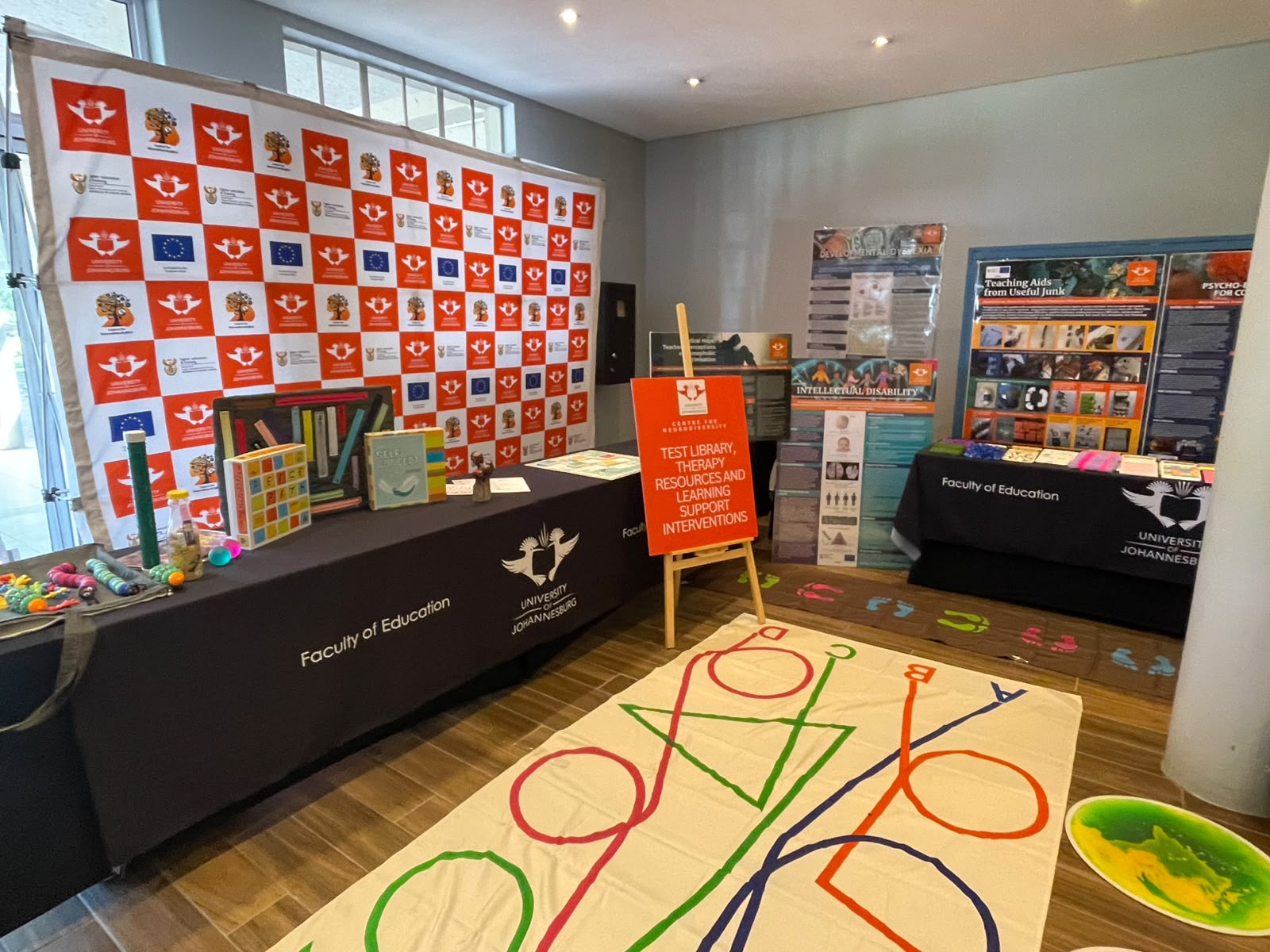
Current Director of UJ’s Centre for Neurodiversity, Prof. Maximus Sefotho, highlighted forward-looking projects, including research using Functional Near-Infrared Spectroscopy (fNIRS), a career fair hosted with special needs schools, and an outreach initiative offering psychosocial support to fathers of neurodivergent children.
The conference concluded with policy updates from Mr Jabulani Ngcobo (DBE) and Mr Neil Makhaga (DHET) regarding revisions to Education White Paper 6 and teacher qualification alignments.
Closing the event, Mr Philip Tshabala (DHET) reaffirmed the government’s commitment to ensuring the lessons of the TEfIT project serve as a permanent blueprint for South African teacher education.