At the University of Johannesburg (UJ), ongoing research on snake and scorpion venoms is moving into a new stage. The Ubuntu Lab led by Professor Lizelle Piater will be investigating how these venoms target cancer cells in the laboratory.
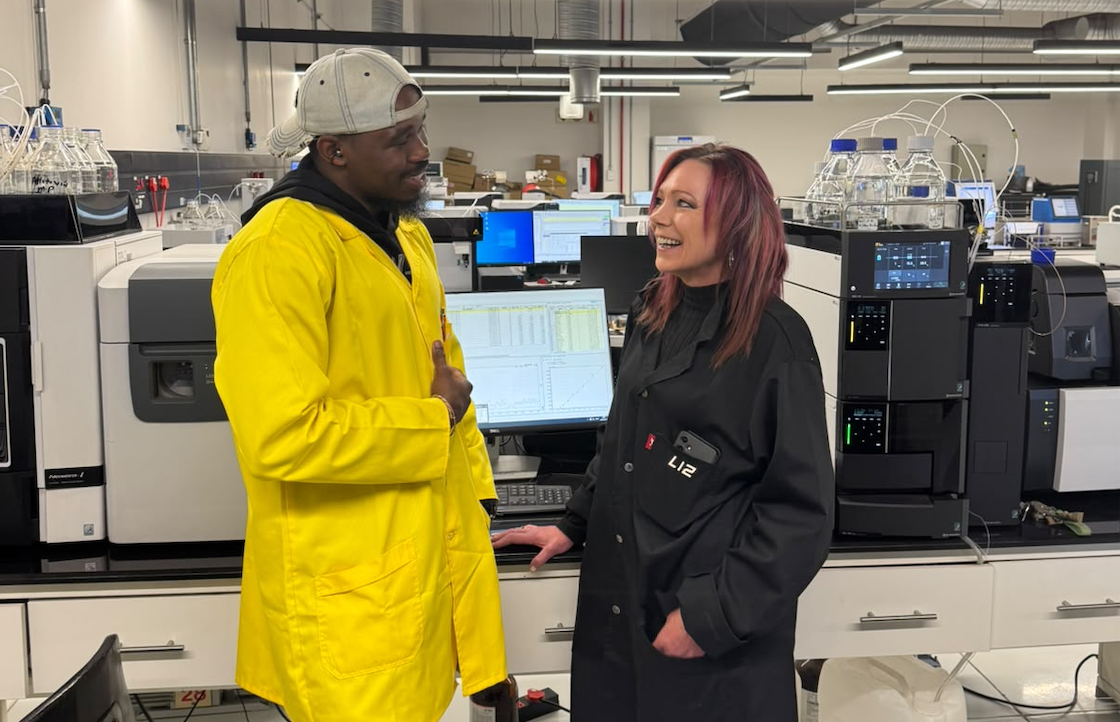
“We’ve got to drill down deeper to understand the mechanism of anti-cancer activity,” says Prof Piater. She is the lead researcher of the Ubuntu Lab research group in the Department of Biochemistry in the UJ Faculty of Science.
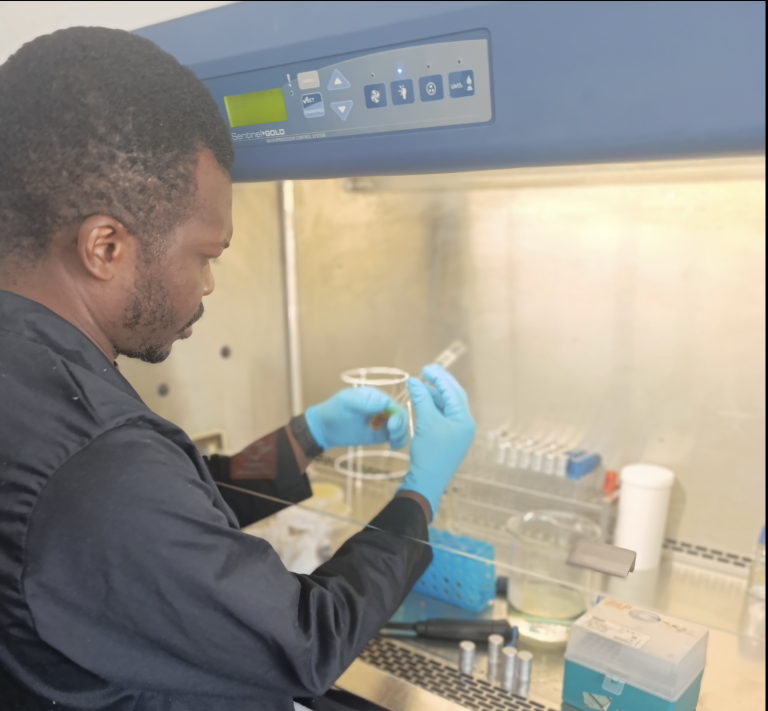
One of the PhD candidates researching how the venoms work is Mr Isac Mabunda. He grew up with these animals in Limpopo’s Giyani area. “It is like they are everywhere,” he says. “Anytime you are sitting, you are walking, you can encounter one. So every time when you see something shiny, there could be more of a snake.”
In that area, villagers have to keep their eye peeled summer and winter, day and night, Mabunda says. They see a lot of cobras, black mambas, green mambas, as well as pythons there. Villagers learn which trees the snakes favour from their elders who collect wood or people who herd cattle. “Check the surroundings of the tree, check on the ground if there is any track of snake. They prefer certain trees.”
Mabunda says many people in Giyani believe that all the snakes they encounter have the same venom. However, the research group is finding that venom from both snakes and scorpions differ in significant ways, even between the same species or families. Their own research and reviews of previous work show this.
Prof Piater calls these differences ‘chemical signatures’. “Their venom differs based on their geographical location. And that depends on their diets, their age, their prey and even whether they are male or female,” she says. For this reason, the venom from a cobra from South Africa and a cobra from Egypt will be different – even if it were the same species.
Mabunda’s research has centred on scorpions, to understand the venom composition. He also tested the venoms against a variety of cancer cells in the laboratory.
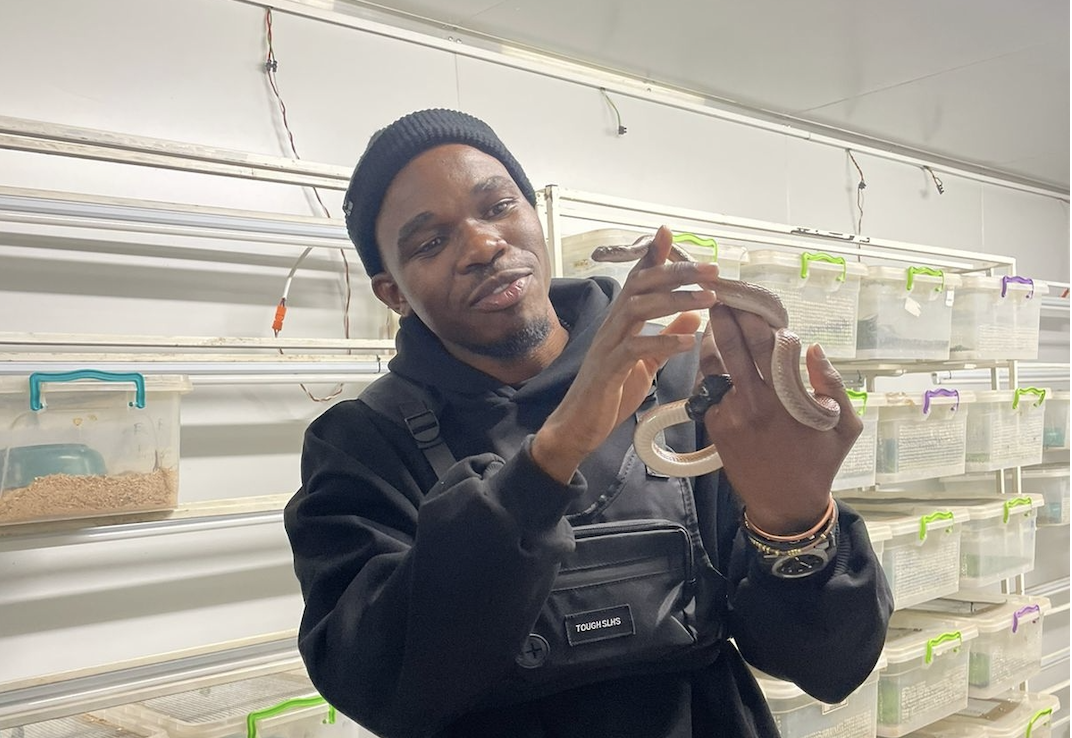
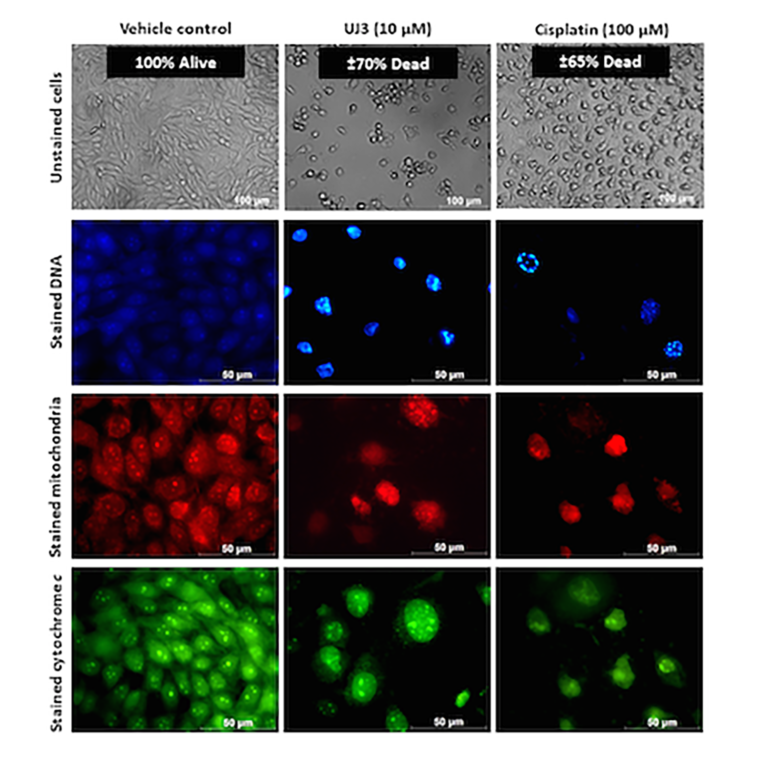
“In our study we asked, ‘does this scorpion venom have any anti-cancer properties? Can we use those to develop anti-cancer drugs?’ We found that a South African scorpion species does have that,” he says.
Prof Piater says the earliest tests, using crude venoms, were promising. “With the crude venom we saw that some of them show distinct anti-cancer activity in the cells, and they don’t affect normal cells,” she says.
In the next stage of the larger research project, Mabunda will not use the whole crude venom any longer. “For my PhD I will be going further. We will be separating the venom into different components. Then finding the exact one that is having the anti-cancer activity. We are going to purify that and then look at the pathway that it takes inside cancer cells in our laboratory tests.
“We are further going to use computational tools to validate the findings and to enhance the peptide’s binding affinity and proteolytic stability, making it a more viable therapeutic agent,” he adds.
In a 2025 study from the Ubuntu Lab research group, venom from spitting cobras effectively killed pancreatic cancer cells. The same study showed that venom from non-spitting cobras did almost nothing.
Venom from the Forest Cobra was very effective at targeting cervical cancer cells, with low harm to healthy cells.
South African scorpion venoms that Mabunda and others tested were very effective at killing melanoma skin cancer cells.
In parallel to the anti-cancer projects, the team will be contributing to antivenom research. The ultimate goal is to make antivenoms more available and more effective in South Africa, says Prof Piater.
“One of the major reasons we’re doing it is for Africa and African people in the rural communities. They are suffering the most from cancer morbidities. Also, when life-saving antivenoms are not available when they get bitten,” she says.
Research articles
2022 A Review of the Proteomic Profiling of African Viperidae and Elapidae Snake Venoms and Their Antivenom Neutralisation
2023 Snake venom toxins: Potential anticancer therapeutics
2023 A comparison of the venom proteomes and potential therapeutics of 3 African Naja subgenera
2024 The geographical distribution of scorpions, implication of venom toxins, envenomation, and potential therapeutics in Southern and Northern Africa
2025 The Proteome of African Spitting and Non-Spitting Cobra Venoms and Cytotoxicity Against Pancreatic Cancer Cells
2025 Scorpion venoms from the Buthidae family: A dual study of proteomic composition and anticancer potentials
2026 Proteomic exploration of the recently Re-classified forest cobra Naja species and the potential cytotoxic activity in cancer cell lines