The University of Johannesburg (UJ) Faculty of Law celebrated the 50th anniversary of the Tydskrif vir die Suid-Afrikaanse Reg (TSAR), marking five decades of academic excellence, critical legal scholarship and contributions to the development of South African jurisprudence.
Established in 1976, TSAR has become a respected platform for legal research, providing generations of academics, judges and legal practitioners with opportunities to engage critically with developments in law and contribute to legal discourse.
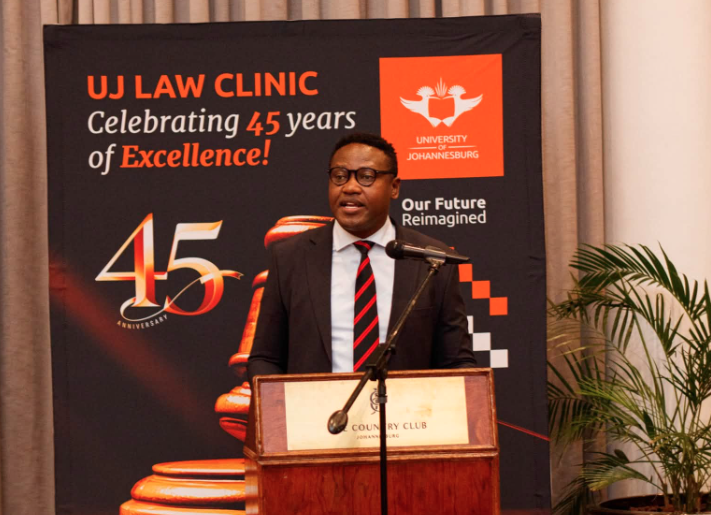
The golden jubilee celebration brought together distinguished members of the judiciary, legal profession, academia and publishing industry to reflect on the journal’s history, recognise its achievements and consider its future. The programme featured addresses by UJ Vice-Chancellor and Principal, Professor Letlhokwa Mpedi; Executive Dean of the Faculty of Law, Professor Charles Maimela; TSAR Editor-in-Chief, Professor Jean Sonnekus; retired Constitutional Court Justice Johann Kriegler; and Juta’s Chief Content and Product Officer, Edmund Beerwinkel.
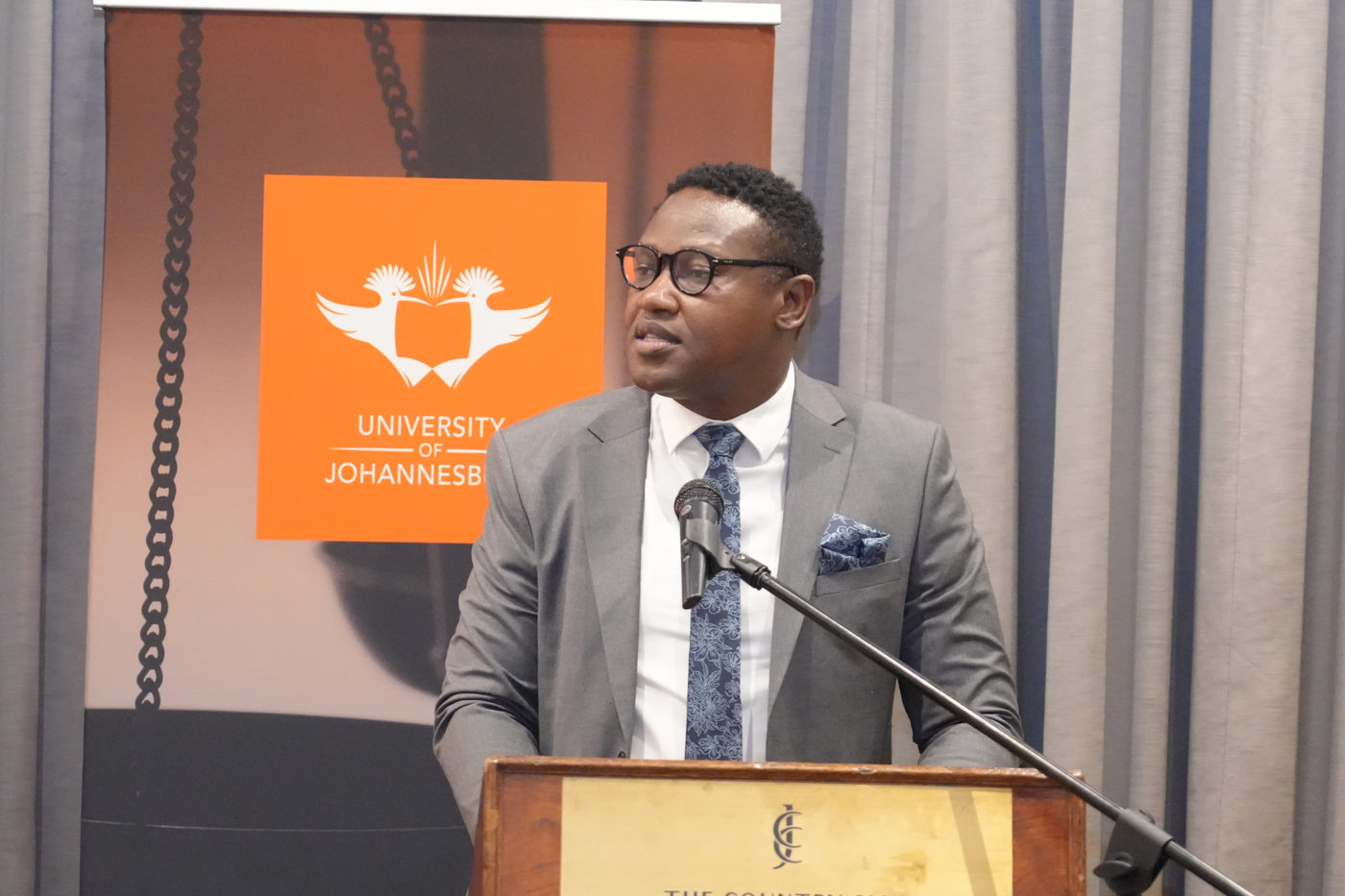
Welcoming guests, Prof Maimela described the anniversary as a significant milestone for the Faculty and the broader legal academic community. He acknowledged the generations of scholars whose contributions have sustained the journal’s reputation and highlighted its role in advancing legal discourse, informing judicial reasoning and contributing to policy development.
He encouraged the academic community to build on the foundations established over the past five decades and reimagine TSAR for the next 50 years.
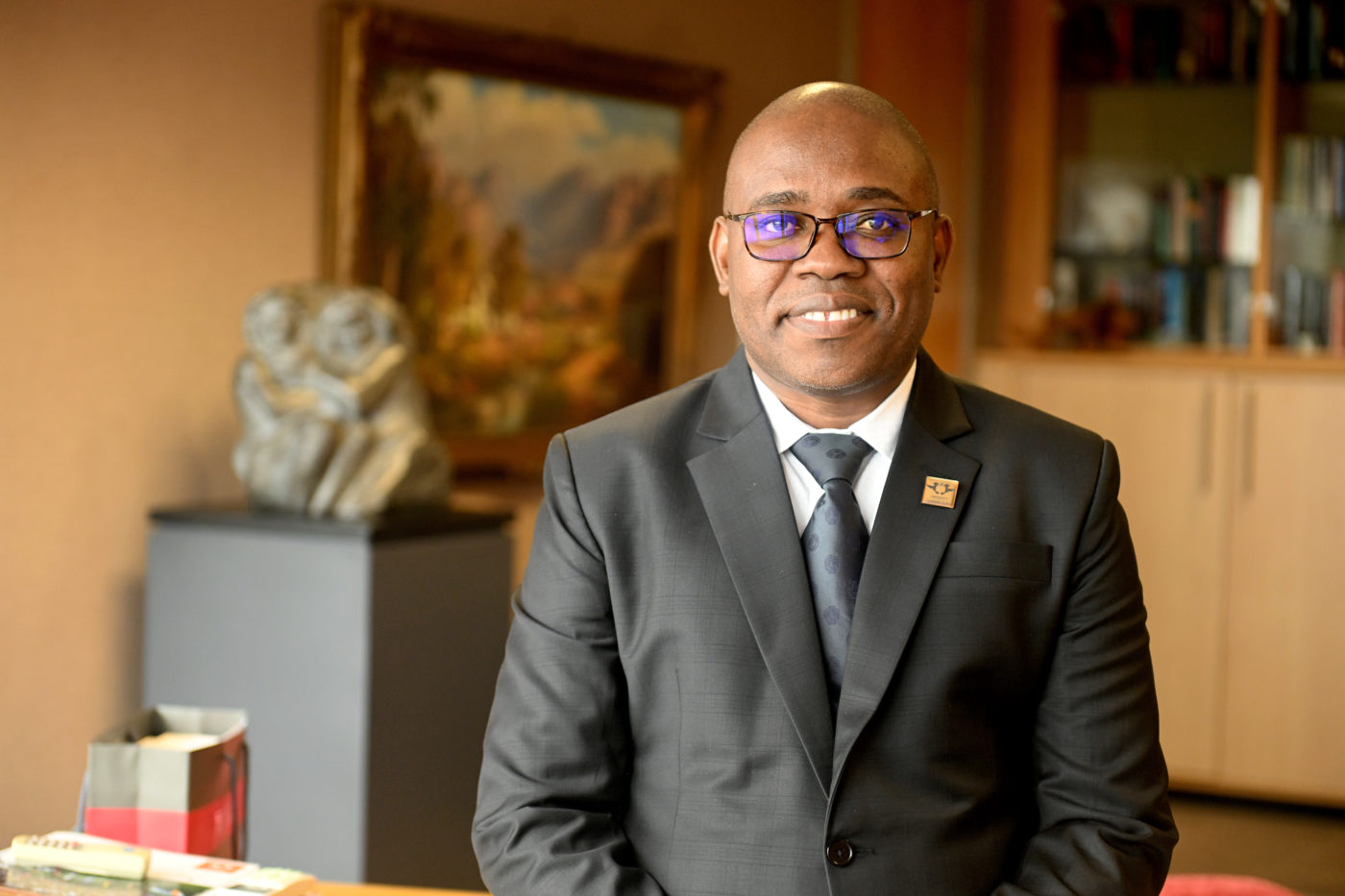
In his address, Prof Mpedi reflected on the journal’s contribution to South African jurisprudence, particularly its role in documenting legal developments through the country’s transition to democracy and constitutional transformation.
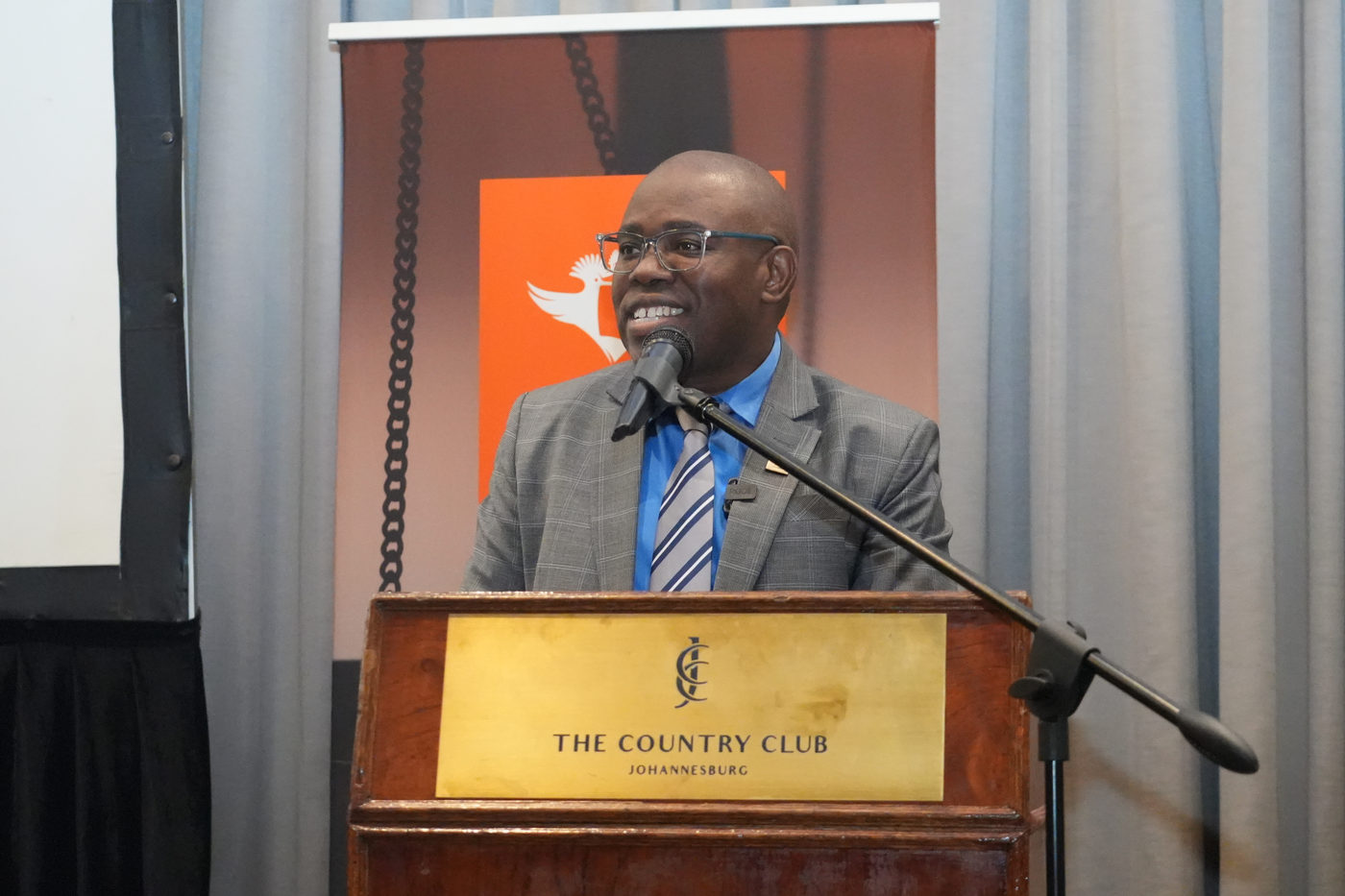
“To sustain a premier peer-reviewed legal journal for 50 years requires far more than mere academic interest. It demands vision, dedication, and uncompromising commitment to legal excellence,” he said.
Looking ahead, Professor Mpedi challenged the journal to remain relevant in addressing emerging legal questions arising from artificial intelligence, automated decision-making and digital governance.
“How does legal scholarship bridge the gap between human justice and artificial intelligence?” he asked, emphasising the importance of ensuring that technological innovation advances human dignity, justice and societal progress.
Reflecting on TSAR’s editorial history, Professor Sonnekus emphasised the journal’s longstanding commitment to rigorous research, academic integrity and scholarly quality. He highlighted the importance of maintaining uncompromising editorial standards, verifying legal sources and preserving multilingual scholarship, particularly within South Africa’s diverse legal tradition.
Prof Sonnekus further noted that the journal’s credibility rests on publishing reliable, carefully researched contributions that inform legal practice and advance legal knowledge.
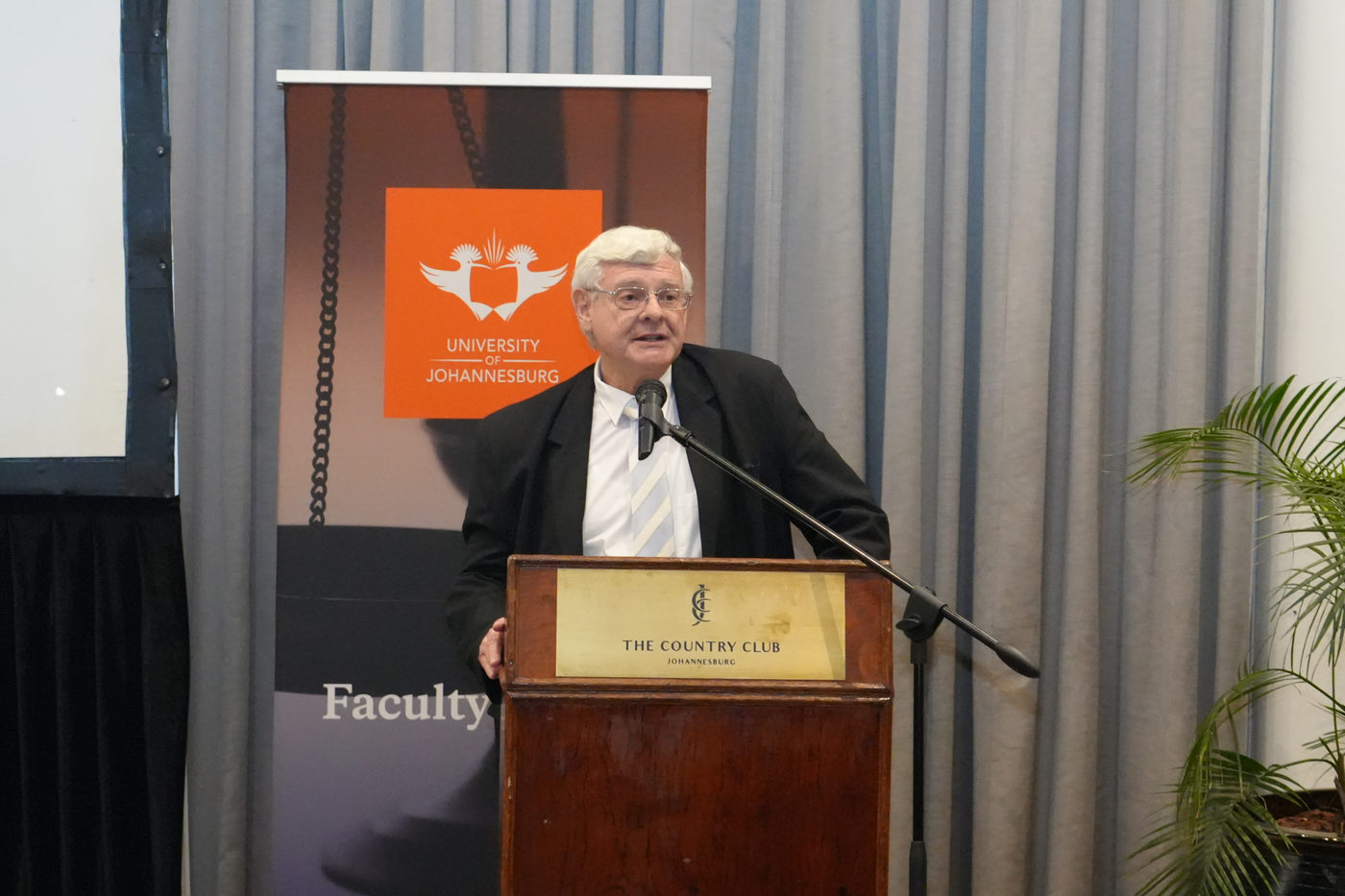
Representing Juta, TSAR’s publishing partner, Edmund Beerwinkel, Chief Content and Product Officer, commended the editorial team for its dedication to maintaining high standards and ensuring the journal’s consistent publication. He emphasised that academic publishing extends beyond producing journal volumes to preserving scholarship, safeguarding quality and providing trusted platforms for intellectual debate.
Highlighting TSAR’s influence beyond academia, Beerwinkel shared that his research had identified more than 400 citations of the journal in court judgments, demonstrating its contribution to judicial reasoning and legal practice.
Retired Constitutional Court, Justice Johann Kriegler reflected on the vision and determination of the young legal academics who established TSAR in 1976. He spoke as a longstanding reader of the journal, highlighting the ambition of its founders and the dedication required to establish and sustain a respected academic publication.
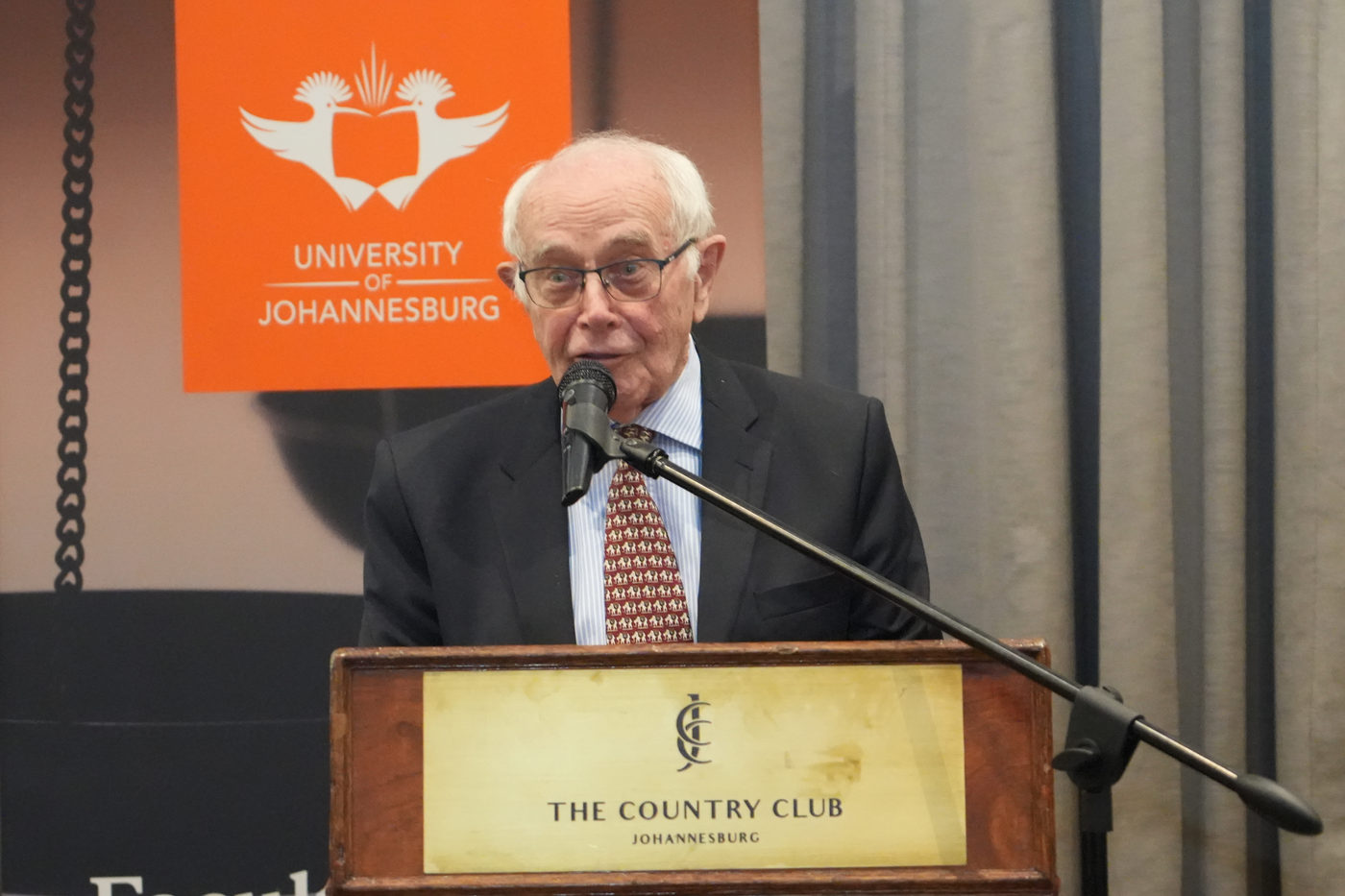
Justice Kriegler also reflected on the journal’s contribution to South Africa’s evolving legal landscape, emphasising the importance of independent scholarship, critical legal commentary and preserving academic excellence through institutional transformation.
For the UJ Faculty of Law, TSAR’s golden jubilee represents a significant institutional milestone. Edited by members of the Faculty, the journal reflects UJ’s commitment to advancing legal research, fostering critical inquiry and contributing to knowledge production.
The celebration recognised the collective contributions of the journal’s editors, reviewers, authors and publishing partners, whose dedication has sustained its reputation over five decades.
As TSAR enters its next chapter, the anniversary serves as both a celebration of its distinguished history and a reaffirmation of the importance of rigorous, independent and socially relevant legal scholarship.
Professor Mpedi expressed his hope that the journal would continue to “inform, challenge, inspire, and shape the law for generations to come.”