“This opportunity represents more than a personal achievement. It reflects the support, mentorship and opportunities I have received throughout my academic and professional journey. I am deeply grateful to my supervisors, Professors A.A. Ambushe, M.A. Mamo and T. Magadzu University of Limpopo (UL), mentors, colleagues, family and everyone who has believed in my potential and encouraged me to keep pursuing my goals.”
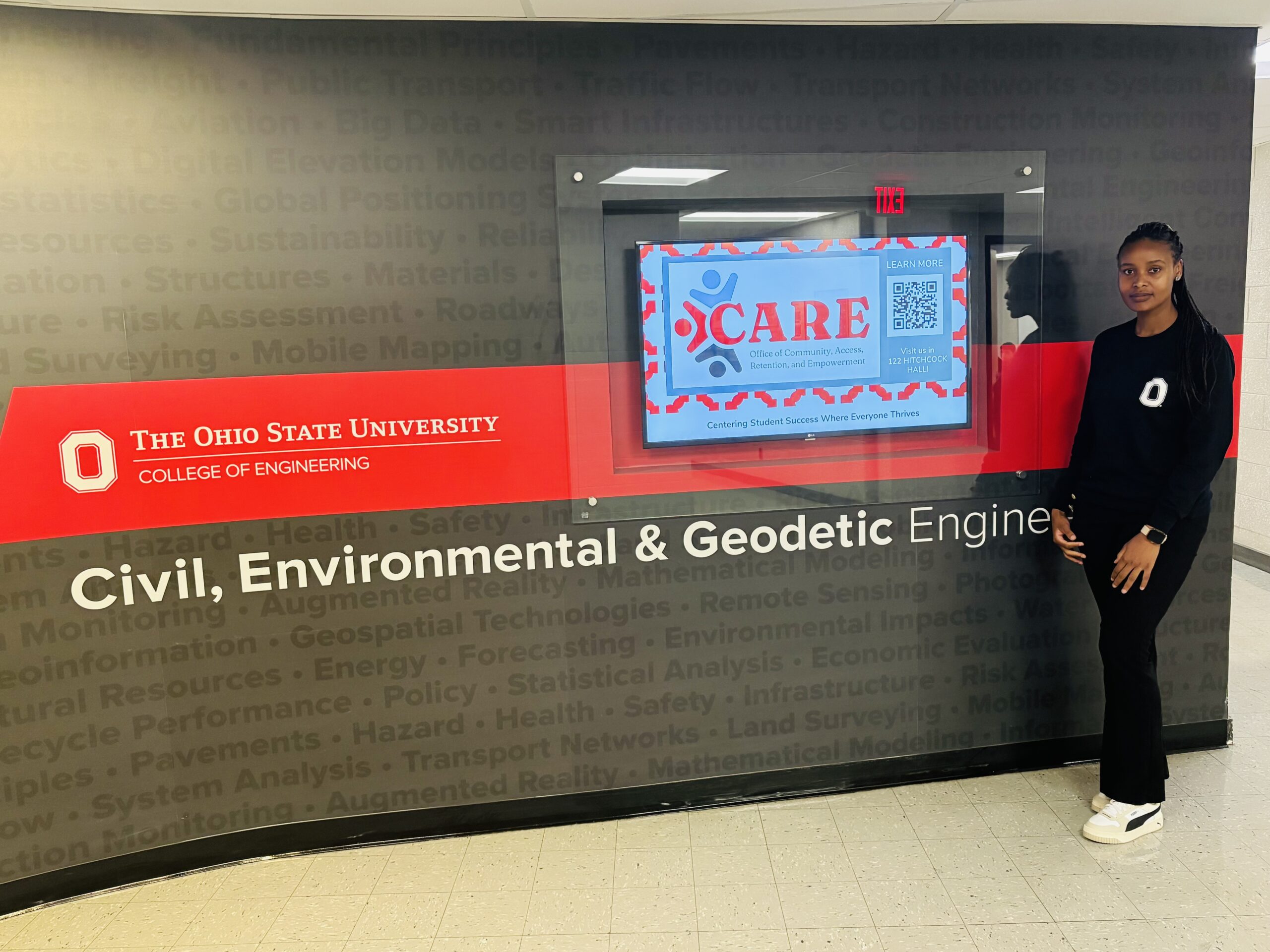
Those were the words of Dipuo Thobakgale, a Doctor of Philosophy (PhD) candidate in Chemistry at the University of Johannesburg (UJ) who was awarded a Fulbright Scholarship to undertake research at The Ohio State University (OSU) in the United States.
Her research focuses on the use of magnetic biochar to remove selected potentially toxic elements from water and wastewater. The research contributes to the development of sustainable and environmentally responsible approaches to water treatment.
Thobakgale’s placement builds on her PhD research on magnetic biochar derived from agricultural waste for the removal of potentially toxic elements from contaminated water. Under Prof John J. Lenhart, an Environmental Engineering Professor at OSU’s guidance, she is developing knowledge of contaminant-surface interactions, adsorption mechanisms, contaminant fate and water-treatment processes. She says that the experience will enable her to gain new scientific skills, techniques and international research exposure, with the aim of transferring relevant knowledge back to South Africa to strengthen research and support sustainable water-treatment solutions.
Thobakgale’s academic journey reflects a strong passion for science and a dedication to advancing knowledge in the field of chemistry. She completed a Bachelor of Science (BSc) in Biochemistry and Chemistry at UL. Driven by a growing interest in chemistry, she continued her studies by pursuing a BSc Honours in Chemistry and a Master of Science (MSc) in Chemistry. Her MSc research focused on the removal of toxic elements using surface-modified multi-walled carbon nanotubes, with relevance to water pollution challenges in Limpopo. Her academic progression has now culminated in her pursuit of a PhD in Chemistry at UJ.
Her professional experience includes Chemistry tutoring and practical demonstrating at UL, laboratory work at the DSI-NRF SARChI Parasitology Laboratory, serving as a Laboratory Assistant at the Oprah Winfrey Leadership Academy for Girls, and working as a Chemistry Tutor and Demonstrator at UJ. In addition to her academic achievements, Thobakgale was selected as a 2025 GreenMatter Fellow and 2025 Black Women in Science Fellow.
Prof Abayneh Ambushe, Associate Professor Department of Chemical Sciences, at UJ says; “Dipuo has developed into a capable, independent and highly motivated environmental researcher. From her MSc research on the removal of toxic elements from contaminated groundwater to her current PhD work on magnetic biochar composites for water and wastewater treatment, she has consistently demonstrated strong scientific ability and a commitment to addressing real-world environmental challenges. Her Fulbright opportunity at OSU is an important step in her development as a researcher, providing her with international exposure, new research skills and opportunities for collaboration that will further strengthen the impact of her work”.
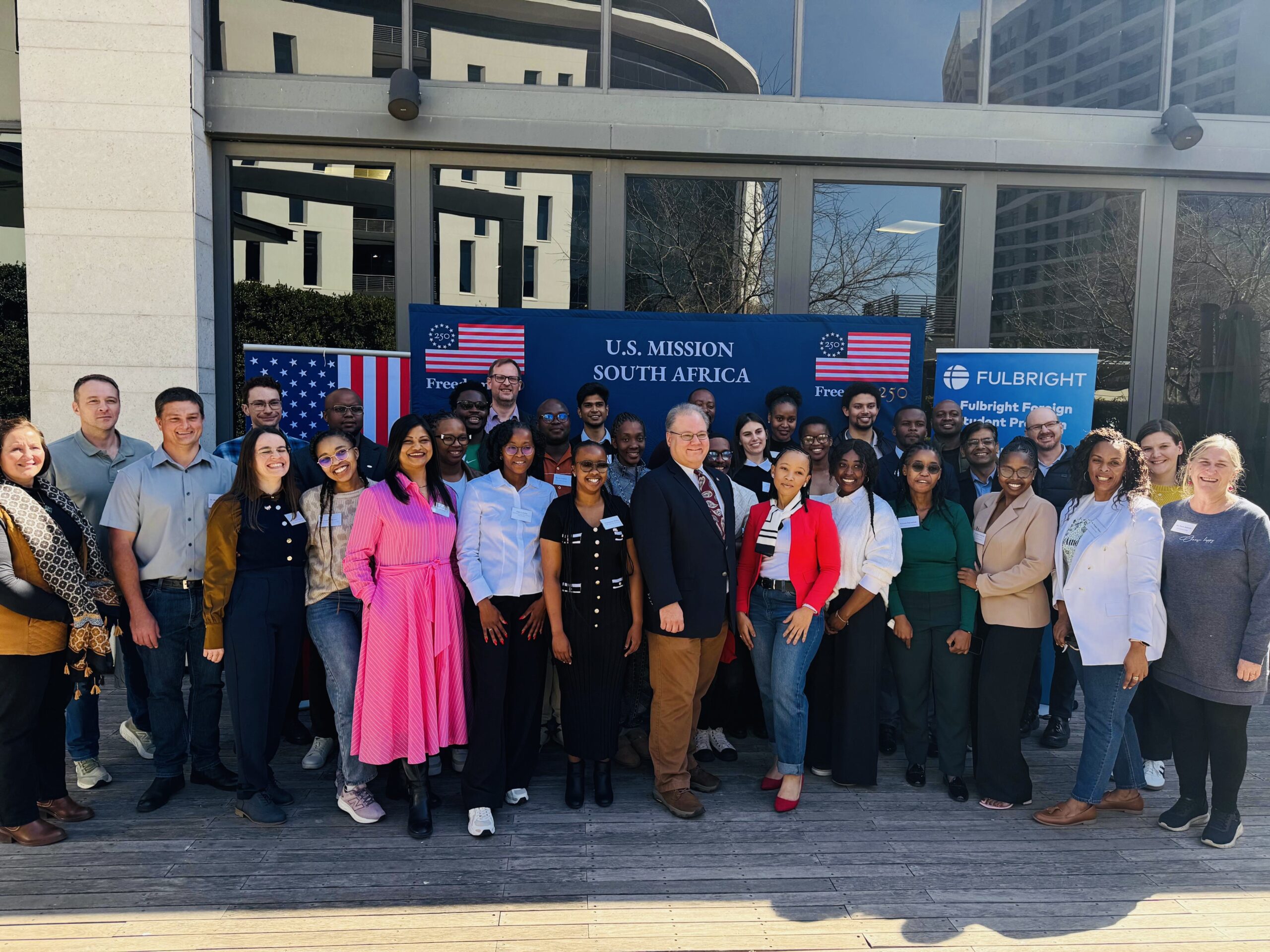
Thobakgale says she intends to apply the relevant knowledge and techniques gained in the United States to her research and to address water-quality challenges in South Africa. Her Fulbright opportunity builds on an academic and professional journey that has included Chemistry research, laboratory work, teaching, mentorship and participation in the GreenMatter Fellowship and Black Women in Science Fellowship.
On returning to South Africa, she says she plans to share relevant research knowledge and practices through continued research, collaboration, student support and mentorship. Her experience demonstrates how sustained academic development, laboratory experience, teaching and fellowship opportunities can contribute to international research engagement and the advancement of locally relevant scientific solutions.
Thobakgale adds that the knowledge gained may help her move beyond reporting contaminant-removal percentages to understanding how pH, surface chemistry, adsorption and desorption, competing ions and water composition influence treatment performance and contaminant stability. She further says that she intends to apply relevant skills, techniques and research approaches learned at OSU to her ongoing PhD research at UJ. She also hopes to apply this knowledge to develop sustainable treatment materials from agricultural residues abundant in South Africa.