The use of Artificial Intelligence (AI) is already impacting South African society. And monitoring its effects require better methods than those currently available.
But AI is not the only Big Data factor worth monitoring. Three others are also driving potential societal upheaval, argues Professor Kevin Durrheim.
“We need to know more about misinformation, political polarisation and extremism. Only then can we trace the consequences of these large-scale online factors on democracy and social cohesion in South Africa,” he says.
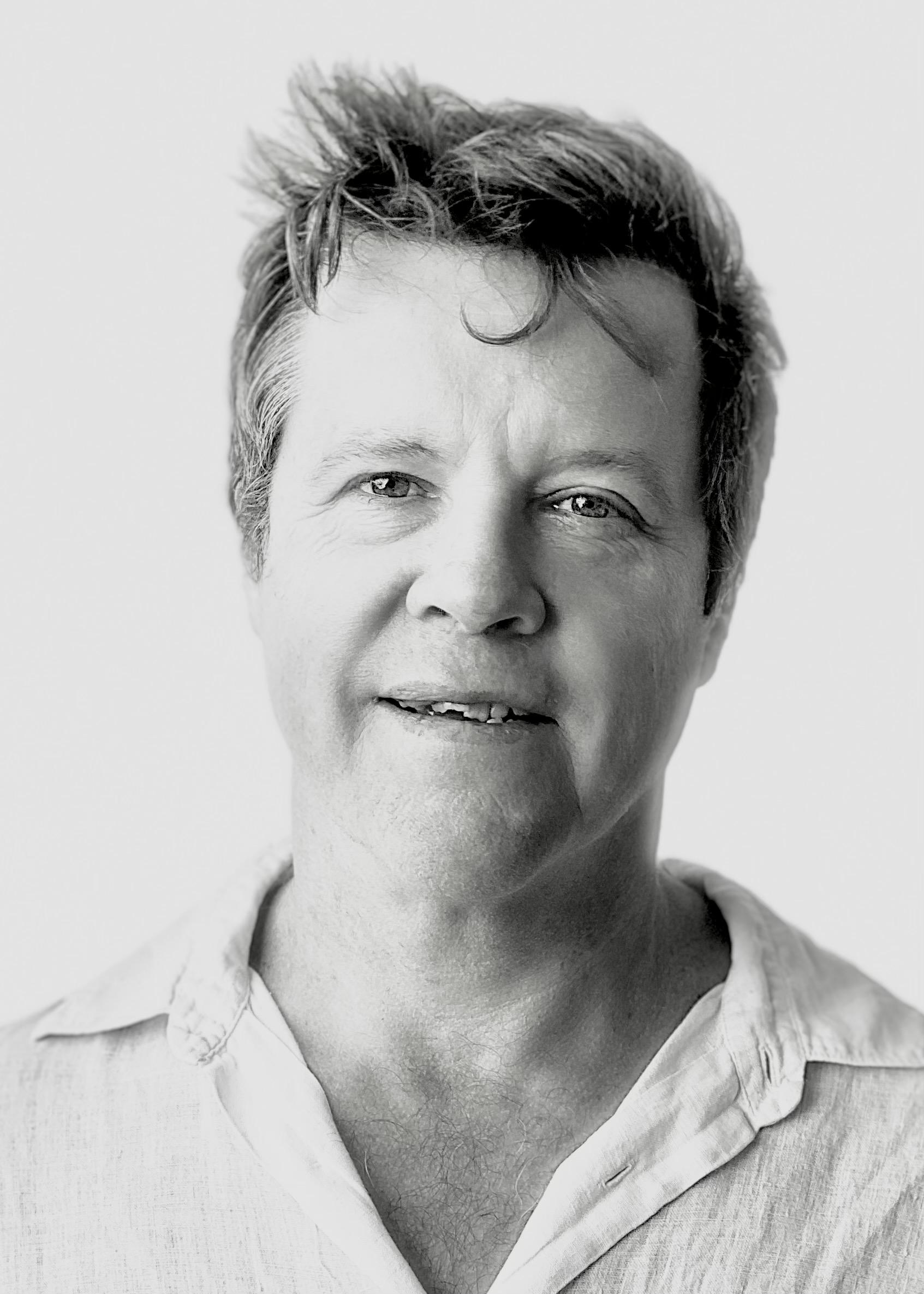
Prof Durrheim is a Professor in the Faculty of Humanities at the University of Johannesburg (UJ).
“We are going to need much better public infrastructure for checking claims made on the internet and social media. We need factchecking, trusted archives, source verification, and knowing who said what and where it came from,” he adds.
Prof Durrheim has been appointed the DSTI/NRF-Germany Bilateral SARChI Chair in Big Data and the Social Sciences hosted at UJ, for its initial five-year term from 2026 to 2030.
National Research Foundation (NRF) Bilateral Chairs have a primary research focus on international or global priority issues of interest to the collaborating countries.
AI and its effect on democracies
For him, the big issue is AI and what it will do to the stability of public knowledge, he says.
“In the past we could mostly assume that a photograph, recording, quotation or news report had some connection to a real event or person. Increasingly we won’t be able to make that assumption. AI makes it very easy to produce convincing false text, images, audio and video, at huge scale.
“That is a serious problem in a world already dealing with elections, war, political instability, migration and economic pressure. Democracies all over the world face these challenges, including South Africa and Germany,” he adds.
Big Data monitoring as-it-happens
Prof Durrheim’s plans for the Chair include developing tools to track online and public trends in real time. They will specifically study fake news and misinformation; extreme or radical views; and community division versus unity.
The researchers will use machine learning, large language models (ChatGPT, Claude and Gemini are examples), and data analysis of news and public discussions.
A central part of the Chair is building an open-access online database of news quotes from Southern Africa. The information will be free and publicly available, says Prof Durrheim.
“This Quotebank will serve several purposes. Journalists will be able to easily search and verify media quotes. Monitoring democracy and tracking policy changes will be easier for citizens and researchers.
“The Quotebank will also provide data to build Africa-centred AI models that better understand local languages, slang, cultural contexts and perspectives. It is a priority for the Chair to ensure that advances in AI and Big Data do not reproduce Global North biases in Southern Africa,” he says.
“The potential public benefit is earlier detection of harmful shifts in public discourse, stronger evidence for policy and journalism, and better-trained researchers able to use AI responsibly in understanding and addressing social problems.
“AI creates the problem, but it can also be part of the solution,” concludes Prof Durrheim.
Global collaboration
Prof Durrheim is a globally leading researcher, with an A-rating by the South African National Research Foundation. He focuses on the social psychology of intergroup relations, and research related to racism, segregation and social change.
The SARChI Chair has international research partners and principal collaborators Dr Davide Morselli at the University of Lausanne in Switzerland; and Prof Mike Quayle at the University of Limerick in Ireland.
South African collaborators for the Chair include Prof Mpho Primus, Co-Director of the Institute for Intelligent Systems at UJ, Dr Thipe Modise at the University of Limpopo and Dr Dan Mosethe at TUT.
Sustainable Big Data research capacity in Southern Africa
The Bilateral Chair will be focusing on three Sustainable Development Goals (SDGs) in particular:
Peace, Justice and Strong Institutions (SDG 16): The Chair is concerned with misinformation, polarisation, extremism and strengthening trustworthy public information and democratic institutions.
Quality Education (SDG 4): A major part of the Chair is training a new generation of African researchers in AI, Big Data and computational social science.
Reduced Inequalities (SDG 10): Reducing Africa’s disadvantage in access to data, AI technologies and advanced research training, and ensuring African data and perspectives are represented in AI.