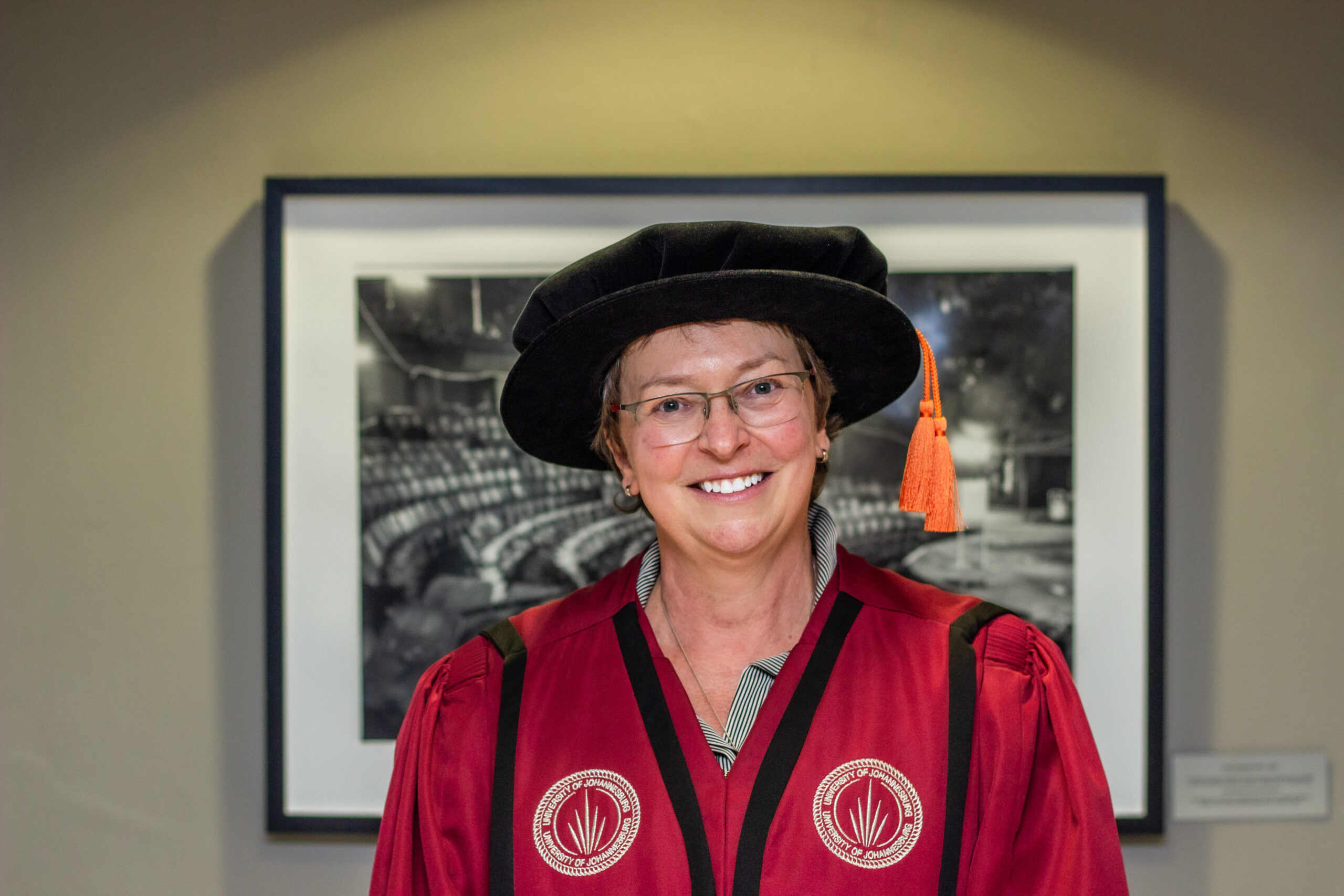
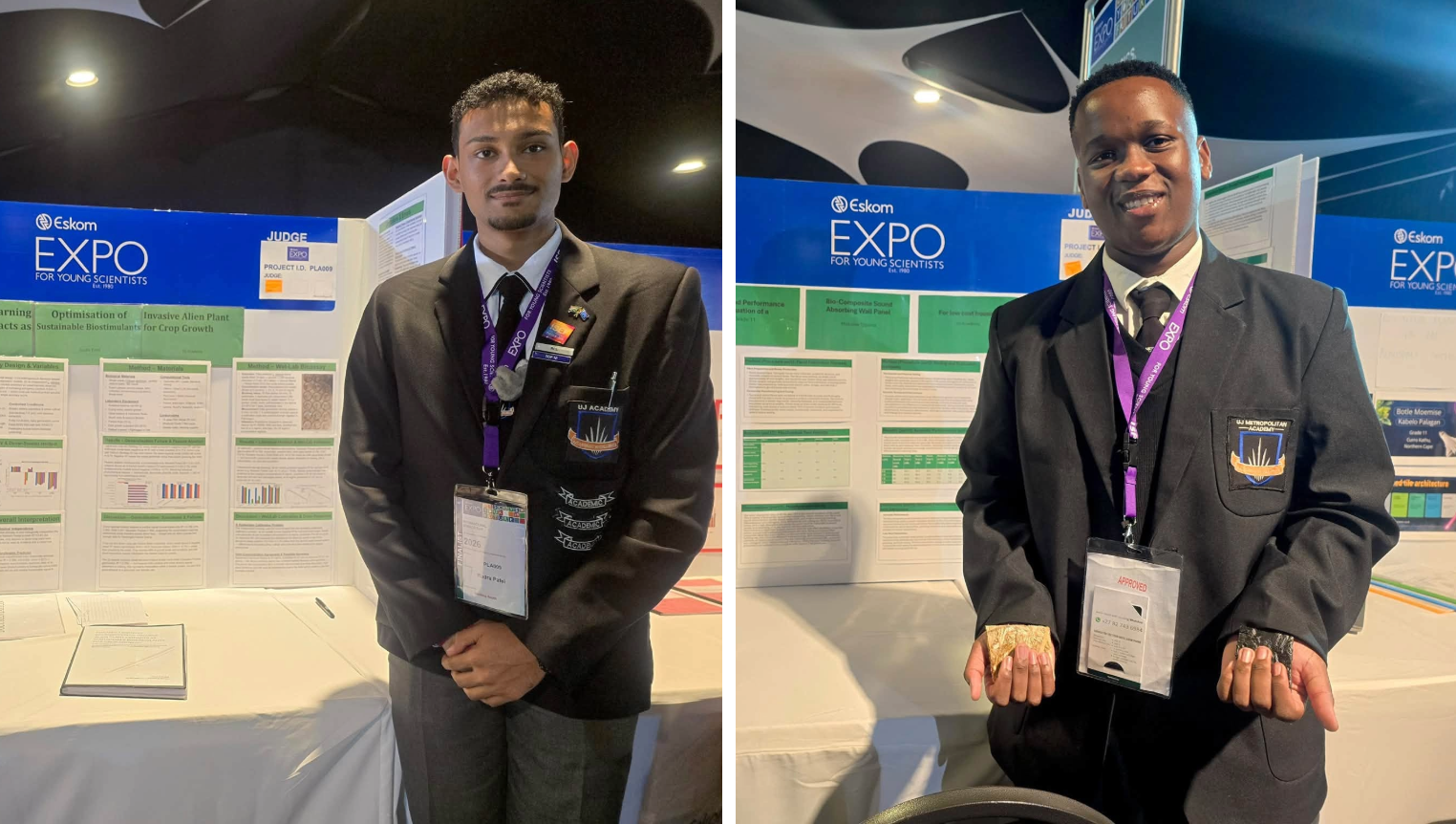
The University of Johannesburg (UJ) marked Women’s Month 2026 with a powerful celebration of women in innovation and entrepreneurship, as the UJ Technology Transfer Office (UJ TTO), through the Student Women Economic Empowerment Programme (UJ SWEEP), hosted the Women in Innovation and Entrepreneurship Seminar.
Held under the theme, “Shaping the Future of Innovation: Equipping and Celebrating Women Innovators and Entrepreneurs at UJ,” the seminar brought together students, entrepreneurs, innovators and industry leaders for meaningful conversations on innovation, entrepreneurship, leadership and economic empowerment.

The event highlighted a powerful message: women are not simply participants in the innovation ecosystem; they are problem-solvers, business leaders, inventors and changemakers whose ideas have the potential to transform communities.
In welcoming attendees, the organisers reflected on the significance of Women’s Month and the legacy of the women who marched to the Union Buildings in 1956. The discussion connected this historic legacy of courage and collective action with the responsibility of today’s generation of women to create, innovate and open doors for those who follow.
The event also challenged attendees to consider what their own ‘petition’ would be if they had the opportunity to stand before the leaders of the country today, particularly as young innovators and entrepreneurs.
Turning challenges into opportunities
A major highlight of the event was the keynote address by Refilwe Sebothoma, founder and CEO of Hakem Energies and an accomplished entrepreneur, business strategist and impact leader.
Sebothoma shared her entrepreneurial journey and the experiences that shaped her approach to business, innovation and leadership. Through the story of her upbringing and her family’s experience with energy poverty, she demonstrated how innovation can emerge from real-life challenges.
Her message was clear: innovation does not always begin with sophisticated technology or abundant resources. Sometimes it starts by looking at the circumstances around us and asking how we can build solutions with what we already have.
As founder and CEO of Hakim Energies, Sebothoma has focused on addressing energy poverty by improving access to LPG through innovative last-mile distribution models, including the Hakim LPG Box.
She encouraged young entrepreneurs to focus on problems that affect their communities and to develop solutions that can create both social impact and sustainable businesses.
“If I did it, so can you,” was one of the central messages she left with the audience, challenging young women not to view entrepreneurship and success as something reserved for a select few.
Courage, resilience and resourcefulness
Sebothoma identified several qualities that have shaped her entrepreneurial journey, including courage, resilience, vulnerability, resourcefulness, humility, curiosity and purpose.
She encouraged aspiring entrepreneurs to be courageous enough to start, even when they do not feel completely ready. She also emphasised that resilience is essential because setbacks are not an exception in entrepreneurship, but part of the journey.
Her message around resourcefulness resonated strongly with the audience. Rather than waiting for perfect conditions or resources, she encouraged young people to start building with what they have and, most importantly, to take action.
She reminded the audience that ideas only create impact when they are implemented.
“Opportunity meets people who are doing the work,” she said, highlighting the importance of moving beyond ideas to execution.
For Sebothoma, entrepreneurship should not only be about generating income. It should also be about solving meaningful problems and improving people’s lives. She challenged young innovators to look at challenges such as energy, water, food security and sanitation not simply as problems, but as opportunities to develop sustainable solutions.
Creating space for women to lead
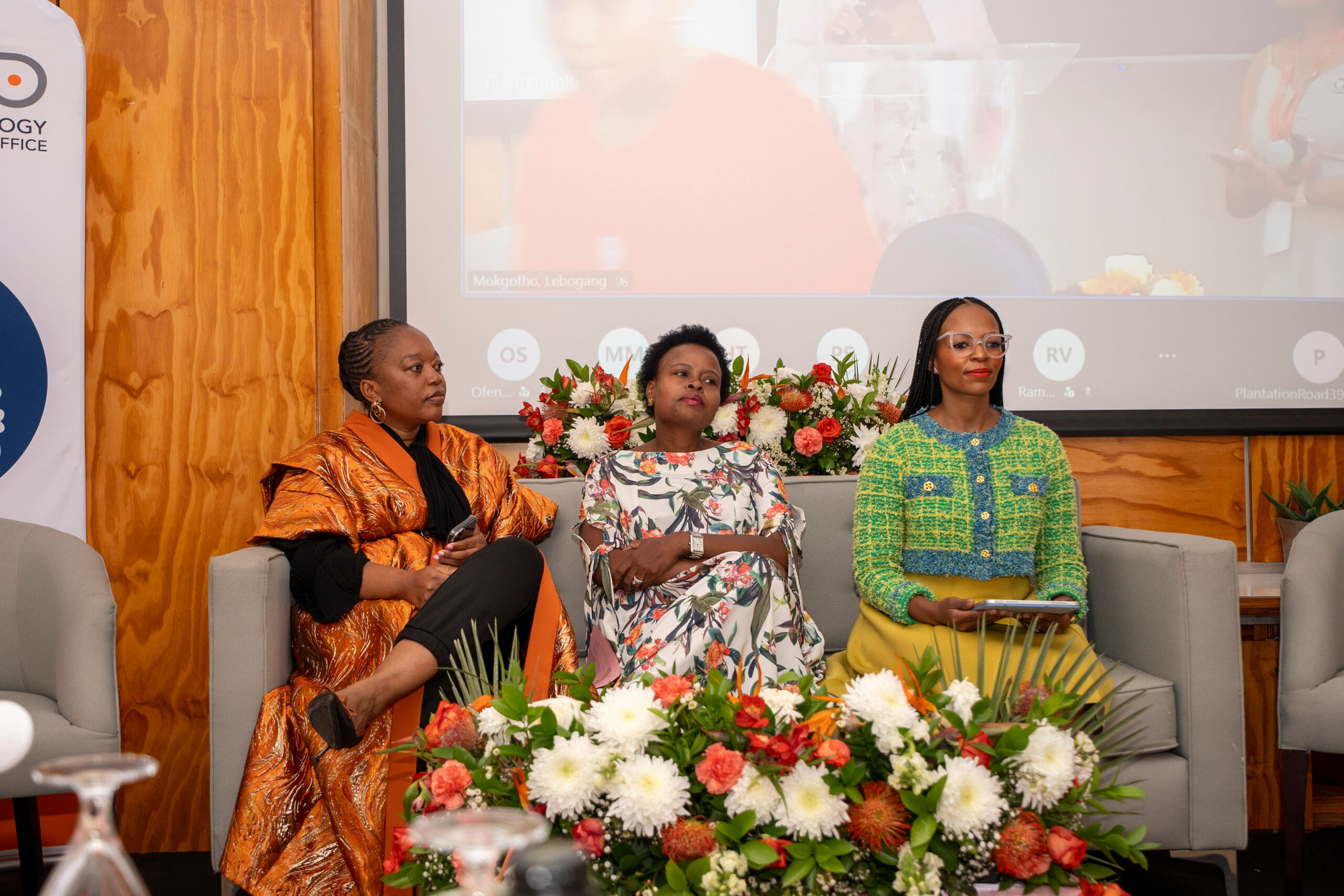
The event also created space for an engaging panel discussion focused on the realities facing women entrepreneurs, including structural barriers, access to funding and the importance of support systems.
The discussion brought together accomplished women who shared personal experiences of navigating professional and entrepreneurial spaces and offered practical lessons to the next generation.
The conversation emphasised that empowerment should go beyond motivational messages. Young women need access to networks, knowledge, capital, mentorship and spaces where they can confidently participate and grow.
The panellists were also recognised for having entered spaces that future generations aspire to occupy, reinforcing the importance of representation and creating pathways for others.
The panel featured Matsi Modise, Nana Phiri and Sebothoma, who shared their experiences and perspectives on navigating professional spaces, building sustainable businesses and creating opportunities for other women.
Matsi Modise, an entrepreneur and seasoned chairperson of listed and unlisted companies, is the founder of Furaha, which focuses on investments, technology, innovation and climate finance. As the World Climate Foundation Africa Lead, she has worked to strengthen Africa’s voice and participation in climate innovation, sustainability and investment.
Nana Phiri, an accomplished African business leader and board member, brought more than two decades of executive experience across corporate and investment banking, insurance and financial markets. Her career has included senior leadership positions at Rand Merchant Bank and Sanlam, providing valuable insight into leadership, finance, business growth and navigating complex corporate environments.
Together, the panellists offered participants a powerful reminder that women do not need to wait for permission to occupy spaces of influence. They can create businesses, lead organisations, enter industries where women remain underrepresented and actively contribute to shaping the future.
Women in AI: Exploring the future of technology
Adding a strong technology and innovation dimension to the programme, Chenez Henderson, Founder and CEO of Henko Group, facilitated a dedicated Women in AI talk, creating an important space for participants to explore the opportunities and possibilities presented by artificial intelligence.
Henderson shared insights from her experience of building a diversified, women-owned industrial group operating across Southern Africa. Her work spans energy, mining, engineering, technology, environmental remediation and logistics, among other sectors.
Through the Women in AI discussion, she highlighted the growing role of women in emerging technologies and the importance of ensuring that women are not only users of technology, but also creators, innovators and decision-makers shaping its future.
Her involvement in IoT and AI-driven innovation demonstrated how emerging technologies can be applied across industries to address complex challenges and create new opportunities. The session encouraged young women to engage with technologies such as artificial intelligence with curiosity and confidence, while recognising the potential for these technologies to contribute to Africa’s economic and industrial development.
From UJ students to innovators
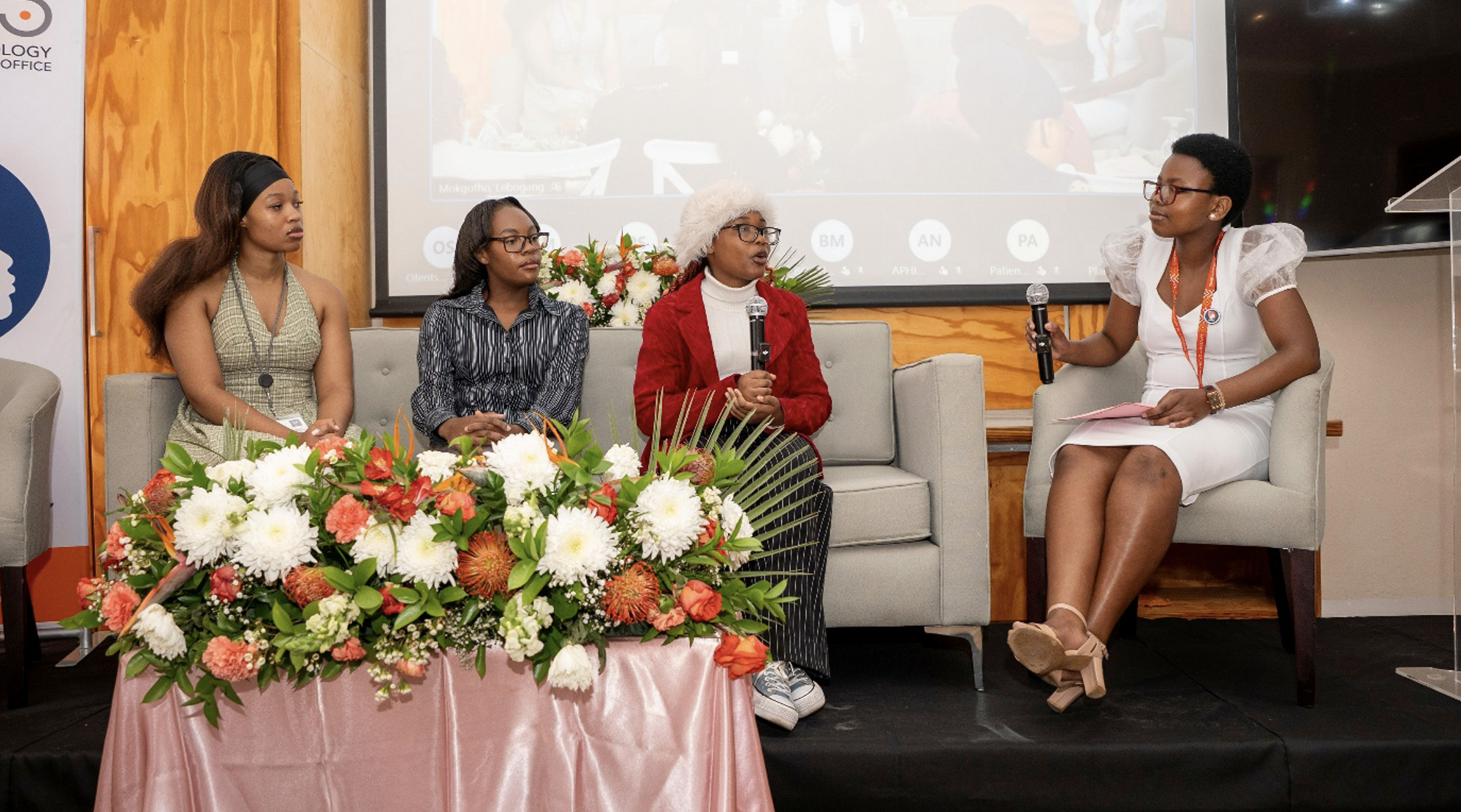
A further highlight was the showcase of UJ’s emerging women innovators and entrepreneurs.
The student-focused discussion explored the realities behind innovation, including challenges, setbacks, failure, support systems and the journey of turning ideas into viable solutions and businesses.
The session provided students with an opportunity to hear directly from fellow young innovators who are already taking their ideas into the marketplace and engaging with real-world challenges.
The conversations demonstrated that innovation is not limited to established entrepreneurs. Universities are important spaces for developing ideas, testing solutions and nurturing the next generation of entrepreneurs.
Taking up space and leaving the door open
One of the strongest messages to emerge from the event was the importance of women taking up space.
The discussions encouraged young women not to allow their backgrounds, circumstances or perceived limitations to determine their futures. Instead, they were encouraged to define their own journeys and use their achievements to create opportunities for others.
The closing reflections captured this idea through the call for women to take up space, leave the door open and create a ripple effect for those coming behind them.
The event therefore became more than a celebration. It became a call to action for women to innovate, build, lead, collaborate and create sustainable solutions that respond to the needs of their communities.
For UJ SWEEP, the gathering marked an important step towards establishing a platform that celebrates and supports women innovators and entrepreneurs within the University and beyond.