University of Johannesburg Women in Community Engagement Empowerment Programme celebrates leadership, resilience and the power of collective action
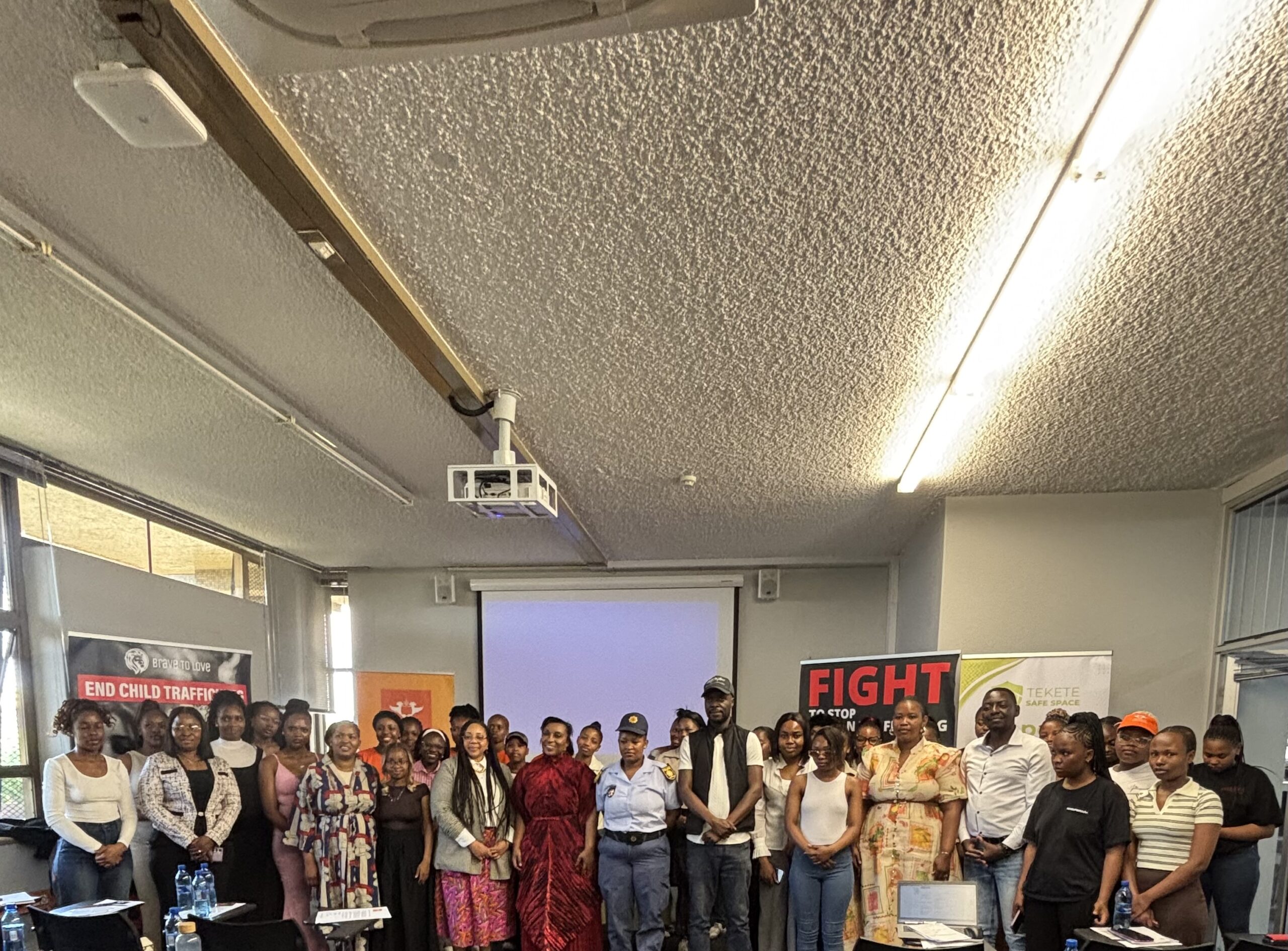
More than 100 women from diverse sectors gathered at the School of Tourism and Hospitality on the University of Johannesburg’s (UJ) Auckland Park Bunting Road Campus for the annual Women in Community Engagement Empowerment Programme (UJ WiCEEP) on Monday, 24 August 2026.

Held under the theme From Voice to Action: Women Shaping Strong Communities, the programme provided a dynamic platform for women to celebrate achievements, share experiences, build meaningful connections and explore practical ways of contributing to stronger and more inclusive communities.
The event brought together female student volunteer champions, women in business and academia, representatives from Community-Based Organisations (CBOs), and leaders from both the public and private sectors. While their professional backgrounds differed, participants were united by a common commitment to advancing women’s empowerment and creating positive change within their communities.
The programme was directed by Ms Precious Maputle from the Faculty of Engineering and the Built Environment. In reflecting on the purpose of the initiative, Ms Fiona Mahlori, Senior Manager for Community Engagement described the UJ Women in Community Engagement Empowerment Programme as an important platform for women to connect, learn from one another and translate conversations about empowerment into meaningful action.
Leadership through action
A highlight of the programme was a thought-provoking panel discussion featuring women leaders with experience across sectors.
The panel comprised Ms Beaulah Monamane, Director of Human Capital Management at UJ, representing the public sector; Dr Pulane Modiha, author, part-time lecturer at the Johannesburg Business School and Chief Operating Officer for Home and Structured Lending at First National Bank, representing the private sector; and Ms Lizzy Mabena, Chief Operating Officer and business leader at I Am a Woman of Influence, representing the Community-Based Organisation sector.
The speakers shared personal and professional journeys of resilience, leadership and navigating the workplace, while highlighting the important role women can play as community builders.
Ms Monamane encouraged participants to move beyond simply identifying challenges and instead become active contributors to solutions.
“Communities have the power to build. Use your voice but don’t stop there. Talking about issues is good, but doing something about it is leadership. There are other forms of giving besides it being monetary. You can give your time, knowledge, and to others to make a difference.”
Her message reinforced the programme’s central theme: that having a voice is only the beginning. Sustainable community transformation requires individuals to use their skills, resources and influence to address challenges and create opportunities for others.

Empowerment beyond the qualification
Dr Modiha challenged delegates to consider education not merely as the attainment of a qualification, but as a catalyst for personal transformation and social impact.
“Education is bigger than a qualification. A certificate records study. Empowerment changes what you believe you can do.”
She introduced participants to four forms of power – voice, choice, access and agency. She encouraged women to recognise and exercise the power they already possess.
Her reflection offered a powerful distinction between academic achievement and empowerment: a qualification demonstrates that an individual has studied, while empowerment demonstrates that learning has changed what that individual believes is possible.
“A certificate is evidence that you studied; empowerment is evidence that what you learned changed what you believe you can do,” she said.
This perspective resonated strongly with the purpose of the UJ WiCEEP, which seeks to connect knowledge and learning with community engagement and practical impact.
Investing in the next generation
For Ms Mabena, empowerment also means creating pathways for younger women to access knowledge, mentorship and opportunities.
She challenged delegates to take an active role in developing the next generation of female leaders and entrepreneurs.
“Choose to get involved by starting a Women Empowerment Programme to help the girl child in your communities. Let your leadership and entrepreneurial skills be shared with young women to transform society.”
Her call placed mentorship and knowledge-sharing at the heart of community development. By investing in young women and girls, established leaders can help create a pipeline of confident, capable women who are equipped to contribute meaningfully to society.

From conversation to community impact
Throughout the programme, the importance of collaboration emerged as a recurring theme. The gathering demonstrated that empowerment does not happen in isolation; it is strengthened when women from different backgrounds come together to share knowledge, experiences and opportunities.
The programme’s theme served not only as a slogan but as a call to action. Participants were encouraged to recognise that speaking about challenges is important, but leadership is ultimately demonstrated through what follows; the decisions made, initiatives launched, relationships built and lives touched.
Advancing inclusion and sustainable development
In concluding the programme, Ms Lebogang Ayobiojo highlighted the broader institutional significance of the gathering. She explained that the purpose of the event was to commemorate and celebrate women while remaining aligned with UJ’s values of Impact and Inclusivity.
The programme also contributed to the United Nations Sustainable Development Goals, particularly SDG 5: Gender Equality and SDG 10: Reduced Inequalities.
By creating spaces where women can exchange knowledge, develop leadership capacity and connect with others committed to community development, initiatives such as UJ WiCEEP demonstrate how universities can extend their impact beyond the classroom.
As delegates departed, the message was clear: a strong community is built when people move from conversation to action and women have an essential role to play in making that transformation possible.