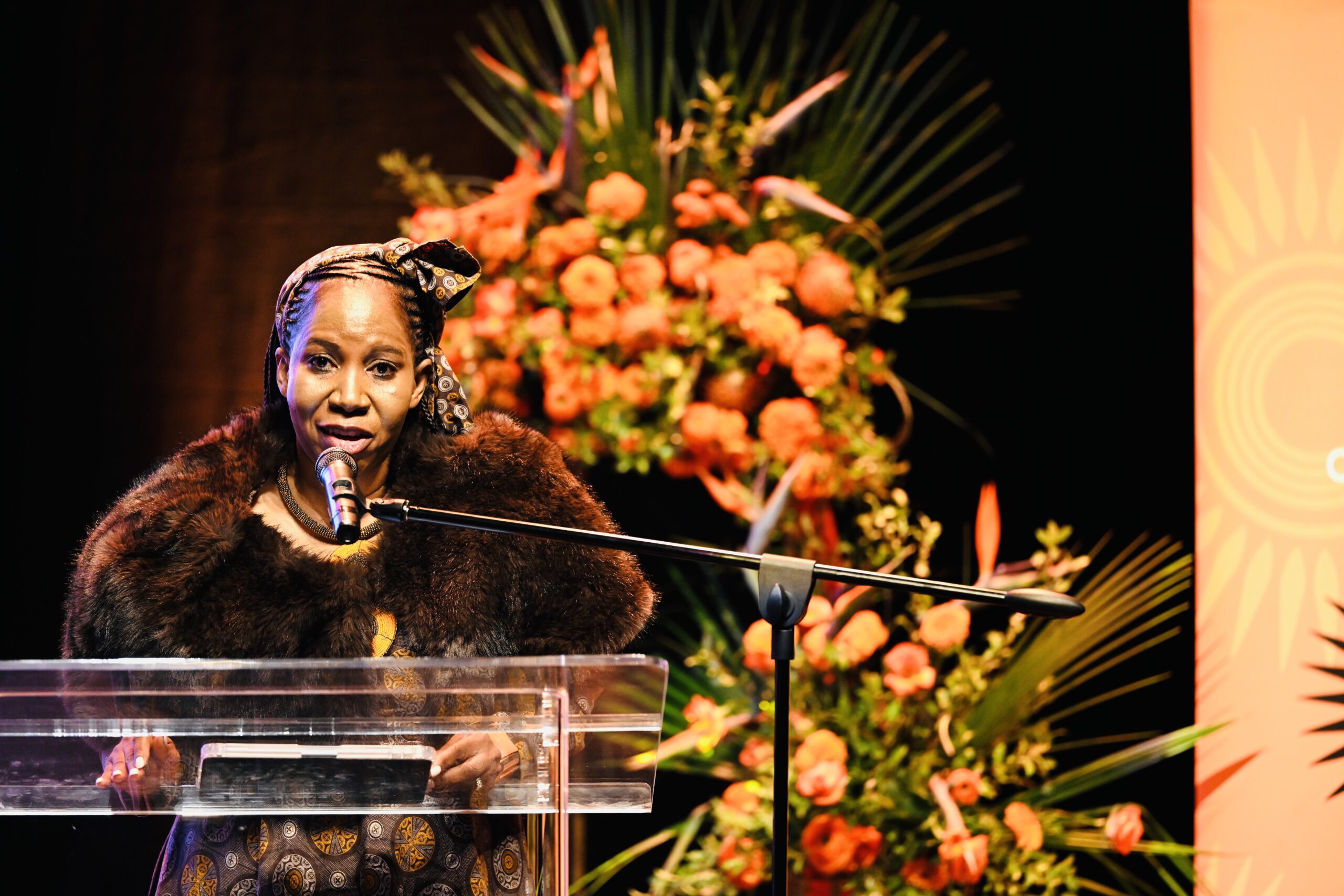
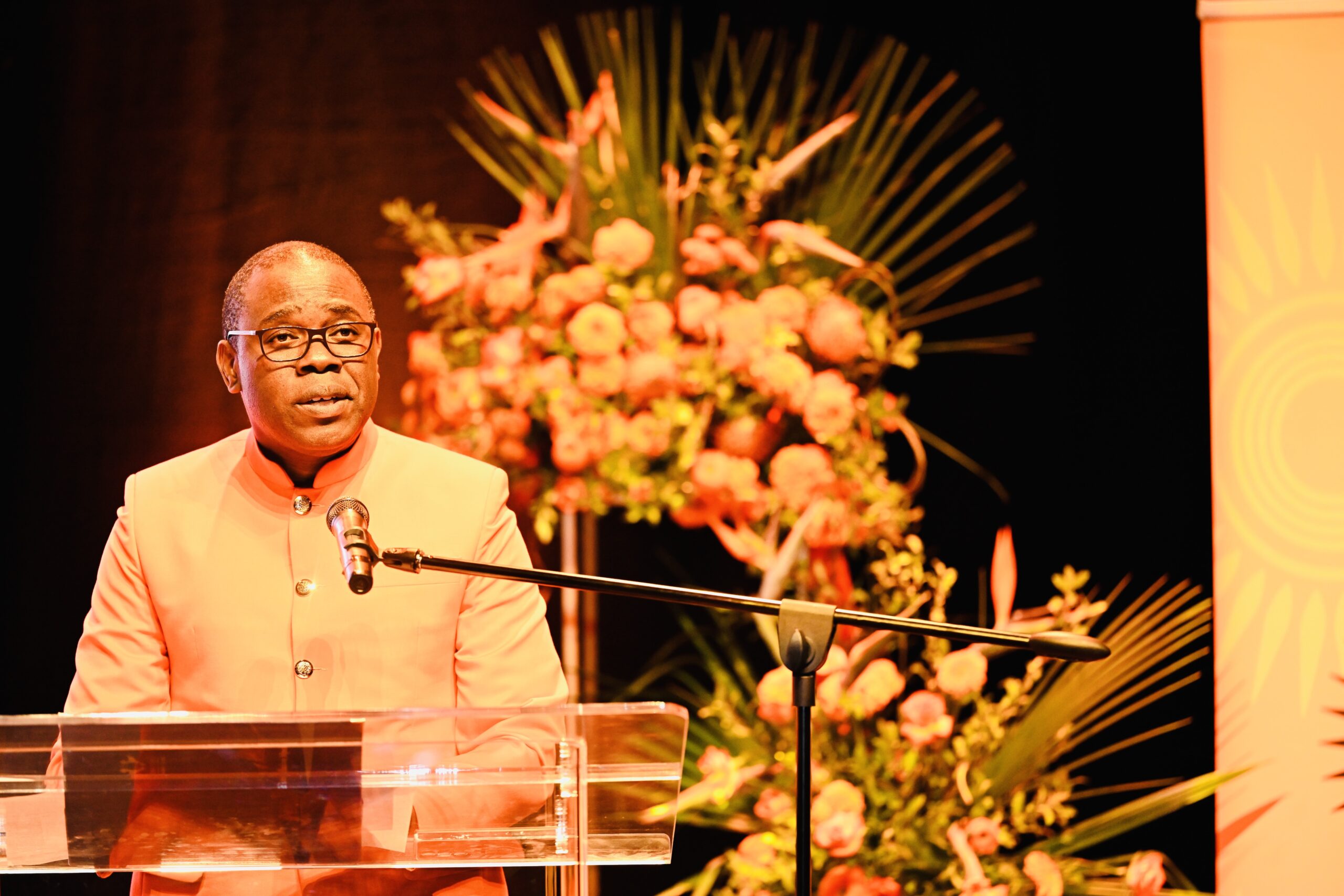
“Democracy and freedom are incomplete if a large section of humanity does not enjoy them.”
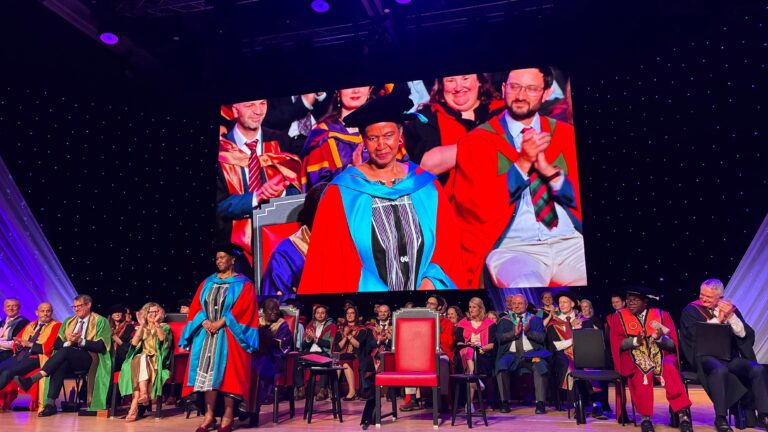
Former Deputy President of South Africa and Chancellor of the University of Johannesburg (UJ), Dr Phumzile Mlambo-Ngcuka, delivered this message at the inaugural Dr Phumzile Mlambo-Ngcuka Annual Lecture at the University on Wednesday, 12 August 2026, calling on a new generation to take forward the unfinished work of women’s emancipation.
She said this alongside Ambassador Thenjiwe Mtintso, a veteran of the anti-apartheid struggle, gender activist, former politician and career diplomat who is currently High Commissioner of the Republic of South Africa to the Republic of Namibia.
Together, they reflected on how far South Africa has come since the historic 1956 Women’s March and how much further there is to go.
Held under the theme “Women Driving Societal Impact: Legacy, Leadership, and the Future,” the lecture coincided with the 70th anniversary of the march to the Union Buildings, where more than 20 000 women stood together against apartheid pass laws.
The anniversary provided an opportunity to recognise the gains achieved over seven decades while confronting the inequalities that remain and asking what the legacy of the women of 1956 demands of South Africa today.
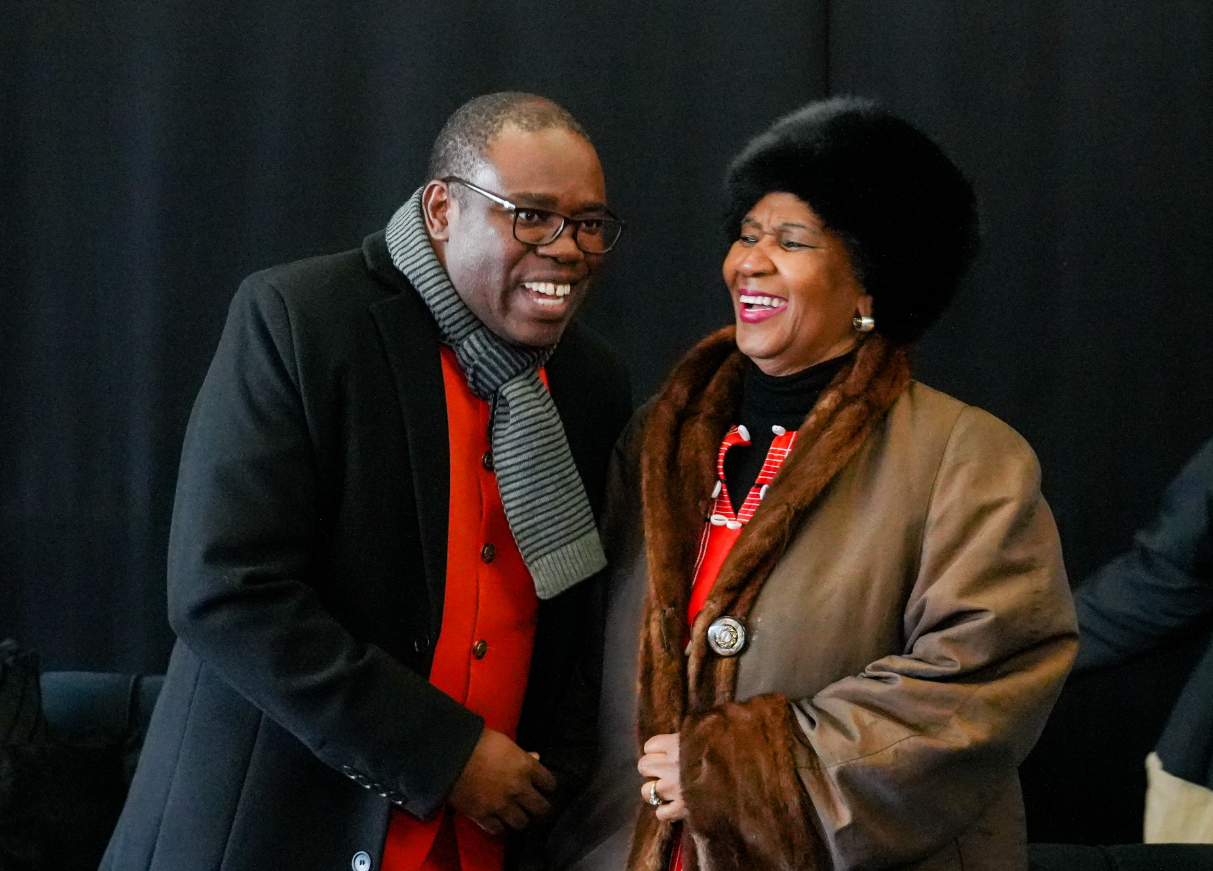
Dr Mlambo-Ngcuka acknowledged the progress made since 1956, noting that more women now serve in legislative bodies, corporate boardrooms and across the political, economic, cultural and social life of the country than at any previous point in its history. More girls are also attending school and university.
“South Africa is a much better place in 2026 than it was in 1956,” she said, attributing this progress to the collective struggles of generations of South Africans.
She paid tribute to women whose courage and sacrifice helped lay the foundations for the freedoms enjoyed today, including Charlotte Maxeke, Cecilia Tshabalala, Lilian Ngoyi, Bettie du Toit, Helen Joseph, Rahima Moosa, Frances Baard, Sophie Williams-De Bruyne, Bertha Gxowa, Albertina Sisulu, Fatima Meer, Ruth Mompati, Winnie Madikizela-Mandela, Rita Ndzanga and Mtintso, among many others.
“While this lecture is named after me, it is actually named after all of them, too,” Dr Mlambo-Ngcuka said.
But the progress of the past cannot obscure the challenges that remain.
“We live in a world and society in which women face remarkable obstacles,” she said, pointing to disparities in pay, access to senior management and leadership opportunities, as well as the denial of basic freedoms and opportunities to women.
She also spoke about the continuing crisis of gender-based violence, where women are raped, murdered and harassed daily.
“As we celebrate the advances we have made as a society and the world, we should always keep in mind that the freedoms we enjoy are incomplete,” she said.
Dr Mlambo-Ngcuka called for the annual lecture to become a platform for confronting these realities and engaging honestly with the meaning of freedom and equality.
“I hope we can use these annual lectures to issue a clarion call to our society and the world that democracy and freedom are incomplete if a large section of humanity does not enjoy them,” she said.
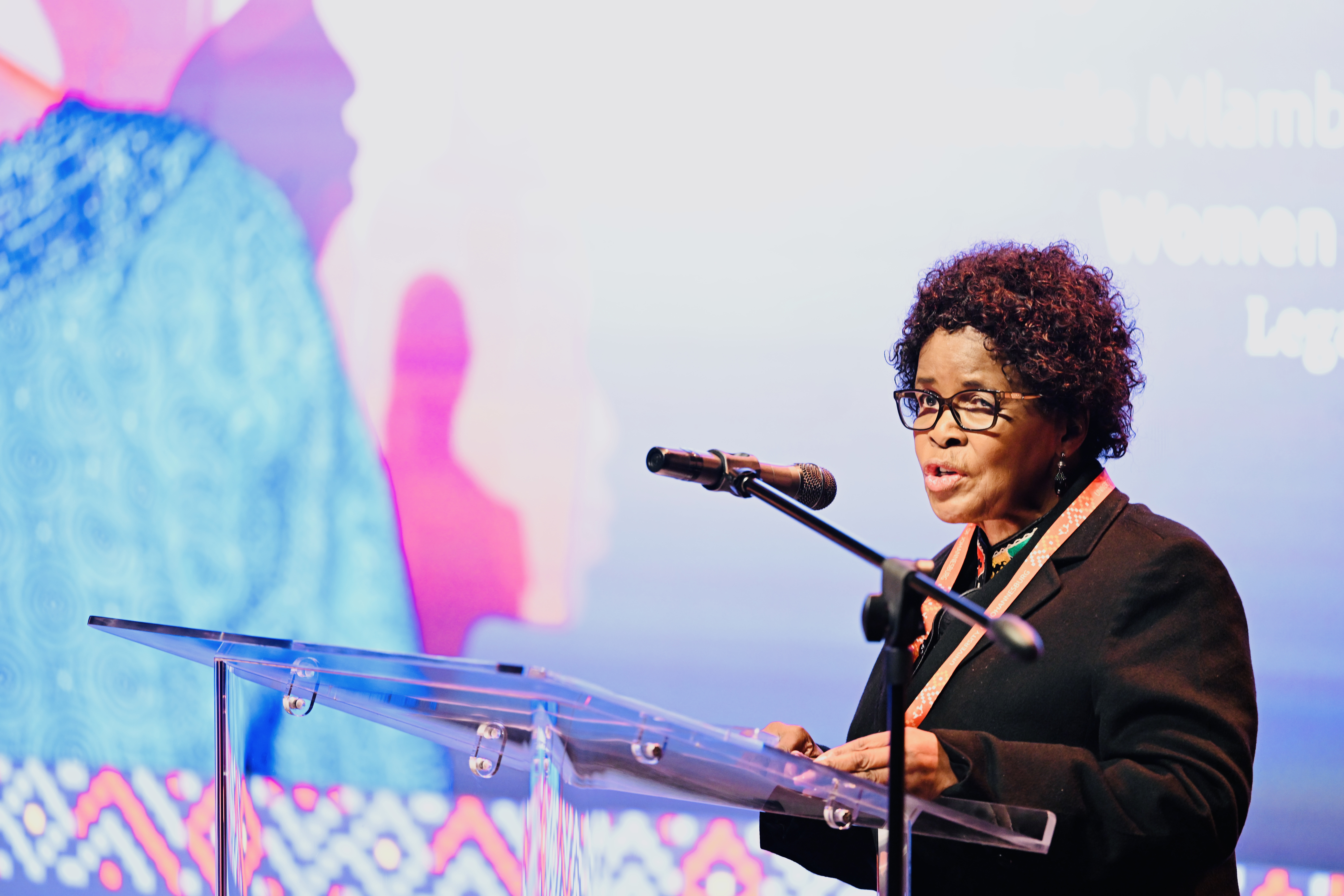
Ambassador Mtintso brought the perspective of someone whose own life has been shaped by the struggle and reflected on the impact Dr Mlambo-Ngcuka has made on the advancement of women.
“Dr Mlambo-Ngcuka exemplifies the Freedom Charter’s call for justice and equality. Advancing women is a societal imperative,” she said.
A veteran of the anti-apartheid struggle, gender activist, former politician and career diplomat, Ambassador Mtintso has spent decades working at the intersection of liberation, democracy, gender equality and social justice. As High Commissioner of the Republic of South Africa to the Republic of Namibia, she traced the history of women’s resistance from the early anti-pass campaigns to the 1956 Women’s March, while connecting that history to the realities women continue to face today.
“The women of 1956 marched because they had had enough of being ignored. Today, nearly 70 years later, we must decide whether we are content with speeches and hashtags or whether we want something more meaningful,” Mtintso said.
She pointed to the persistent underrepresentation of women in leadership, poverty, economic inequality and gender-based violence, arguing that excluding women from positions of influence carries consequences far beyond the individuals denied those opportunities.
“The promise of democracy remains alive, but many people are asking difficult questions about leadership. Those questions are not unique to South Africa, but are asked across the world. They are particularly important here because our democracy project was founded on exceptional moral leadership,” she said.
Ambassador Mtintso called for political will and deliberate action to remove barriers that continue to limit women’s advancement, arguing that women’s participation in leadership is central to equality, peace and democracy.
Ambassador Mtintso called for a new generation of women with the courage similar to that of Dr Mlambo-Ngcuka to challenge stereotypes, discrimination and structures that continue to limit women’s advancement.
The call has resonance at a university, where young people are preparing to enter the professions and institutions that will shape South Africa’s future. They are also the next generation of leaders and decision-makers who will determine whether the gains of the past are extended or allowed to stall.
Dr Mlambo-Ngcuka’s own journey reflects the progress made in South Africa’s struggle for women’s leadership. She made history as the first woman to serve as Deputy President of the Republic of South Africa, serving from 2005 to 2008 after previously holding the portfolios of Minister of Minerals and Energy and Deputy Minister of Trade and Industry.
She later took her advocacy for women’s rights onto the global stage as United Nations Under-Secretary-General and Executive Director of UN Women from 2013 to 2021, becoming a prominent global voice on gender equality and women’s rights.
Her journey, like the lecture itself, is rooted in the collective contribution of generations of women who challenged exclusion and opened doors for those who followed.
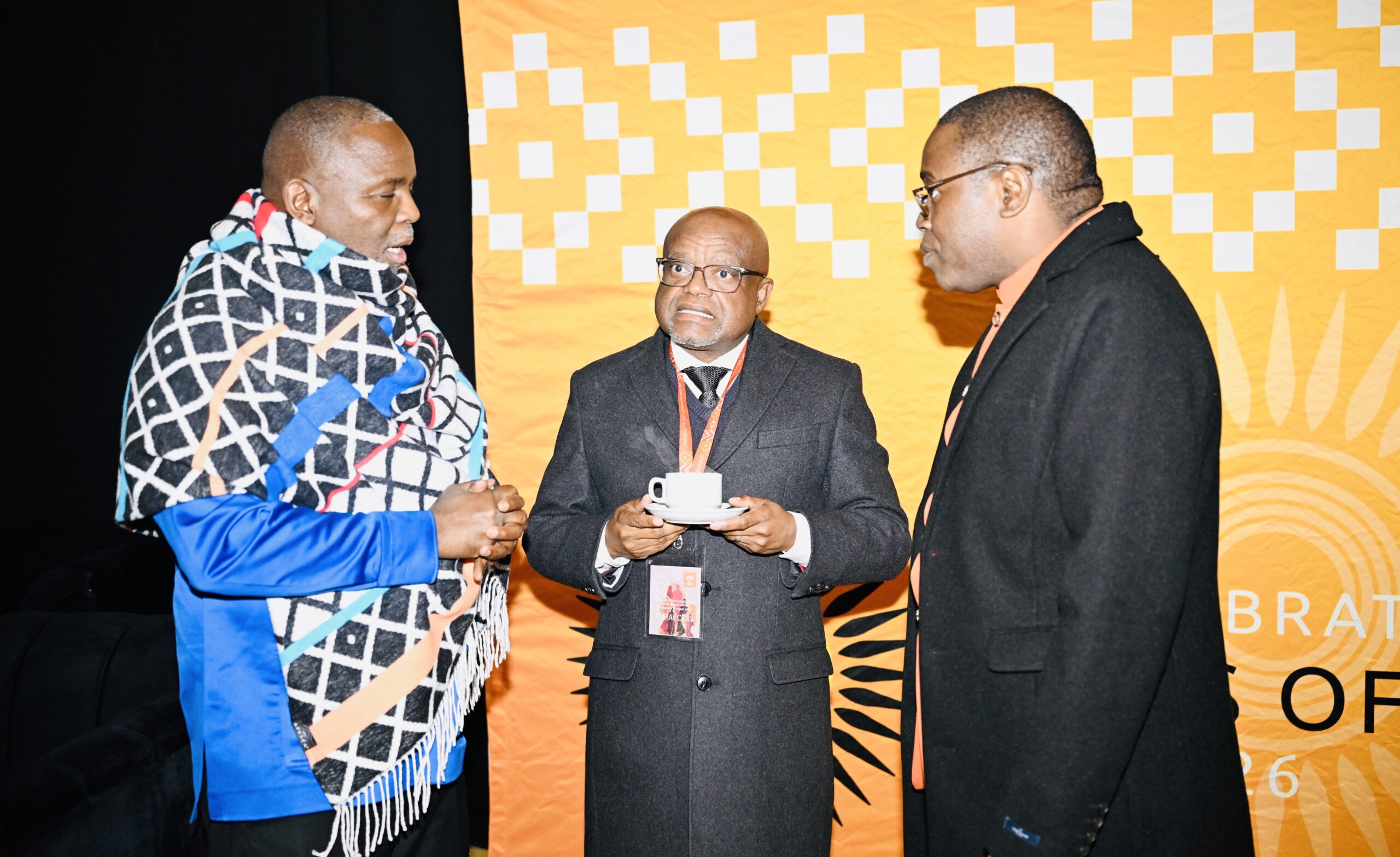
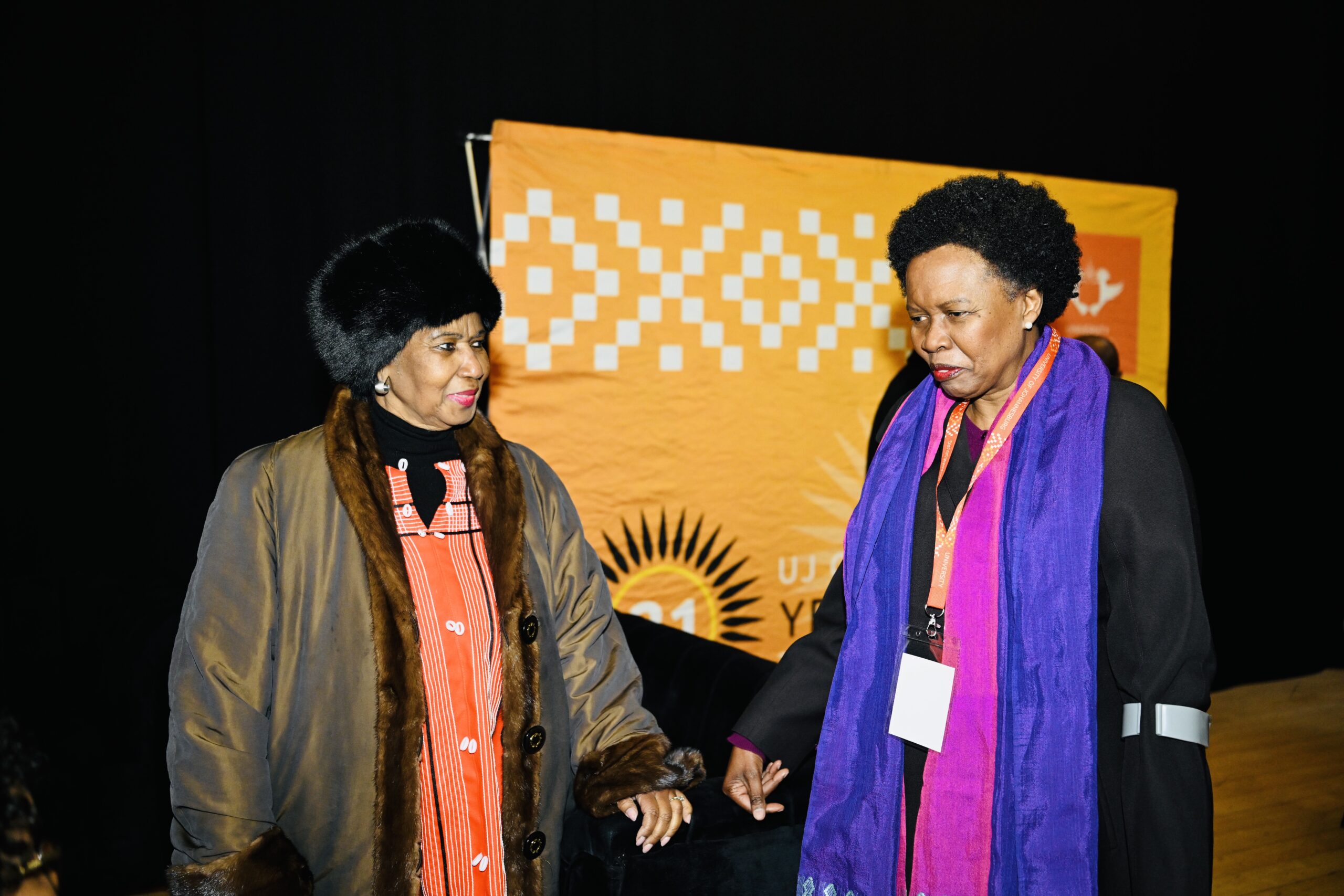
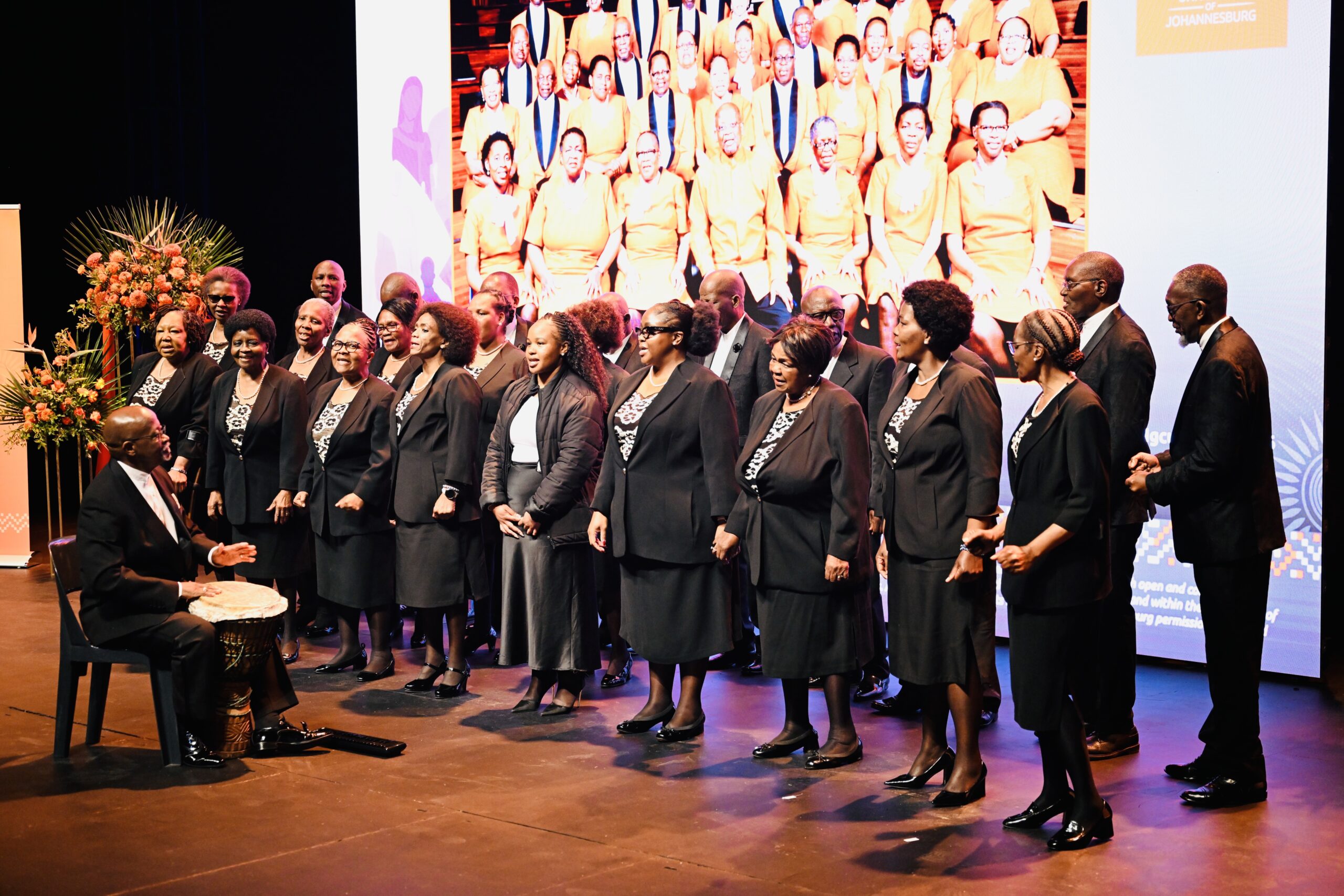
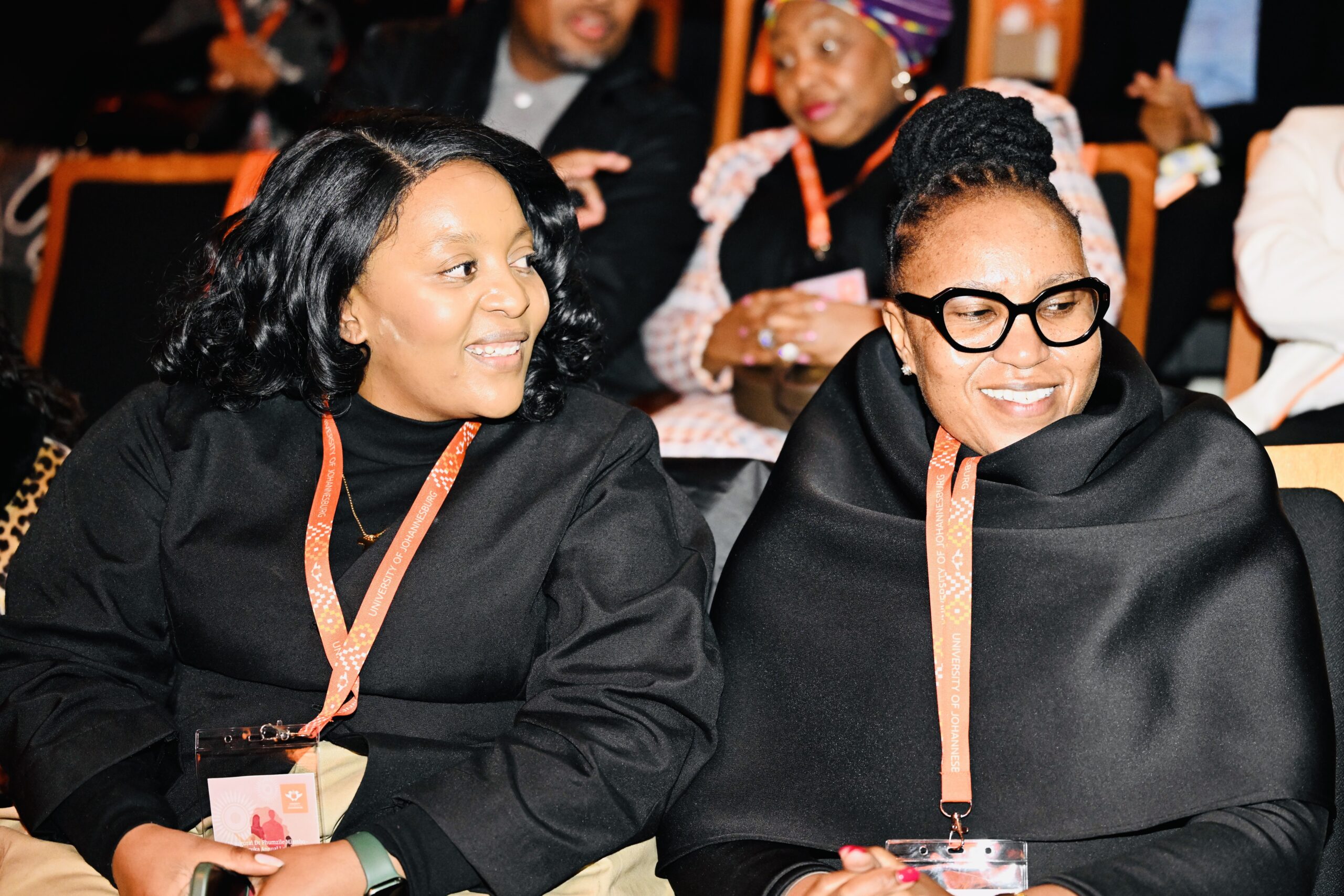
The Dr Phumzile Mlambo-Ngcuka Lecture was attended by university management, government and civic leaders, including City of Johannesburg Executive Mayor Dada Morero; City of Johannesburg Executive Deputy Mayor Loyiso Masuku; Princess Sibongakiso Kasaro of the Kingdom of Eswatini; and Members of Parliament. Other guests included Dr Thebe Ikalafeng, Chancellor of Sol Plaatje University and the 2023 UJ Ellen Kuzwayo Award recipient, music icon Yvonne Chaka Chaka.
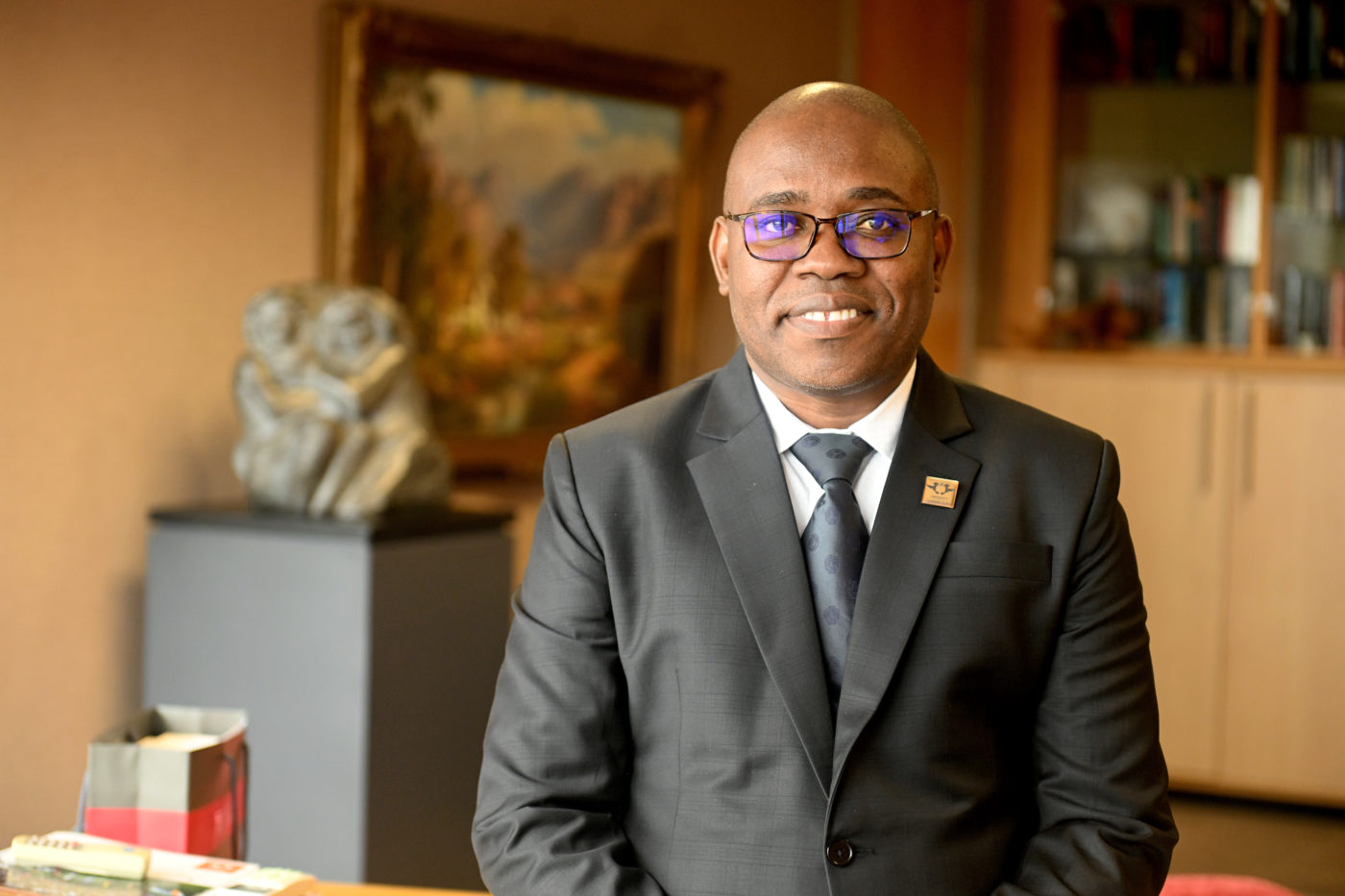
UJ Vice-Chancellor and Principal, Professor Letlhokwa Mpedi emphasised that the platform was dedicated to advancing dialogue on matters of national and global importance, adding that the lecture series honours a daughter of the soil whose life’s work embodies the very spirit of that 1956 march.
“UJ’s responsibility is to be more than a place of learning, to be a site of societal impact, where scholarship meets lived reality and where the next generation of leaders is shaped by the courage of those who came before them. This lecture series is one expression of that commitment. It is a space where we can interrogate, honestly and rigorously, how far we have come as a society, and how far we still must travel.”