Facility failures in South Africa have become widespread, driven in part by inadequate long-term planning, deferred maintenance, and weak management cultures, says Professor Chioma Sylvia Okoro.
In 2023 and 2024, hijacked-building fires in inner-city Johannesburg led to the loss of over 70 lives, and inspections showed that almost 80% of 110 properties had fire-safety concerns and 71% lacked fire-safety equipment.
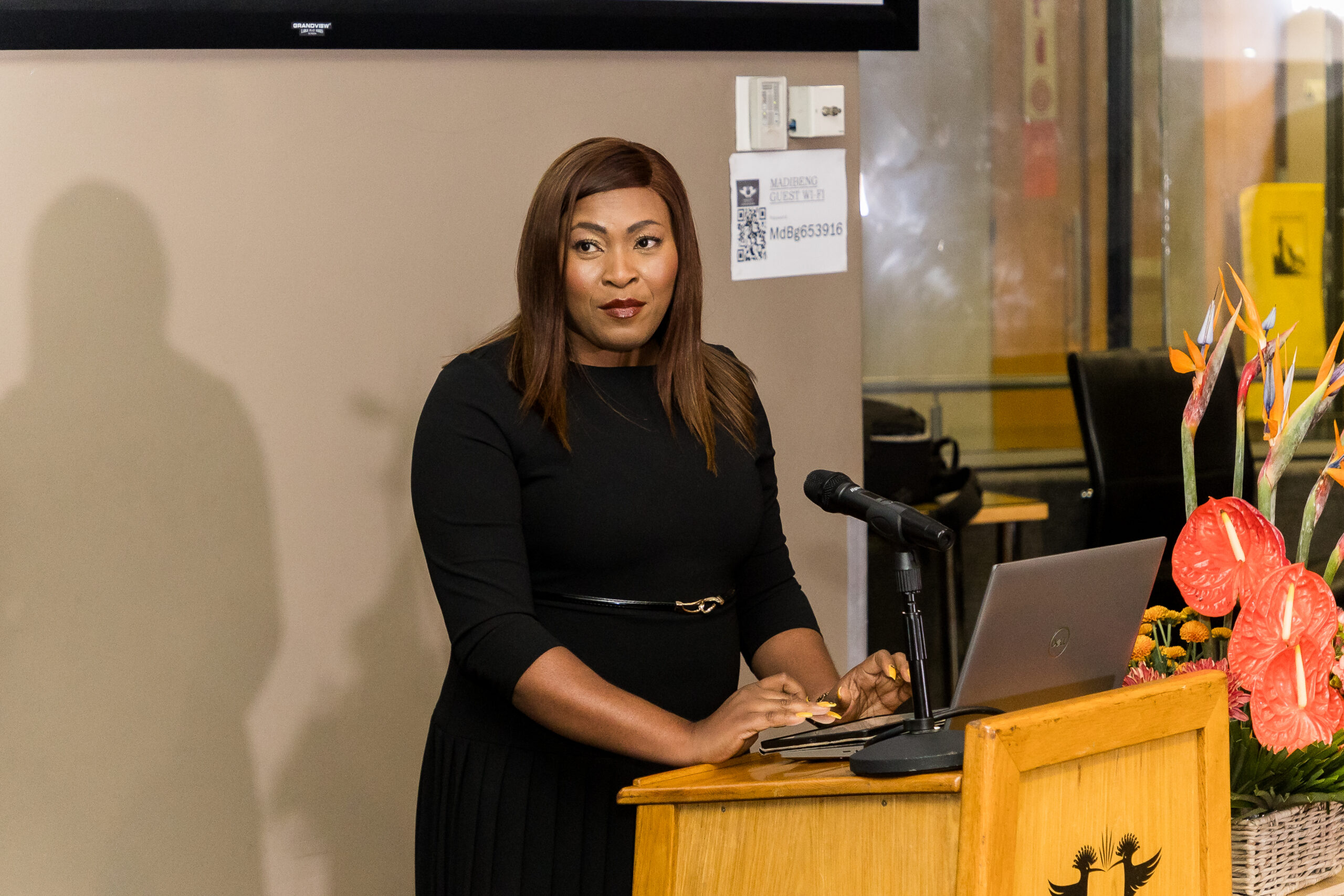
Okoro is a researcher and Acting Head at the UJ Department of Finance and Investment Management in the College of Business and Economics, speaking at her UJ professorial inauguration on Wednesday 29 April, 2026.
Cape Town’s 2018 water shortages, and Johannesburg’s 2024 and 2025 water infrastructure collapse, followed a similar pattern of deferred maintenance and poor planning, she adds.
Buildings are usually judged by their form, scale and location, she says. But their true performance is really less visible.
“For the owners of a building, dimensions like the robustness of the planning decisions, the resources they demand, and the energy they consume, are critical over the long term,” she says.
“For the people who use them, the environments they create, and the safety and wellbeing of those who use them, are most important. At the city level, the impacts they have, the value they sustain over time and their alignment with long-term societal, economic, and functional goals are key.”
Buildings are also responsible for around 30% of global final energy consumption and 26% of global energy-related emissions. In that context, she says, buildings can no longer be judged by financial returns alone. Long-term value in real estate extends beyond cost efficiency, occupancy rates and maintenance response times.
Sustainable performance is, therefore, not accidental. It emerges from the deliberate alignment of human factors, planning, and technological support. Facilities management, or FM – the coordination of people, processes and systems that keep buildings safe, comfortable and functional – is central to that alignment.
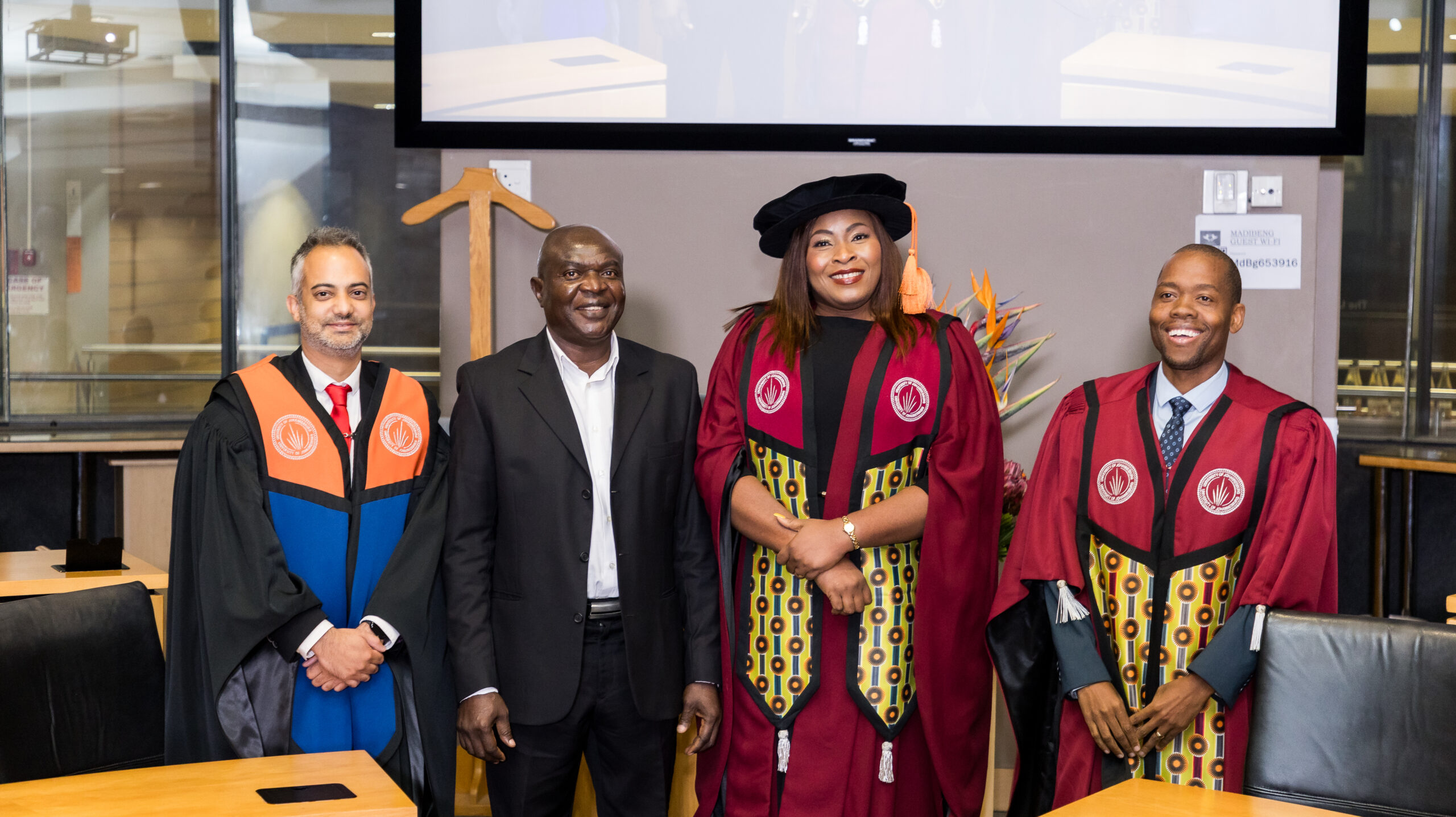
Prof Okoro’s response is the People–Place–Space paradigm. The “people” dimension covers the builders, financiers, facility managers and everyday users whose decisions and experiences shape how a building performs.
“Place” is the physical building itself — its location, planning, regulatory context and environmental footprint. “Space” captures the technology and data systems that let buildings be monitored, controlled and adapted over time, including smart building systems, BIM, AI, IoT sensors, digital twins and drones.
When these three elements are aligned, she says, buildings not only meet performance standards but also adapt over time to evolving environmental and social needs. “FM should not be viewed as a cost centre, but as a value creation function,” says Prof Okoro.
Her research shows how this plays out in practice. One Master’s student tested a deep-learning model for continuous crack detection in buildings, combining computer vision with IoT-enabled systems. It reached 84% accuracy, enough to flag problems before they become disasters.
During the COVID-19 lockdowns, Prof Okoro and a collaborator developed a game that let second-year property students conduct condition inspections without visiting sites.
Her work on affordable housing argues that FM is not a finishing touch but the bridge between housing provision and housing sustainability. Without it, she says, affordable housing risks becoming unaffordable to maintain.
Prof Okoro is now developing a sustainability taxonomy for FM practitioners across Africa, drawing on data from South Africa, Tanzania, Botswana, Nigeria, Rwanda and Ghana. Ultimately, she says, being ‘built to sustain’ is not an abstract ideal; it is the deliberate alignment of people, place and space so that buildings continue to perform, deliver value and serve society for generations to come.