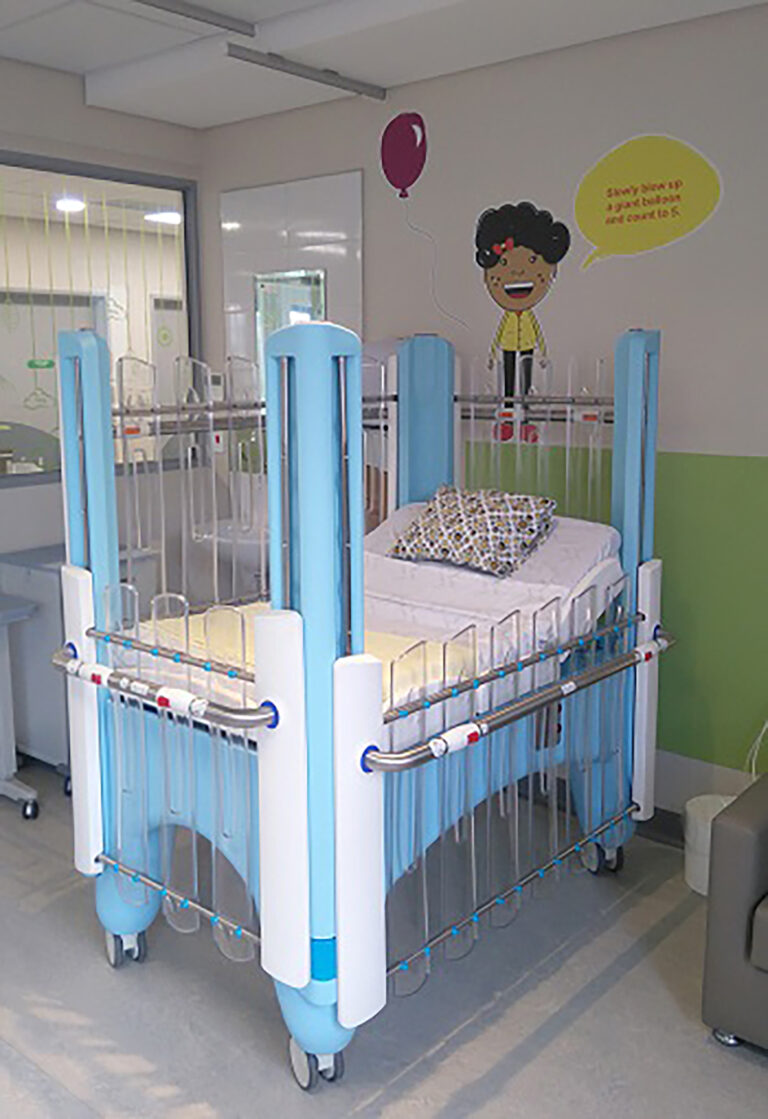
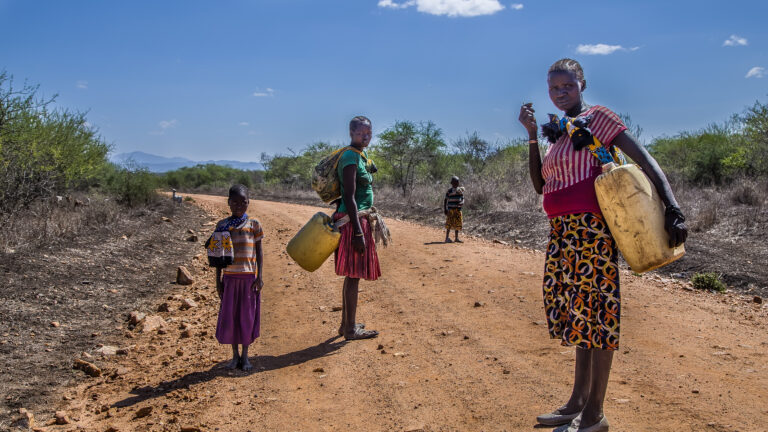
In South African hospitals, there can be a cultural tension between children and their mothers on the one side, and the nurses and other medical professionals on the other. This tension can impact the quality of care for the child. Afterwards, members of the child’s community can be even discouraged from seeking care for themselves at the same hospital.
A study by researchers at the University of Johannesburg (UJ) seeks to address this with a new model of culturally sensitive nursing care for children. For example, this tension can arise when hospital staff inadvertently fail to observe customs and traditions around babies, their hair, and umbilical cords, says Dr Catherine Mngomezulu. She is a lecturer and researcher in the Department of Nursing within the UJ Faculty of Health Sciences.
The cultural tension can happen when a newborn baby, just a few days old, is admitted into a neonatal hospital unit with jaundice, adds Dr Mngomezulu.
“The child needs a drip (IV line), but because they are slightly dehydrated, most of the veins have collapsed. The only vein that can be used is on the child’s head,” she explains.
“The doctor and the nurse ask the mother for verbal consent to insert a drip, but they don’t mention where on the baby’s body. The doctor asks the nurse to shave the baby’s head.
To her surprise, the mother finds her baby’s head shaved and the hair discarded. The mother is from an African culture such as the Pedi, Zulu and Ndebele. She believes that the baby’s first hair should be shaved after a few months to formally introduce the baby to the ancestors,” says Dr Mngomezulu.
The mother expected the team to not shave the hair, since a drip is normally inserted into the arm. She also expected them to keep the hair. She becomes anxious that the child might not be fully protected by their ancestors.
Worse, the same baby’s cord stump might fall off within a week, and the nurses could discard it. In African culture, the cord holds significant value for the child’s belonging. In this scenario, the mother would not feel seen or supported.
“Caring is about the patient, connectivity with the patient, and seeing the patient within a cultural community,” says Prof Charlene Downing, co-author of the study and also from the UJ Department of Nursing.
“If this is not done, this negatively impacts the health care. The nurses are required to provide holistic care, which is inclusive and caters to all the needs of the patients – not only the physical needs.”
Nursing has standard operating procedures (SOPs) that guide clinical practice. Most concepts in nursing have these guidelines, but culturally sensitive nursing care does not yet.
Says Dr Mngomezulu: “Patients see the nurses as the extension of their families and communities because they believe in Ubuntu’s notion of ‘I am because you are’. And when they do not feel the same sense of community from the nurses, they become frustrated even with the nursing care itself.”
A nurse confronted with a mother and child from a culture very different from her own could have many questions rushing through her mind.
‘How should I approach this mother and child? Am I managing the patient correctly? What if the patient’s condition deteriorates if I accommodate or not accommodate their cultural needs? And should things go wrong, how will the hospital support me?’
To address this challenge, Prof Downing and Dr Mngomezulu propose a new model to train nurses in culturally sensitive nursing. The model starts with hospital admission, covers the hospital stay and care, and discharge of the child.
Nurses and mothers were paired up and interviewed in the study, resulting in the model. The model uses a colourful African bead bracelet as a metaphor for culturally sensitive care. The bracelet symbolises the rich cultural diversity in the country. Making it symbolises the collaboration between nurse, mother and child.
The model was evaluated by nursing experts, says Dr Mngomezulu, and found to be clear, simple, general, accessible, and important. The model has not yet been adapted for use in hospitals. However, it is currently being piloted with midwifery students. It has since assisted them in nursing other patients in general nursing science.
Research article: A model for professional nurses to facilitate culturally sensitive nursing care for children