The Mpedi Family Scholarship for Neurodiversity Studies is playing a significant role in knowledge creation in the country.
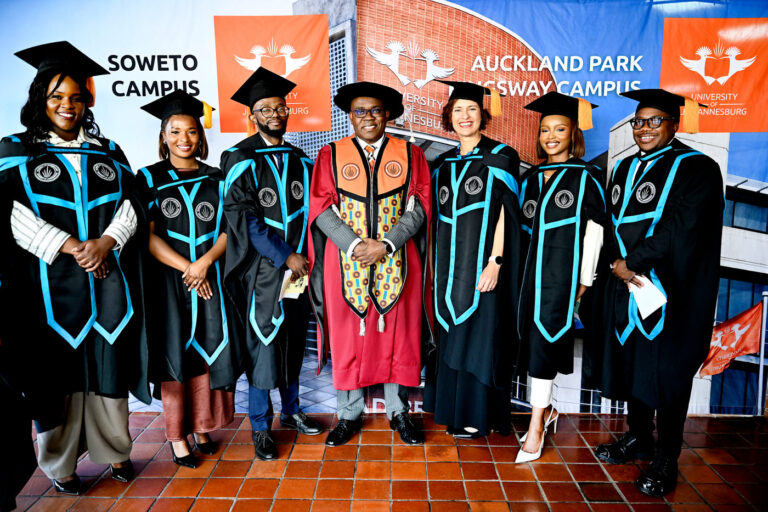
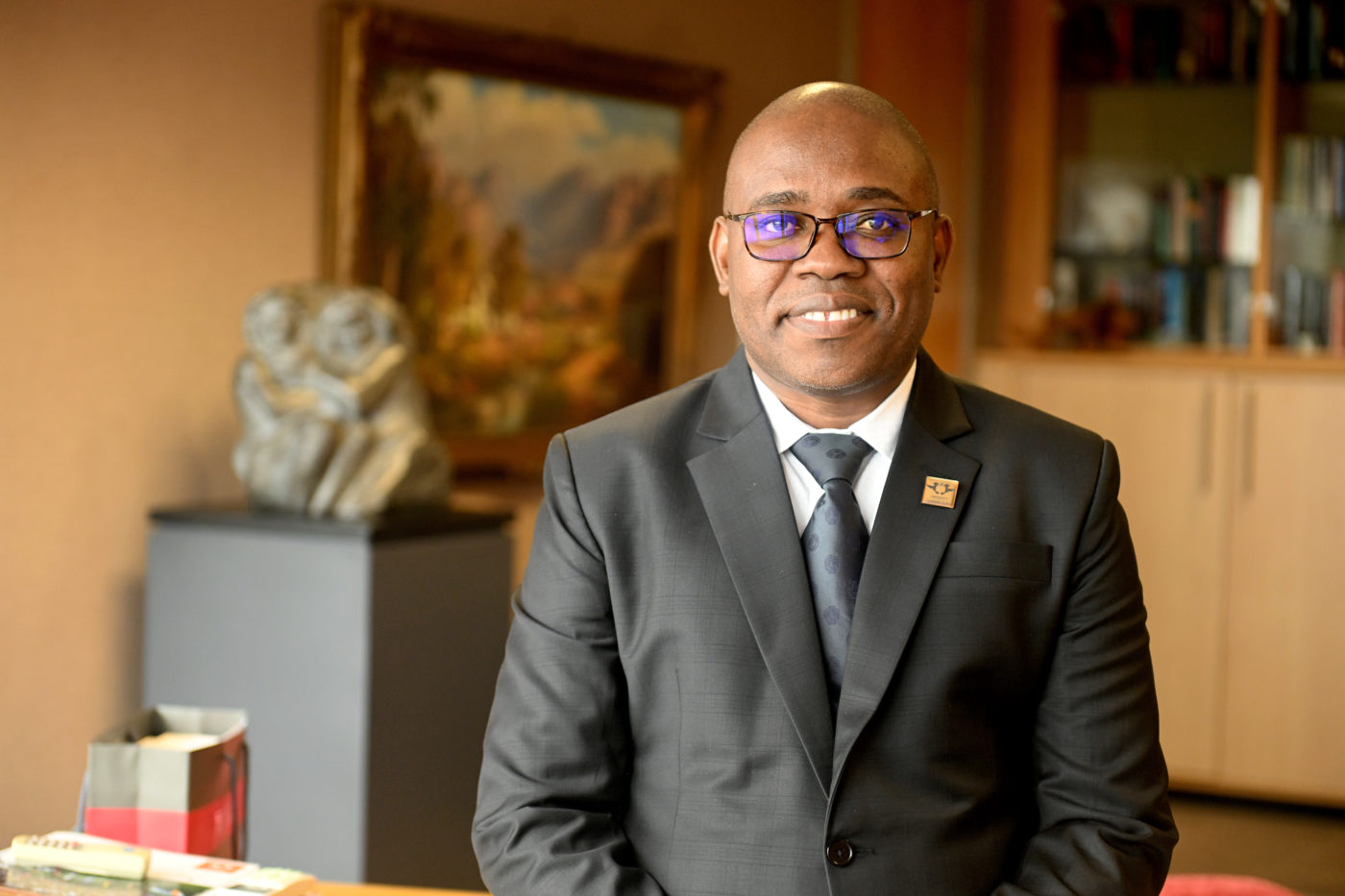
These were the words of Professor Maximus Sefotho, Director of the Centre for Neurodiversity at the University of Johannesburg (UJ), celebrating the second cohort that graduated on Monday, 20 July 2026.
“This is an important scholarship that helps South Africa to be at the forefront of knowledge creation in the field of neurodiversity. Indeed, the world is beginning to recognise us in that role not only in South Africa but around the world,” he added.
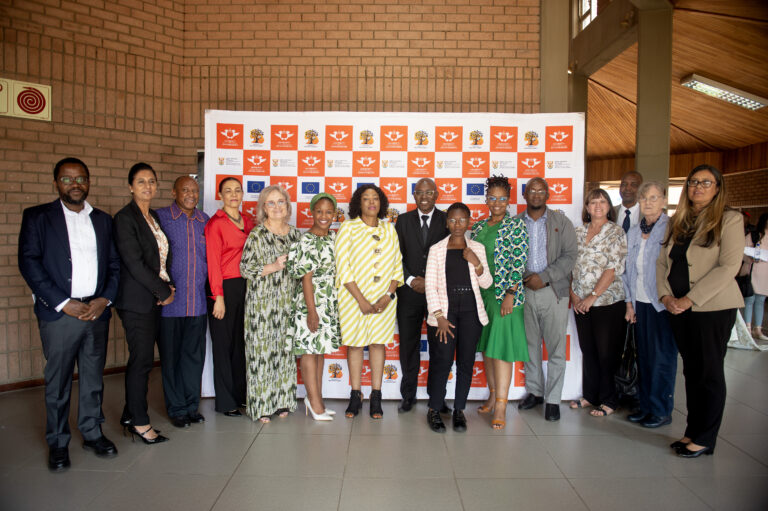
Launched in March 2024, the Mpedi Family Scholarship was created to support Master’s-level postgraduate students in the Faculty of Education, with a focus on research in neurodiversity and inclusive education. The scholarship reflects UJ’s commitment to fostering inclusive, socially responsive research, and to addressing the unique challenges faced by individuals with neurodiverse conditions.
The three Master’s of Education graduates that formed part of the cohort, funded by Fundi in support of the the Mpedi Family Scholarship, were Nonhlanhla Zulu, John Mazibuko and Portia Mbuli.
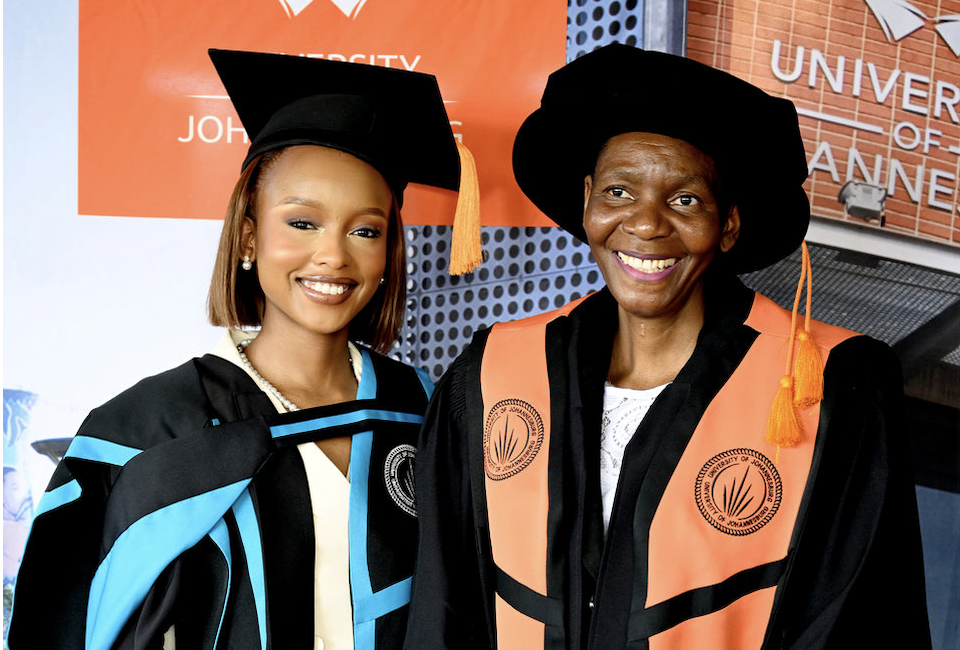
Nonhlanhla Zulu’s dissertation, Teachers’ experiences of teaching learners with dyslexia in a remedial school in Alberton in South Africa, explored the experiences of teachers and found that many were not fully aware of dyslexia, and those who were were not fully equipped to understand how to work with the learners.
“My studies explored the experiences of teaching. The teachers are trying to learn from each other’s experiences.”
Nonhlanhla used to work as a scribe and a reader after meeting a learner who could not read.
“I wanted to know why she could not read but was able to respond to me. After wanting to understand what her challenges were, there was a gap between the teachers waiting for an educational psychologist to come to the school and taking action. That’s how I became a scribe and reader. This is what motivated me to pursue my studies in Neurodiversity.”
The Mpedi Family Scholarship helped Nonhlanhla greatly to cover her fees.
“I am so grateful for this opportunity as it alleviated the financial stress that many South Africans have to face daily.”
“Teachers are not formally trained to diagnose or in a space where they can dive into dyslexia. As a science and Life Orientation teacher, I read learner profiles, and sometimes they do not match what the learner actually does. We have to communicate and share information. In a remedial school, you have to work with each other for the betterment of the learners.”
After this, Nonhlanhla would like to get into the educational psychology space to further help learners in need.
She hopes that in the coming years, a more inclusive education will also use technology to assist teachers.
“There are not enough teachers to scribe or read for these learners. So the implementation of technology and the training of the teachers on said technology is crucial. Our focus is on the child, but it is also on the teacher. I hope in the next few years we can prioritise teacher mental wellbeing as well.”
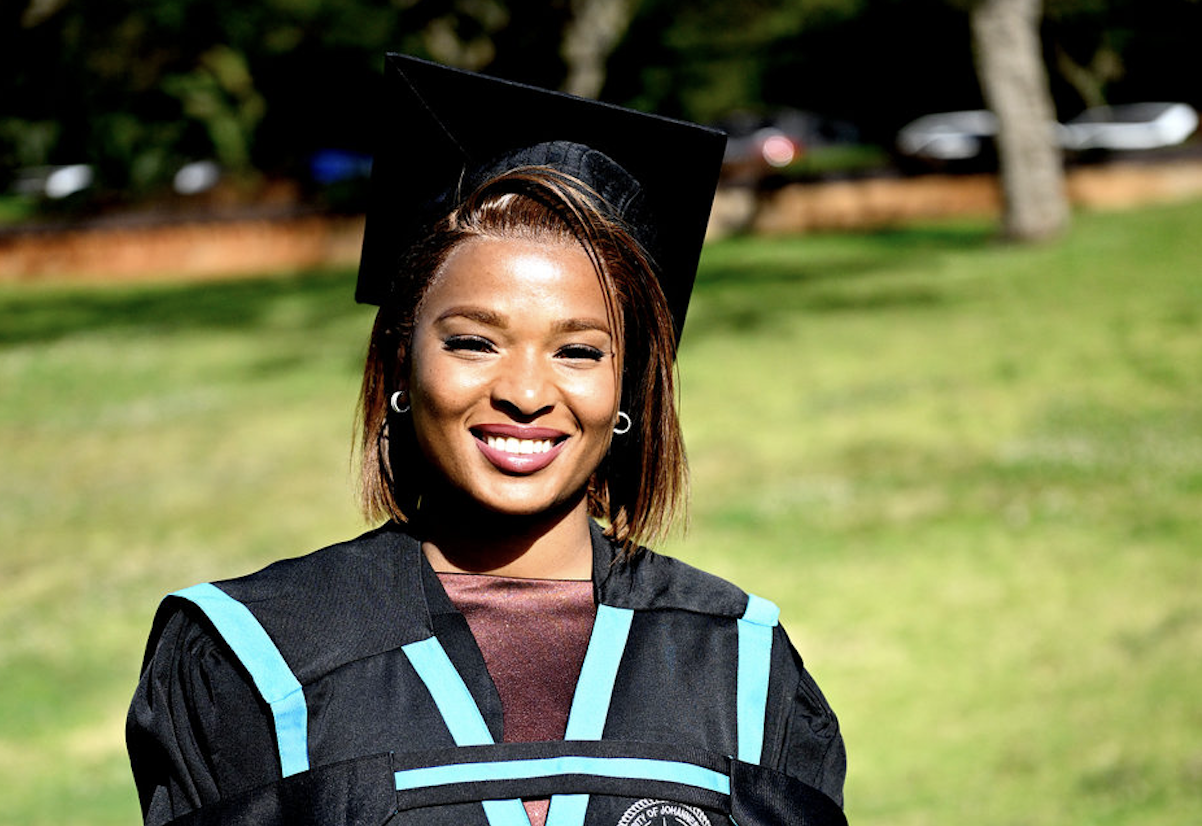
Portia Mbuli’s dissertation was titled Teachers’ attitudes to learners with disabilities in South African full-service township schools and was supervised by Rev Deon van der Merwe.
John Mazibuko’s dissertation was titled Perceptions of teachers and parents regarding collaboratively supporting learners presenting symptoms of dyslexia.
“What spoke to me a lot from the study is the communication between parents and teachers. It was not very formal, and on each side they were not communicating enough. One of the findings was that the communication was inconsistent. As a recommendation, formalising communication with a plan for learners with these barriers is essential. For instance, there should be a form where teachers meet with parents, sign consent from both parties, and acknowledge the meeting to discuss the learners at least four times a year.”
John, who is currently a school principal at a primary school, started his research study when he was still a deputy principal dealing with specific cases relating to children suffering from seizures.

“A majority of these children were presenting symptoms of dyslexia, but we were unable to diagnose the children. I was then motivated to do my research study. The scholarship allowed me to study without stressing financially. That was an exciting moment for me.”
The Mpedi Family Scholarship also planned and organised a writing retreat where the scholars were given a workshop on how to write, which has helped John achieve a distinction.
He wants his research work to close the gaps in the neurodiversity field from a geographical perspective as well.
“With the similarities and recommendations found in different provinces, the Centre for Neurodiversity can then adopt some of the findings for their own empirical research going forward.
John is doing his PhD and aims to continue in academia.