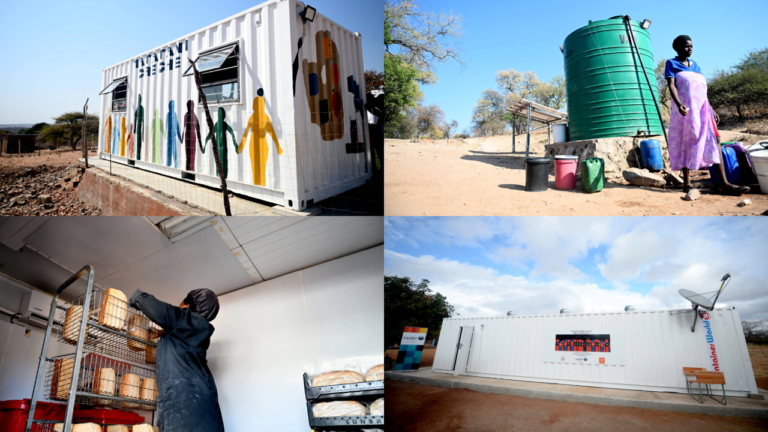
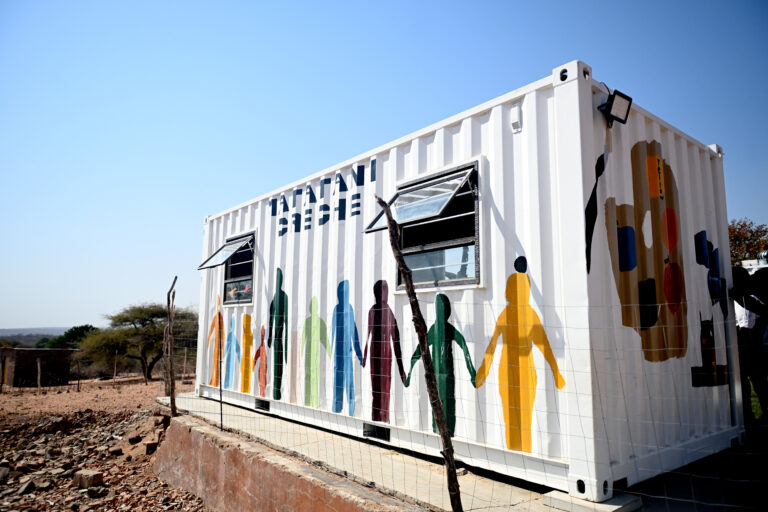
The University of Johannesburg’s (UJ) transformative Societal Impact project leverages technology, research, and multidisciplinary collaboration to address critical infrastructure needs across Gwakwani, Matatani, Mbodi, and Hanyani Secondary School in Limpopo. Located 630 km from Johannesburg and serving roughly 600 people across the four communities in the Vhembe district, the initiative originated from an industrial partner’s solar equipment donation and has since expanded to involve all UJ faculties, the college and the business school, industry sponsors, local government, and traditional authorities.
Directly aligned with UJ’s strategic plan, the project highlights the university’s commitment to inclusivity, social justice, and anchoring itself as a leading African institution that uses knowledge to improve quality of life in vulnerable communities. Between 2014 and 2026, UJ successfully executed 31 project milestones and cross-faculty initiatives across these communities to deliver sustainable solutions in energy, water, connectivity, health, and education.
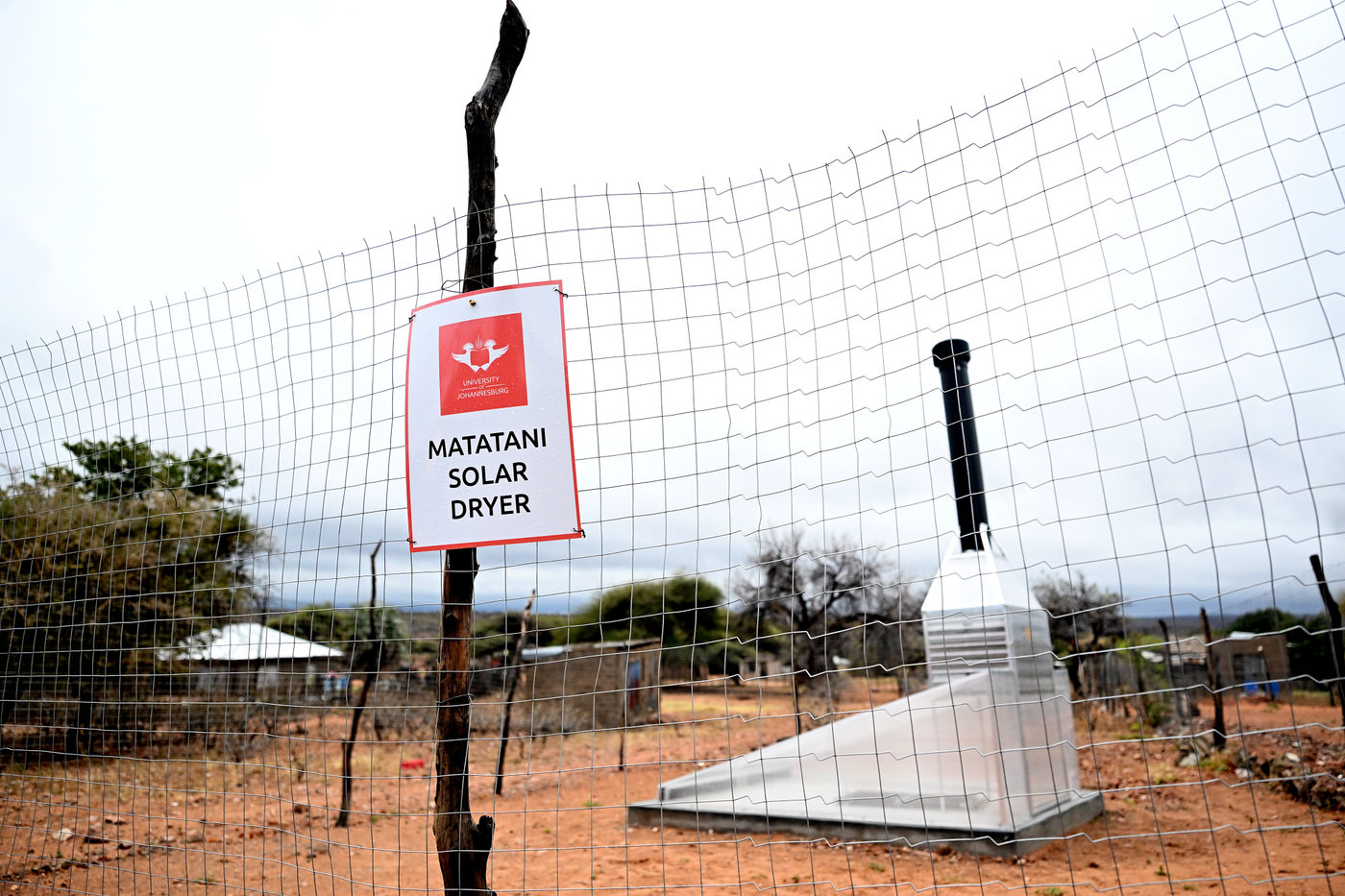
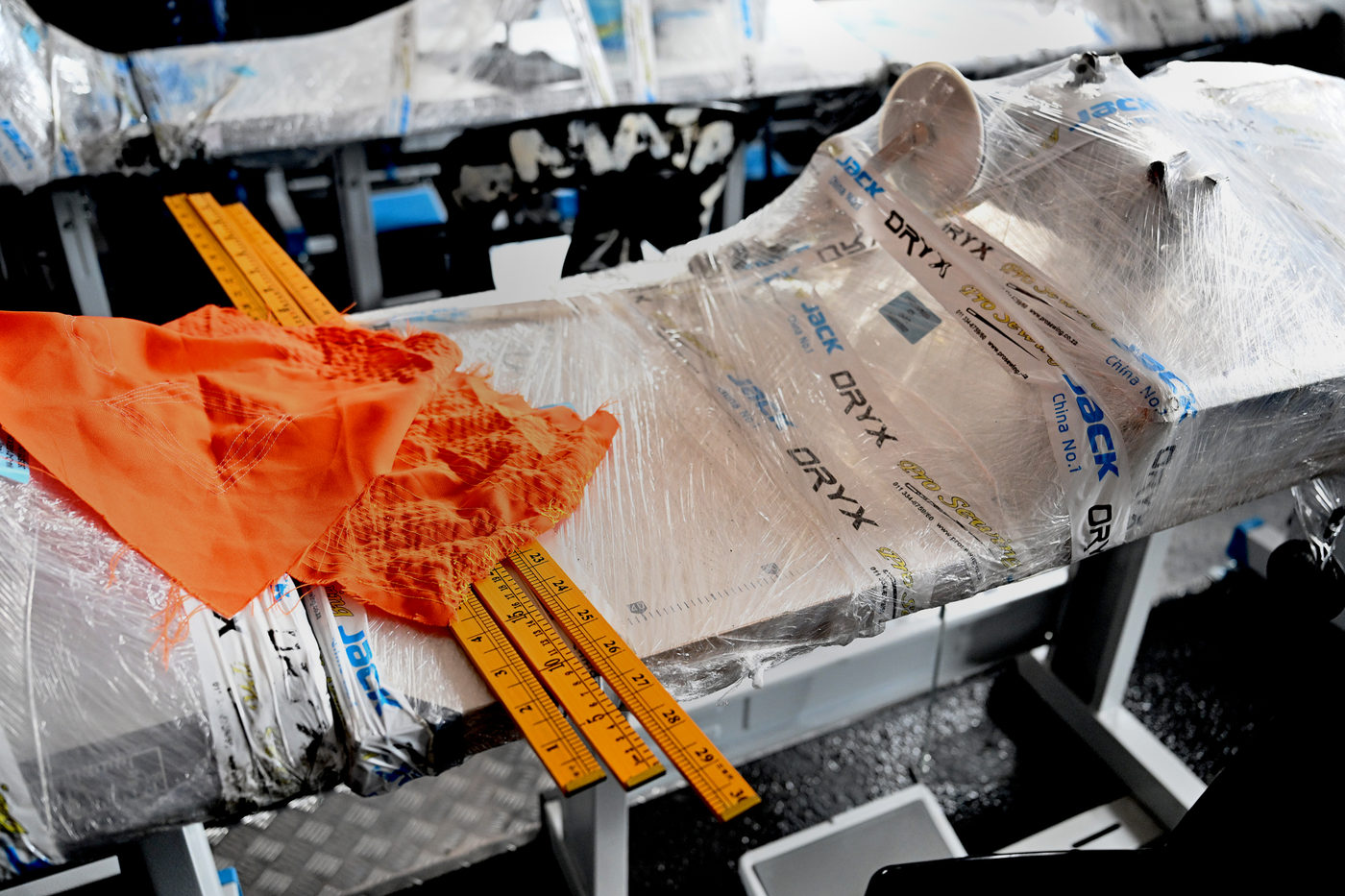
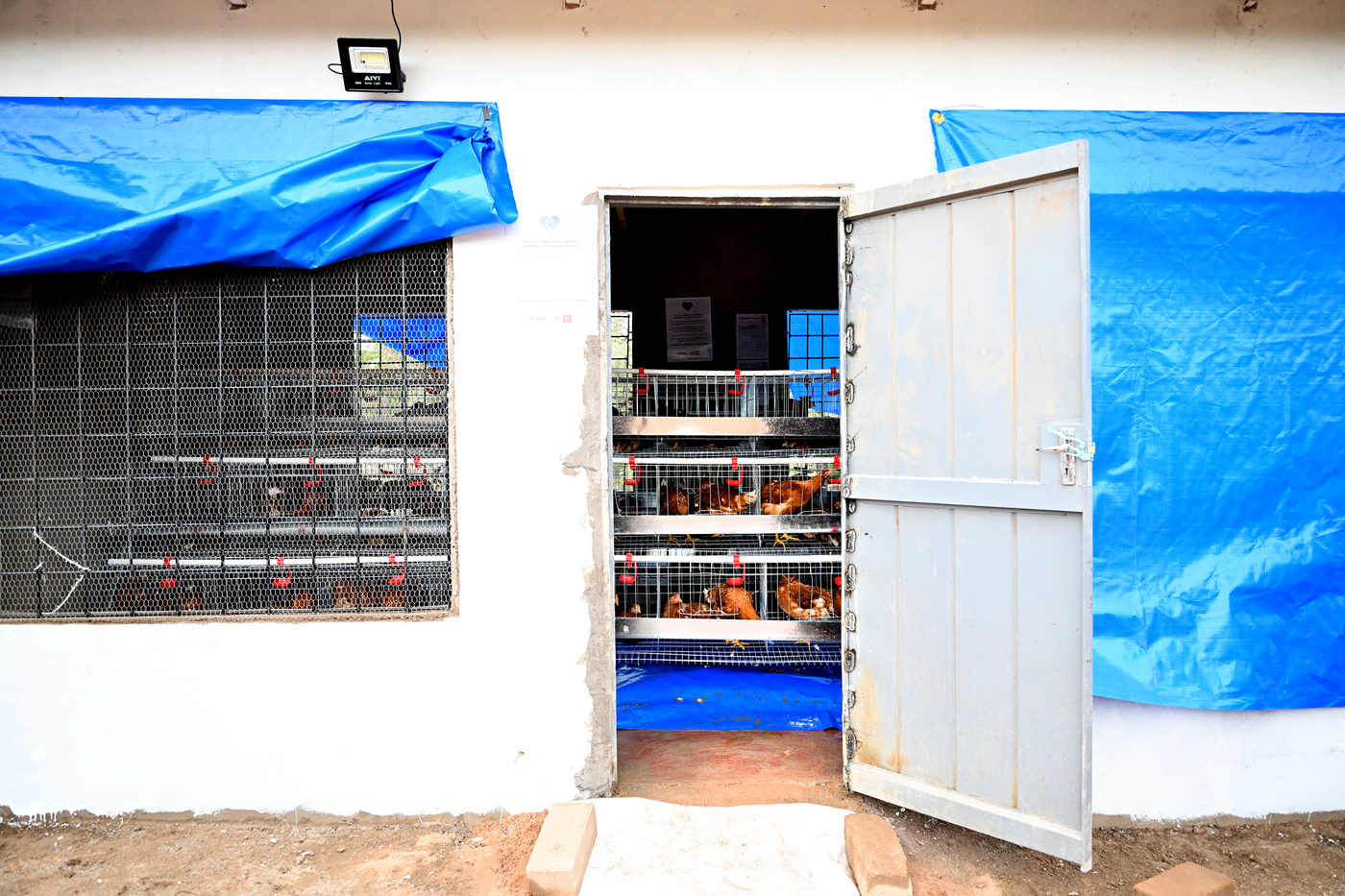
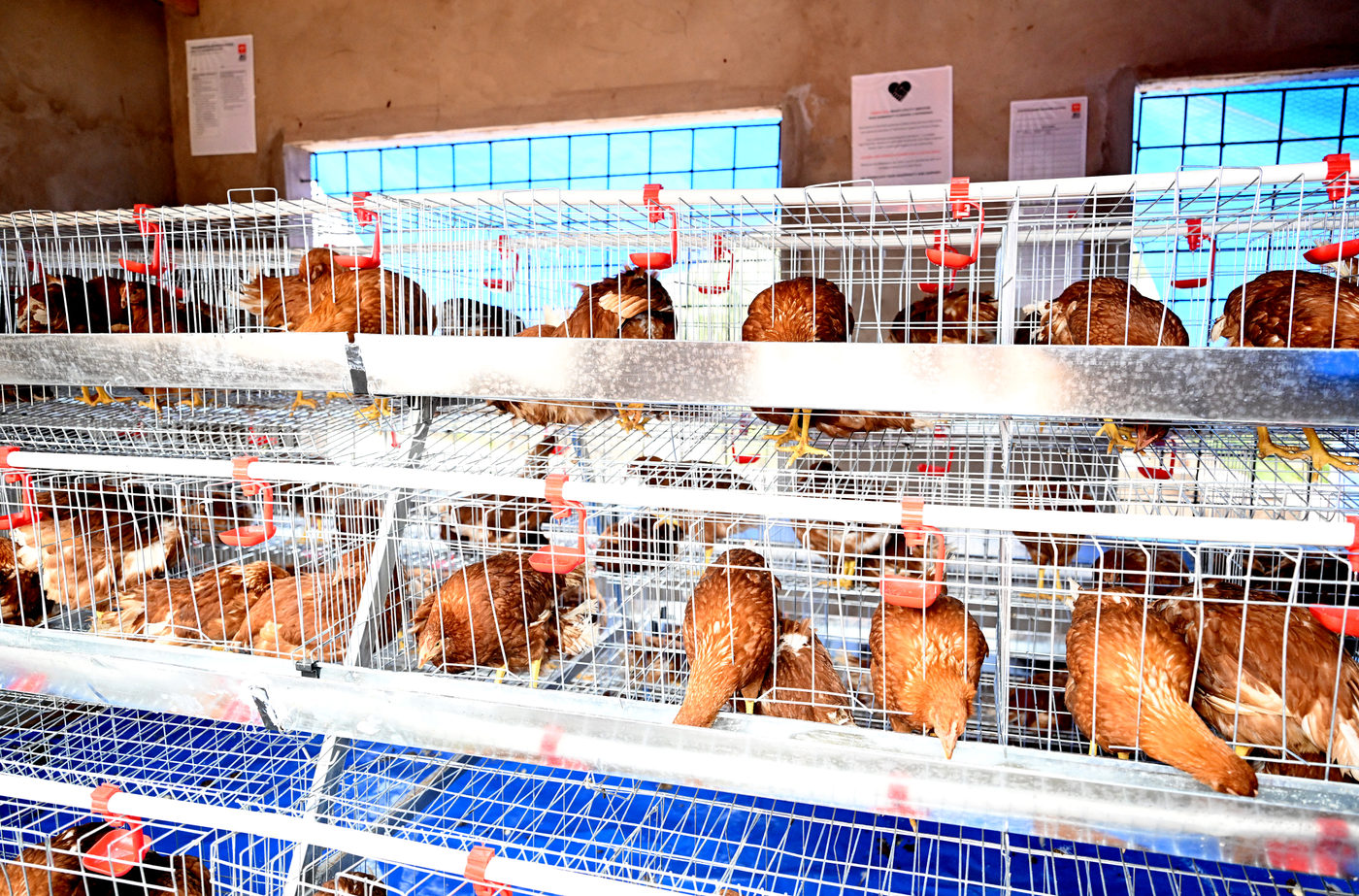
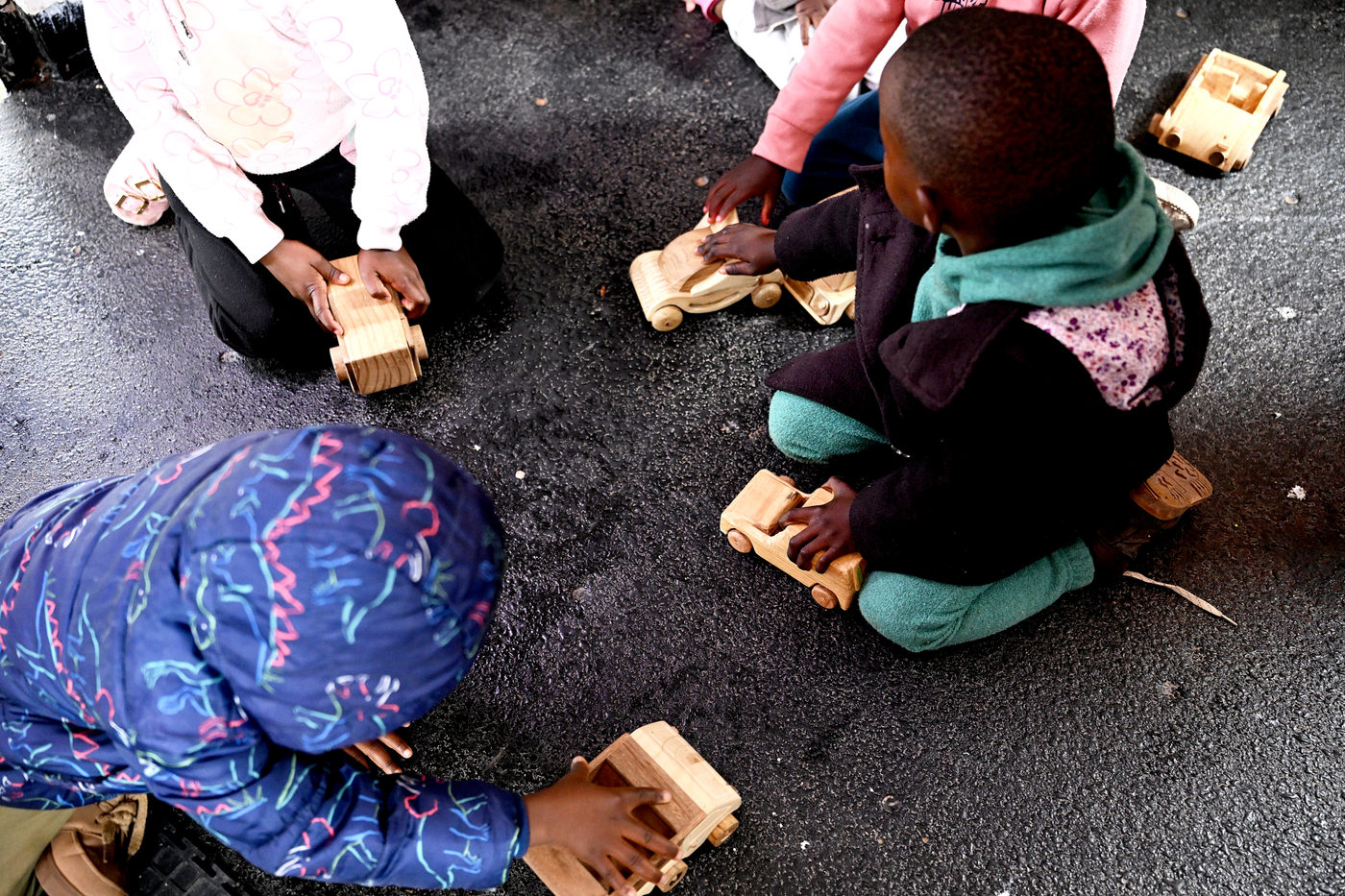
Recent milestones in 2026 demonstrate the project’s continued momentum across diverse academic departments and strategic industry partnerships. Key additions include the opening of a new Sewing Centre led by the Faculty of Humanities, the deployment of a solar dryer by the Faculty of Science, and the distribution of student solar lights by the Faculty of Engineering and the Built Environment (FEBE). The Faculty of Health Sciences expanded its medical interventions with extensive water testing across village households and comprehensive adult eye screenings that provided 68 prescription spectacles and 40 readers. Educational infrastructure was further elevated in September 2026 through the official launch of the state-of-the-art UJ-Barloworld Science Centre at Hanyani High School. A site visit to some of the new projects across the communities also took place on Monday, 7 September 2026, as part of the official programme for the day.
UJ’s 21 Years of Impact campaign celebrates the institution’s commitment to taking academic knowledge beyond lecture halls to solve real-world challenges, serving as a direct reflection of the flagship work done in Limpopo.