The University of Johannesburg (UJ) has taken a decisive step onto the global stage, securing an UNESCO Chairthat positions the Institution at the forefront of Africa’s digital transformation and inclusive media future.
Awarded from a competitive field of 135 international applicants, the UNESCO Chair in Cultural Inclusivity and Equity in Digital Media in Africa for the 2026 to 2030 cycle places UJ in a select global network of just over 1000 Chairs across 120 countries. The recognition affirms the University’s growing influence in shaping policy, research and innovation at the intersection of technology, society and culture.
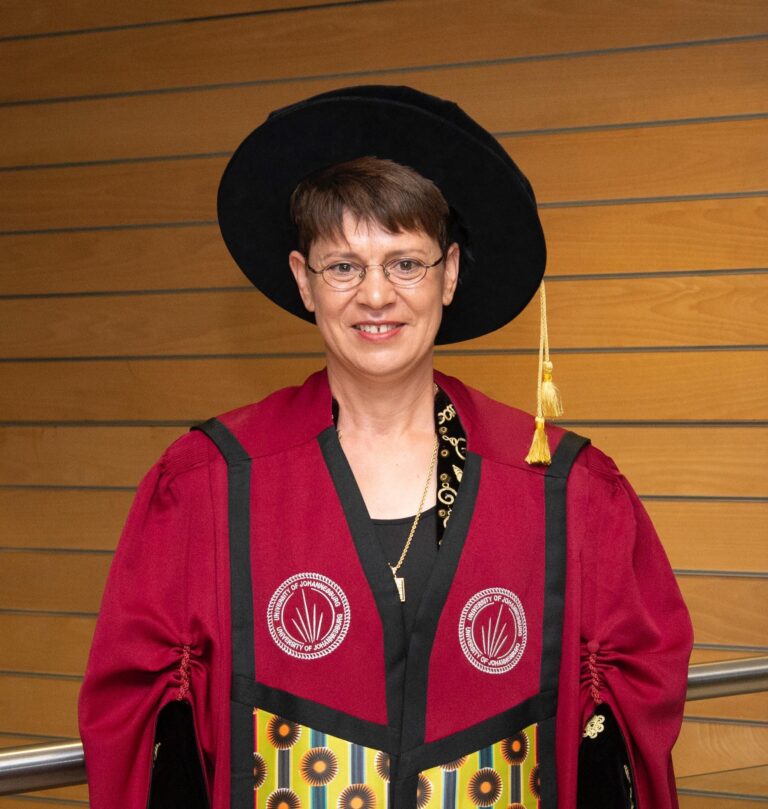
Held by Professor Prinola Govenden, the Chair is more than an academic distinction. It is a strategic mandate for UJ to drive Africa-led digital narratives, ensuring that inclusivity, equity and representation are embedded in the continent’s rapidly evolving digital ecosystem.
This national milestone has already received high-level endorsement, with Cabinet, led by Khumbudzo Ntshavheni, recognising its importance for South Africa’s diplomatic positioning and Africa’s role in global digitalcooperation.
Momentum continues on Friday, 17 April 2026, as UJ hosts a high-level Memorandum of Understanding signing with Solly Malatsi, the Cabinet Minister responsible for South Africa’s national digital policy, telecommunications, connectivity and the country’s transition into a modern digital economy.
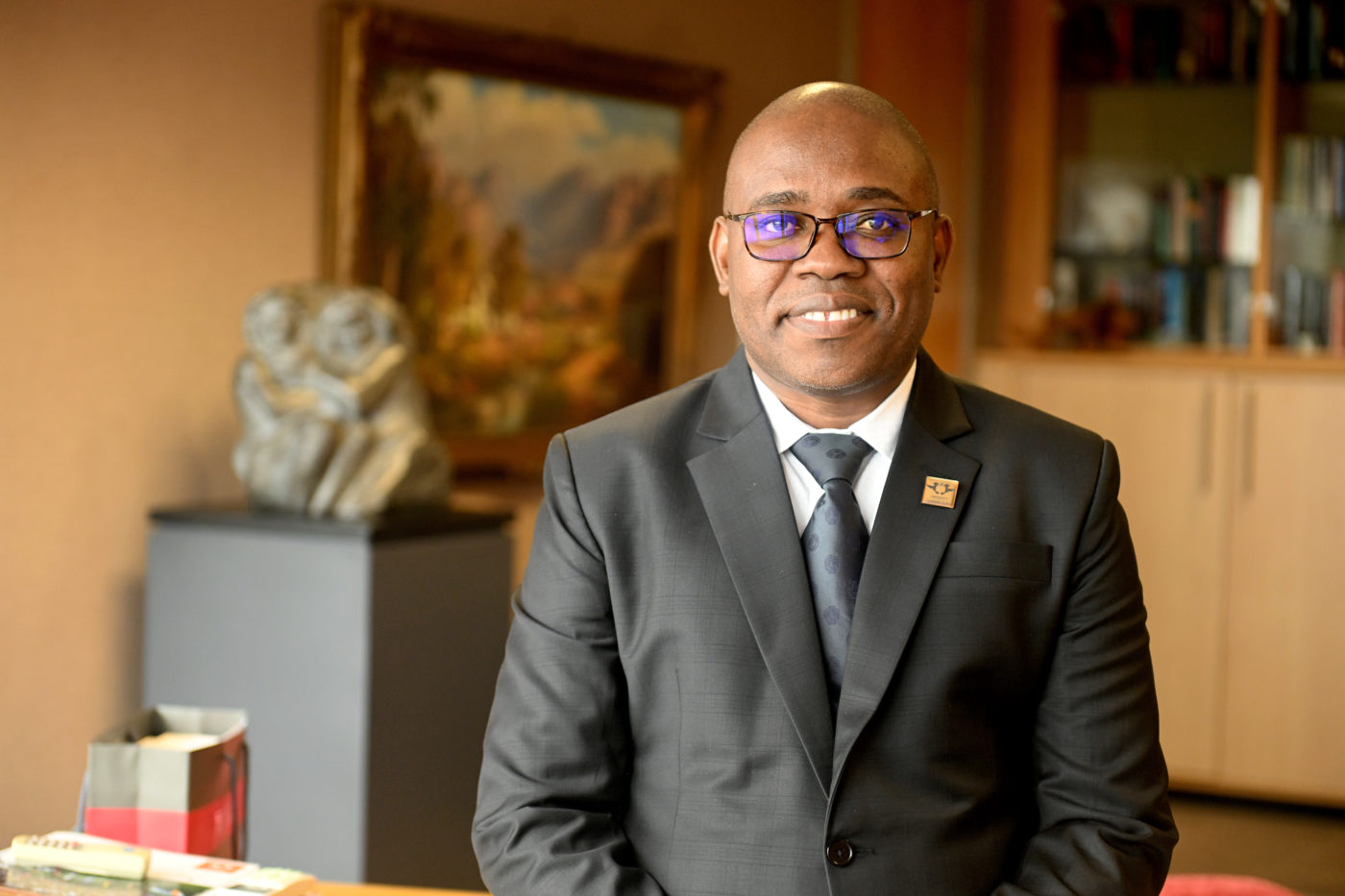
To be signed alongside Vice-Chancellor and Principal Professor Letlhokwa Mpedi, the agreement formalises a strategic partnership that anchors collaboration between government, academia and industry to accelerate digital transformation and inclusive innovation.
The engagement marks the first major activation of the UNESCO Chair and reinforces UJ’s role as a national and continental convenor. Leaders from MTN Group, Ericsson and South African Chamber of Commerce and Industry will contribute messages of support, reflecting strong alignment across sectors behind a shared vision of leaving no one behind in the digital age.
Prof Govenden says UJ does not simply hold a UNESCO Chair but carries a continental mandate to shape the future of digital inclusion and equity.
She adds, “This Chair positions UJ at the forefront of driving research, partnerships and policy that ensure African voices are not only included but lead in defining global digital narratives. It affirms UJ’s role as a leading African institution advancing thought leadership, influencing policy and delivering meaningful societal impact in the digital era.”
The MoU signing builds toward the official UNESCO Chair launch and Ministerial Roundtable on 15 May 2026 at UJ, where stakeholders will engage on advancing localisation and digital progress across the African continent.