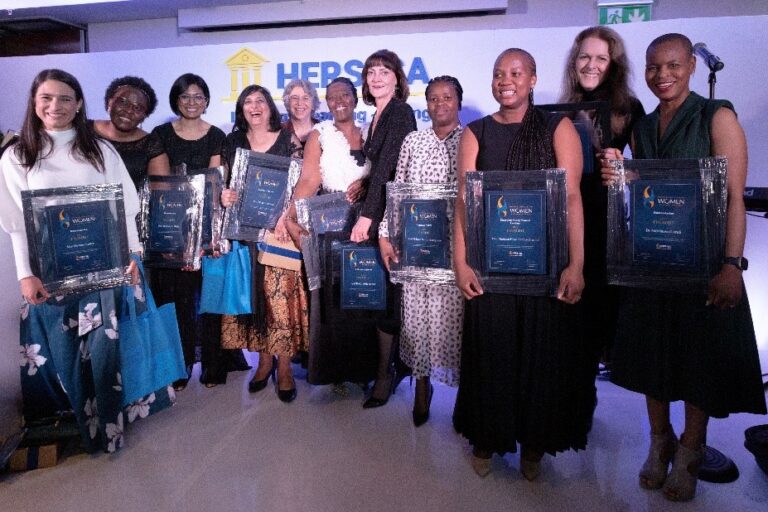
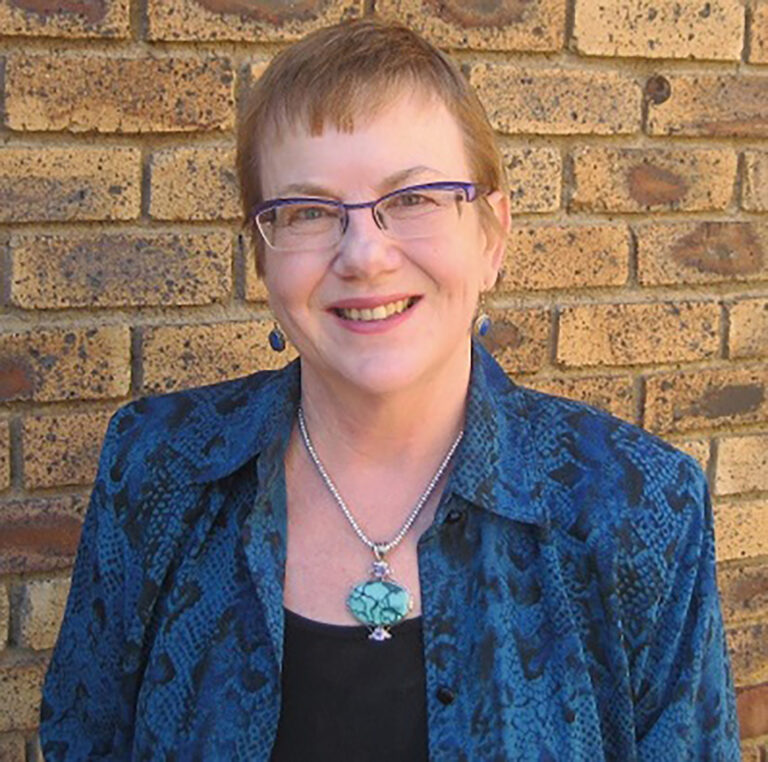
Professor Tanusha Raniga has been named a finalist in the South African Women in Science Awards (SAWISA), in the Humanities and Social Sciences category, as a Distinguished Woman Researcher.
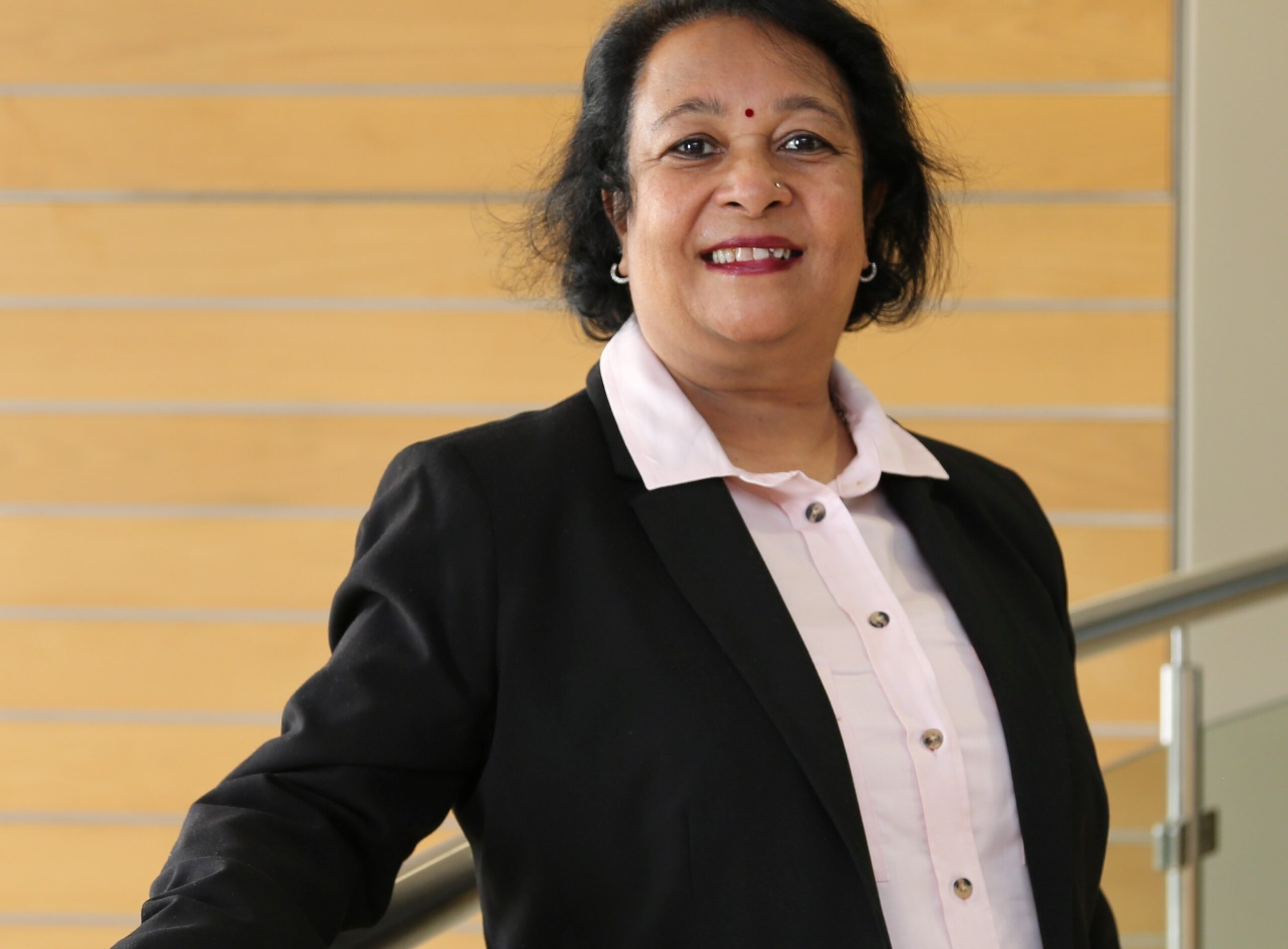
Over the past decade her research has focused on the relationship between economic policies, social grants, poverty alleviation, and decent work in single mother households in developing economies.
Prof Raniga’s research spans a broad spectrum of the UN’s Sustainable Development Goals, including poverty and hunger eradication; education; gender equality, access to decent work, peace and justice.
The awards are an initiative by the National Department of Science, Technology and Innovation (DSTI).
Prof Raniga is a Professor of Social Work in the Department of Social Work and Community Development in the Faculty of Humanities at the University of Johannesburg (UJ).
Her work contributes to the implementation of economic development cooperatives and social entrepreneurship projects, using a sustainable livelihood approach.
As an example, she examined the economic benefits for women who started livelihood activities to supplement their state social grant incomes. She did this research in the KwaZulu-Natal, Gauteng, Limpopo and Mpumalanga provinces, as well as Zimbabwe, Nigeria, Ghana and eSwatini.
Prof Raniga completed her PhD in social work at UKZN in 2007. She joined UJ as an associate professor in June 2017 and has been a Professor of Social Work since February 2020.
She has published over 70 articles and book chapters in nationally and internationally recognized, accredited journals and books.
Her scholarly contribution has culminated in her C2 NRF rating, held since 2017. She holds two national awards from the Association of South African Social Work Education Institutions: the 2013 Young Up and Coming Academic award and the 2025 Social Work Researcher of the Year Award.
Prof Raniga is the lead partner in the Global Transformation and Social Work Practice partnership, which runs from 2023 to 2026. The partnership brings together the Fachhochschule Dortmund university in Germany, UJ, UKZN and Midlands State University in Zimbabwe.
The programme is funded by DAAD, a German academic exchange organization. It aims to build UN Sustainable Development Goal partnerships between countries of the Global North and the Global South.
UJ Professor Musawenkosi (Musa) Saurombe has been named a finalist in the 2026 South African Women in Science Awards (SAWISA) awards.

Her research addresses the Sustainable Development Goals on gender equality, decent work and wellbeing. She focuses on how organisations can advance women’s empowerment and representation in the workplace. Also, how companies can adopt technology to work more efficiently; manage employees’ talent so that organisations stay productive and sustainable in the long run; and improve the wellbeing of employees.
Prof Saurombe is a Full Professor and Deputy head of the Human Resource Management Programme at the Department of Industrial Psychology and People Management (IPPM) in the College of Business and Economics (CBE) at the University of Johannesburg (UJ).
She has published research with practical recommendations for promoting women’s representation and gender equality in the workplace. In particular, her research highlights fields typically dominated by men, and women’s access to technology compared to men.
In the SAWISA awards, she is a finalist in the category for Distinguished Young Woman Researcher, in the Humanities and Social Sciences (HSS).
Prof Saurombe completed her PhD in Industrial Psychology at North-West University in 2017. At the time, she was known as the youngest female to obtain a PhD in Africa at the age of 23. She joined UJ as a Senior Lecturer in February 2021 and was promoted to Associate Professor in August 2022. She now holds the position of Full Professor as of May 2026.
Prof Saurombe holds a National Research Foundation (NRF) Y2 rating, effective from January 2024. She is the author of over 50 peer-reviewed publications, including papers in leading international journals such as Psychology of Men and Masculinities, BMC Public Health, Frontiers in Psychology and Sage Open.