Mobility within Africa is both possible and essential. To advance this, the University of Johannesburg (UJ)’s Division for Global Engagement established the institution’s flagship initiative, Africa By Bus, which gives students firsthand experience of African countries, communities, and cultures.
On Friday, 16 October 2026, the Division launched the reimagined Africa By Bus Plus (ABB+), hosting guests and the programme’s alumni to celebrate the many years of its success and the possibilities of its future. A hands-on academic programme, Africa By Bus helps students learn across borders, disciplines, and communities. Students describe gaining confidence, practical perspective, and a better understanding of shared regional challenges, including water quality, entrepreneurship experience and sustainability.
Since its inception in 2017, Africa By Bus has become one of UJ’s most distinctive and impactful flagship initiatives. The programme has provided transformative learning experiences to more than 1500 students, exposing them to the richness, diversity, opportunities and challenges of the different countries on the African continent. Through these journeys, students have developed a deeper understanding of their place within Africa and their role in contributing to the continent’s future.
Speaking at the relaunch event, UJ Vice-Chancellor and Principal Professor Letlhokwa Mpedi reflected on the importance of the initiative, stressing that these journeys were educational experiences beyond the classroom, made possible through collaboration between the Global Engagement Office and university faculties. The initiative supports UJ’s Strategic Plan 2035 and its pillars of societal impact and sustainability, technology for the future, and global footprint and climate. The “Plus” in ABB+ signals ambitions to expand partnerships, disciplines, student participation, research, innovation, and impact – not simply to take students on trips.
Prof Mpedi called on students to embrace a Pan-African identity and see the continent’s cultural, intellectual, and economic possibilities alongside its challenges.
The initiative’s goal is to help graduates become curious, empathetic, adaptable participants in Africa’s future. “Once you have properly experienced Africa, you’ll never be the same.”
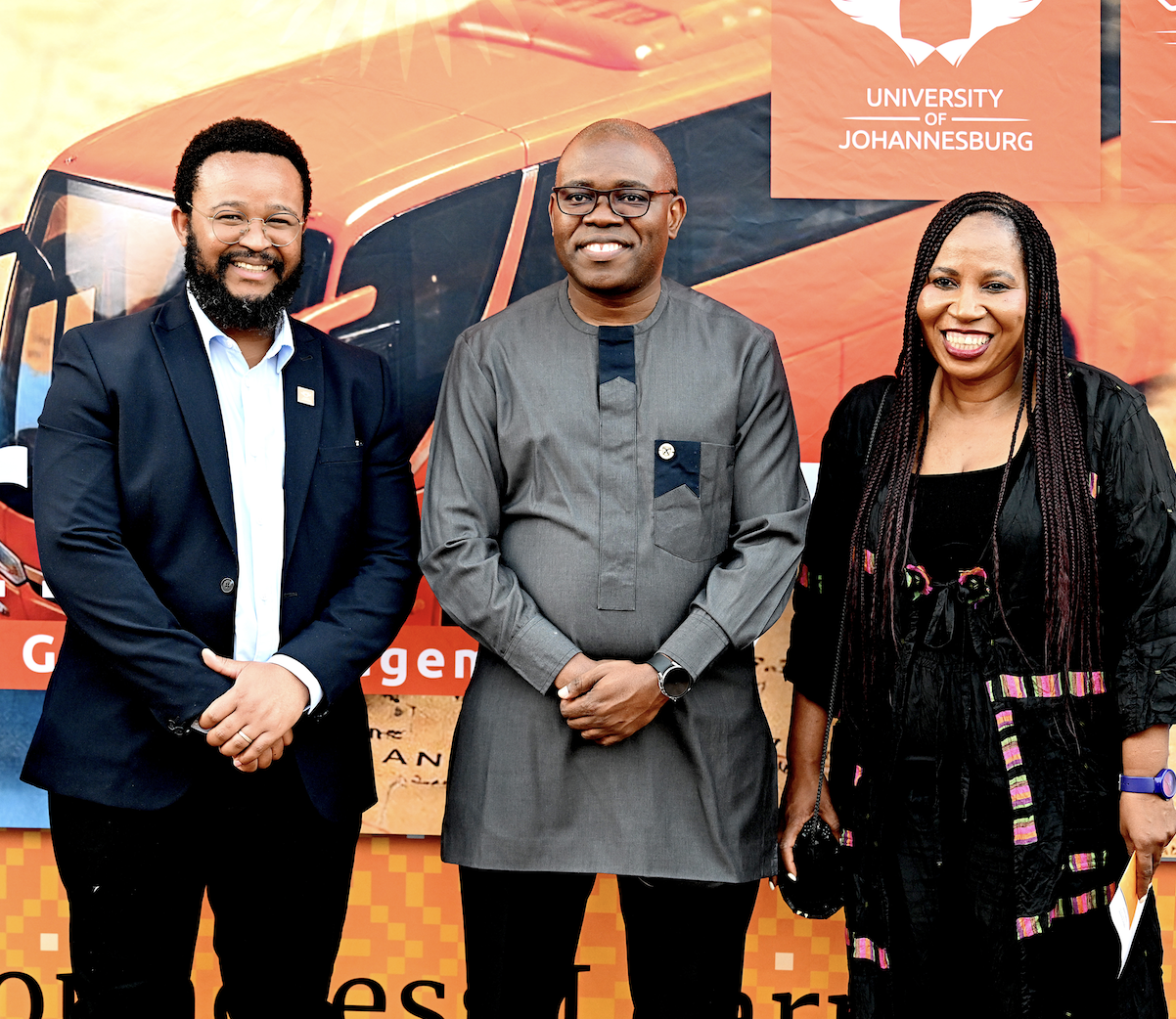
The relaunch is framed as a move from a successful initiative to a permanent, institutionally supported programme aligned with UJ’s strategy, said Professor Bhaso Ndzendze, Global Engagement Senior Director. “No other university does a programme like this.” He also said the programme had been officially trademarked.
The new direction emphasises measurable impact, inclusion, integrity, innovation, consistent university communications, and stronger partnerships. Prof Ndzendze also pointed to the programme’s decade of partnerships, international recognition, and student scholarship as evidence of its value.
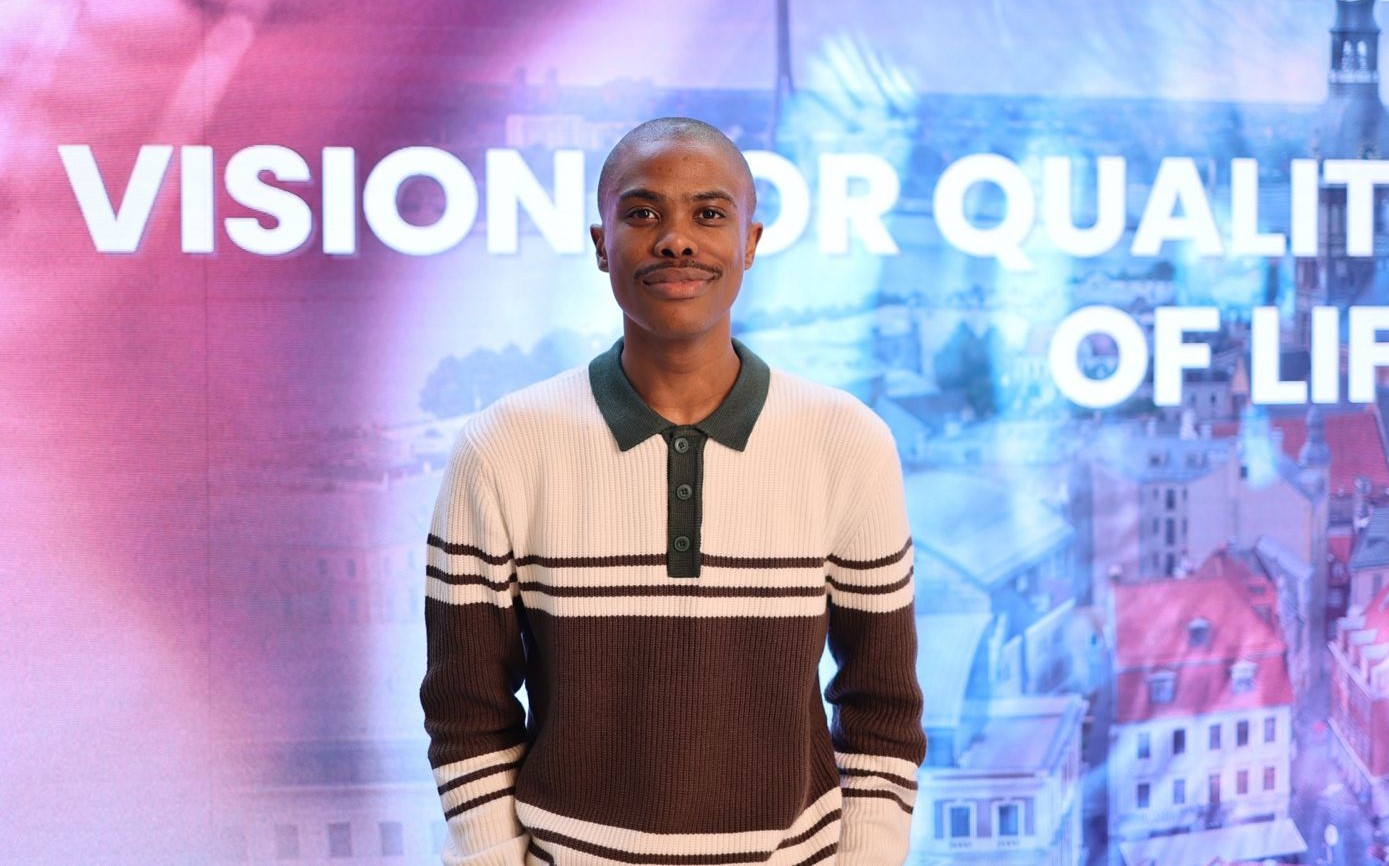
The panel discussion, moderated by the Director of Academic Services, Ms Anisa Khan, focused on how the Africa by Bus programme creates impact through experiential learning, cross-cultural connection, research, and a broader sense of African identity. ABB alumnus Mr Kutloano Malahlela said the experience changed his view of Africa – from a place seen mainly through its problems to a community with shared knowledge and culture. He emphasised learning with communities, rather than simply extracting knowledge from them, and described Africa’s development as a shared responsibility.
Academic coordinator, Mrs Maipato Mmako-Dlamini, explained how the programme connected classroom topics to lived experiences, including diversity and time management. She said this helps students become global citizens and broadens their sense of identity: they can remain South African while also feeling a sense of belonging to Africa.
Ms Lisle du Plessis, Manager for Study Abroad, highlighted students’ growth through travel and learning beyond the classroom.
Professor Adebo Oluwafemi, Faculty of Science, noted that many students were traveling with passports for the first time. He said mobility gives students a new perspective and that conversations with students and local partners can produce solutions researchers might not have considered. Professor Hoosain Coovadia, Vice Dean: College of Business and Economics, said the trips should be a starting point for lifelong learning. Students can use what they observe about local challenges to develop research and practical technology solutions for Africa, by Africans.
Mr Elton Hart, Faculty of Law, described how travel helped law students recognise connections between South African and Namibian legal systems. He also highlighted unexpected learning opportunities, the value of staff development, and the importance of keeping the programme available to students.
Keynote speaker and UJ honorary doctorate recipient Mr Thebe Ikalafeng, focused on five lessons for learning, working, and leading across Africa: Understand Africa before trying to lead in Africa; Cultural intelligence matters as much as academic intelligence; Understand how economies work – not just where opportunities appear; Build cross-border relationships before your career takes you across borders; and don’t just cross borders – help change what they mean.
“The aim is not merely to travel or find opportunities elsewhere, but to help create opportunities and build an Africa that future generations deserve.” Mr Ikalafeng presented African identity as a foundation for ambition, not a limitation, and called on people to carry forward what is valuable, address what is broken, and contribute to the continent’s future.
Chief Director for International Relations, Department of Higher Education and Training, Mr Xolani Khumalo, also expressed support for the relaunch and connected the initiative to the African Union’s Agenda 2063 and the idea that South Africa’s prosperity is linked to a prosperous, integrated Africa. He emphasised international cooperation on recognising qualifications and enabling students, graduates, and academics to move across borders for study, work, and research. UJ is probably the only university that understands the issue of mobility and what it means for those frameworks (G20 Education Working Group/UNESCO Global Convention) that have been adopted by the country.”
Mr Rendani Khorombi, Executive Head for Tourism Strategic Services at the City of Johannesburg, expressed support for the programme, highlighted its potential to boost local economies, support small businesses, and create tourism-sector jobs.