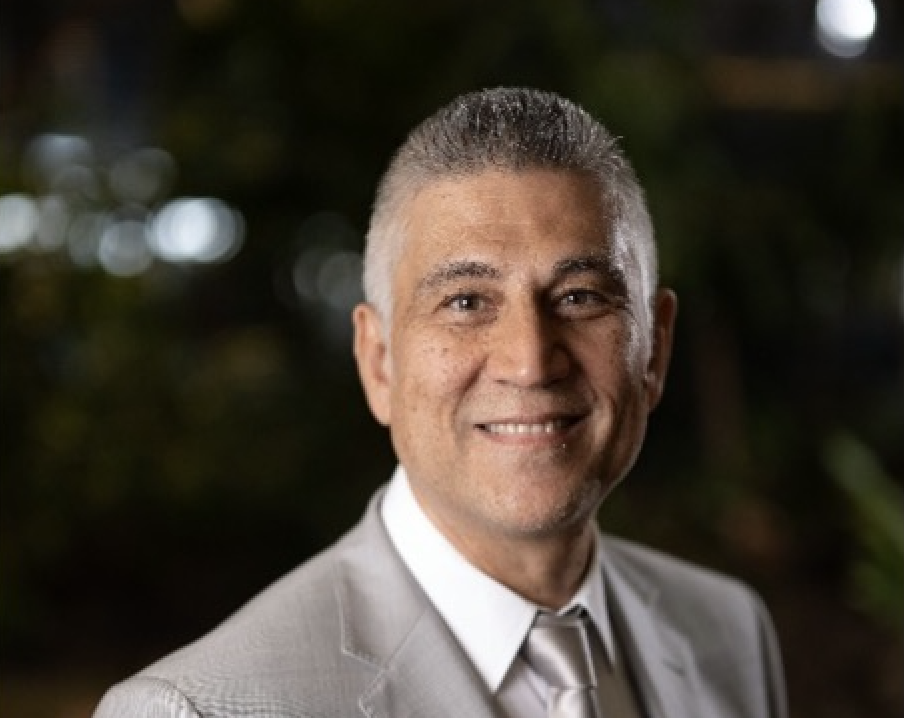
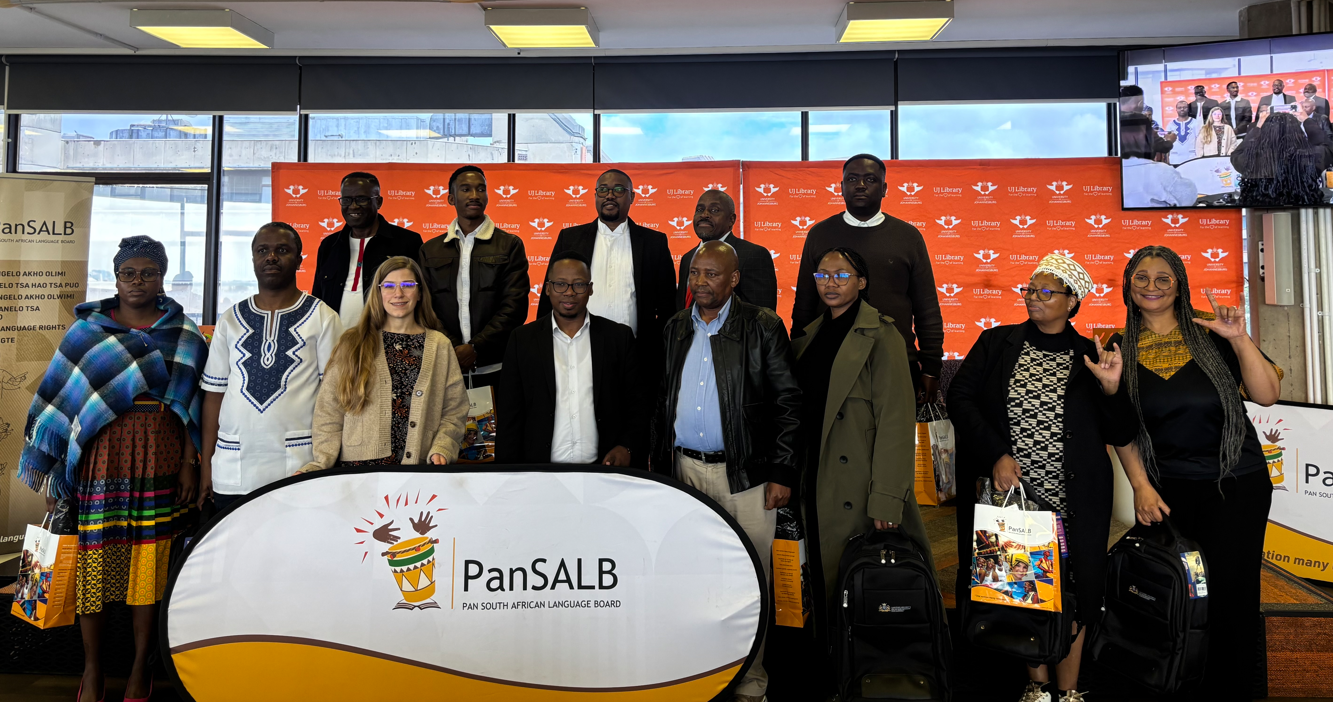
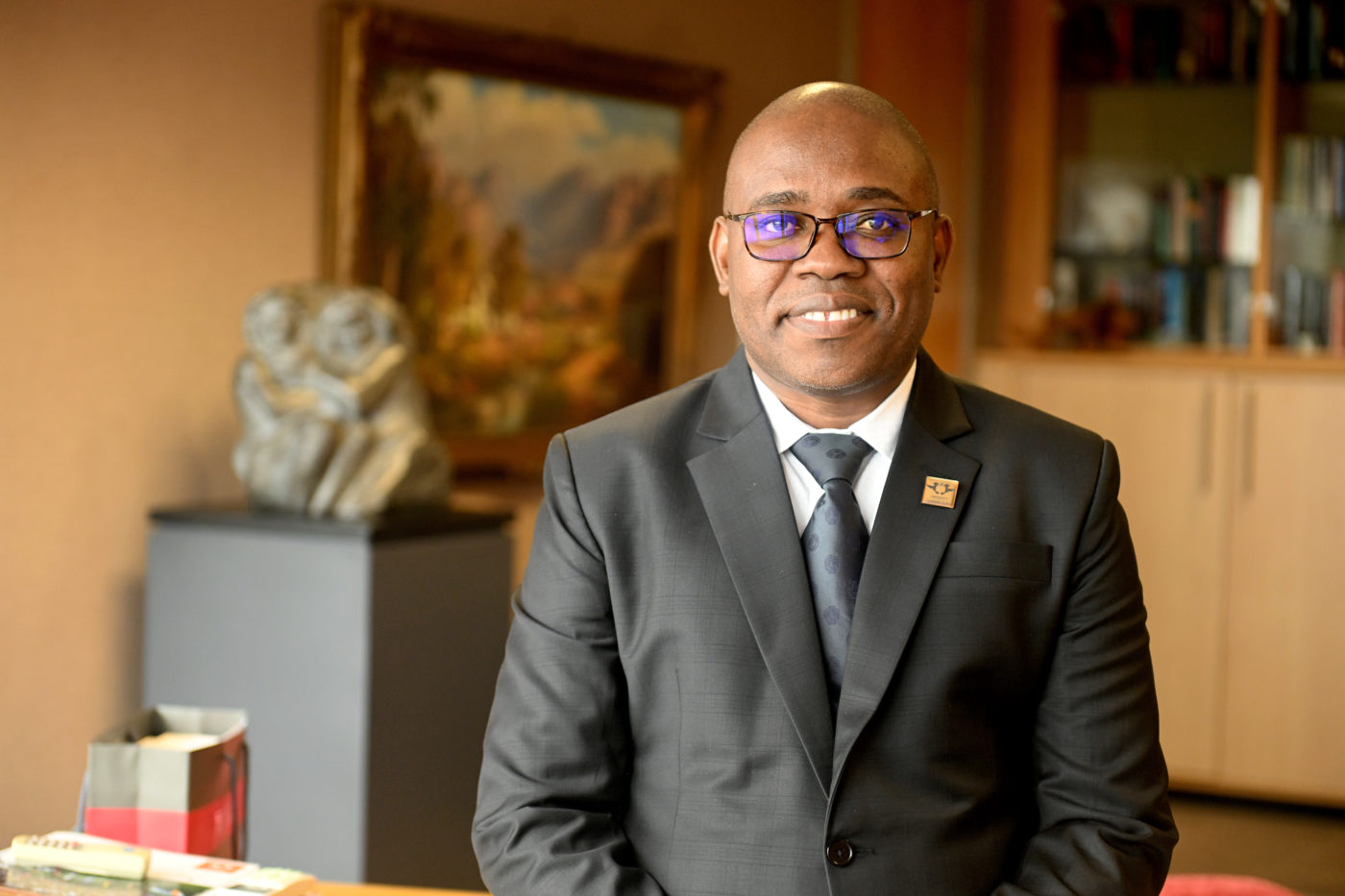
The University of Johannesburg (UJ)’s Department of African Languages in the Faculty of Humanities celebrated International Translation Day together with the Pan South African Language Board (PanSALB) and the Gauteng Department of Sport, Arts, Culture and Recreation (SACR) on 30 September at the UJ Library. The event included various stakeholders who engaged and discussed the role of multilingualism in social justice and inclusion.

Professor Pragna Rugunanan Vice-Dean of Research in the Faculty of Humanities gave welcome remarks and emphasised that; “International Translation Day serves as a moment to reaffirm our commitment to social cohesion and innovation”. Prof Rugunanan added that the goal is to build societies where indigenous languages are nurtured and every individual has a voice.
Dr Soyiso Khetoa Chairperson of Gauteng Provincial Language Committee (GPLC) who shared the purpose of the day said that International Translation Day aims to recognise the invisible labour of translators. He noted, “these professionals are agents of inclusion who provide the necessary infrastructure for linguistic justice”.
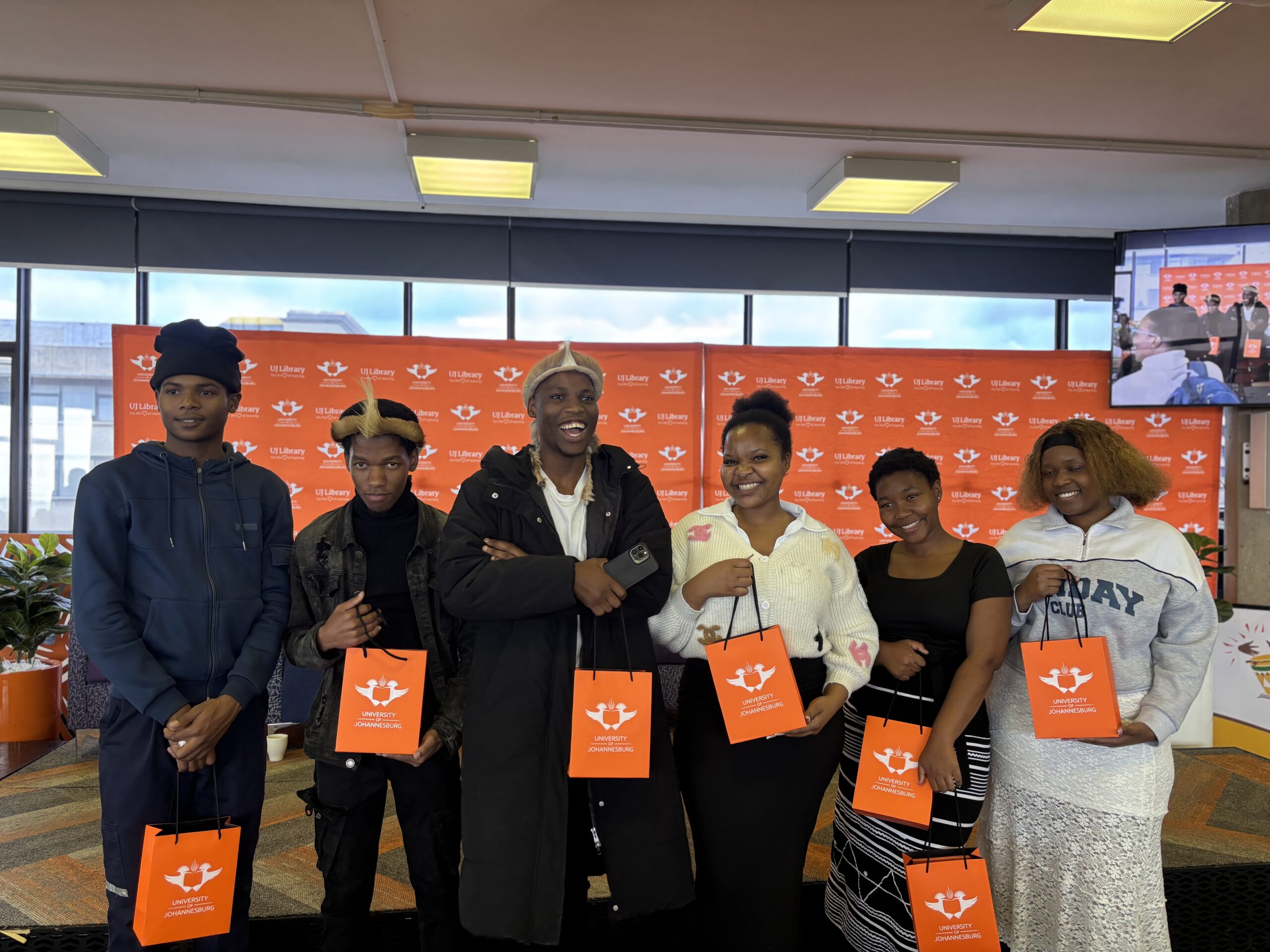
Attendees were treated to a vibrant entertainment programme that served as a perfect way to close off Heritage Month.UJ students captivated the audience with poetry performances in various South African languages, celebrating the country’s rich cultural diversity. The OkaNdaba student cultural society further united everyone in the room through energetic traditional dance performances, which also incorporated sign language, showcasing the importance of inclusivity in cultural expression.
Dr Celimpilo Dladla, Head of Department of Translation and Interpreting Studies, at the University of Witwatersrand delivered a keynote address highlighting the disconnect between the South African Constitution, which recognises multiple official languages, and the reality of public services. Dr Dladla shared that while legislation mandates linguistic inclusion, institutions such as courts and police stations often default to English, forcing citizens to rely on intermediaries to be heard. She further reminded the audience about the importance of interpreters and said; “we are the bridge. We are the ones who enable people to be understood”.
The event also featured two panel discussions that discussed the critical role of translation and interpretation in promoting multilingualism and social inclusion which was moderated by Dr Michal-Maré Linden, Chief Language Practitioner PanSALB. The other, focused on defining competence in translation and interpreting: skills, standards and practice which was moderated by Dr Themba Madingiza, lecturer in the UJ Department of African Languages. Cebolenkosi Ngcobo, Deputy Director of Language Services Department of SACR, discussed the government’s role in ensuring citizens can exercise their rights and access services in understandable languages. He highlighted the gap in language access, arguing that physical or digital access is meaningless if information is not linguistically accessible.
All panellists addressed the rise of Artificial Intelligence and were in unison that machines cannot replace humans because they lack the ability to grasp nuance, meaning, and cultural context.
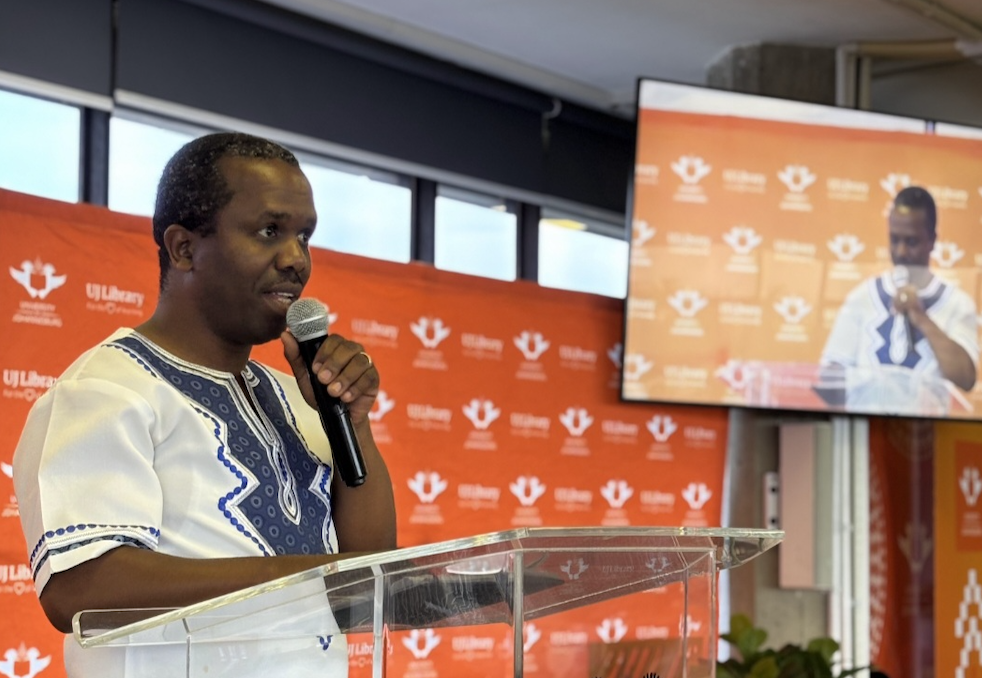
In the closing remarks, Prof Dumisani Sibiya of the UJ Department of African Languages thanked everyone who contributed to the event and praised the speakers and panellists for their engaging contributions and dedication of those working to promote African languages.
A strong theme that emerged on the day is how UJ views multilingualism as an academic and social imperative rather than just a policy exploration. The university is committed to the intellectualisation and preservation of African languages. The goal is to transform language from a barrier to participation into a bridge for community connection and mutual understanding. Linguistic diversity is treated as a resource for innovation and social cohesion.