Good transport makes life easy, while bad transport impacts the ability of individuals to do anything. The primary driver of economic development, social equity, and environmental sustainability is transport, says Professor Rose Luke.
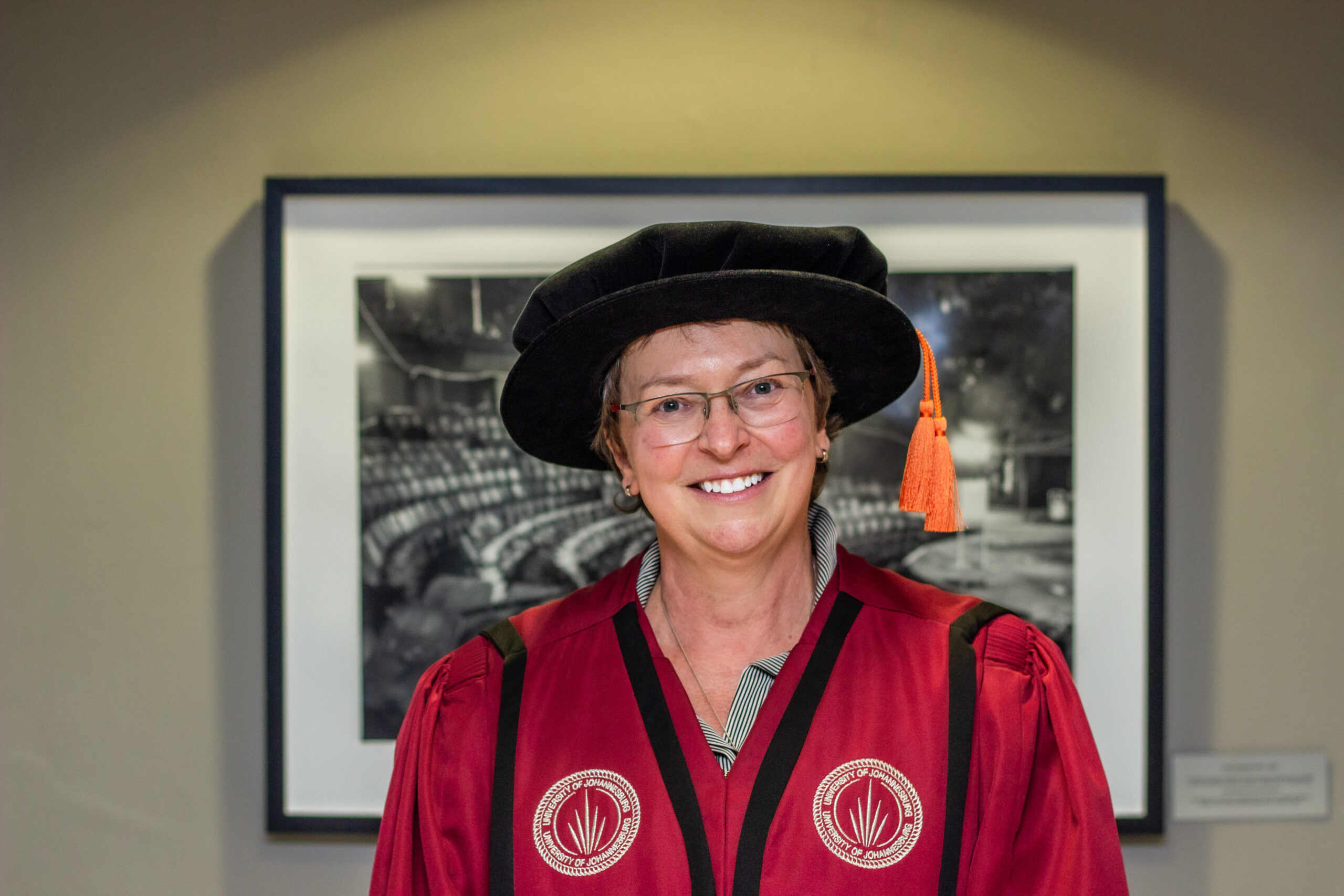
Prof Luke is a researcher in Transport Economics, and Director of the UJ Institute of Transport and Logistics Studies (ITLS) within the College of Business and Economics.
Early in her career she was taught that demand that for transport does not exist in its own right. Because people have a demand for food and clothes and fun, they also have a demand for transport. Later, the field of transport economics recognised that transport fulfils a much deeper need.
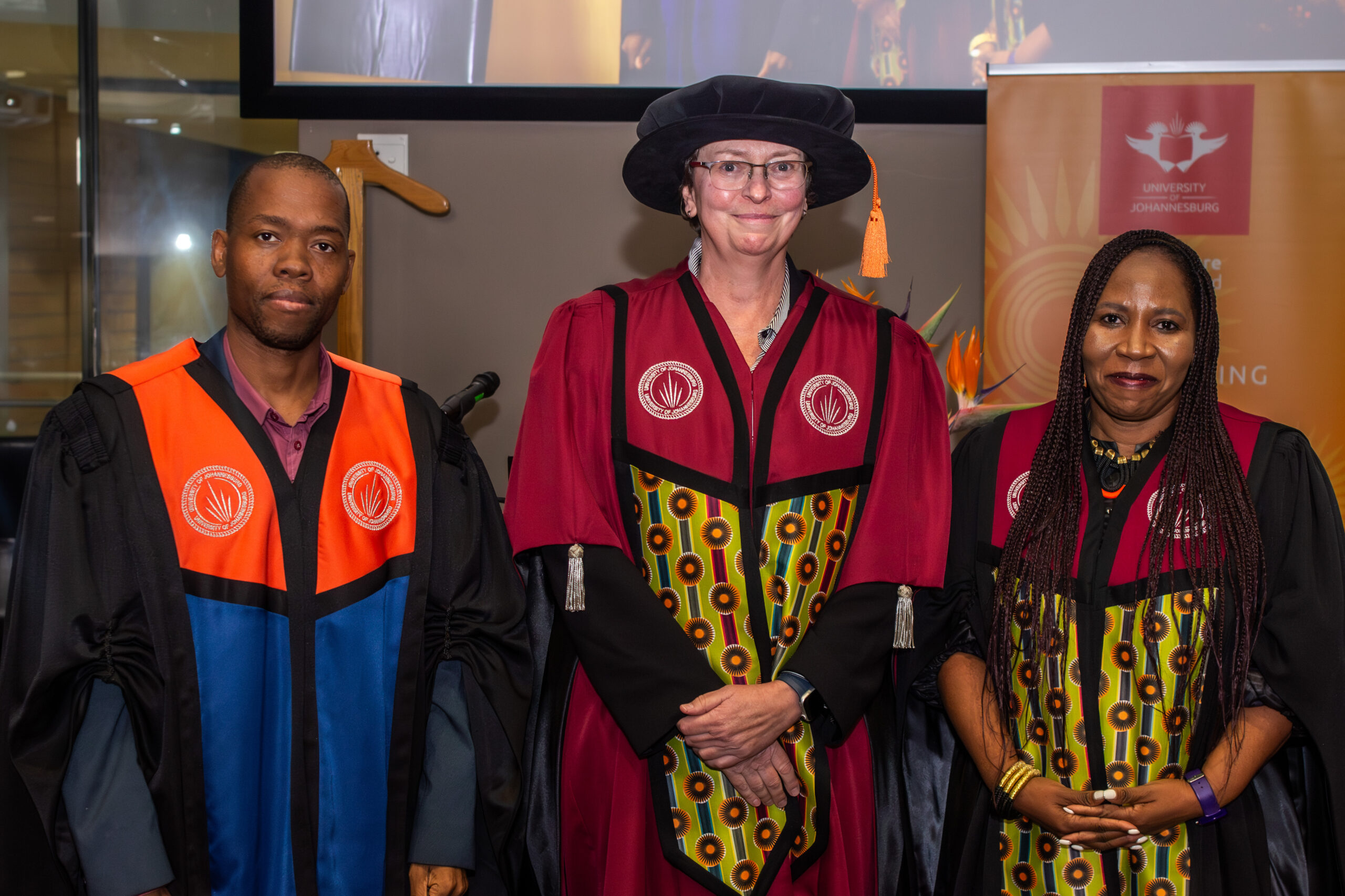
Prof Luke was speaking at her professorial inauguration on Tuesday 6 October at the Kingsway Campus of the University of Johannesburg (UJ).
“Transport is everything. Think about how you got here tonight. Think about the clothes you are wearing and the food that you will be eating later. Everything and everyone are here because of transport,” she says.
“Transport is the lifeblood of any modern society. As such, it needs heavy government investment,” she adds.
Bad transport as social injustice
Where bad or unaffordable transport curtail people moving about, society itself is affected. People may remain unemployed because transport costs exceed take-home pay. Mothers may be unable to get their children to hospital in time.
Where public transport quality is inadequate, social exclusion follows, says Prof Luke . Not being able to access basic healthcare; not being able to achieve higher levels of education, being unable to participate in economic activity, being unable to participate in normal social activities, are all effects of poor transport systems.
The roots of this exclusion are found in inadequate planning for transport networks, she says.
“Transport justice must be part of our planning. When we do not consider transport systems at the centre of every other developmental initiative, none of them happen.
“We cannot achieve equity in our country without embedding equity into every transport decision we make. Our policy clearly states that transport policy needs to focus on equitable access. However, sometimes our policies inadvertently entrench the transport-related social exclusion we are seeking to resolve,” she says.
Go big or stay home
When passenger and freight logistics work well, economies thrive and populations are better off. When logistics fails, the cost of goods rises and communities grow poorer.
In South Africa, the main economic activities sit far from the ports. Urban sprawl and spatial planning further constrain movement and raise costs.
According to Prof Luke, her research and experiences, and conversations with students, friends and colleagues reveal one truth.
“Everyone wants a car. If you have one, you believe that you cannot live without it. If you do not have a car, you want one. But we do not want to buy transport. We want to buy freedom,” she says.
Meanwhile African populations are growing rapidly. And people move from rural areas into cities faster in Africa than elsewhere. A major city such as Johannesburg might expect more than 100 000 new residents a year, says Prof Luke.
Assuming that most new residents are commuters or scholars, local governments will need to consider how many extra cars or taxis will be added to city roads every year.
“We need big transport solutions – buses and trains, extensive networks and new schedules, and new working hours,” she says.
“We need to ‘go big or stay home.’ If we do not think big about transport, we gridlock, not just the traffic in our cities, but our economic development as well.”
Planning freedom of movement for everyone
Heavy rail represents the future for efficient logistics across Africa. This can reduce road use and provide more efficient transport solutions, continues Prof Luke.
In air transport, African aviation markets require deregulation to establish direct continental connections rather than routing through European and other hubs.
Embracing technology in transport and logistics can enable African cities and countries to leapfrog current infrastructure constraints, she says. Smart digital technologies and real-time transit applications can contribute to this.
“Nobody should be disadvantaged by transport. Bus services, walkability, mixed land use, safe spaces; all these make vibrant communities.
“We need to plan for inclusion. Give the person in the wheelchair, the mother with young children, the young woman coming home from a visiting friends at 2am, the blind man, the school children, the average person, the freedom of the city,” concludes Prof Luke.