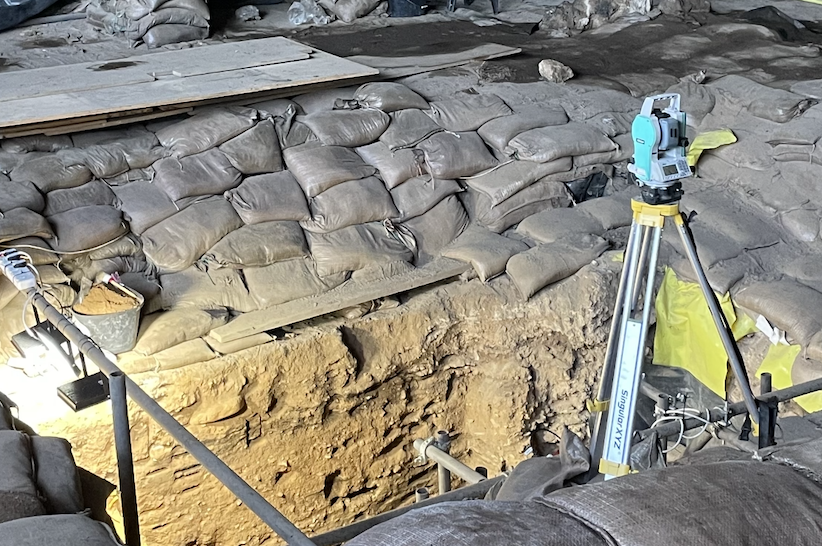
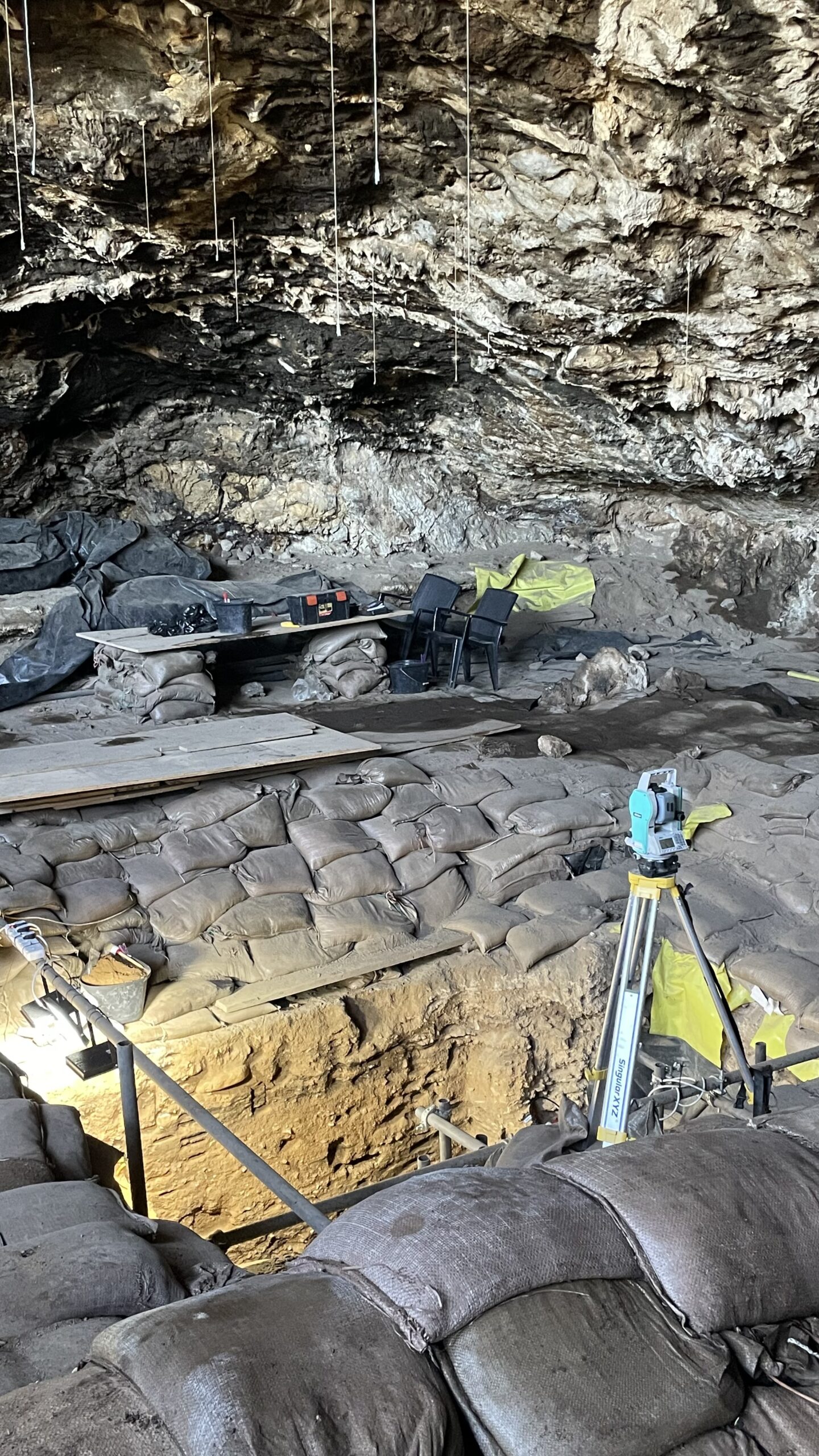
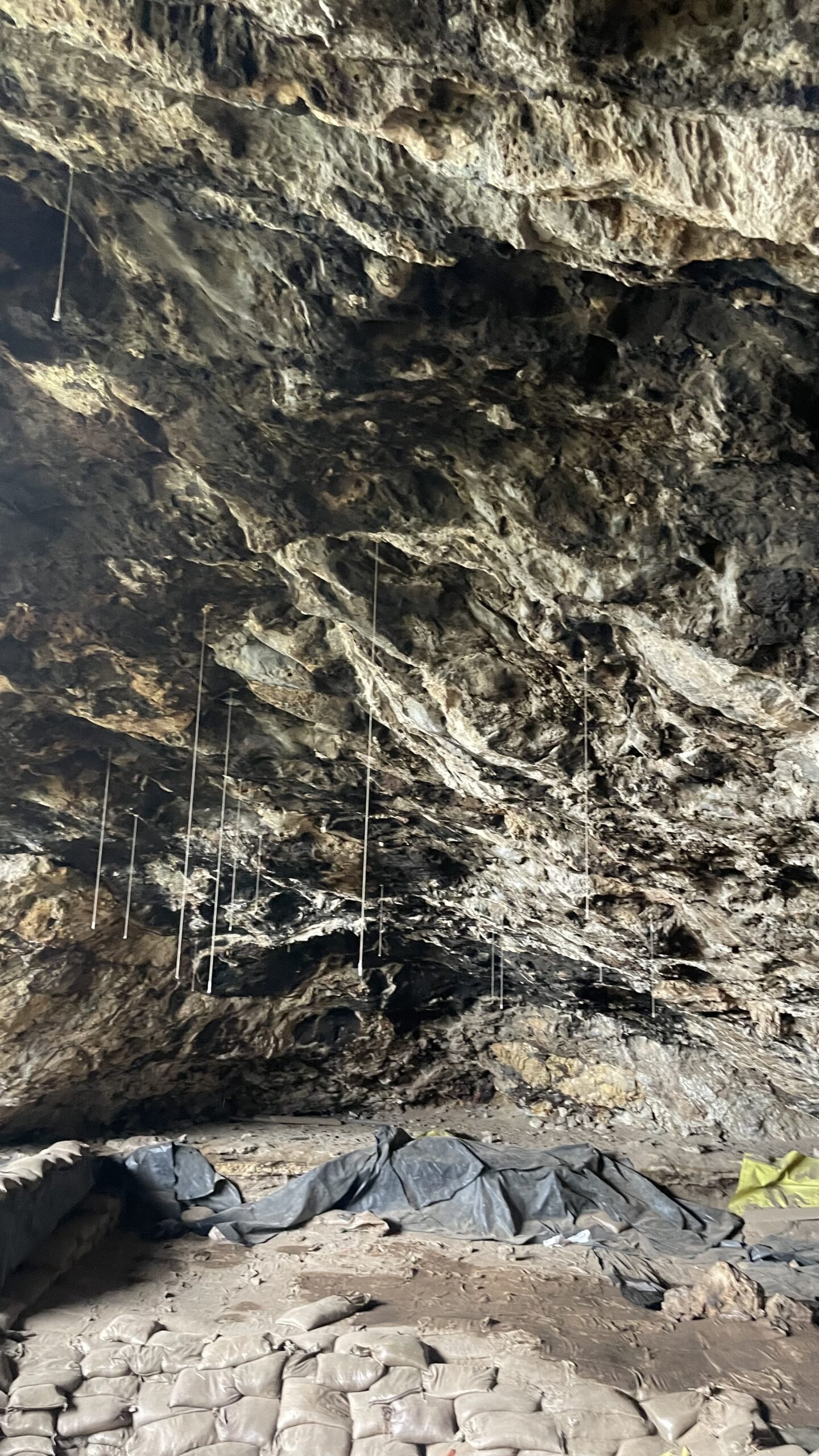
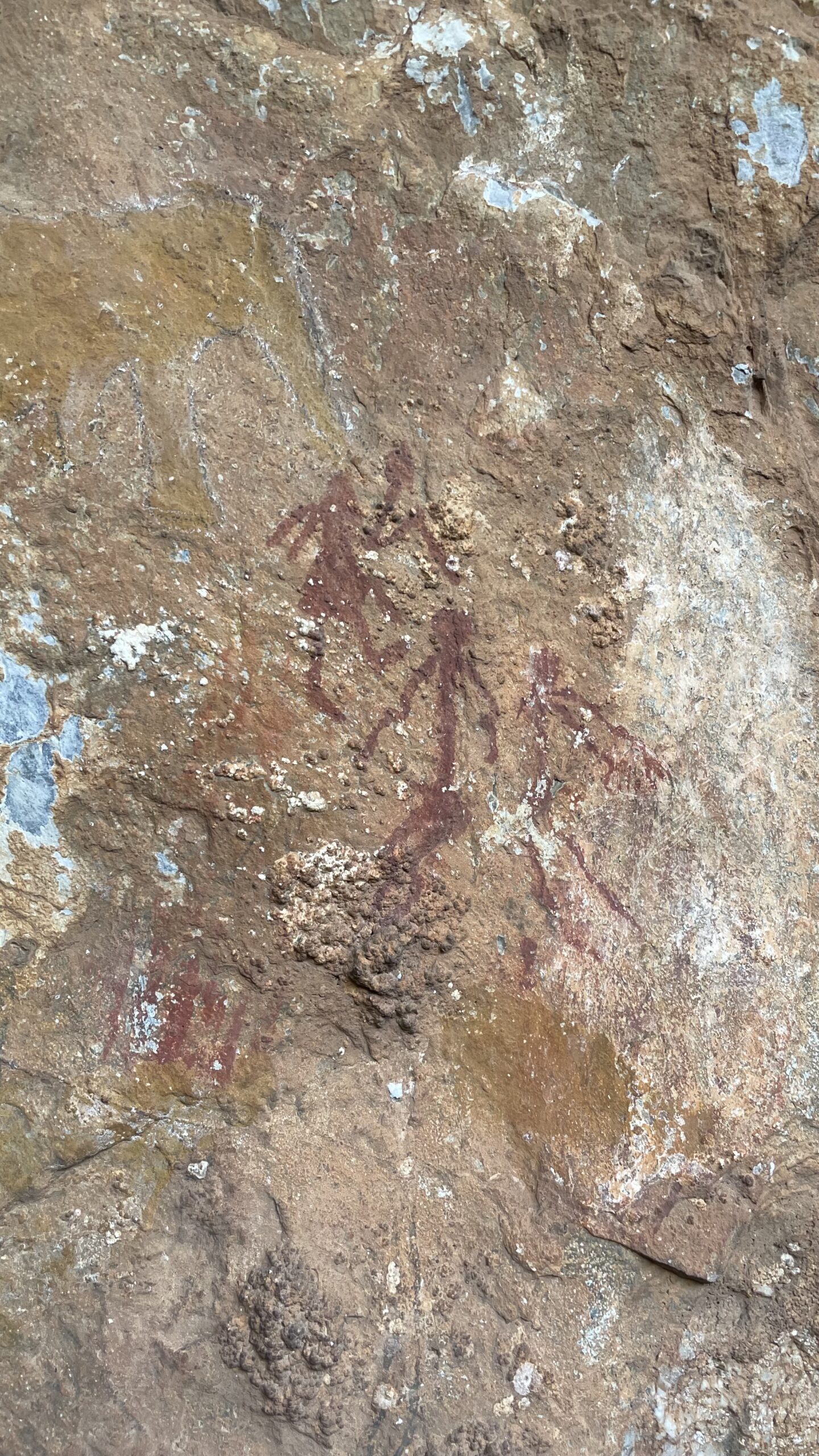
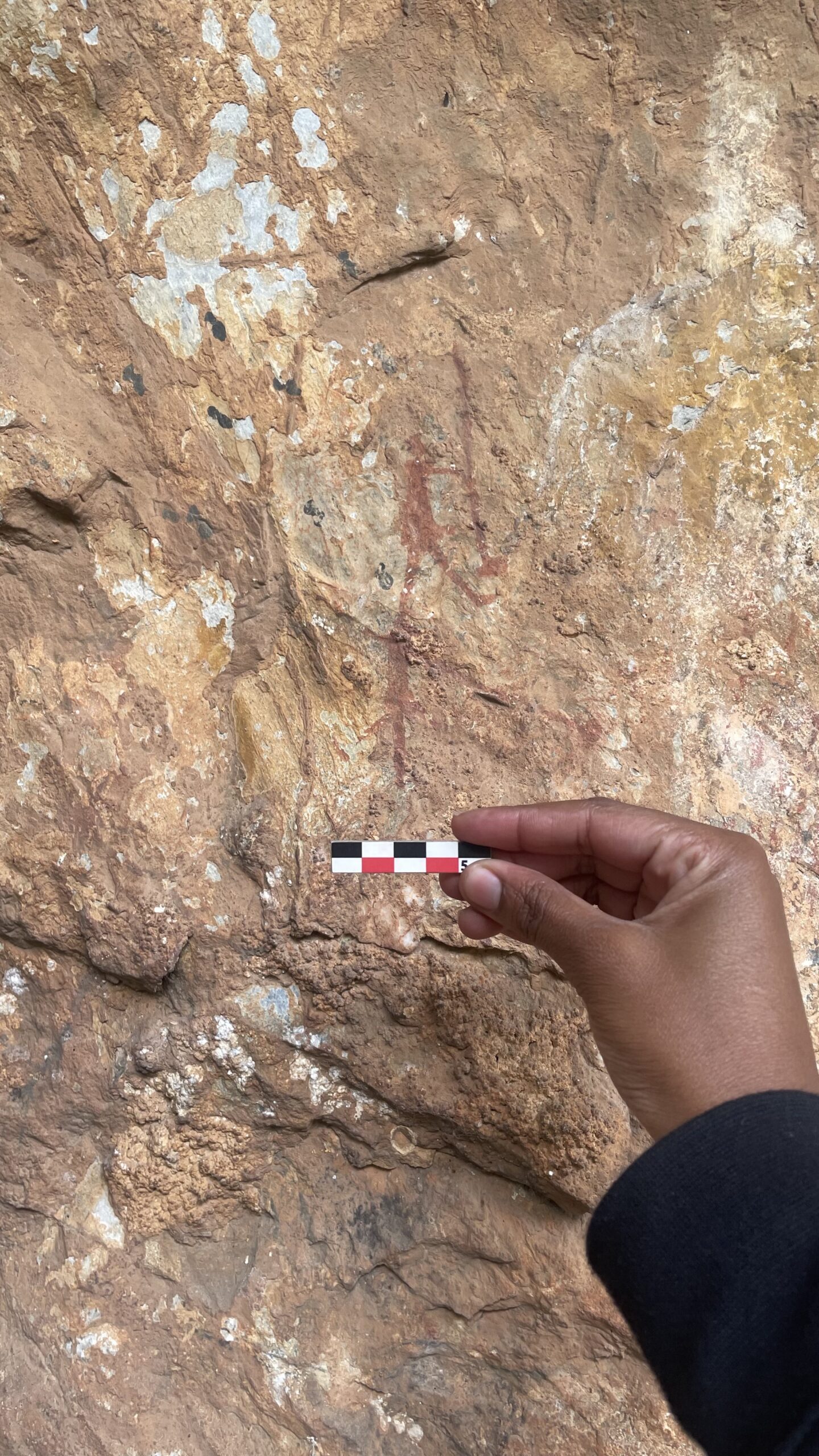
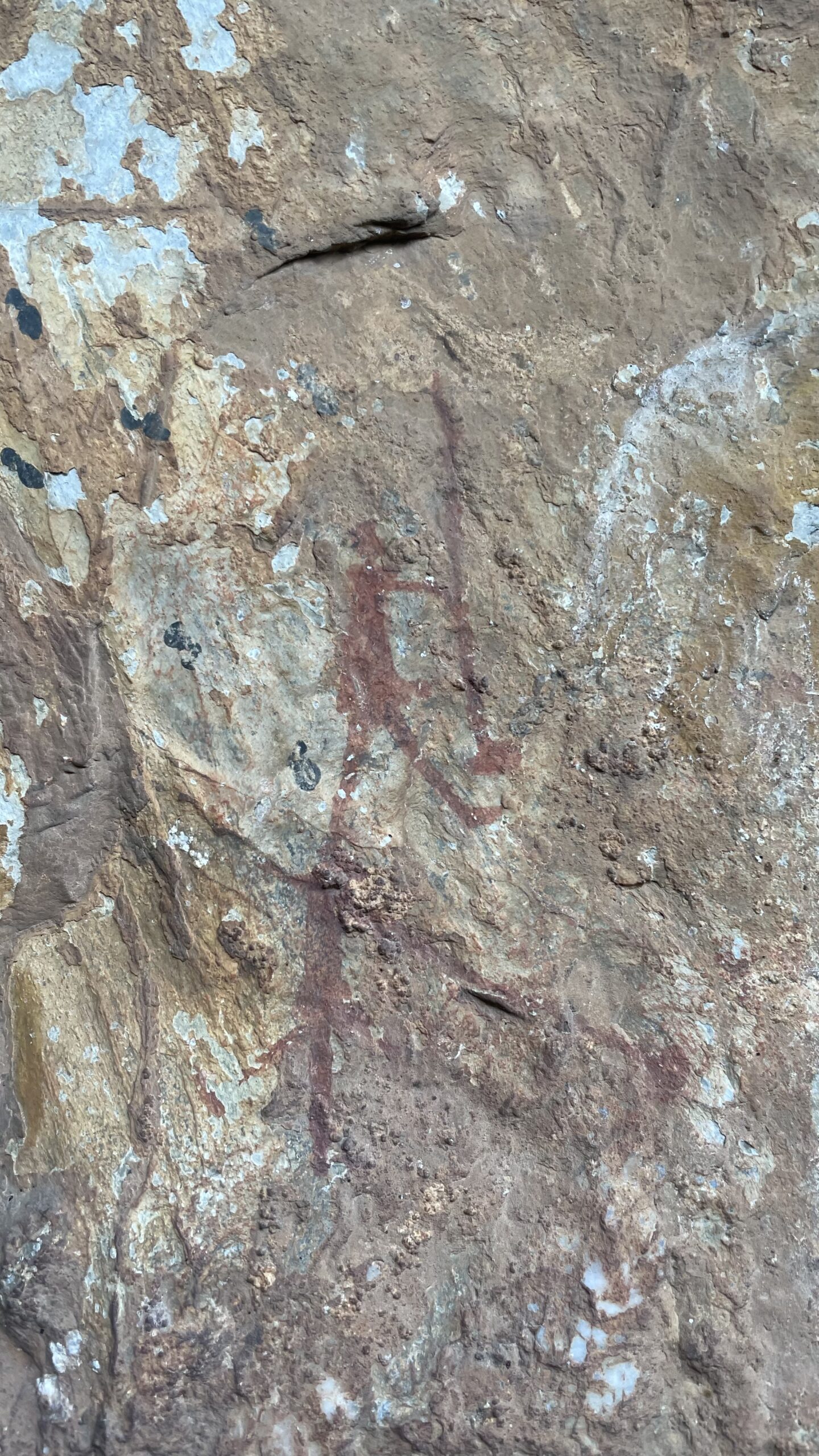
At the Palaeo-Research Institute (P-RI), the lives of the ancient people of South Africa become clearer, one artifact at a time. The researchers carefully sift through layers of soil. Slowly, they find objects that tell stories about people from very long ago.
The P-RI is an institute within the Faculty of Humanities at the University of Johannesburg (UJ).
During these excavations they find clues to the ancients’ knowledge of medicinal plants, which animals they hunted, and how. They can discover more about ancient cultures and traditions also.
Here, three young researchers from the P-RI describe what it is like to travel back into the deep past of South Africa and its people.
Reward in sowing and reaping from the land

Dr Bongekile Zwane was drawn to archaeology by her curiosity about earth sciences, she says. At first, she wanted to do mining geology or environmental geology. However, she was re-directed to take archaeology as a major during her undergraduate studies.
Dr Zwane is a lecturer and researcher at the P-RI. She is fascinated with human pre-history.
“Being an archaeologist is still a rare privilege for someone who grew up in rural KwaZulu-Natal. However, there is a connection between the lessons I grew up with and what archaeology is about. You are told as a young person in a rural farming society that there is a reward in sowing and reaping from the land.
“In archaeology there is a reward in simply digging the land. Of course you have to dig in the right places. In our research, past societies have already sowed pieces of their lives, waiting to be reaped by archaeologists,” she adds.
For her, archaeology research is like bringing back to life the human societies or animal and plant remains that have been gone for a long time. She reconstructs which set of plants grew at various stages of human pre-history and how people utilised those plants. The research field is called archaeobotany.
Her research and fieldwork experience has helped her appreciate how multifaceted heritage is. She sees the human past as diverse. She believes that heritage will benefit from having multiple voices from diverse backgrounds, because of that. And that more work needs to be done to attract talent from historically underrepresented populations in the world.
History that cannot be replaced
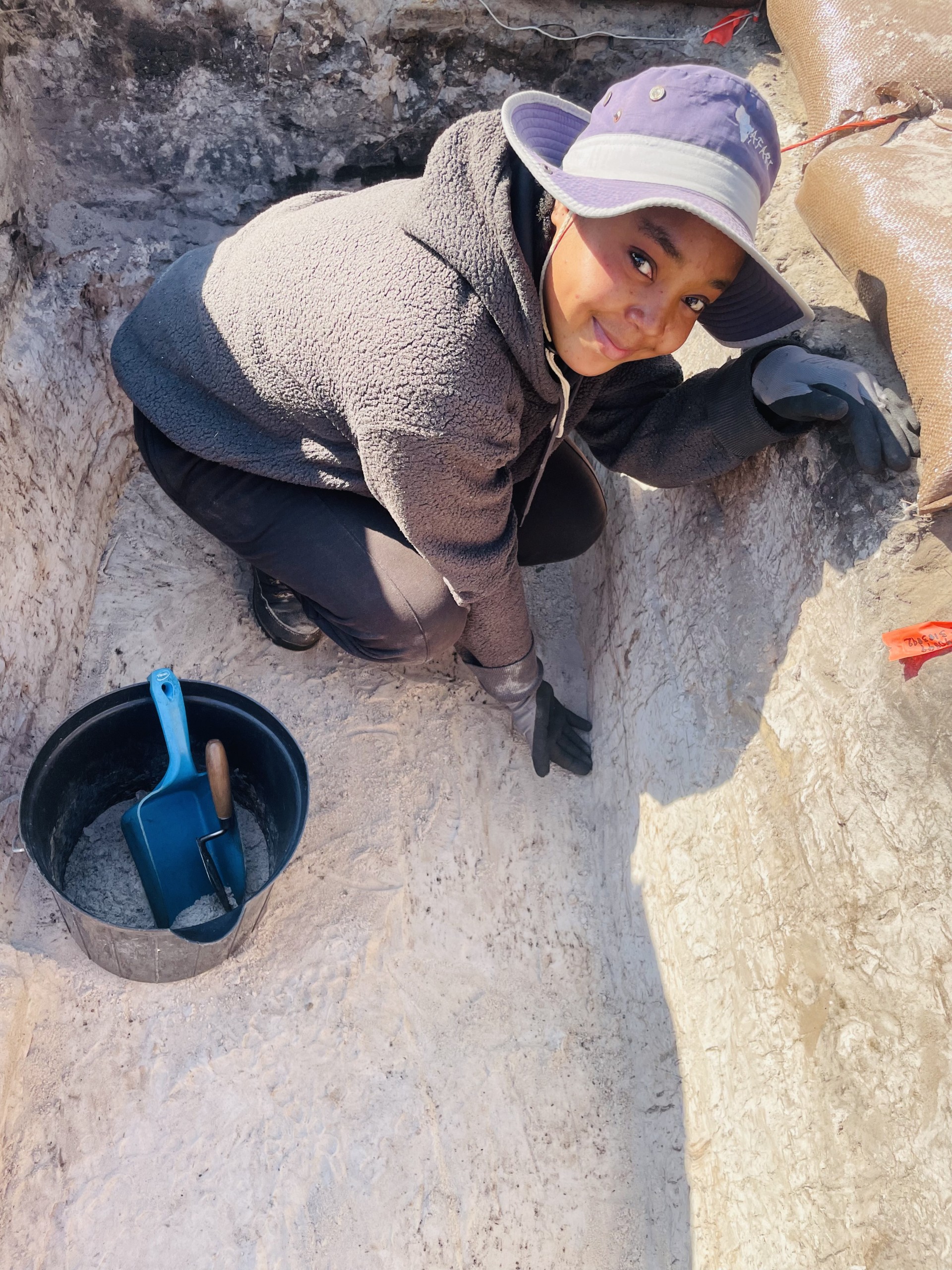
For Ms Palesa Setonsa, it is still amazing that something as small as a tooth, bone or stone tool can say something about a world that existed thousands or even millions of years ago.
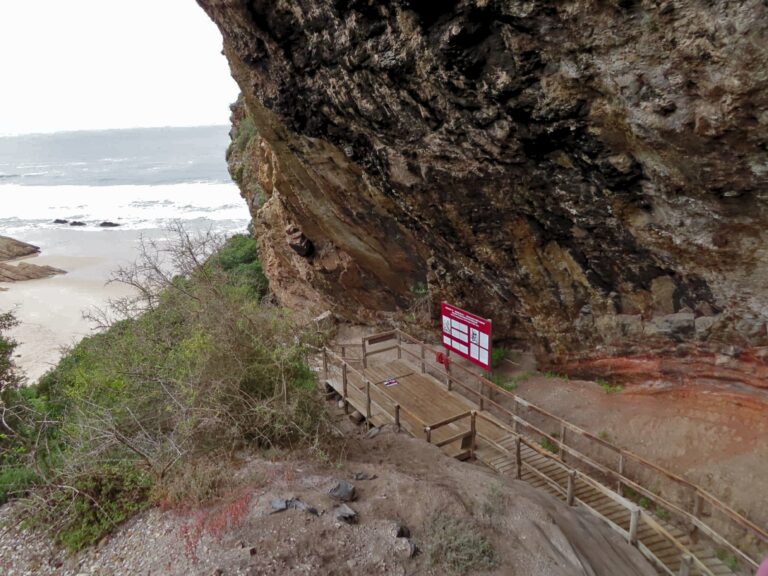
Setonsa is a Master’s student at the P-RI. Her research looks at cave management in the Bothongo Rhino and Lion Nature Reserve. In particular, she is investigating the relationship between conservation, heritage and tourism.
Learning about the history here in South Africa through her research, is very special to her.
“Sometimes we learn about the distant past as if it happened somewhere far away. But then you are standing at a site thinking, ‘People and animals were actually here.’ That feeling never really gets old,” she says.
Archaeology has made her realise how much heritage is in South Africa and how easily it can be taken for granted. A cave, fossil or archaeological site cannot simply be replaced once it is damaged.
Growing up in South Africa has also made her aware that the history of the country is diverse, complicated and sometimes difficult.
“Heritage should also be about understanding the different stories connected to our landscapes. We need to ask who gets to tell those stories,” she adds.
Archaeology as an extension of identity
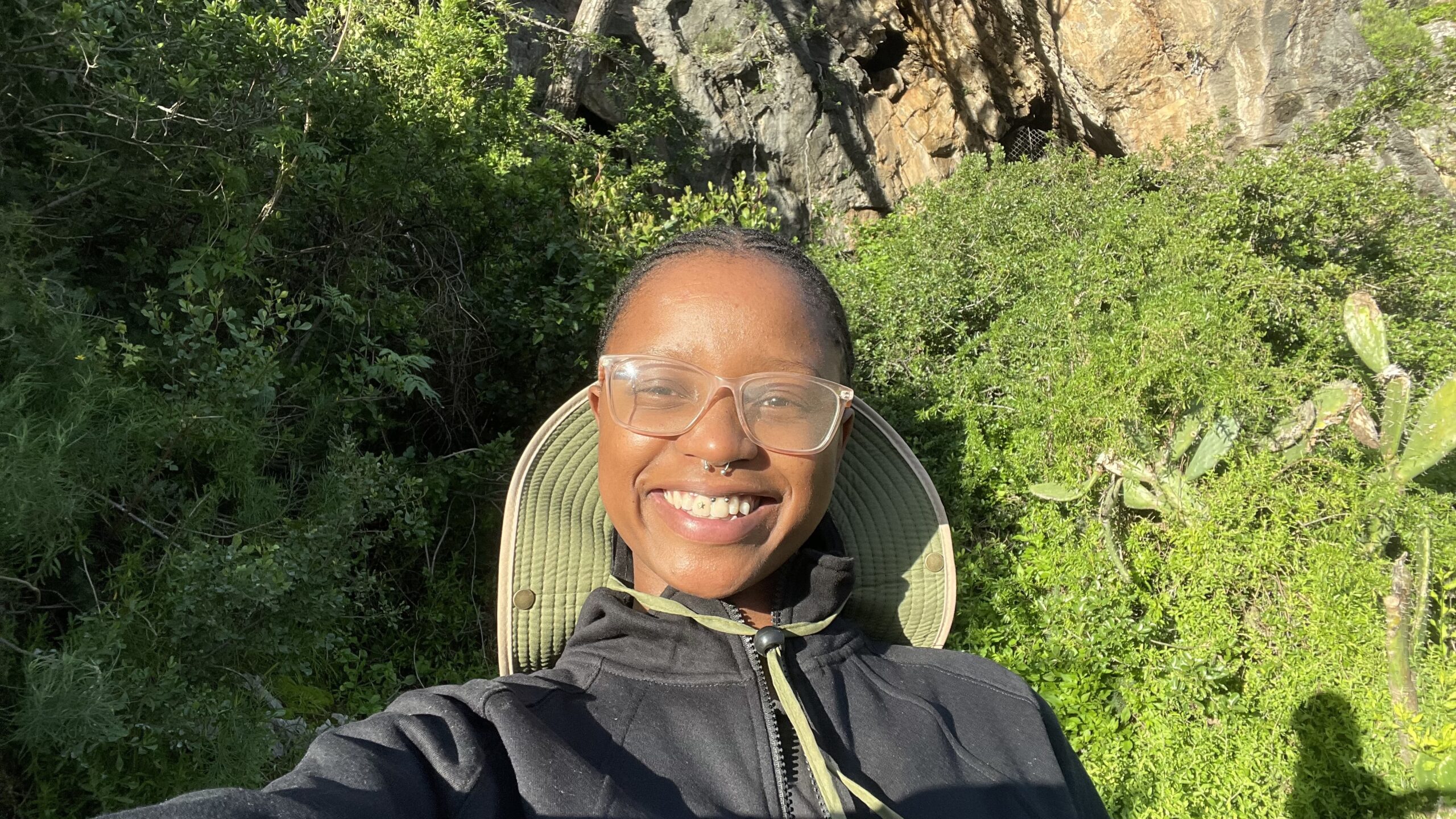
Studying plants in their archaeological context is an extension of her identity, says Master’s student Ms Dimpho Malematja. Within her culture, the knowledge and use of plants have prevailed for generations.
For her Master’s studies she is focusing on analysing charcoal from an archaeological site named Boomplaas Cave. The site is in the Swartberg region of the Western Cape.
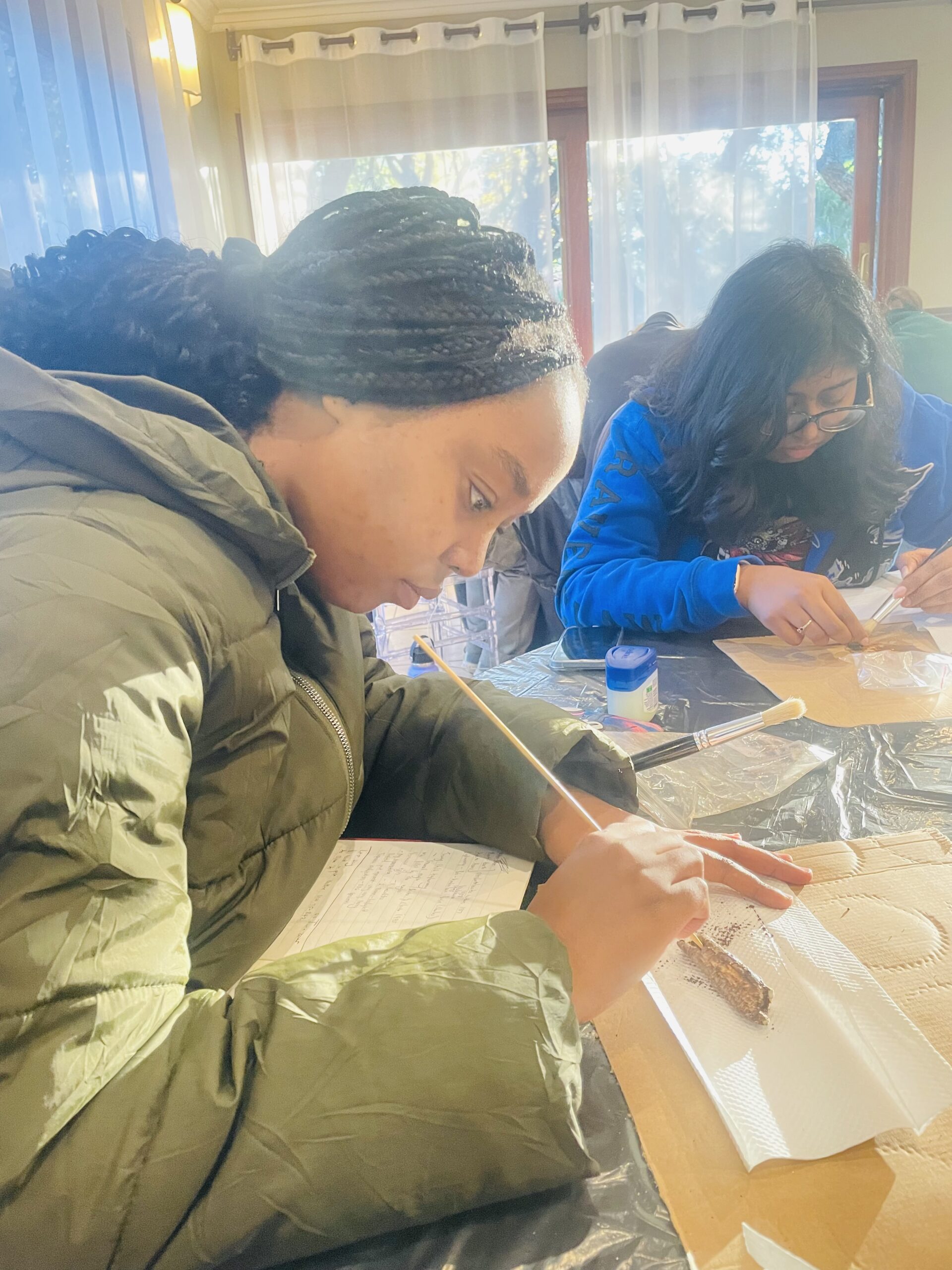
“When people think of charcoal it is often associated with the act of burning plants. To me it is more than that. Analysing charcoal allows me to understand why ancient societies had preferences to certain plants. Their selection process tells us more about their use and knowledge of plants incorporating their understanding of medicinal properties,” she says.
She has excavated at three sites. Boomplaas Cave has evidence of material culture dating back to the Middle Stone Age. Wonderboom Cave is rich with stone tools. The Drimolen Main Quarry in Muldersdrift, west of Johannesburg, is rich in fossil remains.
Discovering and documenting her research has made her realize the worth of preserving ancient histories. It is not just for research purposes, but to expand on the knowledge of complexity in cultures.
For her, the most important aspect of her work is “to question with the desire to truly understand, what preservation of history means for the youth, for culture and for the rich heritage of southern Africa.”