The University of Johannesburg (UJ) is nurturing environmental awareness and responsibility among learners at its two affiliated schools through a collaborative tree-planting initiative involving the Faculty of Education, UJ Gardens and the Centre for Ecological Intelligence (CEI). The initiative brings together the university’s expertise and resources to promote environmental sustainability, food and nutrition security, and meaningful learning opportunities.
UJ has two schools under the custodianship of its Faculty of Education: Funda UJabule Primary School, situated on the Soweto Campus, and UJ Academy, located in the Crosby neighbourhood near the Auckland Park Kingsway Campus.
Conceptualised in September, South Africa’s National Arbour Month, the initiative forms part of UJ’s broader efforts to promote environmental awareness and encourage sustainable practices. Through the planting of fruit trees at both schools, learners are given opportunities to engage with nature, develop practical knowledge and better understand the role trees play in supporting people and the environment.
The initiative is coordinated by the CEI in the Faculty of Engineering and the Built Environment, with Mr Godfrey Ndamane facilitating collaboration, school engagement and implementation planning.
Planting the seeds of environmental responsibility
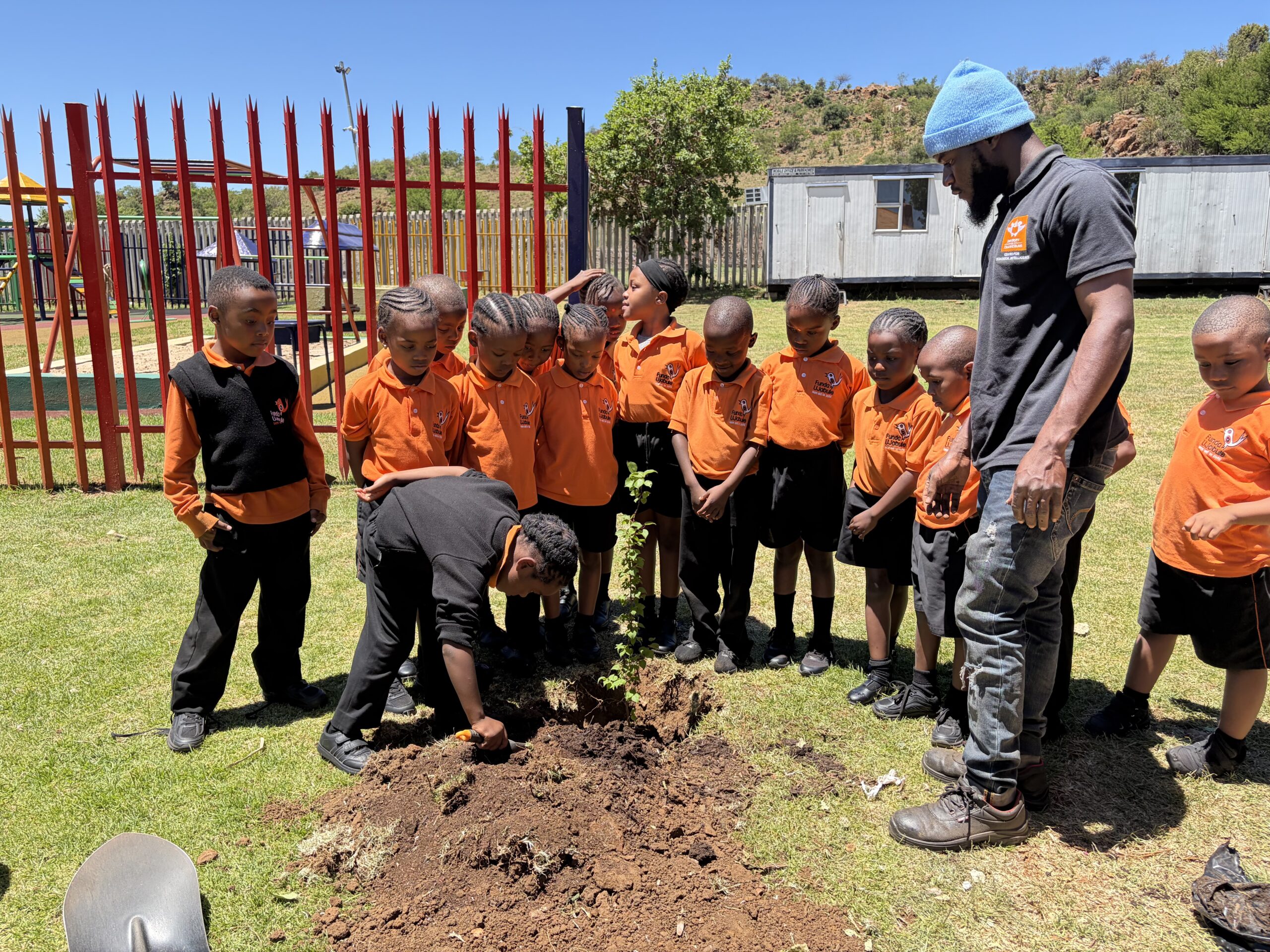
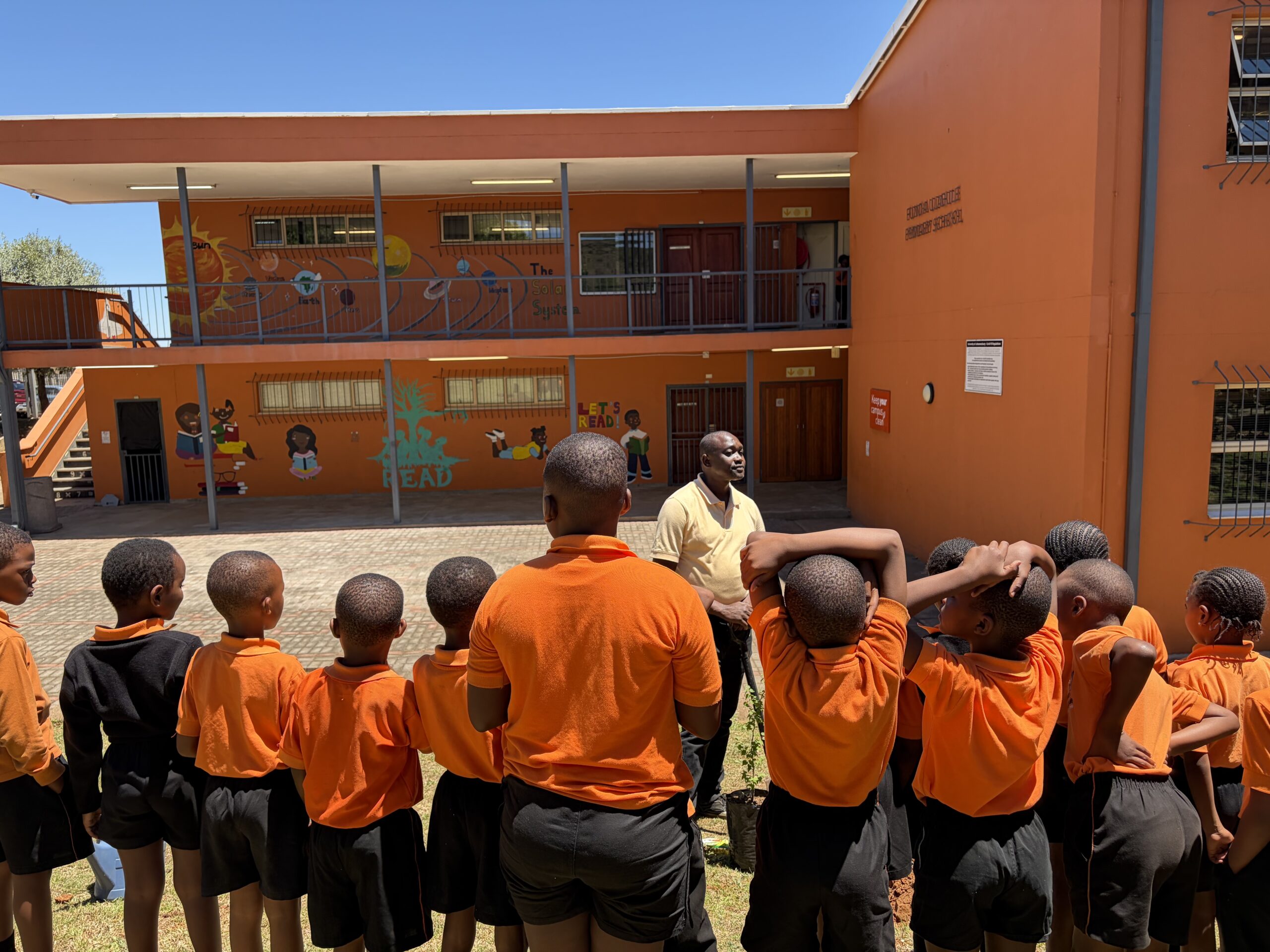
The first tree-planting activity took place at Funda UJabule on Friday, 23 October 2026. Learners participated in planting a variety of fruit trees, including fig, peach, plum and apricot trees, while learning about sustainability and the importance of caring for the environment.
The activity provided learners with an opportunity to engage directly with nature and experience the value of practical, hands-on learning beyond the classroom.
A particularly memorable part of the day was the naming of the newly planted trees. One Foundation Phase class chose the name Relebogile, meaning “we are grateful”, while Grade 7A named its tree Awesome and Grade 7B chose Beautiful.
These names reflect the learners’ enthusiasm and the personal connection they formed with the trees they helped plant. By involving learners in the process, the initiative also encourages a sense of ownership and responsibility for the natural environment around them.
Mr Ndamane explains that the initiative is closely linked to the CEI’s focus on food and nutrition security.
“At the Centre for Ecological Intelligence, our work focuses on food and nutrition security. We recognise that access to healthy, nutritious food is closely connected to the environment in which we live. This is one of the reasons the Centre developed the UJ Greening and Feeding Initiative, which includes planting fruit trees at UJ and its affiliated schools.
“I particularly enjoyed watching the children interact with the soil and participate in the planting experience. Their excitement was a reminder that learning does not have to take place only in the classroom. The outdoor environment provides a third learning space where children can engage directly with nature and develop a practical understanding of how to care for it. Through planting and nurturing fruit trees, we can help them appreciate the connection between trees, food, nutrition and sustainability.
“Planting a tree is also an investment in the future. The person who plants it may not be the one who eventually enjoys its full benefits, but they do so knowing that someone else will. By instilling this appreciation in children, we can help nurture a generation that understands the importance of caring for the environment and sustaining it for those who come after them.”
Dr Kathleen Fonseca, Head of the Department of Childhood Education, highlights the educational value of the initiative and the opportunities it creates for learners to connect classroom learning with practical experiences.
“Activities such as these provide valuable opportunities for learners to connect what they learn in the classroom with the world around them. By participating in the planting process, learners can develop a practical understanding of environmental responsibility and the importance of looking after natural resources. It is encouraging to see their enthusiasm and willingness to take part in an initiative that will continue to benefit the school community,” says Dr Fonseca.
Growing the initiative at UJ Academy
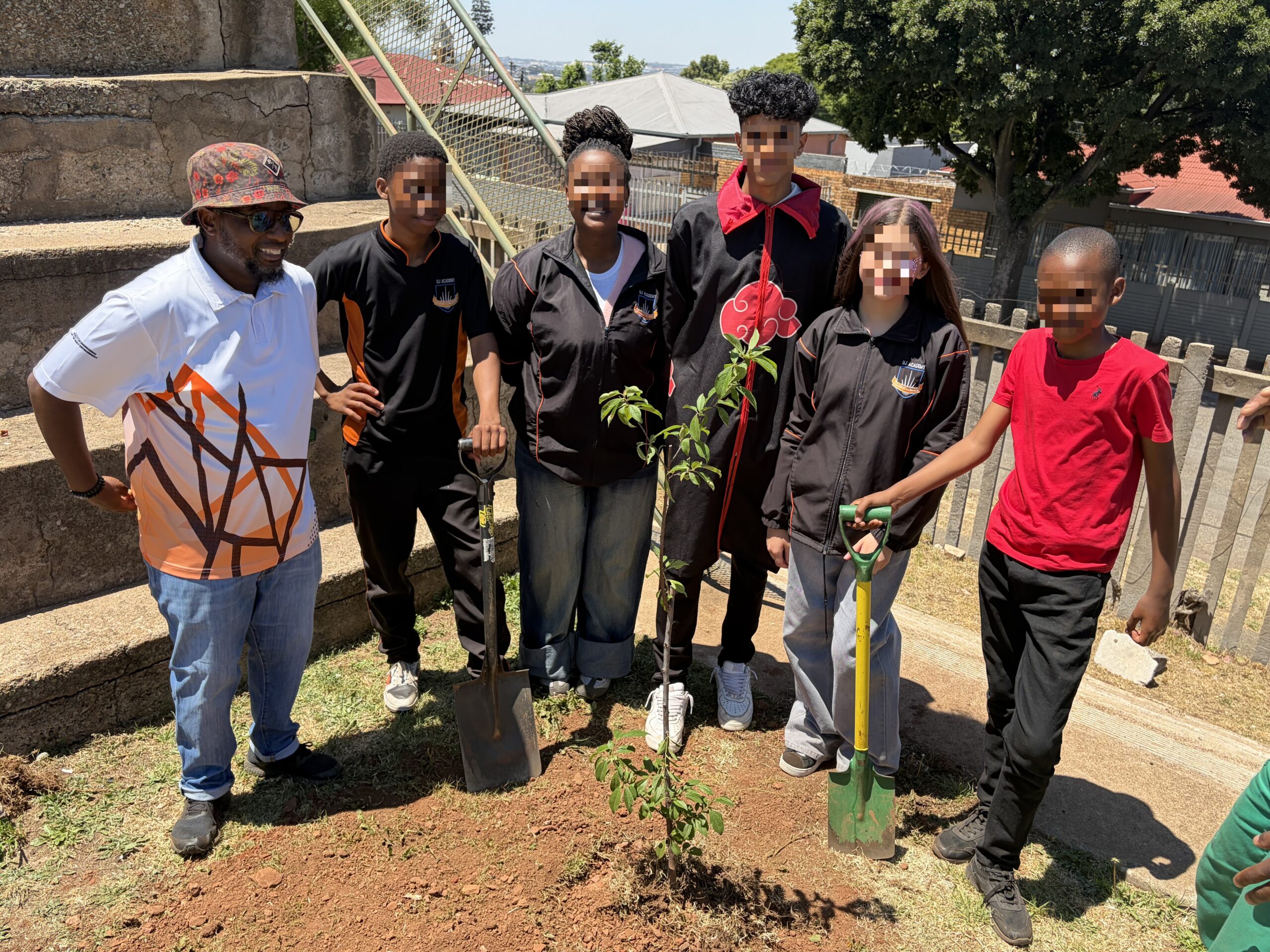
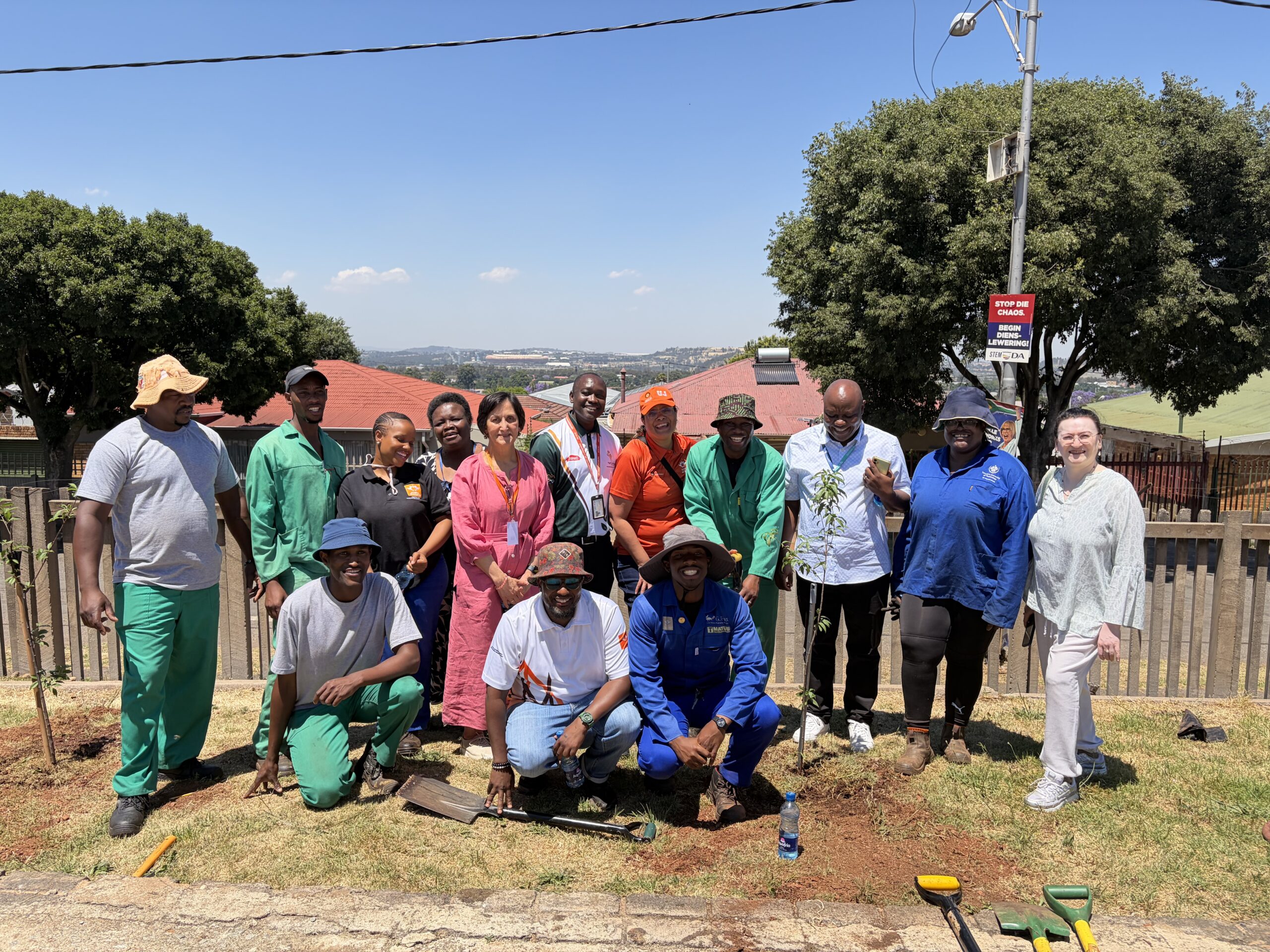
The initiative continued at UJ Academy on Friday, 30 October 2026, where learners and school representatives participated in a second tree-planting activity. A suitable area on the school grounds was identified for the establishment of a small fruit-tree orchard.
The school’s principal, Ms Rehana Jardine, welcomed the initiative and expressed her enthusiasm for its potential to develop further at UJ Academy.
“We are very pleased to be part of this initiative and appreciate the opportunity it creates for our learners to engage with nature in a practical and meaningful way. We look forward to seeing the trees grow and exploring how this project can develop further at UJ Academy. Initiatives such as this can help learners understand the importance of caring for their environment while giving them a sense of responsibility for the spaces they share,” says Ms Jardine.
The broader initiative also creates opportunities to explore further greening activities, including the potential establishment of a food garden at UJ Academy. Such an initiative could connect environmental education with practical food production, nutrition and learner participation.
Prof Nadine Petersen, Executive Dean of the Faculty of Education, says the initiative reflects the Faculty’s commitment to supporting its affiliated schools while promoting environmental awareness and future food security.
“Our affiliated schools are an important part of the Faculty of Education’s community, and initiatives such as this create meaningful opportunities to support learners beyond the classroom. By planting fruit trees, we are contributing to greener school environments while also encouraging learners to develop a sense of care, responsibility and connection to the natural world.
“These trees represent more than an investment in the environment. They also speak to the importance of food security and the role that sustainable practices can play in supporting future generations. We hope that the trees will grow alongside the learners, serving as a lasting reminder that small actions today can make a meaningful difference to our environment and our future.”
Through this collaboration, UJ is strengthening its commitment to environmental sustainability and food and nutrition security while helping learners and the wider university community understand that caring for the environment is a shared responsibility.
By planting trees today, the initiative aims to cultivate lasting environmental awareness, encourage practical learning and inspire learners to contribute to a greener, more sustainable future.