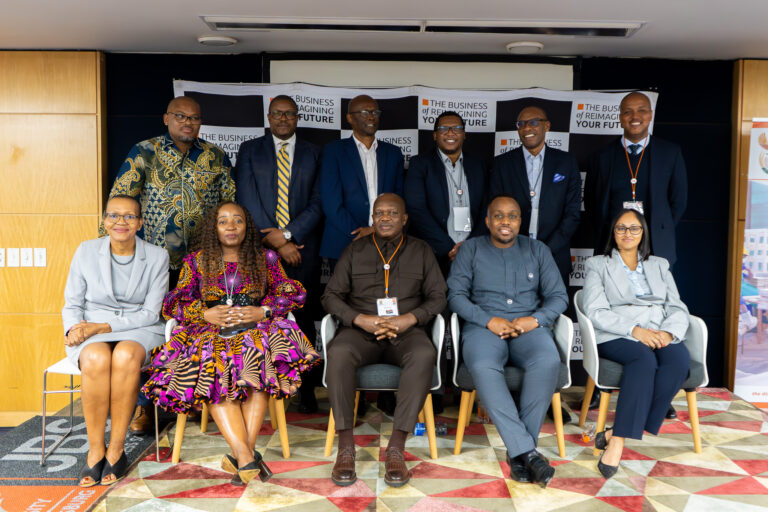
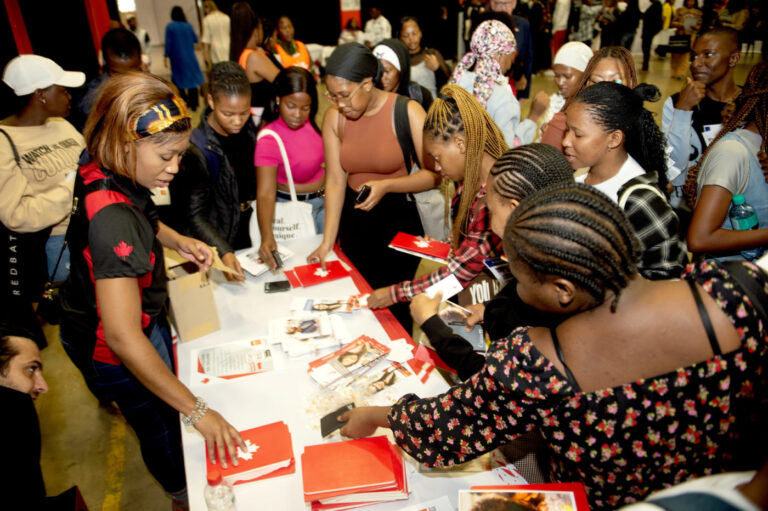
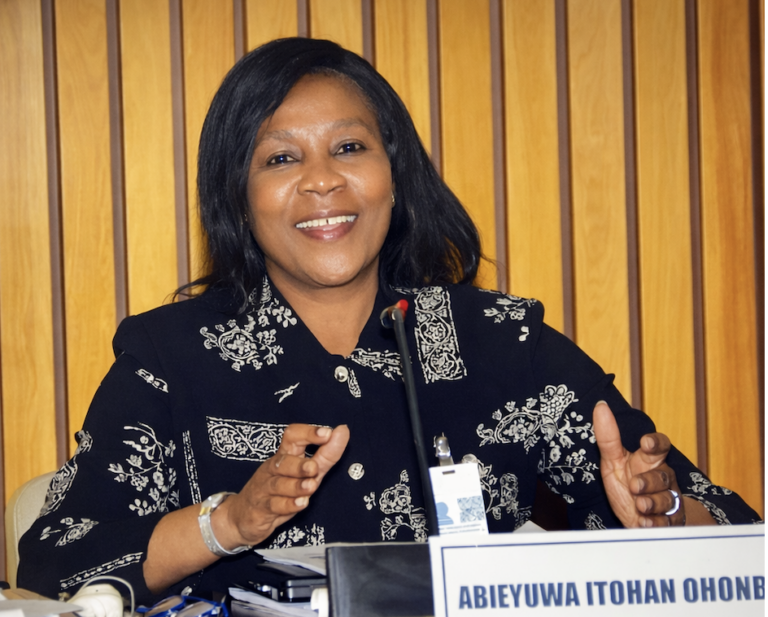
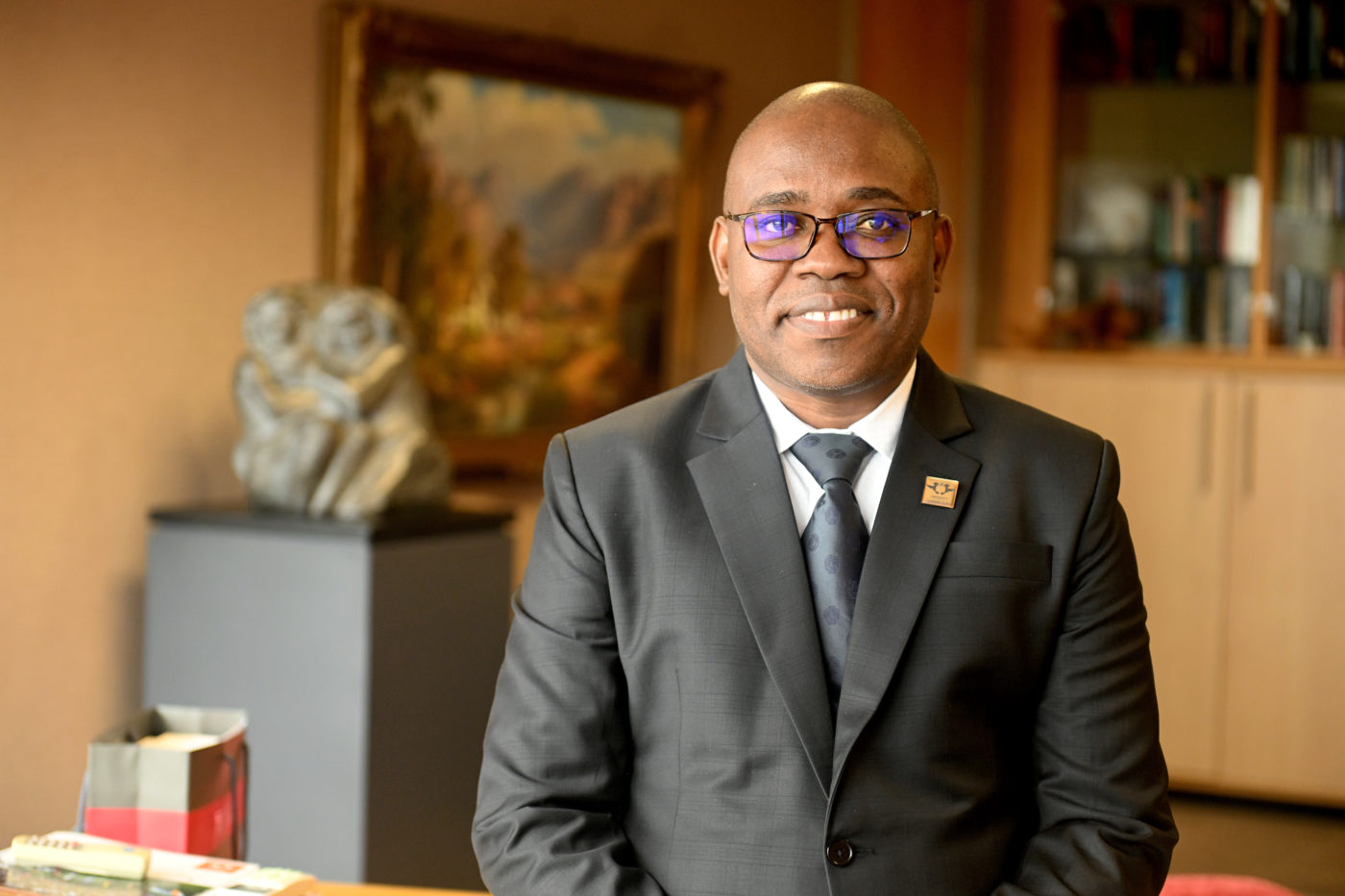
The Johannesburg Business School (JBS), through its Centre for Entrepreneurship (CfE), in partnership with the Broad-Based Black Economic Empowerment (B-BBEE) Commission, hosted a three-day symposium from 24 to 26 June 2026 under the theme “Youth, Economic Justice and the Future of Broad-Based Black Economic Empowerment.”
Held during Youth Month, as South Africa marked the 50th anniversary of the 1976 Soweto Uprising, the symposium provided a timely platform for reflection on the legacy of youth activism. While that struggle secured political liberation, discussions over the three days emphasised that today’s generation faces a different challenge: achieving economic emancipation through education, entrepreneurship, innovation, and equitable access to opportunity.
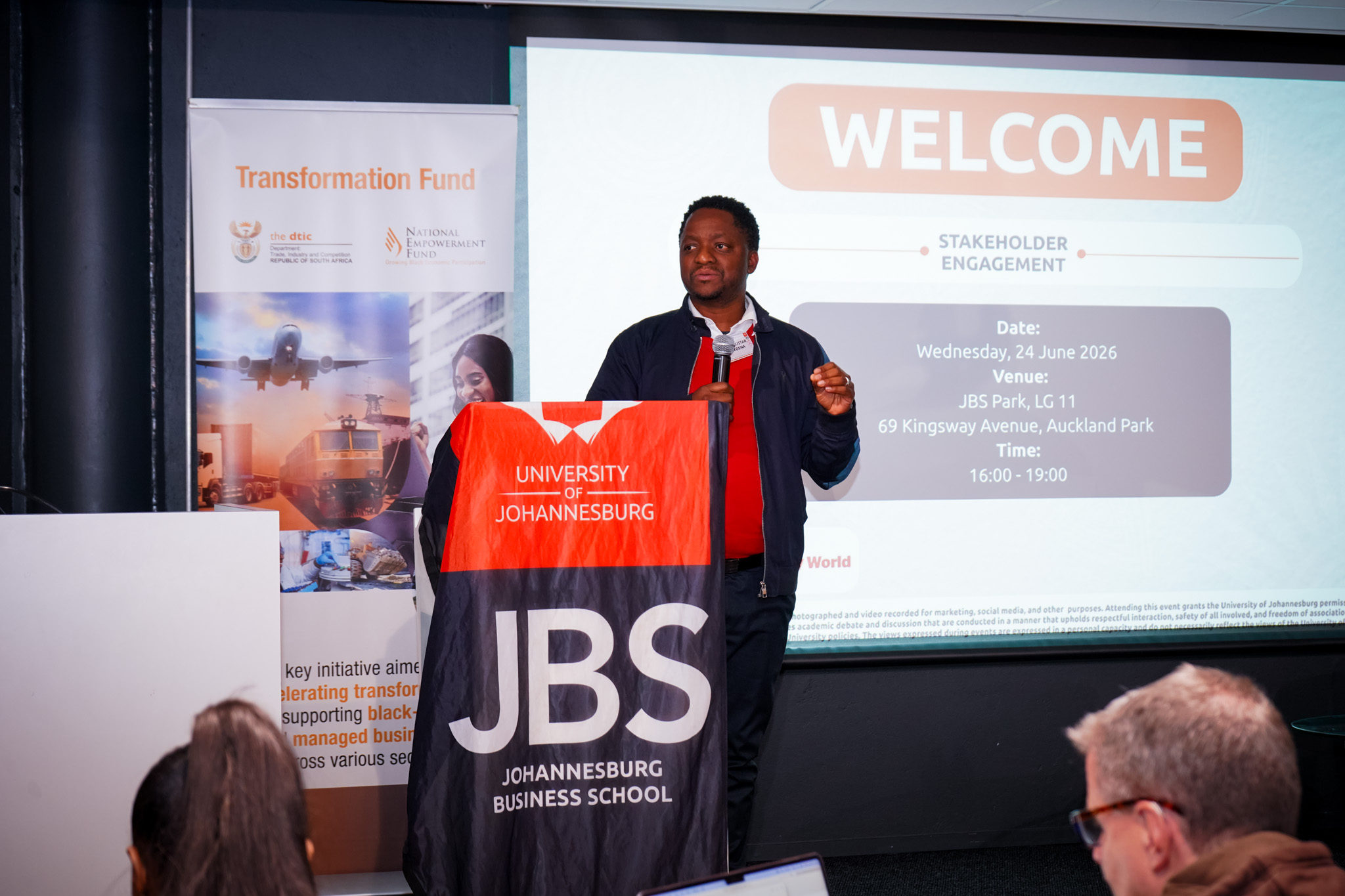
Opening the symposium, Professor Alistair Mokoena, Executive Dean, JBS, underscored the importance of preparing graduates to become innovators, entrepreneurs and leaders capable of creating opportunities in a rapidly evolving economy. He highlighted the role of universities in developing not only academically equipped graduates, but also individuals with entrepreneurial capability.
“How do we ensure that the world of work receives the people coming out of institutions? How do we ensure they are equipped to build brands, build businesses and create opportunities?” asked Prof Mokoena.
Emphasising the importance of data-driven decision-making, he added: “You can only solve these challenges when you’re using data, when you’re using real-time intelligence to understand what the issues are, what the gaps are, what the barriers are,” he said.
Delivering the keynote address, Tshediso Matona, Commissioner, B-BBEE Commission, described B-BBEE as a transformative economic policy that must continue to evolve in response to a rapidly changing and increasingly digital economy.
He situated transformation within South Africa’s unfinished economic liberation project, noting that political freedom alone has not resolved deep structural inequalities.
“We believed that political freedom was the essential foundation upon which a just life could be built, but economic freedom requires heavy lifting. It is a collective responsibility,” he said.
He further encouraged collaboration among young professionals, stating: “You are agents of change, success is going to require that we join hands and work together. We are stronger together,” echoing the African proverb: “If you want to go fast, walk alone; if you want to go far, walk together.”
Welcoming delegates on the second day, Dr Dorothy Ndletyana, Executive Education Director at JBS, described youth unemployment as one of South Africa’s most pressing economic contradictions.
Challenging passive approaches to unemployment, she urged young people to take initiative in shaping their economic futures. “Do not wait for permission. Nobody is coming. The economy is wide open; step into it. Make your voices louder, organise, build, create, collaborate, and lead,” she said.
She further emphasised the role of entrepreneurship in driving inclusive growth, arguing that small and medium-sized enterprises are critical engines of job creation.
“True economic justice demands a new vision, a nation where young people do not wait for opportunity, but actually create it. When young South Africans build businesses, youth employ youth, youth mentor youth, youth lead youth,” she said.
Programme Director Freedom Hadebe reinforced throughout the symposium that access to information remains a key barrier to opportunity, encouraging delegates to engage with transformation and entrepreneurship programmes actively.
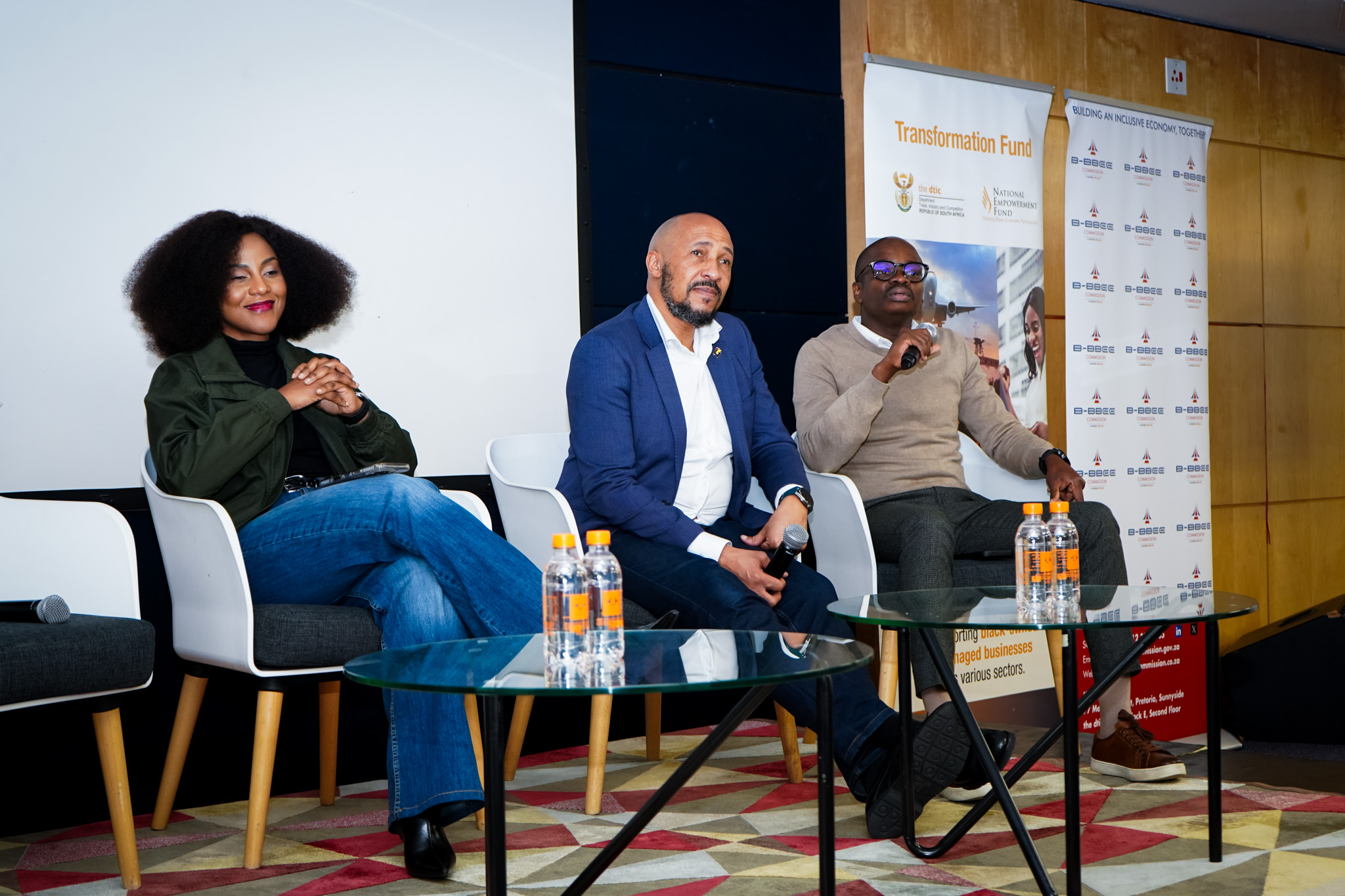
A highlight of the symposium was a panel discussion featuring beneficiaries of empowerment and entrepreneurship initiatives, who shared how access to funding, mentorship and practical experience can translate ambition into sustainable enterprises.
Lebogang Mashigo, Founder and Chief Executive Officer of Eggsellent Farming, shared how support from the National Empowerment Fund and the Department of Agriculture enabled her to establish a commercial egg production business in rural Mpumalanga.
She positioned her farm as a platform for rural youth employment and growth, noting: “I am a farmer, but I’m also a businessperson. I refuse to stop at farming. I want to build a business like the big guys,” she said.
Youth Employment Service (YES) beneficiary Sibusiso Kheswa reflected on the challenges graduates face in entering the labour market, citing repeated rejections due to a lack of experience. He explained how the YES programme provided his first employment opportunity, which later became the foundation for his entrepreneurial journey.
“I’ve never attended a business school before, but that for me was the best business school I’ve ever attended. It taught me resilience. It taught me patience. It taught me teamwork, it taught me to communicate with people and taught me to understand people,” he said.
Matshepo Thambekwayo, Founder of Thing or Two, shared how leaving a career in nursing to pursue entrepreneurship reshaped her understanding of success. She emphasised the importance of commitment and continuous learning in building sustainable enterprises.
“For me, it wasn’t something I was experimenting with. I had no choice but to commit to it,” she said.
Lebogang Monama, Founder of Sphithiphiti Works, reflected on entrepreneurship as a journey of purpose and resilience, encouraging young people to recognise that challenges often signal opportunities for growth.
“Your purpose speaks to you every day. The challenge is whether you are willing to listen. Every opportunity, every setback, and every experience prepares you for the person you are becoming,” she said.
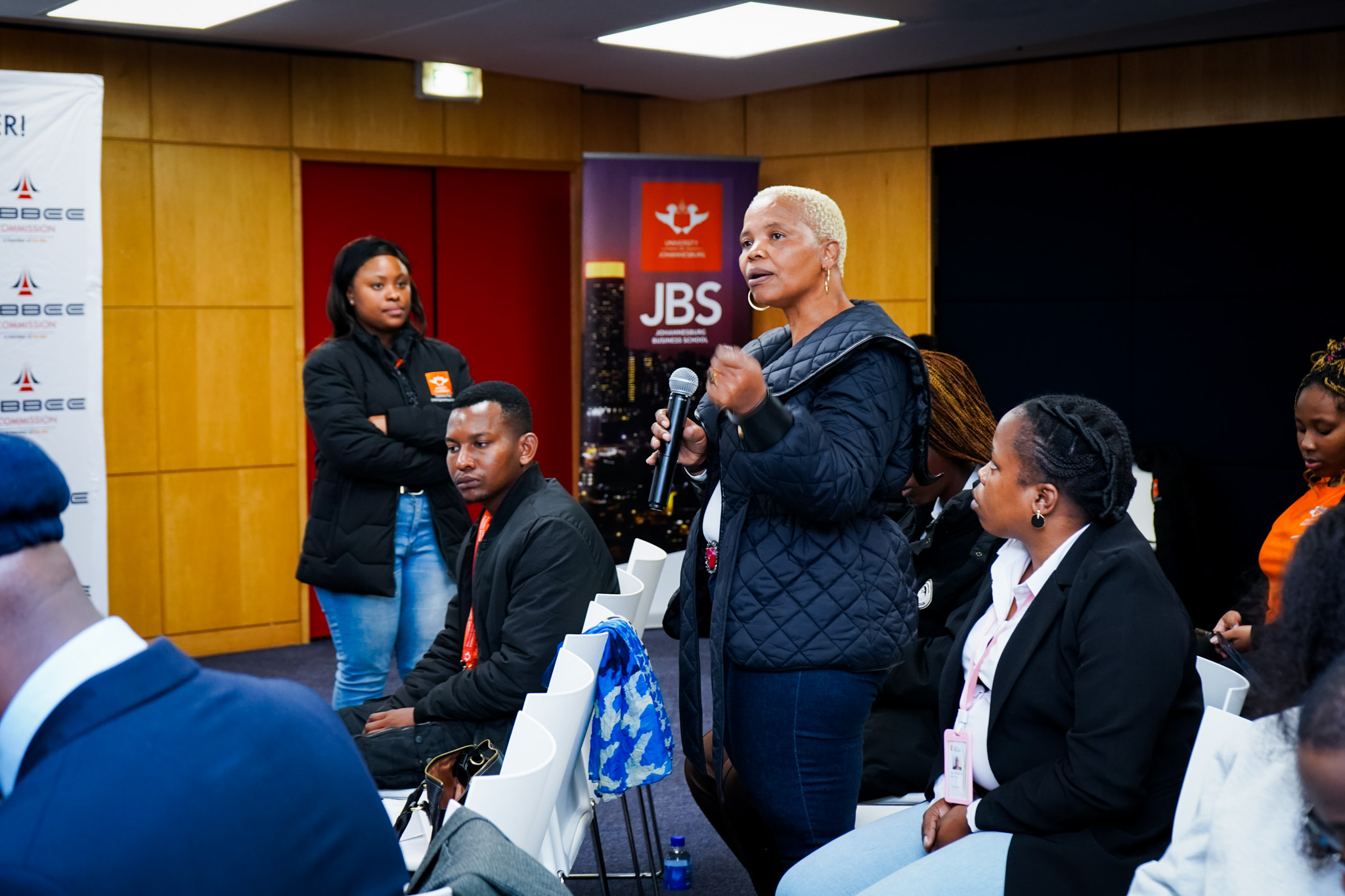
The final day of the symposium focused on translating policy into practice, with discussions centred on the role of business, legislation and strategic partnerships in advancing youth employment and economic
inclusion. Through corporate masterclasses and B-BBEE case study presentations, delegates explored practical approaches to strengthening enterprise development and compliance.
As the symposium concluded, participants reaffirmed that B-BBEE is not merely a compliance framework, but a catalyst for expanding opportunity, strengthening entrepreneurship, and enabling inclusive economic participation.
Bringing together stakeholders from government, academia, industry, and the broader entrepreneurial ecosystem, the symposium reinforced a shared commitment to advancing youth economic emancipation by equipping young South Africans with the knowledge, networks, and opportunities needed to become active participants and future leaders in an inclusive economy.