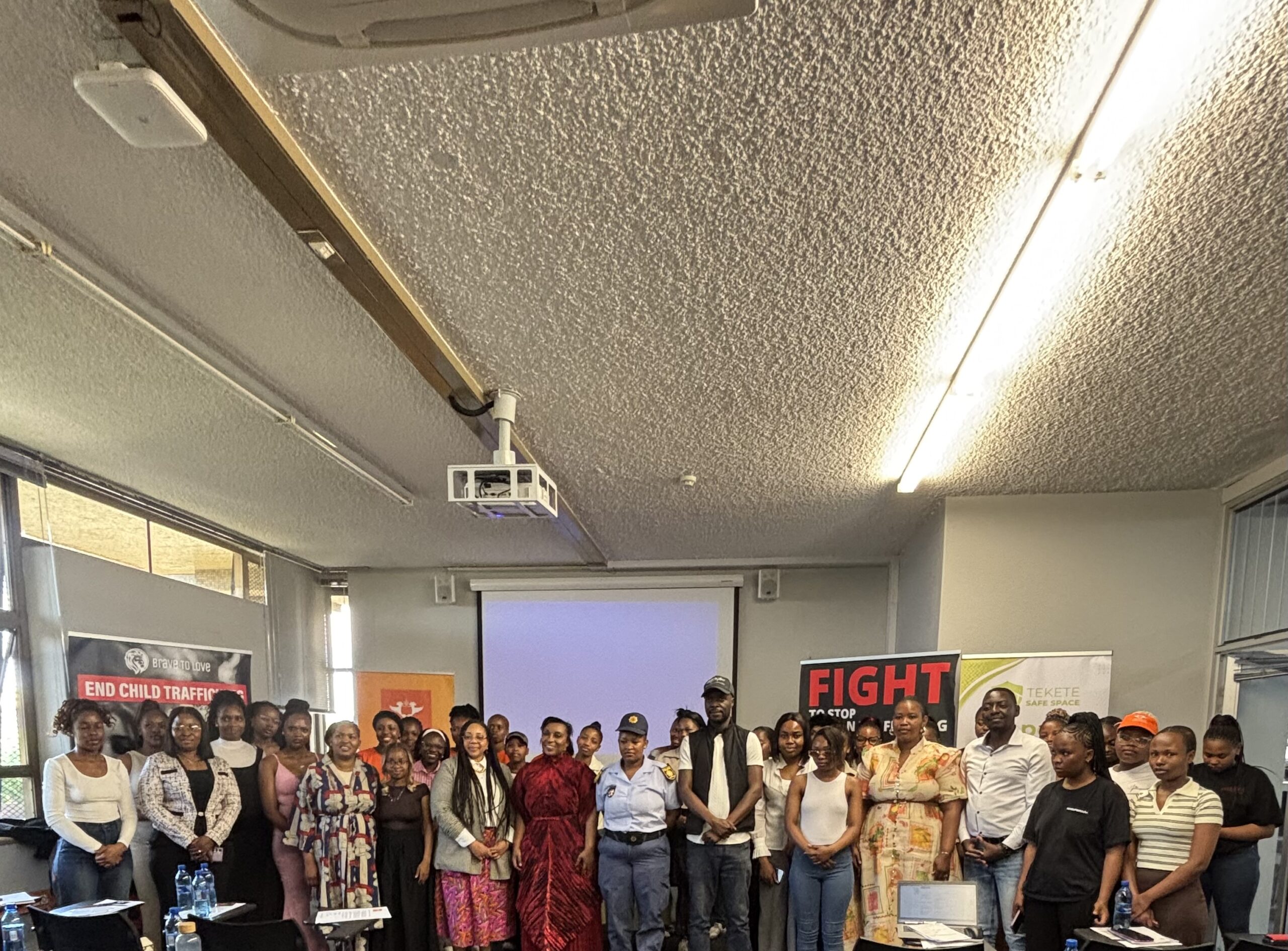
The MTN Media Innovation Programme is aimed at building bridges.
This was the main point expressed by Dr Ikechukwu Obiaya at the 2026 MTN Media Innovation Summit held at the University of Johannesburg (UJ) from 1–2 September 2026.
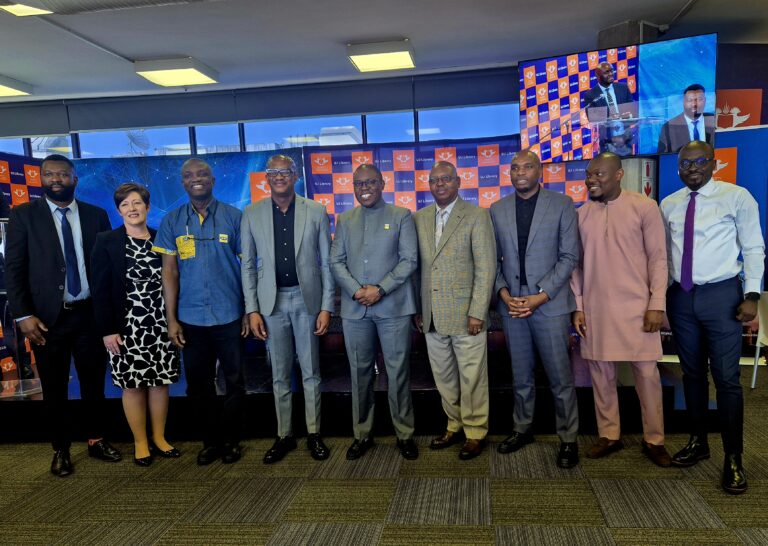
The summit is hosted by UJ’s Centre for Data and Digital Communications (CDDC) in collaboration with Pan Atlantic University (PAU) and MTN Nigeria. Under the theme Media & Social Cohesion in a Divided World: Spotlighting Nigeria-South Africa Relations, the two-day event examined how the media can ethically, responsibly and accurately report on social cohesion issues in both South Africa and Nigeria in ways that foster cultural understanding and social coexistence.
The summit is an integral part of the MTN Media Innovation Programme (MIP), a six-month course designed for media practitioners in Nigeria. The programme brings together media professionals from Nigeria and South Africa in an intensive learning and knowledge-exchange experience focused on media innovation, leadership and the changing media landscape.
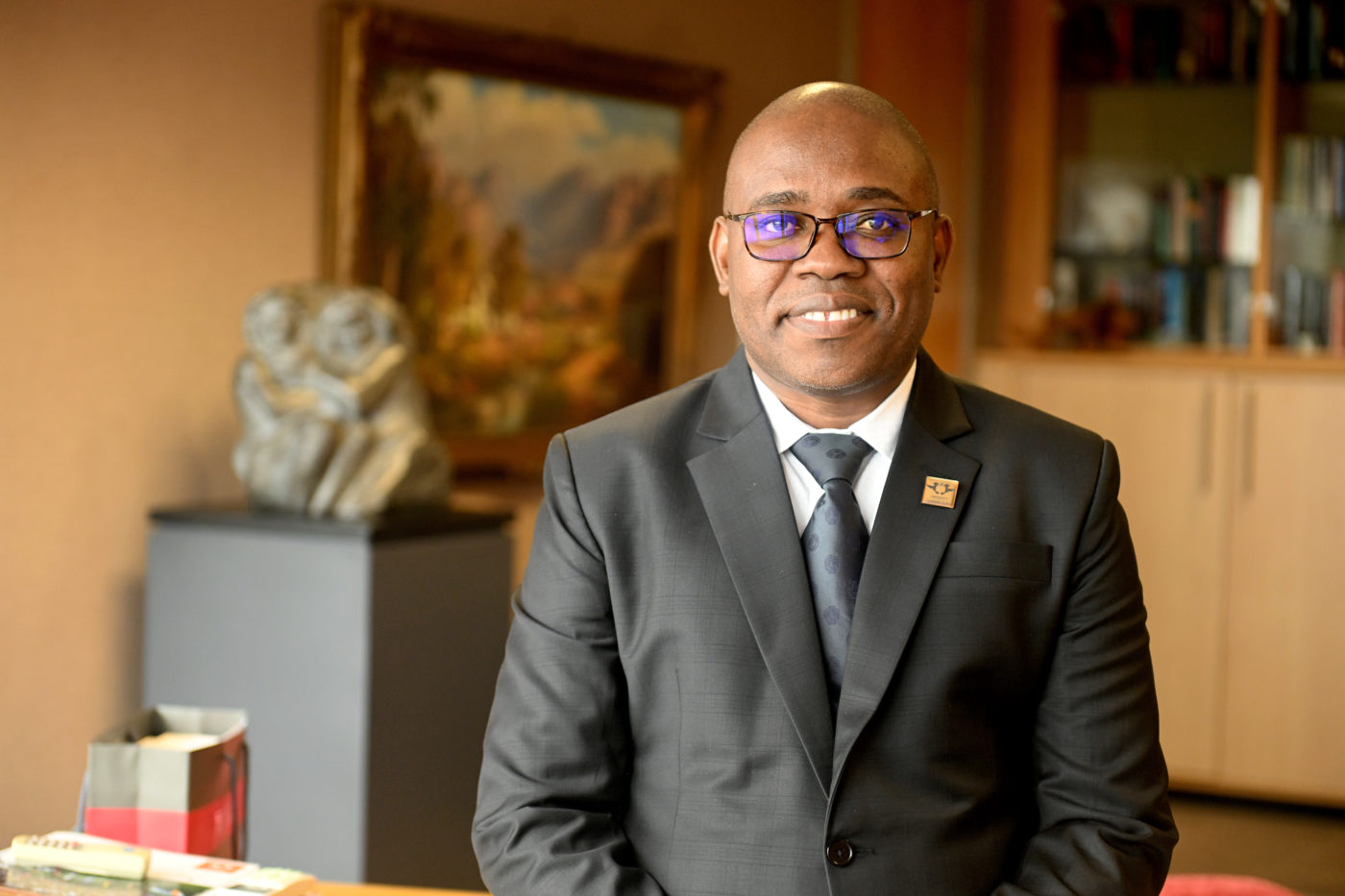
Dr Obiaya is the Dean of the School of Media and Communication at PAU. He spoke about the role the media plays in promoting bonds – either helping to build links and bridges or contributing to destroying them.
“This programme has had a tremendous impact and is in line with the goal of the PAU to form competent and committed professionals who serve with initiative and social responsibility in communities.”
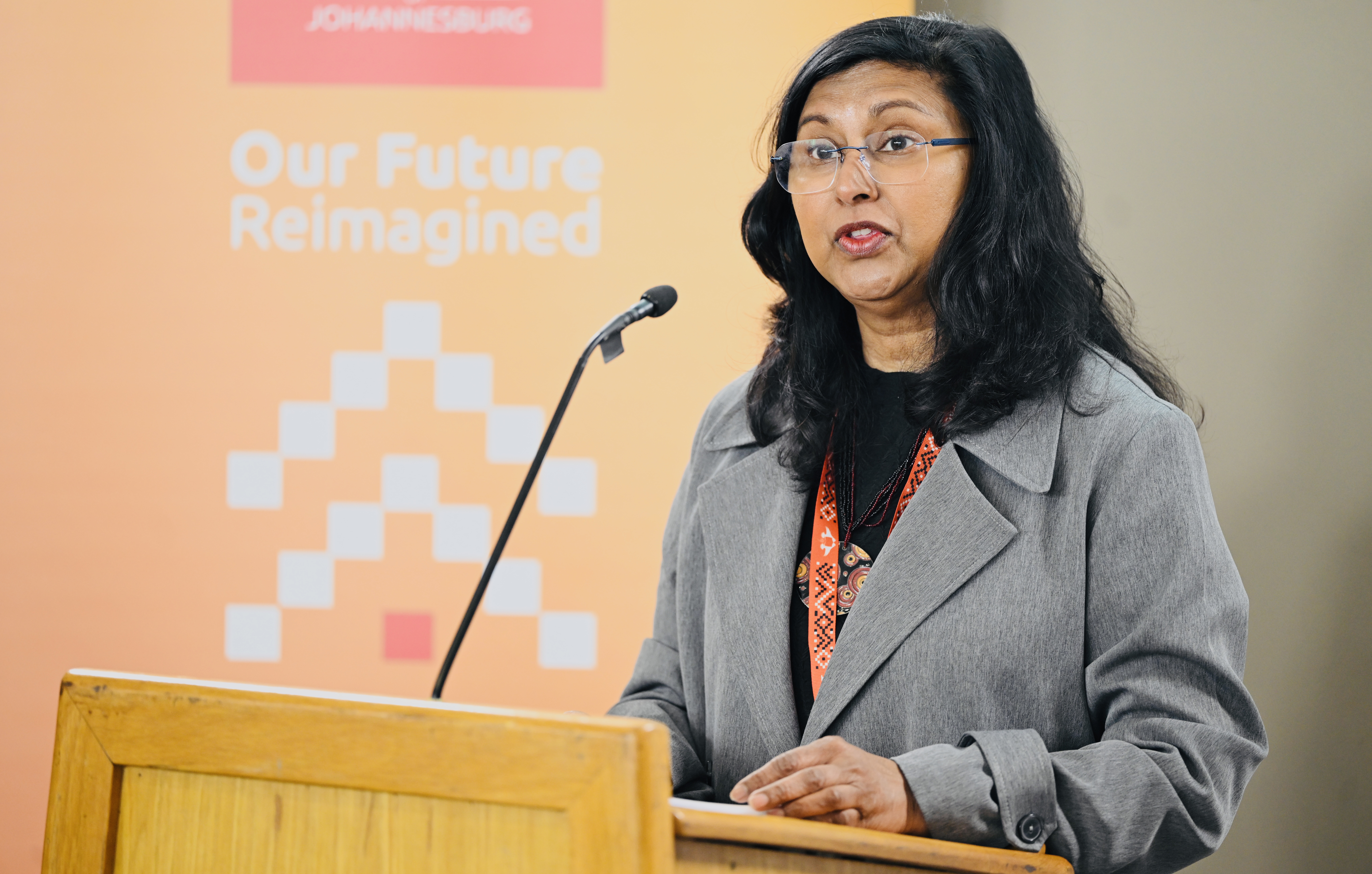
Prof Kammila Naidoo, Dean of the Faculty of Humanities, said the summit would provide an opportunity to build relationships and networks that extend well beyond the programme.
“Your presence here represents the strength of the partnership between our two institutions and the shared commitment to strengthening media education, professional development and African scholarship.”
She added that the theme of the summit was timely.
“We live in a turbulent era in which the media plays an increasingly important role in shaping discourses, trends and understandings. Media influences how we understand people, how international issues are prioritised, and how our audiences, locally and globally, perceive world events.”
Prof Naidoo mentioned the importance of gatherings such as these.
“They create opportunities for the exchange of ideas, the building of partnerships, and the imagining of new possibilities. We look forward to strengthening these connections and contributing our distinctive perspective to the future of innovation in Africa.”
The MIP, now in its fifth cohort, marks MTN Nigeria’s 25th anniversary, so 25 journalists were selected from over 4500 applicants to represent print, electronic, and online media.
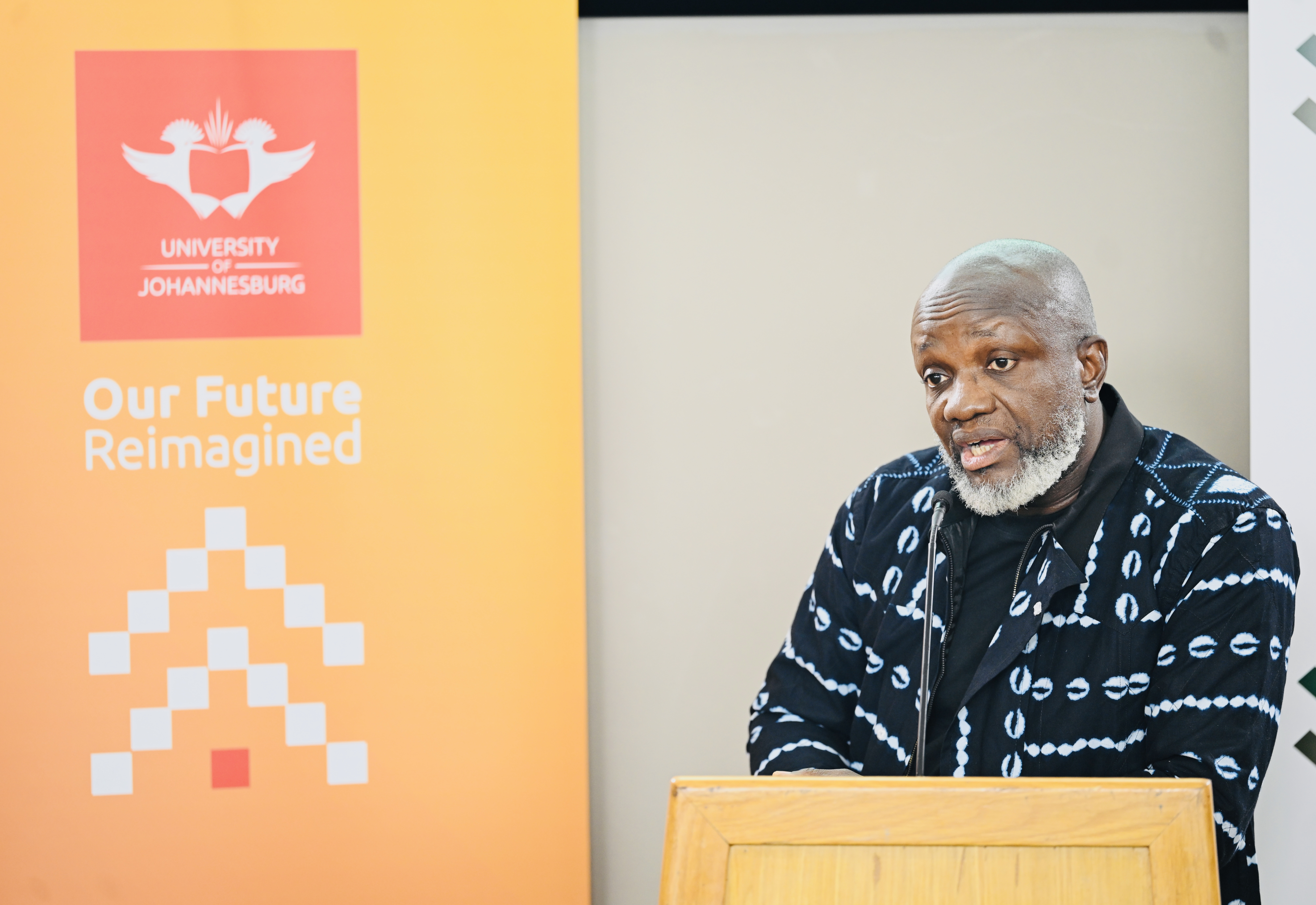
Senior Manager for External Relations at MTN Nigeria, Mr Funso Aina, stressed the vital role of professional journalists as watchdogs who must contextualise and verify information, warn against untrained content creators, and the commercialisation of misinformation.
“Everybody is a content creator and can rush to the phone to break news. Our role is to contextualise, speak the truth, and deep dive to ensure accuracy. The power of the media is such that it can break or it can mend. Disinformation has been commercialised, and it is thriving.”
He urged participants to collaborate with South African counterparts to produce more authentic, balanced reporting. Mr Aina reaffirmed MTN’s commitment to supporting media capacity-building and emphasised that stronger Nigeria–South Africa relations benefit Africa broadly.
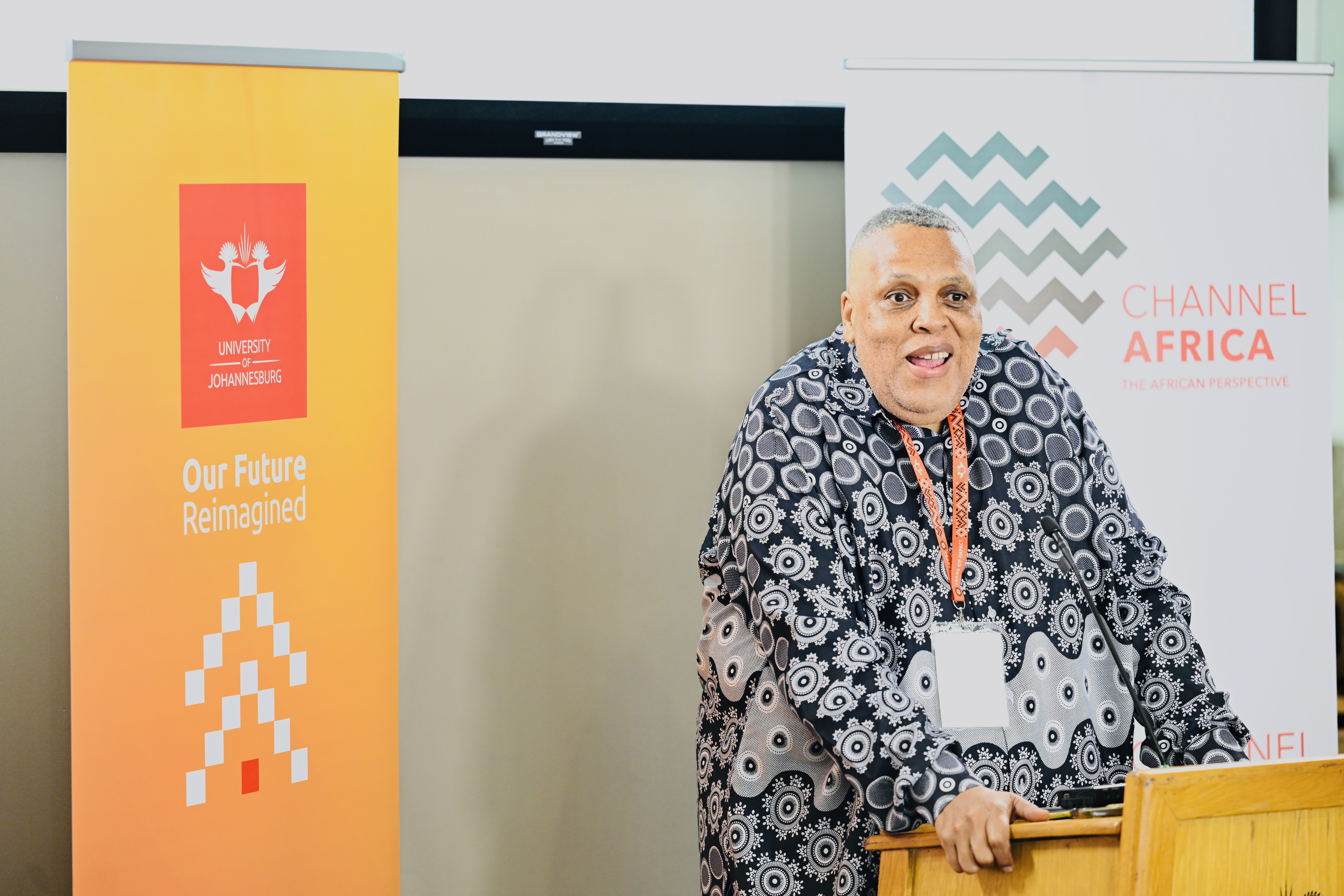
H.E. Thamsanqa Mseleku, former High Commissioner of the Republic of South Africa to the Federal Republic of Nigeria, delivered the keynote address.
He framed his remarks from that diplomatic perspective.
He referenced the 2018–2019 tensions (including a raid into MTN) and noted Nigeria’s high-level diplomatic response: Nigeria, through its vice president, formally raised xenophobia issues with the African Union.
H.E Mseleku mentioned how media and social posts were amplifying bilateral tensions. He cited commentary arguing that traditional diplomacy is insufficient to resolve the South Africa–Nigeria impasse; fear and personal grievances need more than formal statements to address.
H.E Mseleku emphasised addressing root causes (poverty, lack of jobs, dignity, opportunity) that drive migration and conflict, arguing Africa must translate wealth into opportunity to reduce pressures that exacerbate xenophobia and cross-border tensions. He mentioned that alternative, people-focused or nontraditional diplomatic approaches (and potential leaders/mediators) may be needed to rebuild trust between the two countries.
H.E Mseleku called for contextual, investigative reporting that uncovers “the story behind the story” instead of sensationalist or politically motivated narratives.
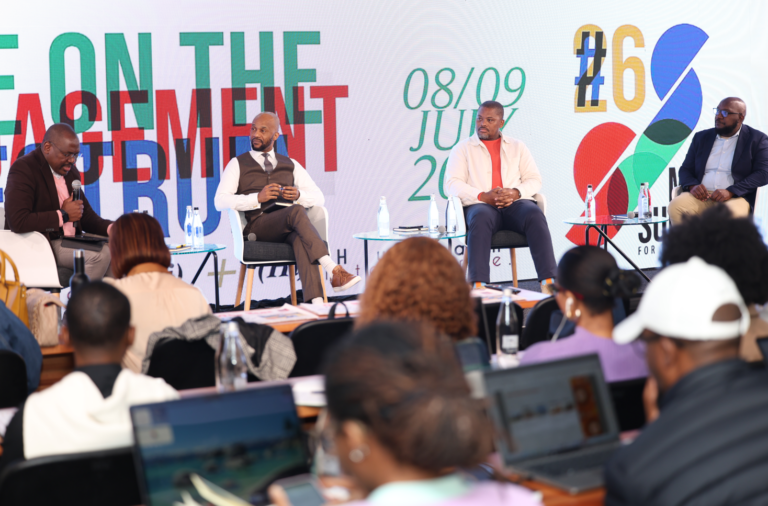
Over the two days, the summit featured panel discussions that addressed a range of issues relevant to the future of African media, including journalism and regional integration, media innovation, digital transformation and the role of the media in fostering social cohesion.
Hosting initiatives like the MTN Media Innovation Summit directly reinforces UJ’s strategic commitment to pan-African collaboration, impactful scholarship, and leading digital communication in the Global South.