Delegation of continental university leaders to study how UJ is transforming campuses into engines of entrepreneurship and innovation
A delegation of 13 vice-chancellors from across Africa visited the University of Johannesburg (UJ) on 18 March 2026 to examine how universities can evolve from traditional teaching institutions into drivers of innovation, entrepreneurship and economic growth.
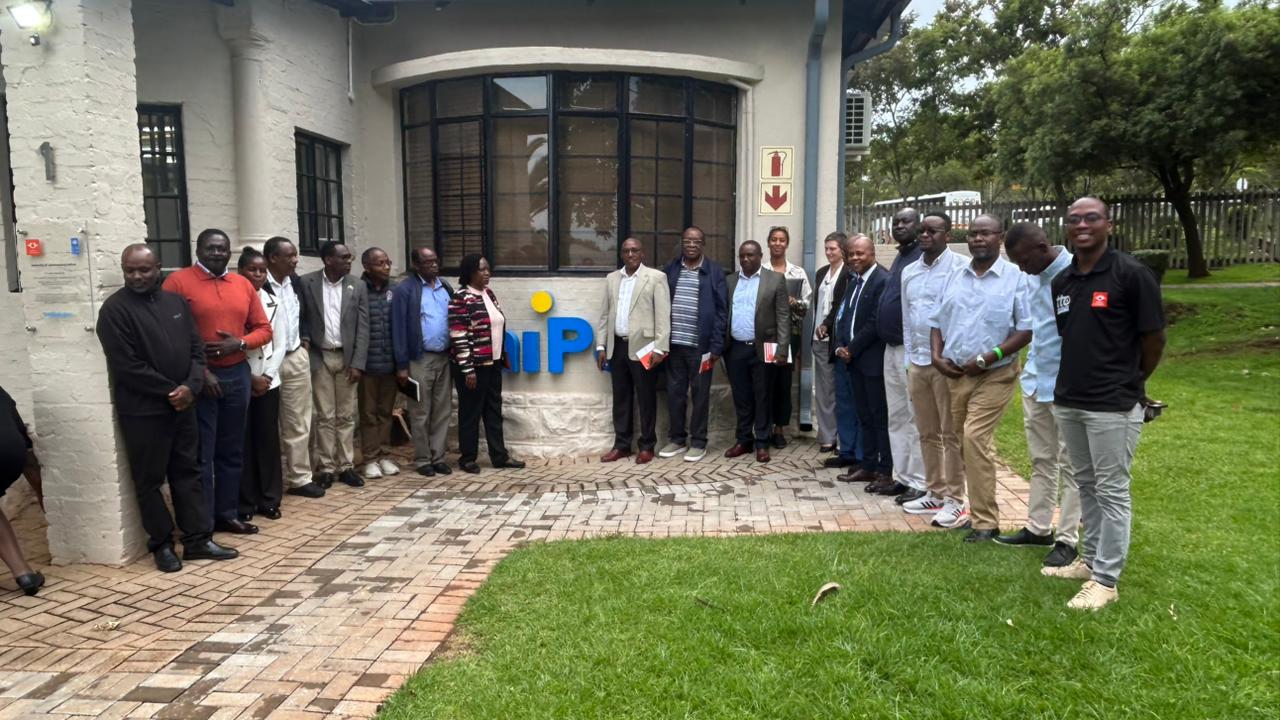
The visit forms part of a programme led by the Kenya National Innovation Agency (KeNIA), in partnership with the British Council and the UK Foreign, Commonwealth and Development Office (FCDO) designed to strengthen the capacity of university leaders to transform their institutions into high-impact entrepreneurial hubs.
UJ has been selected as one of the leader in innovation, commercialisation, technology transfer and entrepreneurial education, making it an important site for peer learning and exchange.
“This visit reflects UJ’s growing reputation as a continental reference point for innovation-led development,” said Professor Erika Kraemer-Mbula, Professor of Economics and DSI/NRF Trilateral Chair in Transformative Innovation, the 4th Industrial Revolution and Sustainable Development at UJ.
“During their visit, the delegation will engage with academics and innovation experts linked to the Chair at the Johannesburg Business School Campus. The programme will also include site visits to UJ’s Technology Transfer Office and the UniPod innovation hub, where student entrepreneurs and researchers are developing technology-driven solutions to real-world social and economic challenges.”
Across Africa, universities are under increasing pressure to play a far greater role in economic development, moving beyond their traditional focus on teaching and research to actively support innovation ecosystems and startup creation.
UJ has been positioning itself at the forefront of this shift by integrating entrepreneurship education, research commercialisation and innovation incubation into its academic ecosystem.
UJ Vice-Chancellor Professor Letlhokwa Mpedi has emphasised the critical role universities play in creating environments where ideas move beyond theory to real-world impact. “Innovation doesn’t begin with hardware. It begins with hope, access and the right environment to dream boldly,” Prof. Mpedi said. This vision is embedded in UJ’s Strategic Plan 2035, which places innovation, entrepreneurship and the Fourth Industrial Revolution at the centre of the university’s future development.
A key highlight of the delegation’s visit will be UJ’s UniPod innovation hub, launched in partnership with the United Nations Development Programme (UNDP). One of the first initiatives of its kind in South Africa, the facility provides aspiring entrepreneurs with access to artificial intelligence laboratories, prototyping equipment, incubation programmes and investor networks.
The hub is already supporting emerging ventures across sectors including AI-driven platforms, education technology, aquaculture innovation and digital safety solutions. Beyond the campus, the UniPod connects innovators to a network of more than 25 innovation hubs across Africa, opening pathways for collaboration and scaling African-led startups.
“The delegation will also engage with UJ’s Technology Transfer Office to explore how the university translates research into real-world solutions through intellectual property protection guidance, startup support and the commercialisation of research,” said Prof Kraemer-Mbula. “For many African universities, bridging the gap between academic research and market-ready innovation remains a major challenge. Our approach links research, entrepreneurship education and innovation infrastructure into a single ecosystem designed to help ideas move from the laboratory to the marketplace. This study visit forms part of a broader effort to strengthen the capacity of African university leaders to build entrepreneurship programmes and innovation ecosystems within their own institutions.”
The delegation will also be accompanied by members of the Network of Entrepreneurial Institutions Leaders (NEIL), a platform that brings together institutional heads to discuss and co-design solutions to the entrepreneurial and innovation challenges facing higher education.
Prof Mpedi concludes: “While the delegation will engage with several universities in Gauteng, the visit highlights the growing importance of collaboration between African institutions on innovation and entrepreneurship. At a time when youth unemployment remains one of the continent’s most urgent challenges, universities are increasingly expected to produce not only graduates, but also entrepreneurs and new ideas that can contribute to economic growth and societal solutions.”