The University of Johannesburg hosted the first two-day national dialogue summit on the Extended Curriculum Programme (ECP) from 18 – 19 March 2026.
Hosting 21 other institutions from around the country, it was for the first time in the 20 years that the ECPs have been implemented that a summit to discuss policy frameworks and challenges took place. ECPs are the largest student access and success intervention that has been implemented in South African Higher Education.
The summit included robust discussions and presentations from the various universities in attendance, as well as a keynote address from Professor Thandi Lewin, representing the Department of Higher Education (DHET).
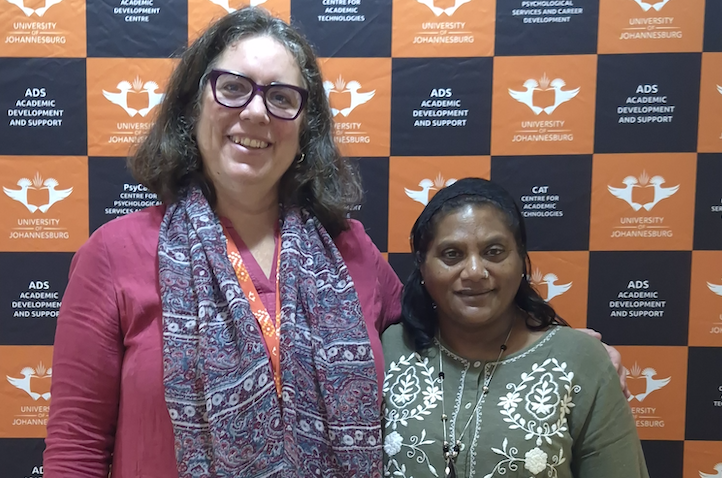
In her address, Prof Lewin emphasised how ECPs provide foundational support for student success and are crucial for addressing structural misalignments and ensuring equity of outcomes. Despite significant government investment of over R6.2 million, challenges persist. These include funding stability, staffing issues and systematic integration problems.
Prof Lewin called for a coherent policy framework, better institutional commitment, and innovative approaches to admissions and curriculum design to enhance the effectiveness of ECPs.
“Much of this is a global issue, although we do have a divided education system because of our history of inequality. If this gap is not addressed, access alone becomes below, resulting in high dropout rates, low completion in minimum time and the familiar revolving door syndrome. This is why the principle of equity of outcomes – not only the equity of access – must remain central in our work. Extended curriculum programmes are one of the most important mechanisms we have to advance this goal.”
She mentioned the tendency to frame ECPs around underprepared students instead of a shift of focus to institutional preparedness.
“This is a powerful shift in thinking, and it remains relevant. It asks us to critically examine our curricular pedagogies, assessment practices and institutional arrangements. From this perspective, ECPs are not corrective spaces for deficient students. They are a response to structural misalignments in the system itself.”
Prof Lewin insisted that ECPs needed to be positioned at the centre of academic planning and student success strategies.
Prof Lewin also highlighted the influence of neoliberal governance and audit culture on higher education, which shifted the focus from learning to performance metrics.
She put emphasis on the need to have clear policy guidance to ensure consistent implementation of ECPs and voiced the need for a coherent policy, stable funding and meaningful integration to ensure equitable student success.
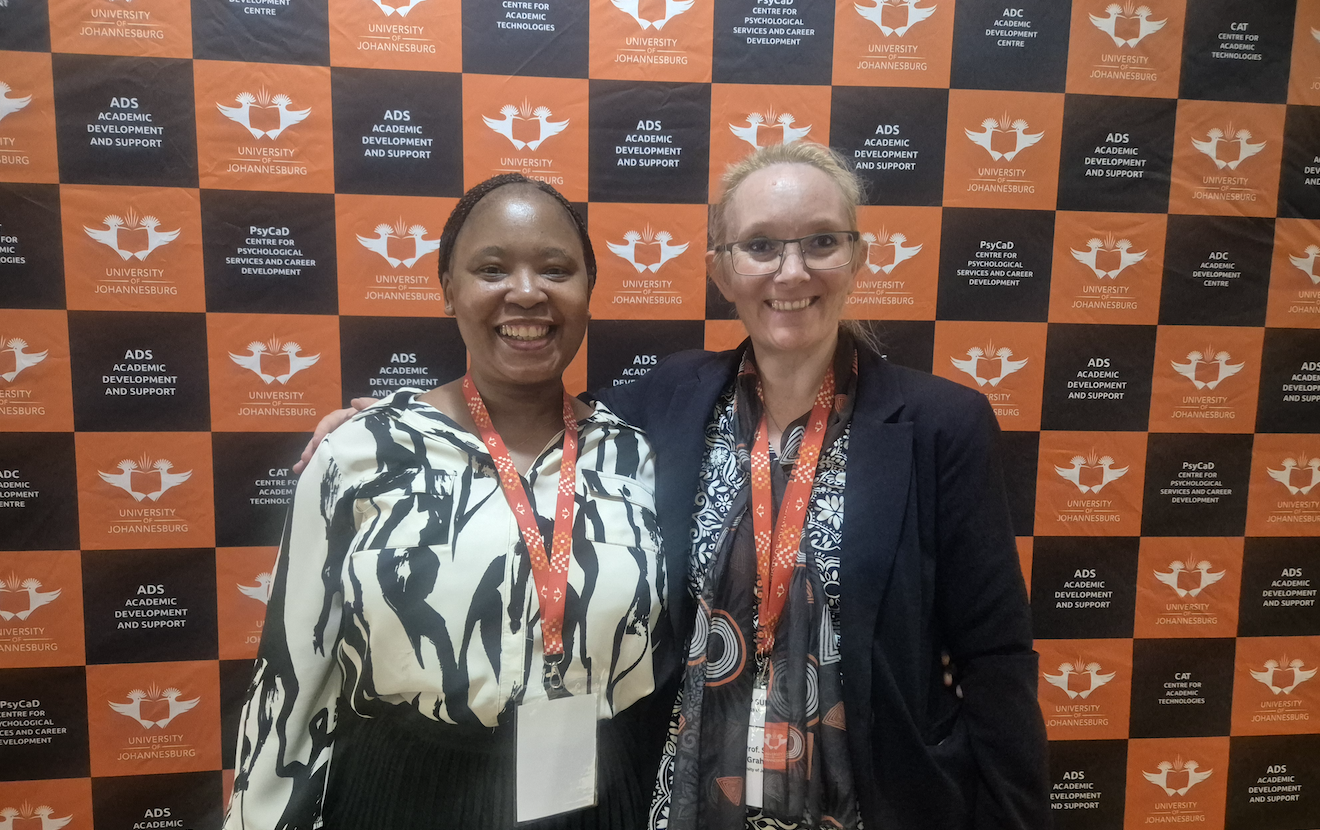
Dr Tshegofatso Setilo, Head of Access Programmes at UJ in the Academic Development Centre, said a national dialogue was something that had been missing for a long time.
“This summit allows us to reflect and learn from each other on best teaching practices and the good work that we do.”
As a product of an ECP herself, Dr Setilo is an example of the many success stories these programmes offer. After finishing her Master’s Degree, she went on to become the manager of the same programme that allowed her to extend her studies and flourish before moving on to UJ.
Her advice to students on going the ECP route: “It is a once-in-a-lifetime opportunity. My philosophy is that my Grade 12 results are not a true reflection of my potential, and a lot of students have so many challenges when they are writing their exams. I lost my grandfather in my matric year, and that had an impact on my results. Students I talk to say they wish all students could start in the extended programme because the ECPs provide so much support. Many of us carry the hopes of our families and communities. For us, it is access, participation and success. We want to transform the Higher Education space.”
Professor Suzy Graham, Senior Director: Academic Development and Support, reiterated Dr Setilo’s words.
“A proper, robust dialogue about ECPs was needed, and for this to be the first time a summit of this nature has been put together shows that UJ is leading and affirming what we think about every day – student success. This is what drives us. The conversations are robust and as institutions, we need to be able to offer guidance to DHET to show what is happening on the ground, give advice and have real inputs into the policy to make sure we can go forward with meaningful success.”
Ms Rieta Ganas gave perspectives from the Higher Education Learning and Teaching Association of Southern Africa (HELTASA), and Prof Chrissie Boughey provided analysis and curriculum design from the ECPs ministerial reference group.
The summit concluded with feedback on policy guidelines, creating a national ECP discussion, ECP student success research, institutional commitment and planning and positioning ECPs in the national conversation.