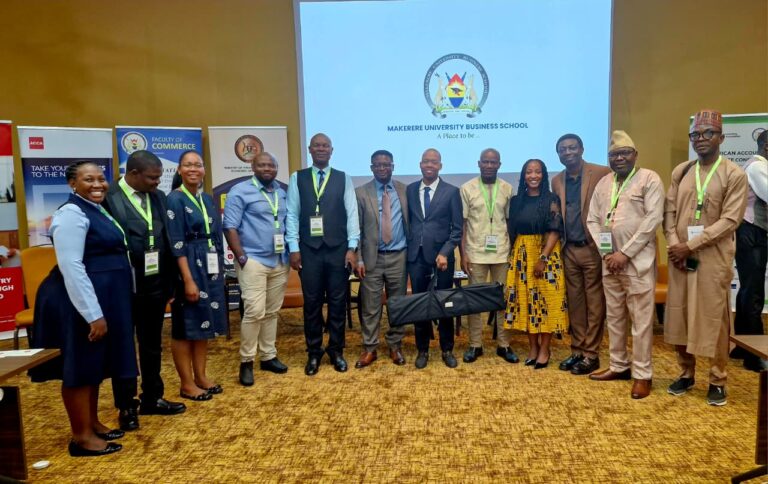
The University of Johannesburg (UJ)’s Department of Commercial Accounting (DCA) hosted the 15th African Accounting and Finance Association (AAFA) Conference 2026. This marked a significant milestone for UJ and the DCA, as it was the first AAFA Conference hosted at a university and the first conference the DCA has ever hosted.
The three-day conference was held from 1-3 September across three different venues: UJ School of Tourism and Hospitality (STH), the Maslow Hotel, and Country Club Johannesburg (CCJ).
Prof Eita Hinaunye, Vice Dean for Research, Innovation and Postgraduate Studies in the College of Business and Economics (CBE), welcomed delegates from across Africa and beyond, emphasising the role of academic conferences in fostering collaboration, building networks and shaping scholarship that is globally relevant yet distinctly African. His remarks highlighted the transformative impact of digitalisation, artificial intelligence, climate change and sustainability while also urging scholars to strengthen Africa’s voice in global knowledge production.
“Africa should not simply be a location from which data are collected for answering questions developed elsewhere. Our continent has its own institutions, challenges, innovations and experiences that can contribute significantly to global accounting and finance scholarship.”
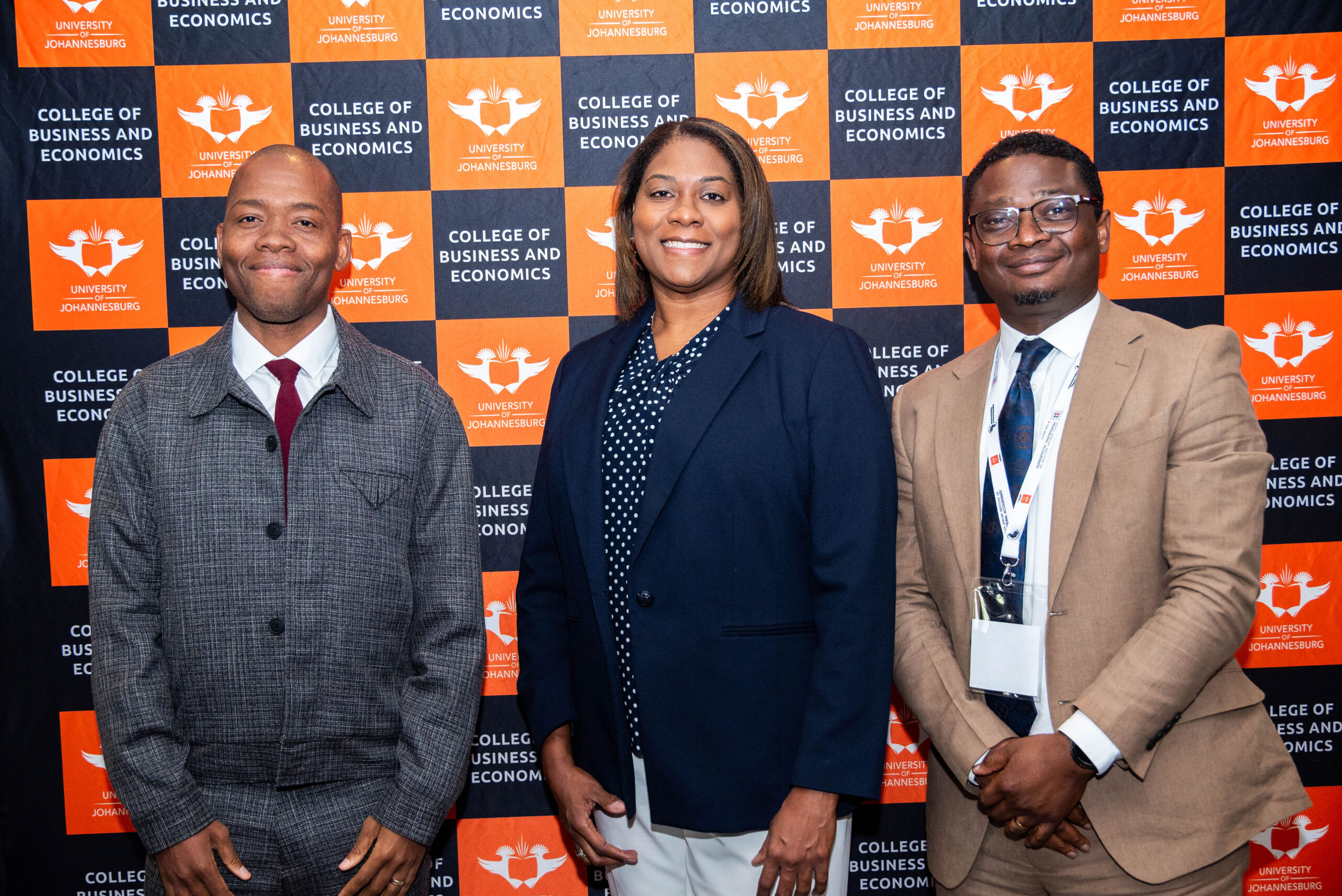
Day one: Emerging Scholars Colloquium
The opening day of AAFA 2026 was dedicated to the Emerging Scholars Colloquium. Delegates were welcomed by AAFA President Prof Olayinka Moses, who praised the UJ CBE for hosting the milestone event. He emphasised mentorship, collaboration and building scholarly communities, noting that the colloquium featured 27 presentations across two sessions, with contributions spanning multiple institutions and topics.
The programme included keynote presentations by Prof Nerrisa C. Brown from the University of Illinois Urbana-Champaign and Prof John Dumay from Macquarie University, alongside breakaway sessions where postgraduate scholars and early-career researchers presented their papers and engaged in critical dialogue. The day set the tone for collaboration, mentorship and knowledge exchange amongst established academics and emerging voices.
Day two: Main Conference
The second day of the AAFA Conference was the official opening of the main programme. Prof Tankiso Moloi, Dean of the College of Business and Economics (CBE), framed the gathering as a platform for structural change, highlighting UJ’s stature as the number one university in South Africa for Business and Economics, with around 3000 students in formal programmes, nearly 10 000 in non-subsidised programmes and over 1 000 staff members. He emphasised that the conference’s success would be measured not by publishing papers but by the bridges it builds between research, governance and practice.
“The success of this conference will not be the elegance of our conversations but the structural change we trigger which will be strong enough to carry generations across divisions and wide enough to connect our institutions, markets and people.”
Adding to this, Thamsanqa Zikode, Acting Head of Audit at the Auditor-General of South Africa (AGSA), addressed delegates on the theme of accounting, finance, innovation and inclusive futures. He emphasised the importance of public accountability, warning that numbers alone mean little if they do not translate into tangible improvements in citizens’ lives. He called for financial reporting to be linked directly to service delivery, stressing that governance must ensure resources are used ethically and effectively to build trust and drive social progress. He concluded by saying that “numbers without impact mean nothing. Accounting must translate into services, accountability and tangible improvements in society.”
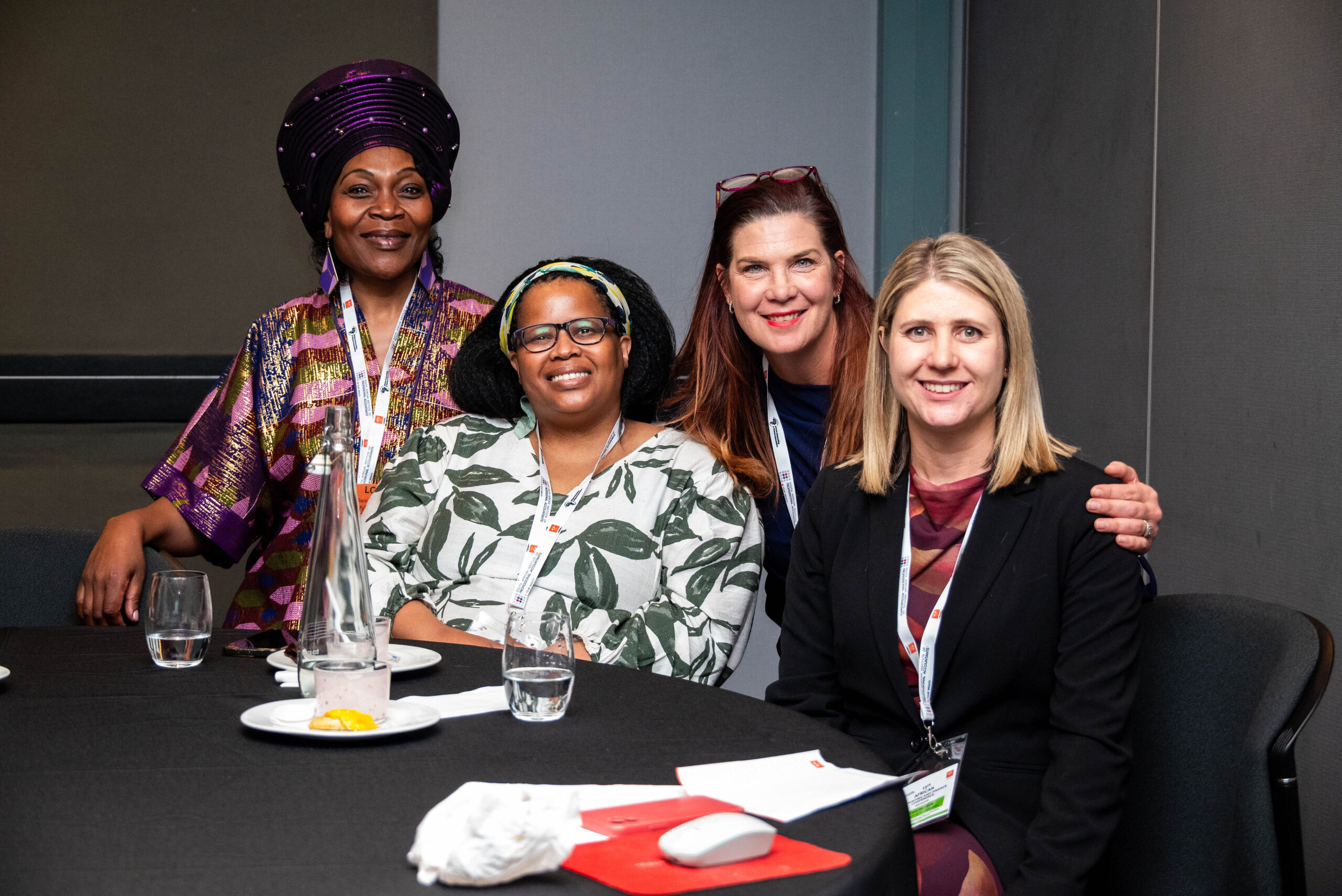
Day three: Main Conference
The final day of the AAFA Conference featured a keynote by Manenzhe Manenzhe (FCCA), who urged delegates to reflect on the evolving role of accountants. He emphasised ethics, resilience and innovation, noting that future accountants must “speak truth to power” and embrace tools like AI responsibly, while safeguarding wellbeing and integrity in the profession. The day also included breakaway sessions, where scholars presented their research papers, fostering dialogue and collaboration across institutions.
Gala Dinner and Awards
The conference concluded with a vibrant gala dinner at the CCJ, themed African Traditional, paying tribute to South Africa’s Heritage Month. Delegates arrived in striking African attire, creating a celebratory atmosphere. The evening featured performances by Soul Melodies and a dynamic drum group, which lit up the room.
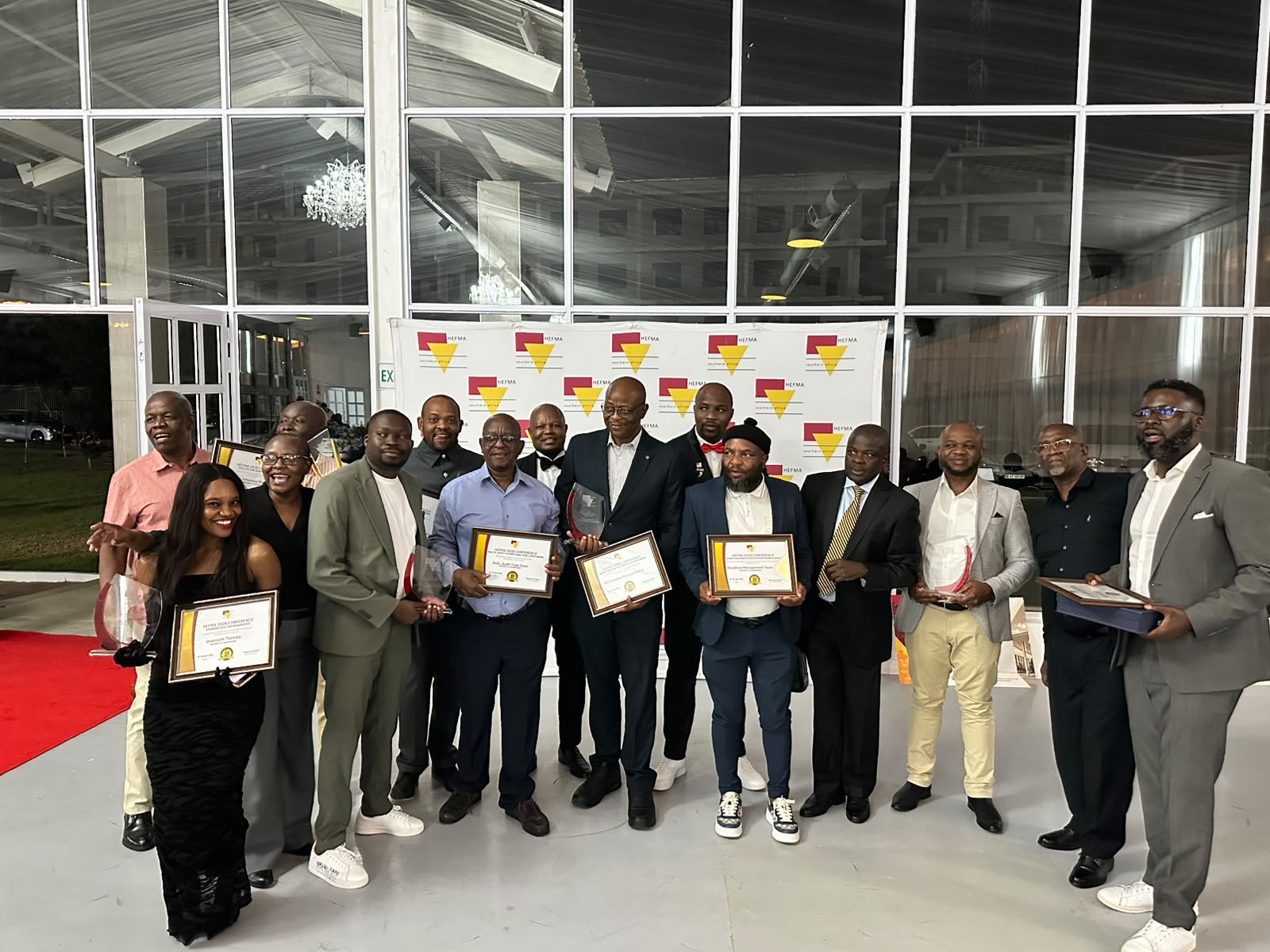
Awards were presented by AAFA President Prof Olayinka Moses, celebrating excellence and contribution across the field. The prestigious Ibrahim Bedi Award for Best Auditing and Ethics Paper was conferred during the conference, sponsored by Professors Teerooven Soobaroyen and Mathew Tsamenyi.
Among the emerging scholars recognised were:
- Tumi Kharivhe, Senior Lecturer in the Department of Commercial Accounting, for her paper “Accuracy of rehabilitation liabilities and adequacy of rehabilitation funds in South Africa’s mining sector.”
- Kurt Naicker (CA SA), Senior Lecturer in the Department of Commercial Accounting, for his work on “How accounting education and training in Africa can better integrate AI literacy.”
The closing vote of thanks was delivered by Boitumelo Khuzwayo, Head of the Department of Commercial Accounting, who formally brought the conference to a close. She acknowledged the organisers, delegates and performers for making the milestone event a success.
The College of Business and Economics (CBE) is one of UJ’s nine faculties and accounts for about 40% of the University’s students. Within the college, the School of Accounting is among the largest producers of accountants in South Africa, with a strong focus on transformation and research intensity. UJ is ranked number 1 in South Africa for Business and Economics by Times Higher Education and is home to leading research chairs in industrial development, innovation and enterprise education.