They have long been plagued by issues ranging from poor governance, underfunding, poor infrastructure and a lack of accountability, but there is renewed hope for Technical and Vocational Education and Training (TVET) colleges in South Africa. A R1,500,000 grant by the Insurance Sector Education and Training Authority (INSETA) to one of the University of Johannesburg’s (UJ)’s leading experts in risk management, artificial intelligence (AI) and digital transformation may just be what these institutions need to give them a new lease of life.
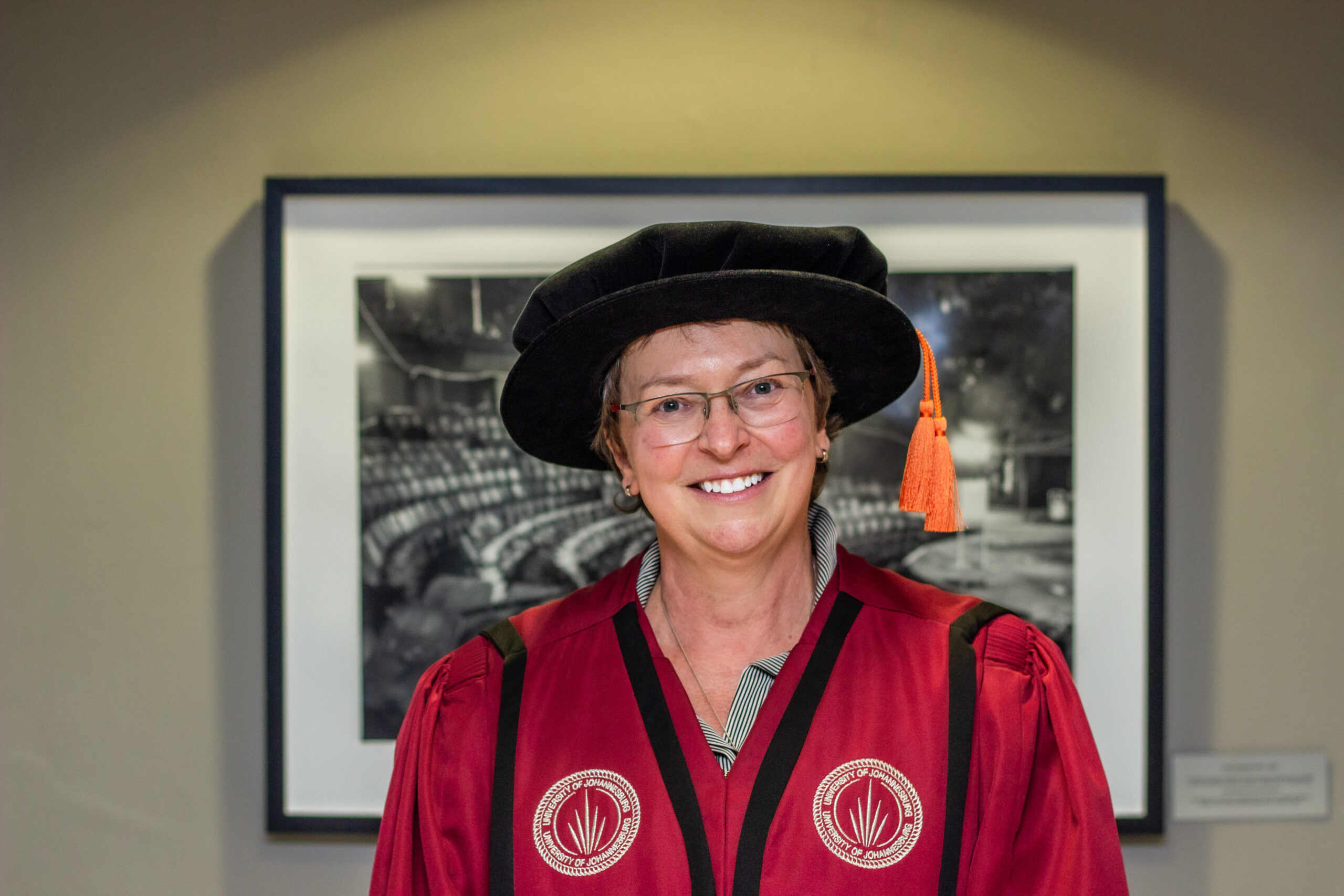
The expert is Professor Tankiso Moloi, who is also the Executive Dean of the College of Business and Economics (CBE). He has been appointed as the Principal Investigator to lead two high-impact studies designed to bridge the gap between academic theory, vocational training, and the rapidly evolving demands of the modern economy.
Advancing Institutional Capacity and the Green Economy
The grant will fund two distinct yet complementary research projects, the ‘Strengthening Institutional Capacity and Industry Alignment in TVET Colleges. The focus will be on ensuring that Technical and Vocational Education and Training (TVET) institutions are better equipped to produce graduates who meet the specific needs of the insurance and broader financial sectors. These include AI as well as Environmental, Social, and Governance (ESG), and the ‘Just Energy Transition (JET), which will be exploring the intersection of AI and ESG criteria within the context of South Africa’s shift toward a sustainable energy future’.
Reflecting on the significance of the research areas, Professor Moloi said: “I am deeply grateful to INSETA for this opportunity and for their continued trust in our research capabilities. This grant allows us to tackle two of the most critical pillars of our economy: vocational excellence and technological sustainability.
“The insurance sector is undergoing a massive transformation; by focusing on AI and ESG, we are helping the industry navigate the complexities of the Just Energy Transition while ensuring that no one is left behind. Furthermore, our focus on TVET colleges is vital.
Prof Moloi added that strengthening the alignment between these institutions and the insurance industry ensures a sustainable pipeline of talent that is ready for the future of work. “We are committed to producing insights that are both practical and transformative, ensuring that AI and ESG principles are integrated into the fabric of South African business and education.”
Professor Refilwe Phaswana-Mafuya, the Deputy Vice Chancellor: Research and Innovation at UJ, expressed immense pride in the achievement: “We are absolutely thrilled by this generous grant from INSETA. It is a testament to the University of Johannesburg’s position as a leader in impactful, society-centred research. This funding allows us to delve into the very heart of South Africa’s developmental challenges.
“At UJ, we don’t just teach for the sake of education; we conduct research that transforms industries. I am particularly excited to see how these studies will empower our TVET colleges and refine our approach to the Fourth Industrial Revolution. This work is not just an academic exercise it is a blueprint for national progress, and we are honoured that our College of Business and Economics is at the helm of this initiative.”