The University of Johannesburg (UJ)’s Faculty of Health Sciences clinics have become the beacon of hope in communities, offering high quality healthcare in often underserved and low-income communities.
As part of the University’s Strategic Plan 2035, the University has committed itself to having an impact in the communities in which it exists, covering the Societal Impact and Sustainability pillar of the plan.
One such community to benefit from this undertaking was the community of Itsoseng in the North- West Province. In particular, the learners of the Reatlegile Special School, which serves learners from the area and its surroundings, who have a wide range of special learning needs.
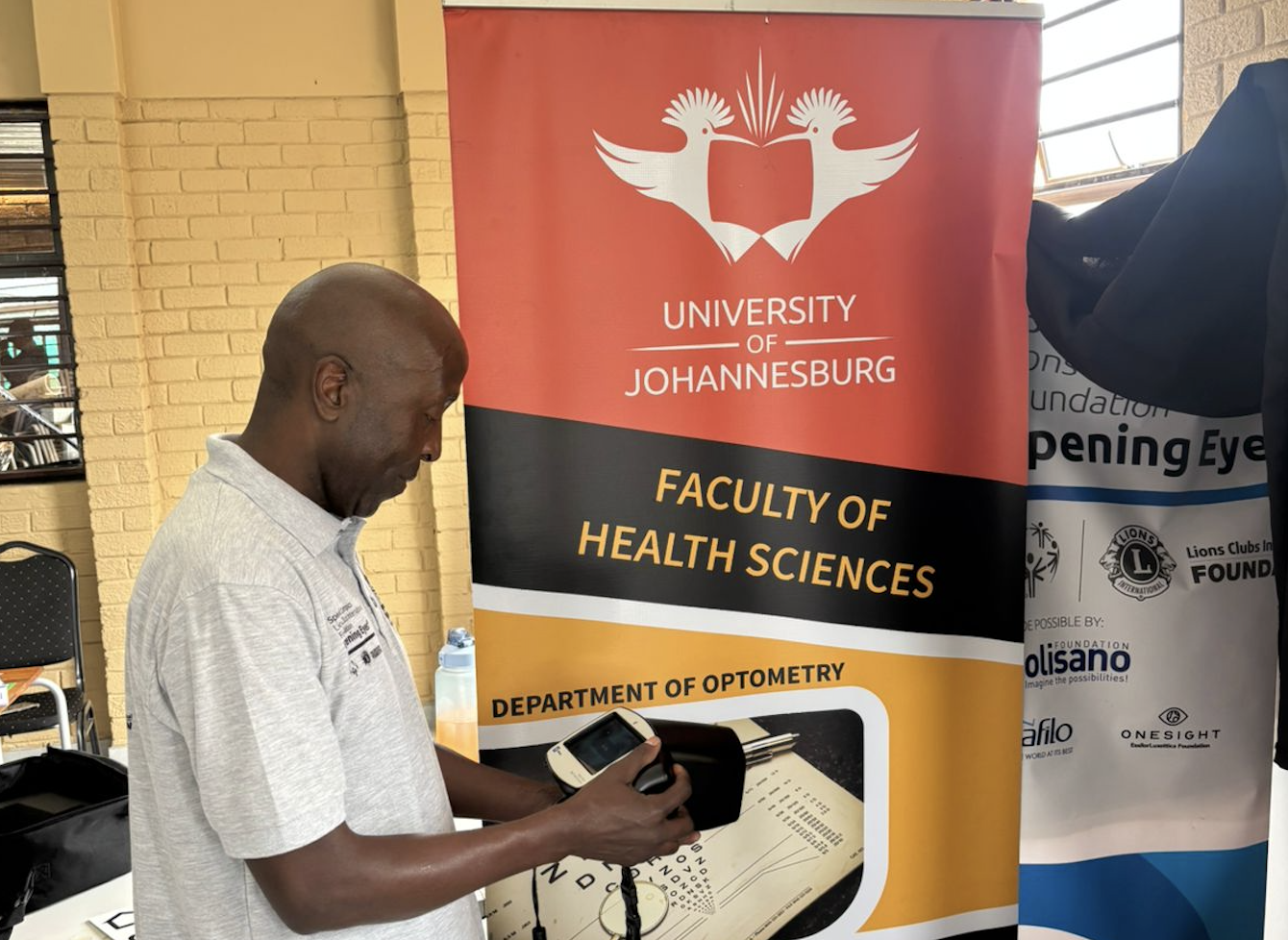
Staff and students from the Departments of Podiatry and Optometry at the University of Johannesburg partnered with the Special Olympics South Africa (SOSA) in an outreach programme that aimed to give students and staff access to services offered by these clinics.
The Optometry clinic sent Seven (7) fourth-year students, who assisted in the screening of 225 autistic and learners with learning challenges. Of this, 76 received comprehensive eye tests and spectacles were prescribed to the at no cost. 25 educators from the school also received eye tests and 18 of them received spectacles.
Donald Phaladi, fourth- year optometry student shared that for her the experience was enriching because of the opportunity to interact with people from different walks of life; “ I appreciated the outreach to Reatlegile as it allowed me to interact with people from environments and cultures that are different to my own. This is one of the reasons why I wanted to pursue a degree in the health field,” she said.
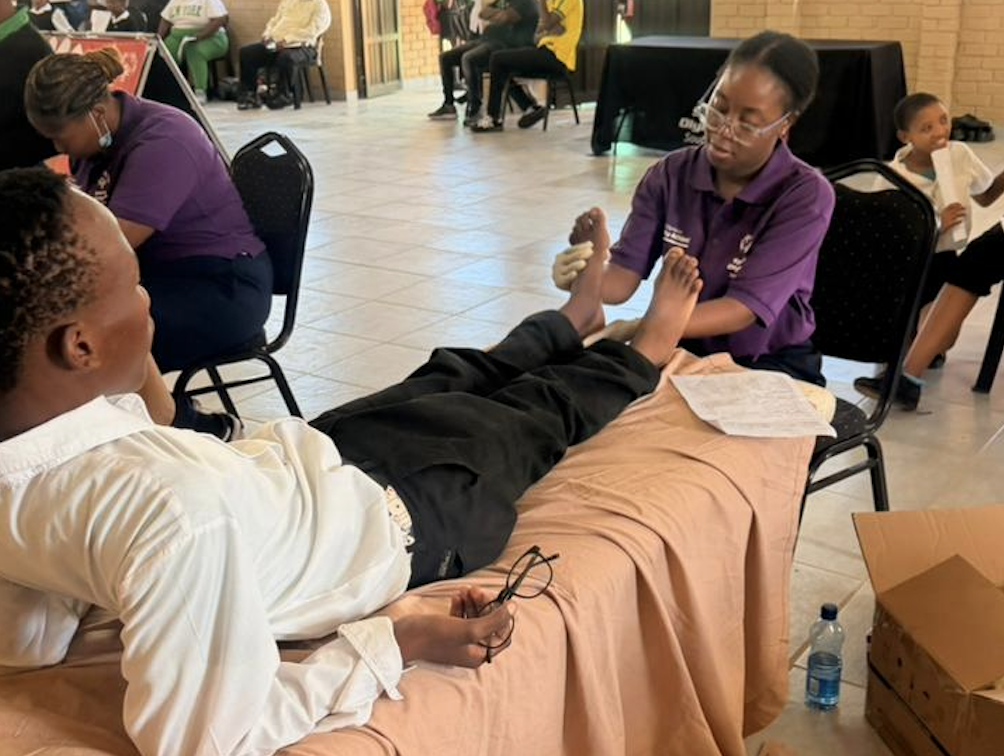
On the podiatry side, the clinic sent eight fourth-year students and one clinician, to assist with the activities of the day. The podiatry clinic screened 220 special needs learners. This screening consisted of measuring foot size, checking gait and foot screening was performed, with foot health education being given to the learners and where necessary, referrals for further treatment were given.
For Shaun Mambane, fourth-year students Podiatry student, he said he particularly enjoyed seeing understanding on the faces on the learners when he explained why he was giving them a test or certain advice.
“For many people, podiatry is a lesser known and understood field in the Health Sciences. I appreciated that through this outreach, we were able to provide knowledge to the learners about the importance of caring for our feet properly,” he said.
Executive Dean of the Faculty of Health Sciences Professor Annie Temane explained that partnerships such as the one formed with SOSA for this event are important; “These are important because they not only give very necessary work integrated learning experience to the students but are also aligned to the strategic value of impact”, she said. Prof Temane added: “Making a difference in communities that we serve is what the Faculty of Health Sciences standS for”.