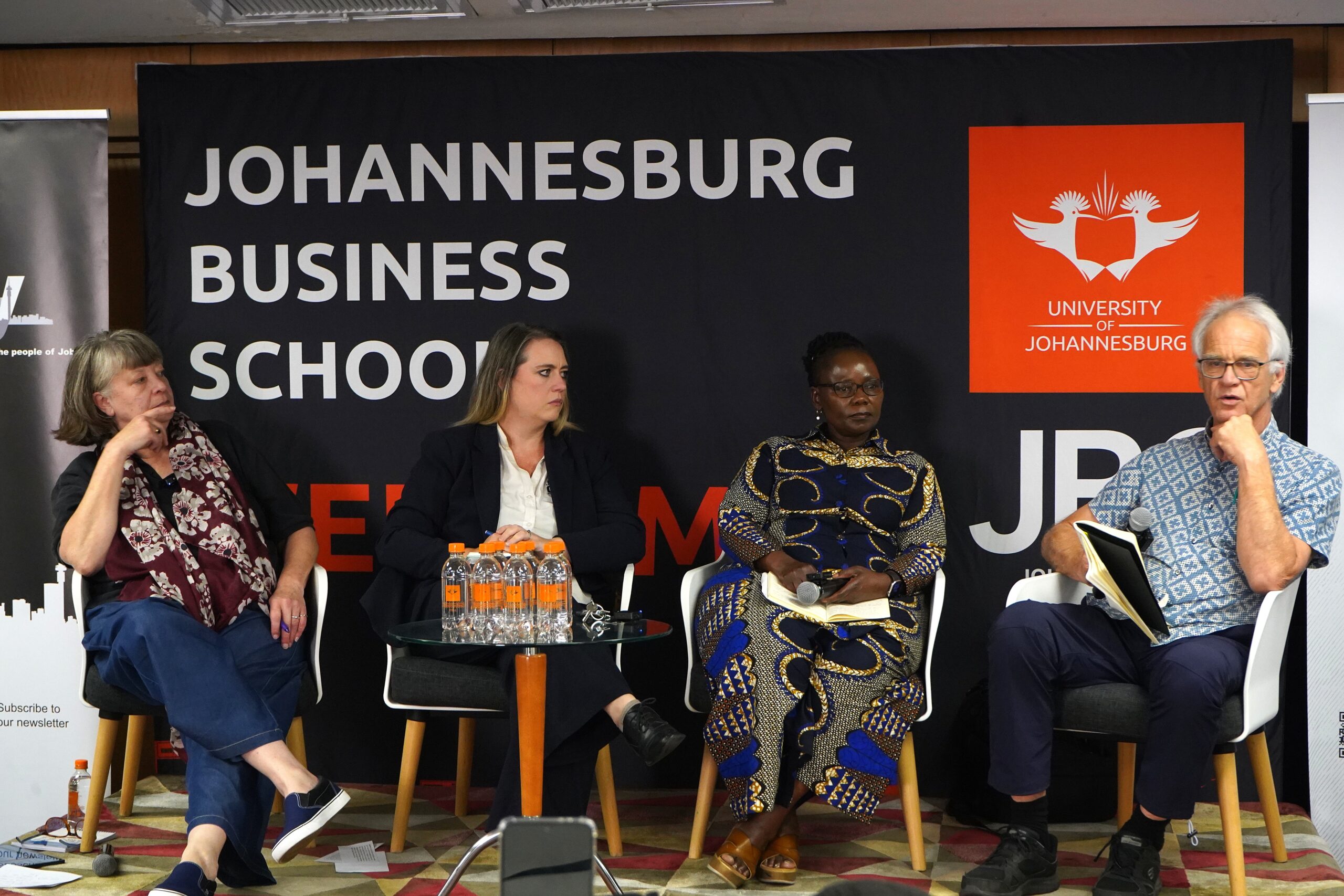
The University of Johannesburg is pleased to announce the winners of the following two UJ Prizes for isiZulu and Sesotho sa Leboa/Sepedi.
The following authors have won the 2026 Main Prize for isiZulu and Sesotho sa Leboa/Sepedi:
UJ Prize IsiZulu Winner
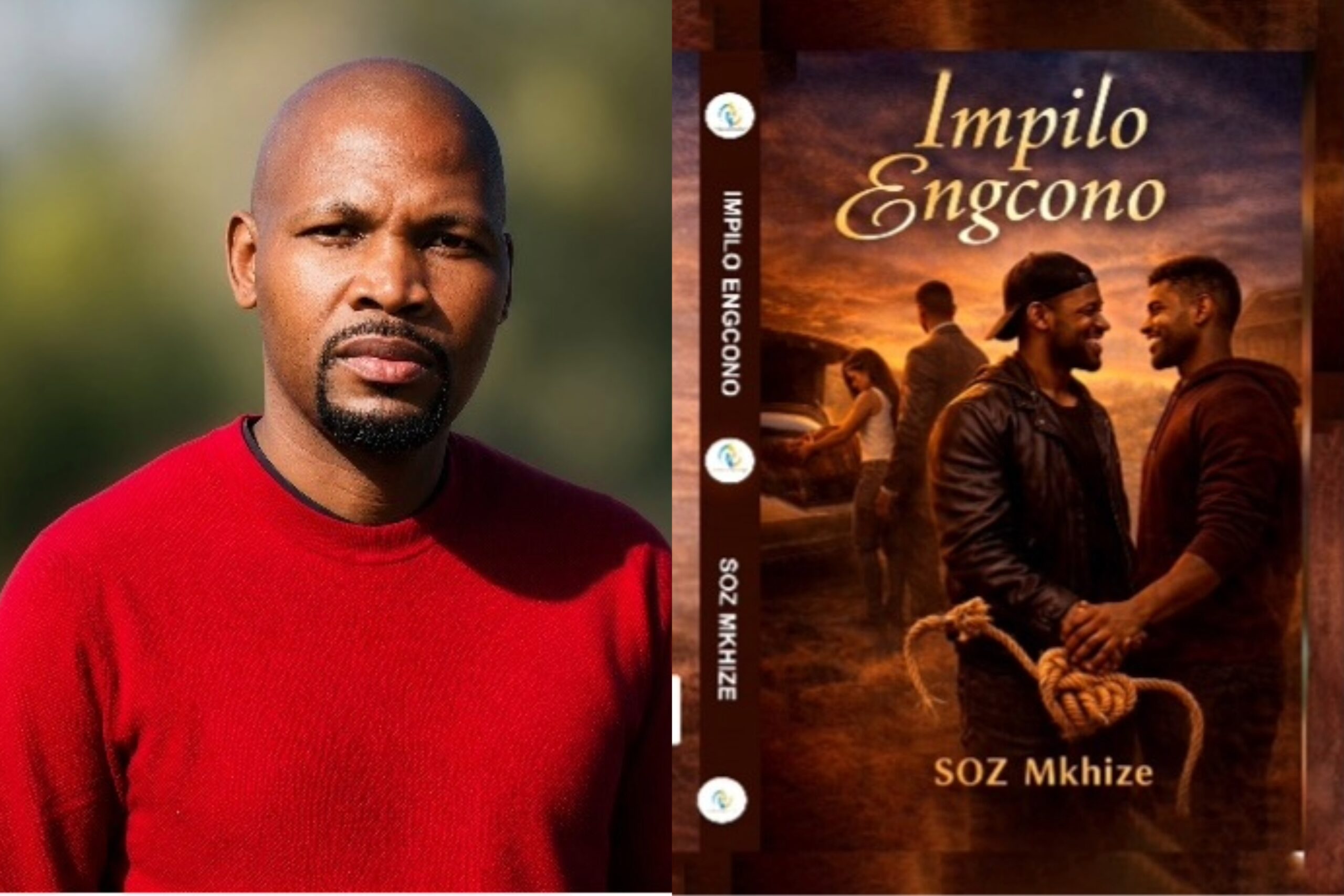
Mr S.O.Z Mkhize was named the winner of the 2026 UJ Prize for isiZulu for his novel Impilo Engcono.
This novel tackles pertinent issues facing the LGBTQI+ community. Sex and gender fluidity is a huge challenge in traditional societies where people expect heterosexual relationships and marriages despite what the Constitution prescribes. Lunga’s decision to be gender fluid creates confusion in a society that already misunderstands and judges homosexuality. The appeal of this novel lies in the author’s attempt to suggest solutions to lived problems and challenges that face society.
UJ Prize for Sesotho sa Leboa/Sepedi Winner
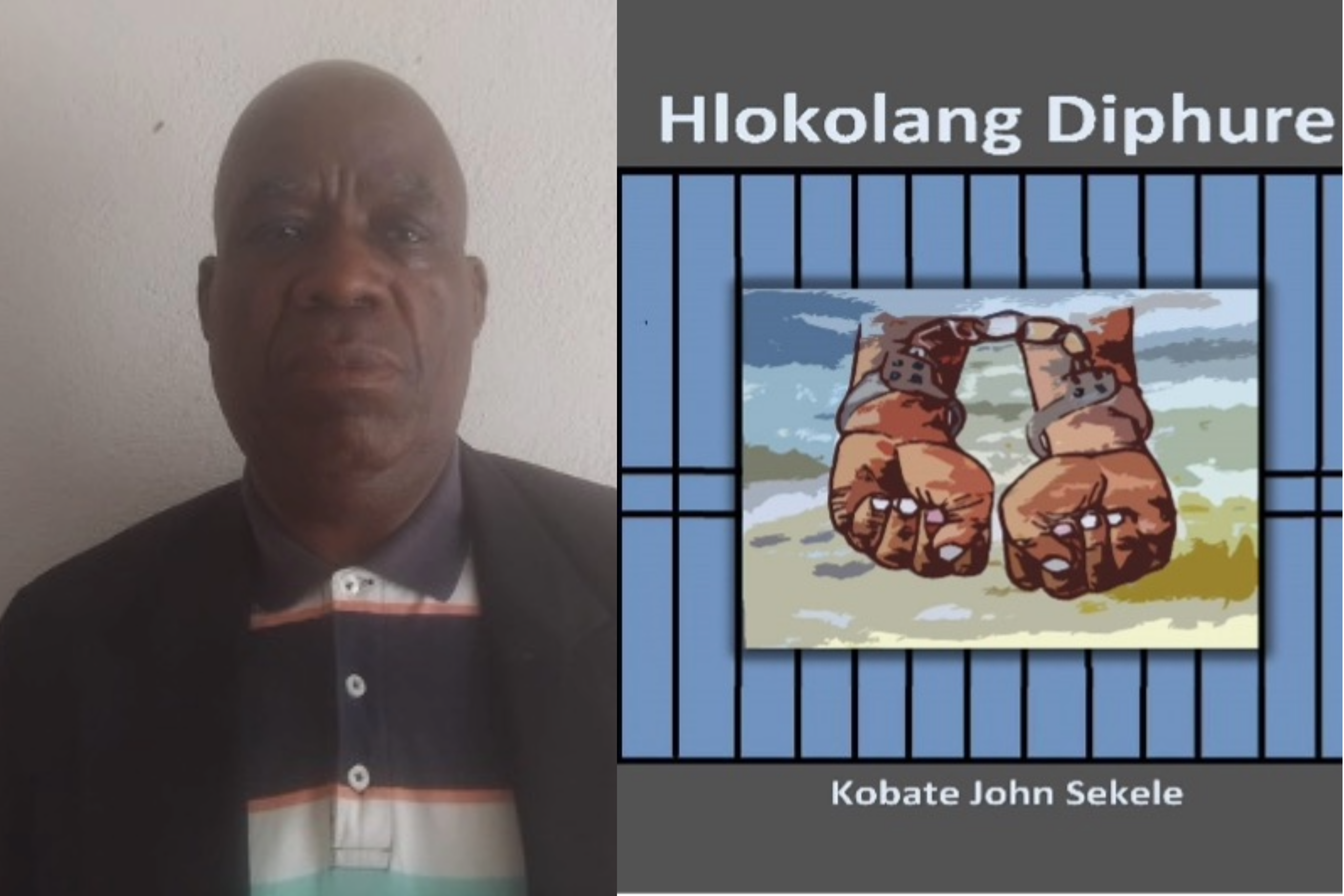
Mr Kobate John Sekele was named the winner of the 2026 UJ Main Prize in Sesotho sa Leboa/Sepedi for his novel Hlokalang Diphure.
The book is a detective novel, and it has fulfilled all the requirements of a detective style of writing. A detective novel is a genre of crime fiction that focuses on the investigation of a mysterious or unexplained crime, such as murder, theft, or disappearance. The narrative typically follows a detective or investigator who seeks to uncover the truth by determining what happened, who committed the crime, how it was carried out, and the motive behind it. The author used the official standard language, which means that the book can be used by almost everyone within the Sesotho sa Leboa communities. A good choice of idiomatic expressions and metaphors makes the book even more interesting because of language play. The book is well edited, with well organised paragraphs and layout.
The novel revolves around two police officers, Diaka and Kgagarapane, who collaborate with two criminals, Sebete and Diankgana, in committing heinous crimes, including car hijackings. Detective Thandi plays a crucial role in exposing and apprehending her corrupt colleagues.
The central themes of the novel are well presented, they assist the reader to explore other issues beyond the crime mystery, through well-developed characters. The main theme centres around portraying criminal elements within the police force. Literary works often portray real life realities, and we have seen that in Hlokolang Diphure. The story further highlights the disturbing reality of criminal activities being perpetrated by individuals entrusted with protecting the public. The book is very relevant, particularly within the South African context, where issues of corruption among some police officers continue to be a matter of public concern. This has been observed through an evidentiary investigation and testimonies presented at The Madlanga Commission.
The University also announced the winners for the 2026 Debut Prizes for isiZulu and Sesotho sa Leboa/Sepedi:
UJ Debut Prize for isiZulu Winner
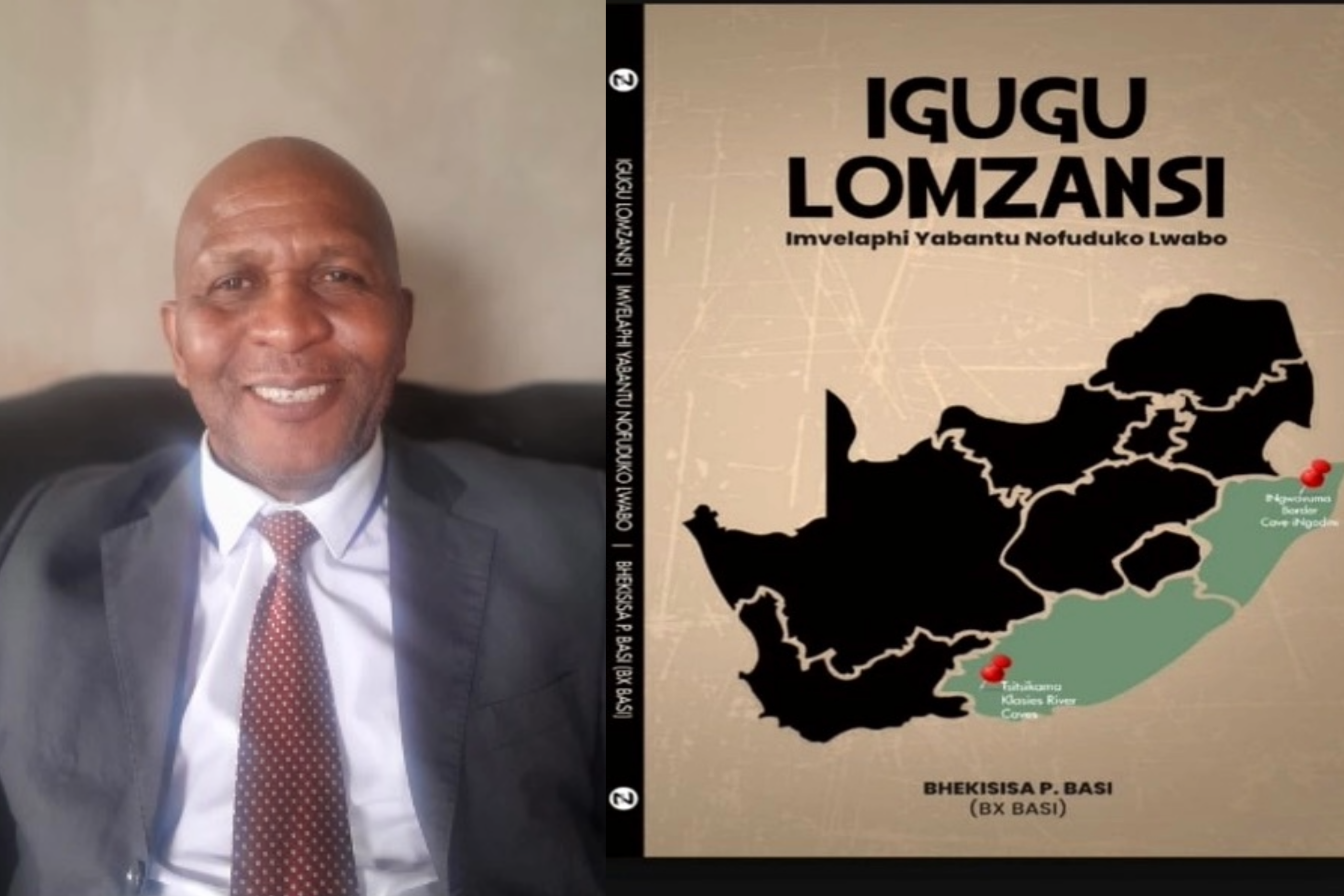
Mr B.P Basi was named the winner of the 2026 UJ Debut Prize for isiZulu for his book Igugu Lomzansi.
The author traces the origins of indigenous peoples who currently reside in Southern Africa; with particular emphasis on the Nguni groupings. Notions of migration with attendant cultural and linguistic dynamics permeate the content, with the author using his clan history as a case study. Not only is the book factually revealing; it also seeks to make a meaningful and invaluable contribution to contemporary research-based dialogue and narratives in isiZulu literary landscape.
UJ Debut Prize for Sesotho sa Leboa/Sepedi Winner
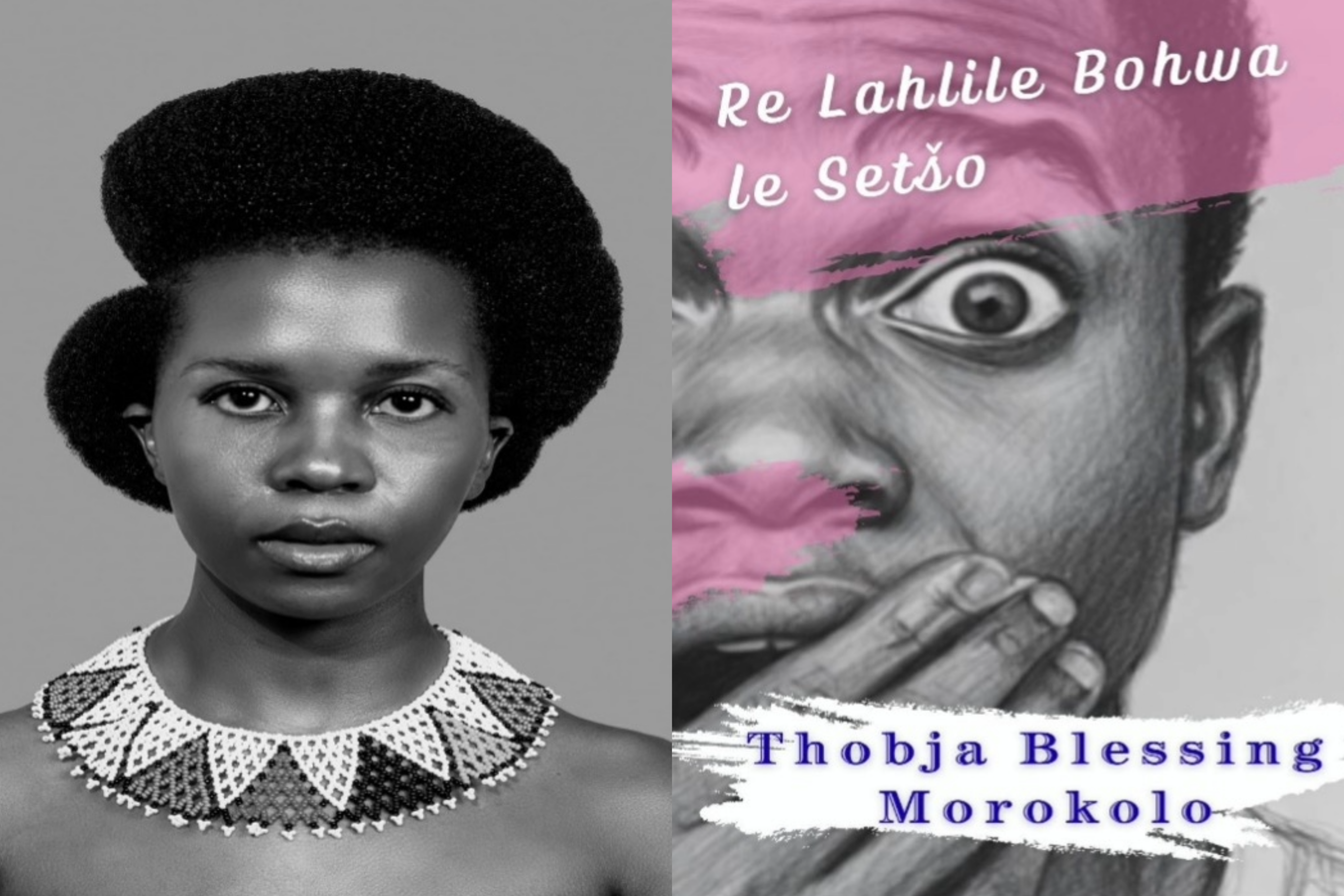
Ms Thobja Blessing Morokolo was named the winner of the 2026 UJ Debut Prize for Sesotho sa Leboa/Sepedi for her short stories and folktales book Re Lahlile Bohwa le Setšo.
The book is a mixture of folktales and short stories, making it different as this combination is rarely done. The author has a lot of potential, and we are hopeful the prize will afford the author a chance to further develop the talent. The short stories are short and clear with varying themes. As it is known with folktales, we observed many moral lessons where a variety of themes were explored, including the importance of keeping secrets, being truthful, and understanding the difference between right and wrong.
These prizes are administered by the Multilingual Language Services Office (MLSO) and UJ Department of African Languages.