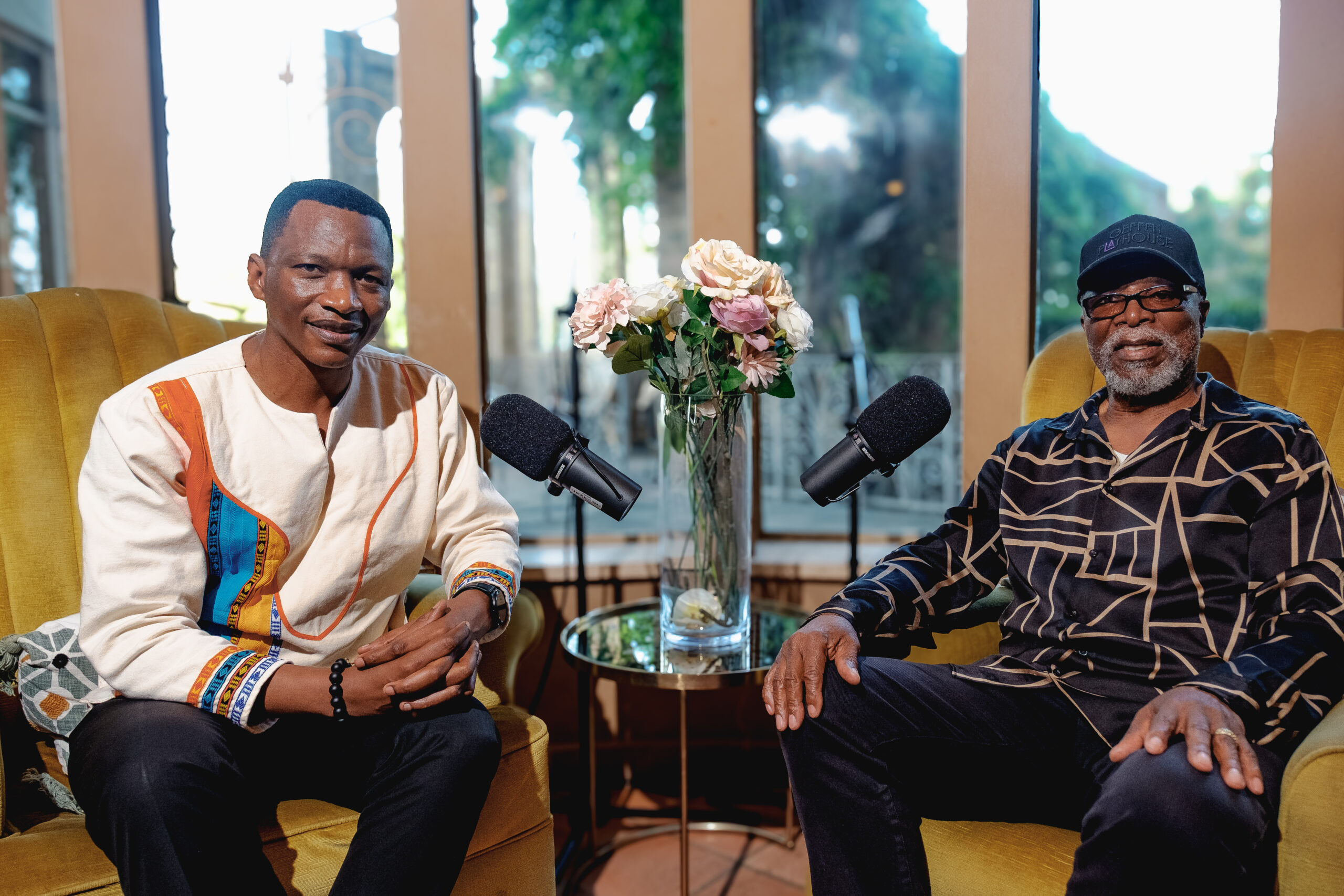
Dr Portia Nkhumbuleni Ramashia is a Lecturer in the Department of Medical Imaging and Radiation Sciences, Faculty of Health Sciences, University of Johannesburg.
She recently published an opinion article that first appeared in the IOL on 08 October 2026.
The maggots came first. By the time anyone saw them, the tonsil had already begun to lacerate through my uncle’s own flesh.
Behind that image sits a sequence of missed steps that any South African oncology (the branch of medicine that deals with cancer — its diagnosis, treatment and care) team will recognise: a biopsy (the removal of a small sample of tissue from the body so it can be examined under a microscope to check for disease, such as cancer) that took months to be processed and returned, a staging scan delayed by the system, a radiology report that took a full month to come back.
The cruellest detail of all, nine months after diagnosis, my uncle had still never been seen by an oncologist. When that call never came, we, as a family, turned, as countless families do when the formal system turns its back, to a traditional healer.
The situation is not a story from somewhere far away. It is what a cancer care crisis looks like when waiting lists outpace disease progression. What happened to my uncle, however, was not a problem confined to any single treatment modality.
Cancer care is a chain of interdependent steps: biopsy and pathology confirmation, staging imaging, multidisciplinary review, oncologist consultation, treatment planning, and finally treatment delivery. When any link in that chain fails, the whole chain breaks.
Our research, published in 2025 in Gauteng, found that patients wait an average of more than eight months for a first consultation with a radiation oncologist after a confirmed biopsy diagnosis, and 13 months for CT simulation for radiotherapy treatment planning.
In the province where the country’s flagship oncology facilities sit, the public radiotherapy infrastructure serves roughly 7.9 million people per centre, a figure that translates into waiting lists measured not in days but in seasons.
However, these radiotherapy figures are only the visible tip of what our data reveal as a much broader failure in oncology care. Limited facility availability, inefficient referral pathways, diagnostic delays, and a stark imbalance in the distribution of public versus private oncology services mean that patients are routinely trapped inside the diagnostic and staging steps themselves, long before they ever reach treatment.
My uncle sat squarely inside that trap: a biopsy delayed, a staging scan delayed, a report delayed by a month, and an oncologist who never called back. He never even reached radiotherapy. He was lost to the chain earlier, at the very door where care begins.
The costs of these delays extend far beyond the disease itself. Before progression becomes visible on a scan, delay inflicts psychological damage that the chart rarely captures. Prolonged waiting induces significant anxiety, depression, and a diminished quality of life, with fear of progression worsening as wait times lengthen.
The trauma of watching a tumour visibly advance amplifies that fear into severe mental distress. When the formal system proves unresponsive, decisions like consulting a traditional healer become less a cultural choice than an indictment of institutional abandonment.
A pattern in which beliefs and stigma continue to drive patients toward traditional care before, or instead of, conventional treatment. The social ripple spreads further.
Extended waits disrupt livelihoods, family routines, and community ties, while distress often persists well beyond the first consultation. The financial cost is its own form of “economic toxicity”: out-of-pocket expenses for transport, accommodation, and meals accumulate, particularly for patients forced into long-distance “patient nomadism” to reach a functioning facility.
Managing complications arising from delayed presentation escalates system costs. These burdens fall hardest on patients with the least financial cushion; patients for whom consulting a traditional healer adds yet another layer of expense to households already strained by the original diagnosis.
The clinical stakes are stark. Head and neck cancers, including squamous cell carcinoma of the tonsil, are among the more aggressive tumour types, and treatment delays are consistently associated with progression and adverse outcomes. The literature is unambiguous.
Even a four-week delay in cancer treatment is associated with increased mortality across multiple tumour types, including head and neck cancers. Prolonged overall treatment time has a deleterious effect on both local control and survival.
Increased intervals to treatment commencement are associated with higher staging at presentation and worse survival outcomes. My uncle’s eight-month delay did not just postpone care. It changed what care could realistically achieve.
By the time a clinician might have finally intervened, there was effectively nothing in the standard oncology toolkit left to offer. That is what a broken chain produces. A single family cannot rewrite referral pathways.
Nevertheless, our story clarifies what the oncology care system must address now. The mandatory response goes well beyond radiotherapy alone. Comprehensive, multifaceted approaches are essential: targeted investment in diagnostic pathology services; improved access to staging imaging; expansion of oncology specialist capacity; expansion of treatment infrastructure, including radiotherapy and chemotherapy capacity; public-private collaboration; and sustained workforce development.
Improved referral pathways would compress the very intervals that defined our trauma, prompt biopsy processing, efficient CT scheduling, rapid report turnaround, and timely specialist consultation.
Patient-centred interventions must address the socioeconomic barriers that interact with systemic delays, and include a more honest engagement with traditional healthcare systems, so that patients who turn to traditional healers are bridged back into conventional care rather than lost to follow-up.
A family waited. The system did not. Moreover, the disease progressed. The maggots came first, but they were not the disease; they were evidence of a chain that had been allowed to grow.
The question is no longer whether delays cost lives. It is how many more South African families must wait to find out.
*The views expressed in this article are that of the author/s and do not necessarily reflect that of the University of Johannesburg.