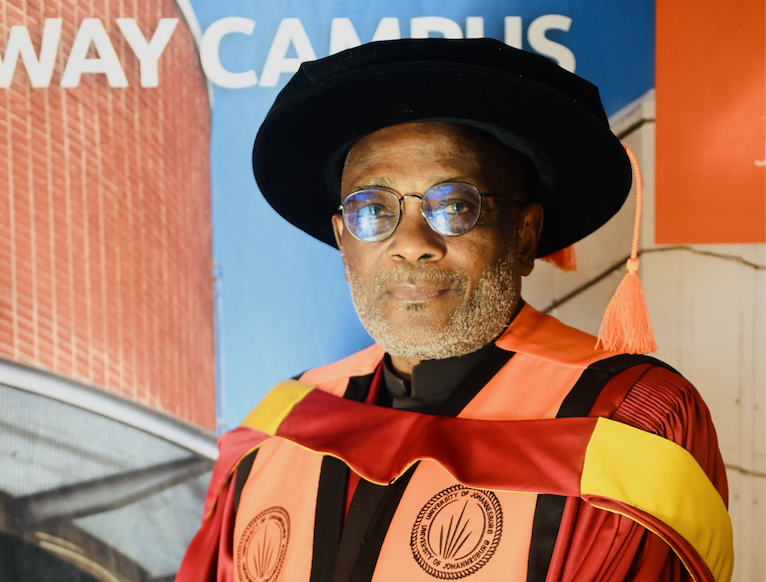
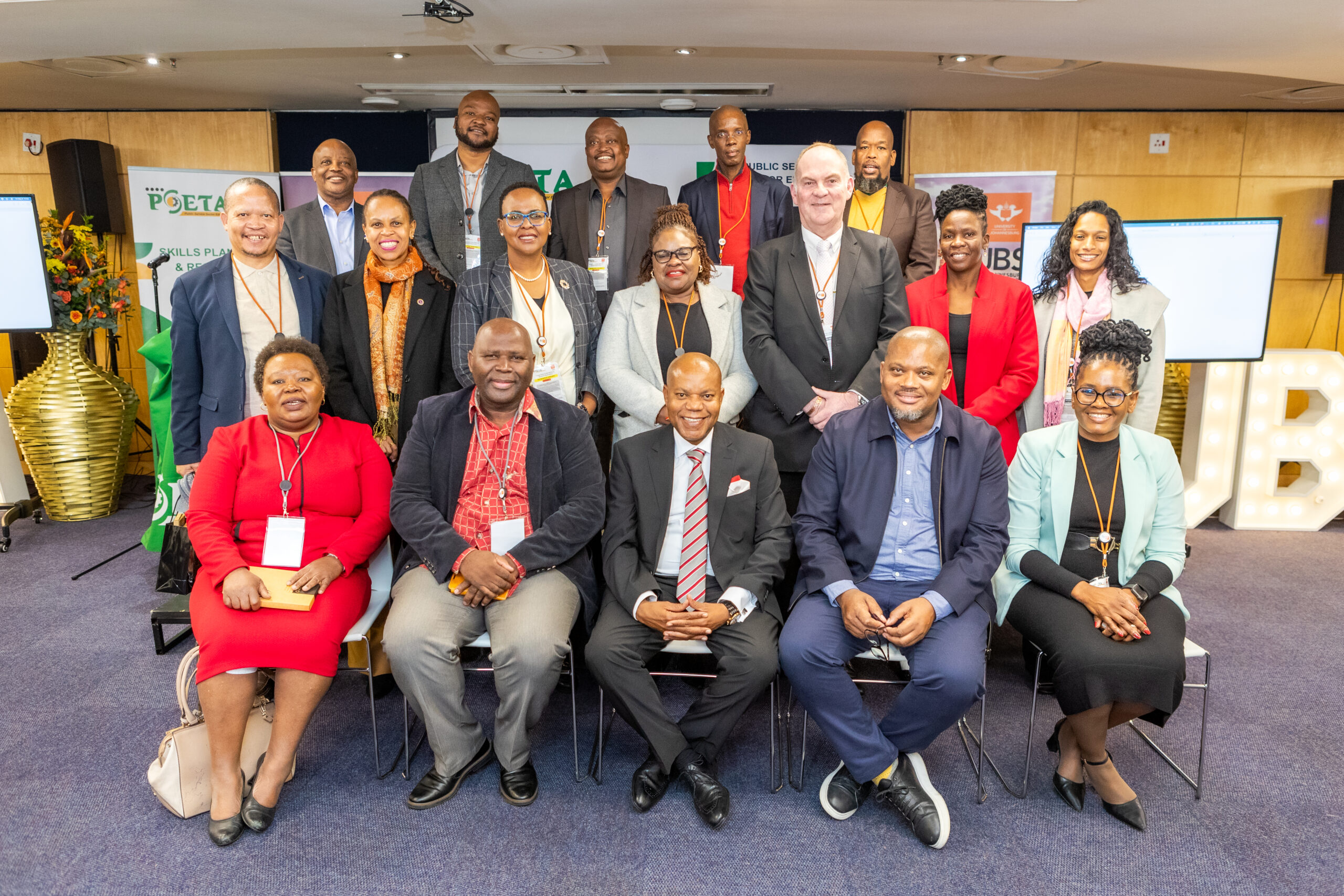
The University of Johannesburg (UJ), in partnership with the Public Service Sector Education and Training Authority (PSETA), officially launched the PSETA–UJ Research Observatory at the Johannesburg Business School (JBS) under the theme: “Credible, Data-Driven Labour Market Intelligence and Sectoral Research.”
The launch brought together leaders from government, academia, industry, and the broader public sector in a shared commitment to strengthening labour market intelligence, evidence-based policy making, and responsive skills planning within South Africa’s (SA) public service.
Opening the proceedings, Philasanda Sokheka, Managing Director of the Centre for African Business, JBS, encouraged meaningful engagement throughout the day’s proceedings, noting: “This is a safe space to engage in discussions.”
He also reflected on leadership and readiness, adding: “I think in life, you must always be ready, because any moment could be an opportunity.”
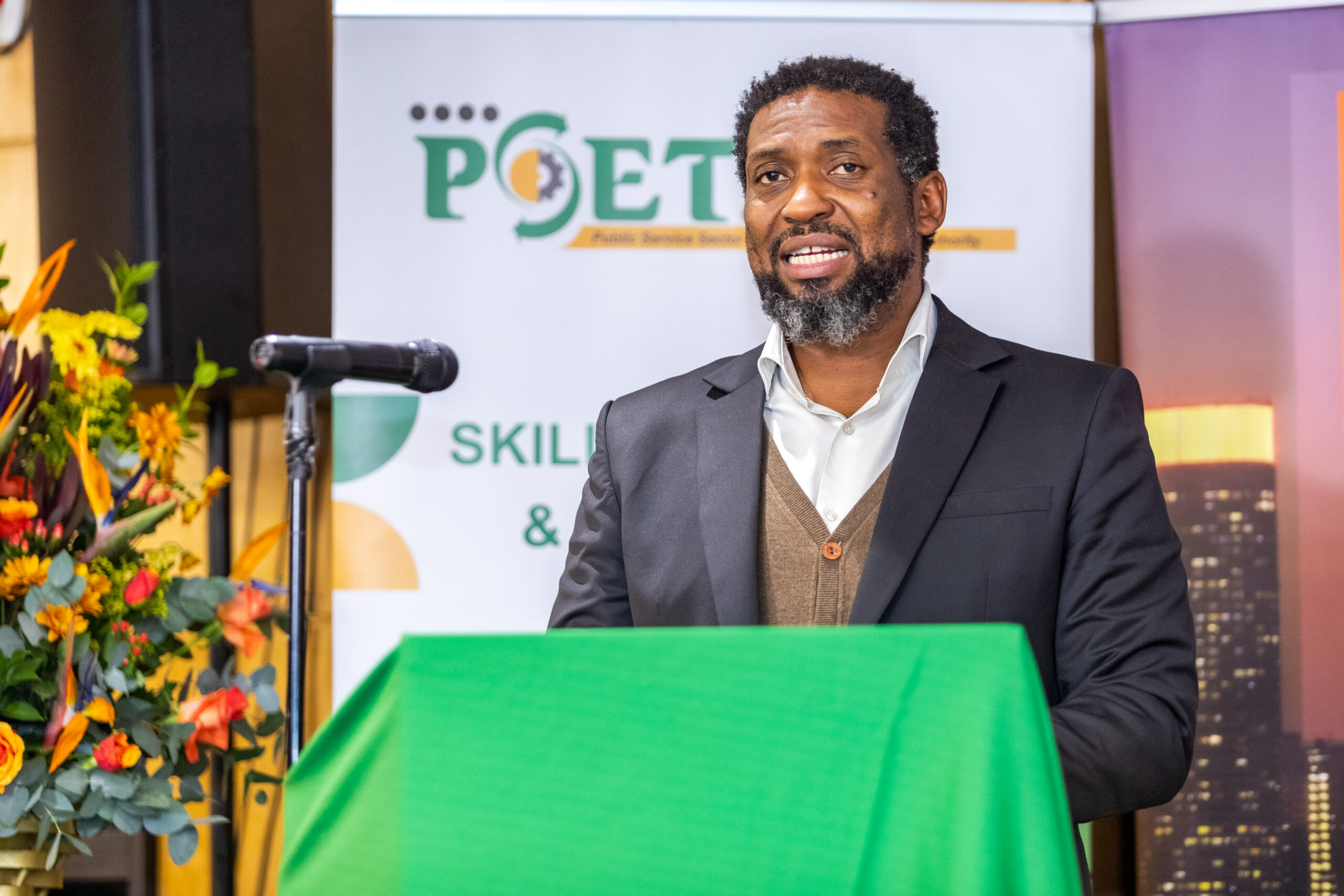
Dr Kennedy Maimela, Accounting Authority Chairperson, PSETA, delivered the Opening Address, highlighting the importance of the partnership and the strategic role of the Observatory in strengthening collaboration between policy, academia, and implementation.
“The observatory stands as a policy academic and implementation interface, bridging research insights with practical application by fostering this kind of collaboration across all the government sectors, universities and industry, we’re trying to ensure that this evidence or the evidence based strategies that we’re going to translate into meaningful impact of the entire report of this country in that development and public service delivery,” said Dr Maimela.
He added that the initiative represented “a landmark initiative that embodies collaboration” and stressed that the gathering demonstrated a “true multi-stakeholder effort” bringing together policymakers, academics, and practitioners around a shared vision for skills development.
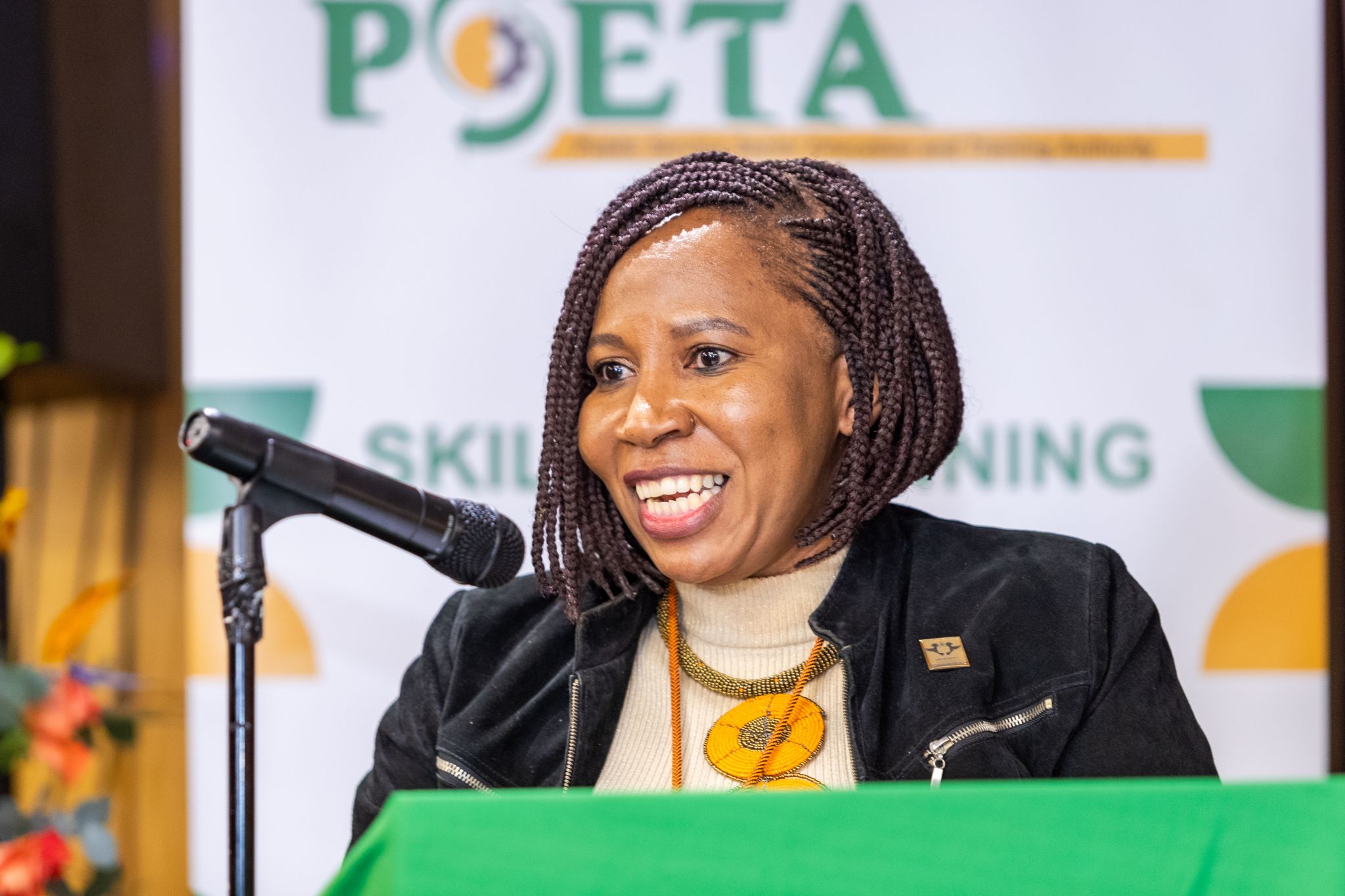
Professor Refilwe Phaswana-Mafuya, Deputy Vice-Chancellor: Research and Innovation, UJ, described the Observatory as a strategic collaborative initiative aligned with the University’s commitment to societal impact and innovation-driven research.
“This initiative represents a shared commitment between UJ and PSETA analysis and political policy engagement aimed at political impacts, such as understanding capability gaps, future skills, finance and implications for the public sector,” she said.
Professor Phaswana-Mafuya further emphasised the importance of partnerships in responding to national challenges. “No small institution can rise to the challenges that we face alone. So partnerships are very essential,” she added.
“This initiative goes beyond scientific issues in high-impact journals and so on, number of research outputs, as in academic outputs as we know them, as academics, but looks at what we call alternative metrics or art methods, which speaks to what implications of what we do in terms of changing lives,” further highlighting that the Observatory aims to move beyond paper to make real-life changes.
Busani Ngcaweni presented the initiative as a strategic engine of insight for the state, not just a technical exercise, and highlighted the vast untapped public-sector and academic data available across the country. “There is data. It is there when you deploy modern instruments to be able to aggregate this for ease of navigation,” he noted.
Ngcaweni explained that the Observatory would focus on aggregating, analysing, and synthesising information into meaningful intelligence to inform policy and strengthen governance. “You can actually use more than tools to aggregate, but most importantly, to be able to do some kind of analysis, because it becomes intelligence once it has been aggregated,” he said.
Honourable Buti Manamela, Deputy Minister, Higher Education and Training, situated the Observatory as a strategic response to a deeper systemic challenge in South Africa’s skills landscape.
He argued that it must help the state truly see its own economy and labour market, asking whether “the South African state actually knows what its economy and what its citizens require?”
For Manamela, the Observatory is not a peripheral research project but a core instrument of national development, because “a state that cannot see its own labour market cannot plan its own future,” he said.
The minister stressed that “Skills planning cannot be a compliance ritual.” He stated that the Observatory must help the state shift from the reactive to the anticipative, by developing ” stronger capability to focus occupational demand, track labour market transition, but also to identify emerging competencies before the shortage becomes a crisis.”
The programme also featured a panel discussion titled “Repositioning Skills Planning in a Reforming Public Service,” with contributions from Ms Phindile Mkwanazi of the National School of Government, Professor Somadoda Fikeni of the Public Service Commission, and Professor Mashupye Maserumule of Tshwane University of Technology.
Phindile Mkwanazi on the growing leadership and succession challenges facing the public service, particularly in relation to retirements and leadership preparedness. “The issue of our skills planning and being able to bring in the intelligence that comes with that, and looking at the kind of skills that we need within our departments to do the work that we need within the public service is key,” she said.
Mkwanazi also raised concerns around the impact of technology and artificial intelligence on the future of public service work. “How do we use AI responsibly within the public service in making sure that we’re able to respond to things?” she asked.
Professor Fikeni focused on the growing gap between policy and implementation within South Africa’s governance landscape. “South Africa has become an industry of policies, but it performs very poorly when it comes to actual implementation and impact assessment,” he said.
He contended for a stronger values-driven approach to public service leadership and accountability. “A shift towards a normative approach where the fellow system, rather than conformance, becomes important,” he added.
Professor Maserumule emphasised that South Africa’s greatest challenge is not a shortage of ideas, but rather the inability to effectively implement existing knowledge and policy frameworks. “South Africa does not have a challenge of ideas; South Africa has a challenge of following through,” he said.
He further stressed the importance of prioritising implementation and practical impact over repetitive cycles of research and policy development. He noted that other countries have succeeded by investing in implementing the ideas. In contrast, in South Africa, “We are investing so much in researching what we have already researched”, he said. Noting that, “We need to spend more of our time chairing a task team in the National Planning Commission, and our focus should be on theorising implementation and spending more time on what you call the practice of companies.”
Overall, the Observatory aims to ensure that research not only informs decision-making but also contributes meaningfully toward implementation, institutional capability, and societal impact.