Dear UJ community,
As we enter Youth Month, we are reminded of the vital role universities play in shaping the future. Beyond providing qualifications, we help develop the aspirations, capabilities and character of future generations.
At the University of Johannesburg, this commitment extends beyond the classroom and is reflected in the opportunities we create, the support we provide, and the environments we foster to help our students realise their full potential and shape the future of our country and continent.
It is in this spirit of building opportunities for future generations that we also take time to honour those whose leadership helped lay the foundations of our University.
Honouring a Founding Legacy: Unveiling of the Ihron Rensburg Residence
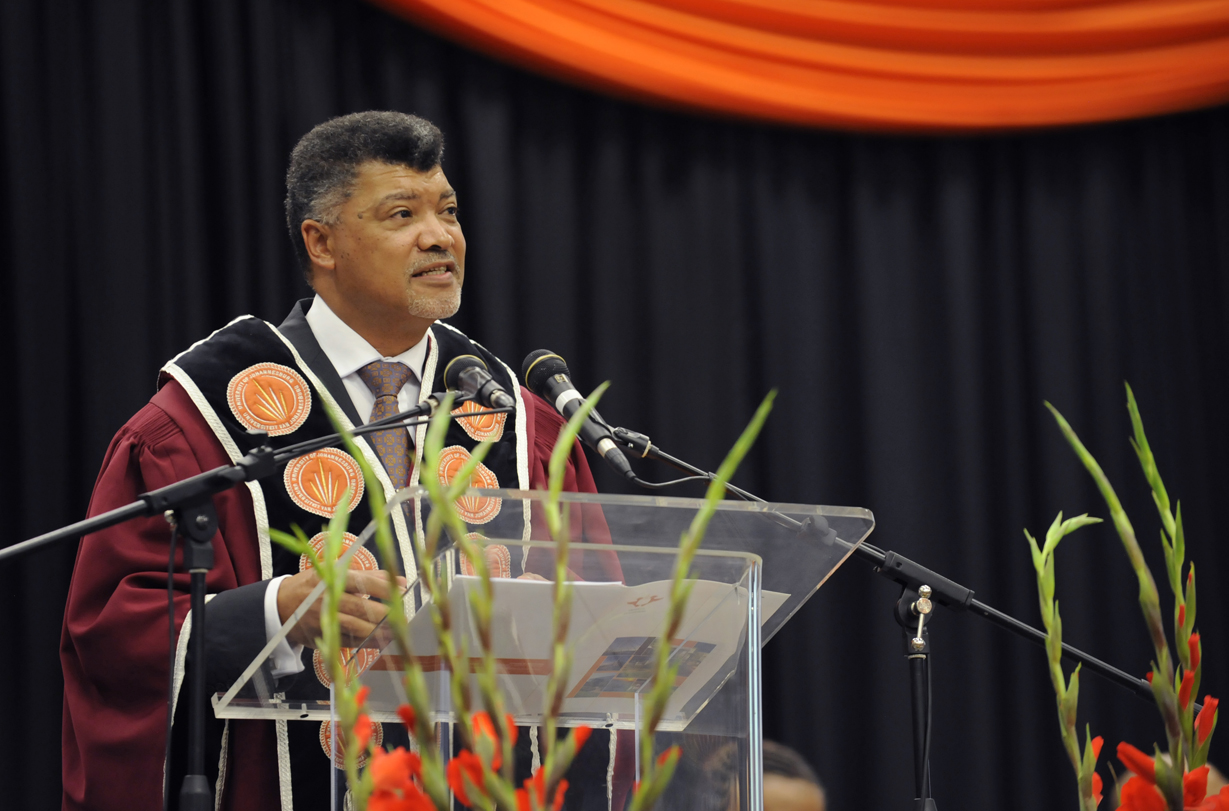
Today, we gather on our Soweto Campus for the official unveiling of the Ihron Rensburg Residence, a significant milestone in our University’s history.
This special occasion honours Professor Ihron Rensburg, former Vice-Chancellor and Principal of the University of Johannesburg, whose visionary leadership played a defining role in shaping the institution during its formative years. As one of the key architects of UJ’s development, he championed transformation, inclusivity, academic excellence and social justice, helping to establish a distinctive institutional identity that continues to guide us today.
The naming of this residence is more than a symbolic gesture. It is a fitting tribute to a leader whose contributions have left an enduring mark on the University and South African higher education. It also serves as a lasting reminder to current and future generations of students of the values, courage and leadership required to build institutions that create opportunity and advance society.
Reflecting on Soweto’s Legacy Through UJ Insight

The unveiling of the Ihron Rensburg Residence coincides with the release of the latest edition of UJ Insight, which shines a spotlight on the rich history, achievements and future aspirations of our Soweto Campus.
As South Africa commemorates the 50th anniversary of the June 16 Soweto Uprising, this special edition reflects on the enduring legacy of the youth of 1976 and the continued pursuit of education, empowerment and societal impact. The publication features compelling stories including the legacy of Prof Rensburg, reflections on Soweto’s unfinished promise, the transformative work of Professor Sarah Gravett, and perspectives from UJ’s Student Representative Council President, among others.
I encourage you to read and share this important publication. My sincere appreciation goes to the Strategic Communications team within the Division of University Relations, the Editorial Team, and all contributors whose collective efforts brought this remarkable edition to life. Read the magazine here.
Hosting a Global Conversation on the Future of Education with Professor Klaus Schwab
Last week, we had the honour of welcoming the founder of the World Economic Forum, Professor Klaus Schwab, to our Bunting Road Campus for a conversation that I believe was one of the most significant intellectual gatherings UJ has hosted in recent years. Drawing on his latest book, Universities, Professors, and Students in the Intelligent Age, Prof Schwab issued a compelling challenge to higher education institutions worldwide: that we can no longer function merely as institutions that transfer knowledge. As he put it, “Education can no longer be preparation for life, education must become a continuous condition of life.”
The conversation resonated deeply with the direction UJ is already taking. Prof Schwab argued that artificial intelligence (AI), automation and quantum computing are reshaping society at a pace that universities must urgently respond to by helping to shape it ethically and responsibly. This is precisely the work we are committed to at UJ.
I encourage you to read the article and watch the trailer of the conversation, available on the UJ website, and to reflect on what it means for how we teach, conduct research, and engage with the world around us. The full episode of our conversation, titled Navigating the Intelligent Age: Insights from Professor Klaus Schwab, will be released on 12 June 2026.
UJ Continues Its Upward Trajectory in Global Rankings
Prof Schwab’s challenge to universities to prove their relevance on the global stage is one we are already meeting. The latest Centre for World University Rankings (CWUR) report confirms UJ’s place among the top 2.8% of universities in the world.
This is not an isolated result. It reflects a consistent, upward trajectory that leading global ranking systems continue to validate.
These results reflect the daily commitment of our academic and professional staff, whose dedication to research excellence and teaching quality makes this progress possible. To every member of the UJ community who has contributed to this journey, I thank you sincerely, and it is a foundation we will continue to build on together.
UJ Extends Four-Year Reign as South Africa’s Top Research Producer
The evidence of that progress extends beyond rankings. For the fourth consecutive year, UJ has retained its position as South Africa’s leading producer of accredited research outputs, according to the Department of Higher Education and Training’s (DHET) latest Sector Report on the Evaluation of Universities’ Research Outputs. UJ produced 3,513 accredited research output units during the 2024 reporting cycle, contributing 13.52% of the country’s total accredited research output.
This achievement reflects the University’s sustained investment in research excellence, innovation, infrastructure, postgraduate development and institutional capability. It also underscores the dedication of our researchers, academics and postgraduate students, whose work continues to advance knowledge, drive innovation and address challenges facing South Africa, the continent and the world. As we celebrate this milestone, we remain committed to producing research that is globally relevant, socially impactful and responsive to the needs of society.
Research Excellence Recognised on the National Stage
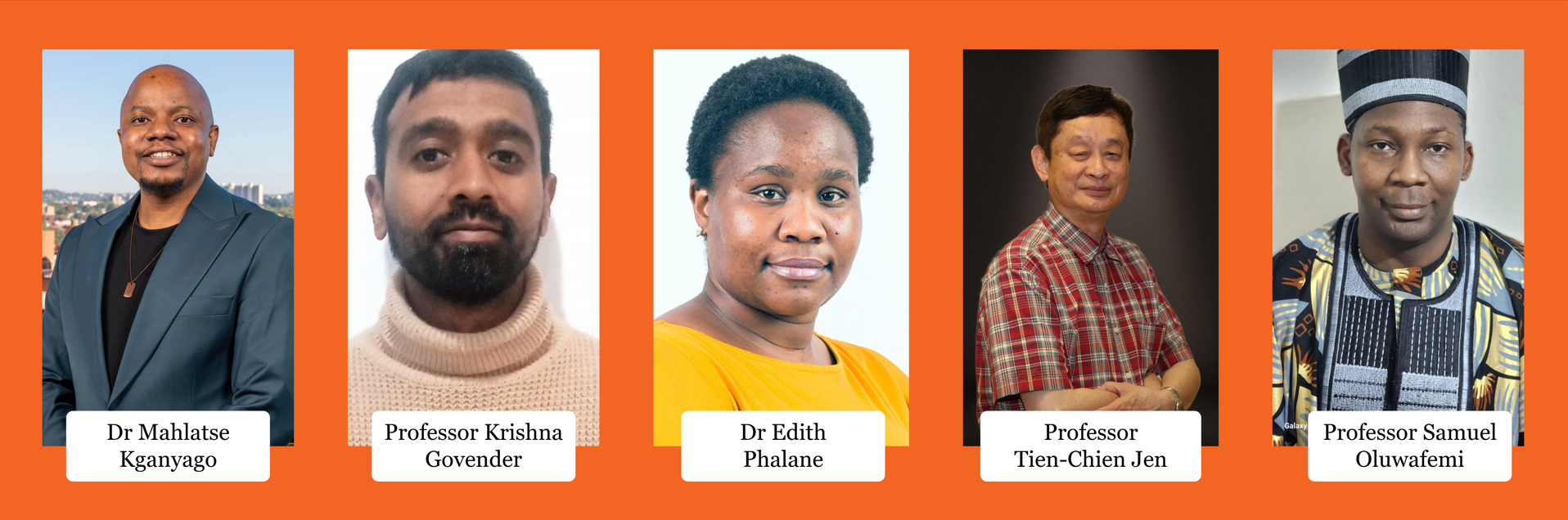
Speaking of research excellence, it is fitting that several UJ researchers and research groups have also been named finalists in the prestigious 2025/26 National Science and Technology Forum (NSTF)-South32 Awards — often referred to as South Africa’s “Science Oscars”. Their recognition places UJ among the country’s strongest-performing universities and reflects the growing impact of our research and innovation efforts in addressing critical societal challenges. Our finalists are being recognised for groundbreaking work in areas including cancer treatment, food security, public health, green hydrogen technologies and advanced research software.
I congratulate all our finalists on this outstanding achievement and wish them every success when the winners are announced on 16 July 2026. Read more here.
Vote for UJ’s Lythe Pillay for World Athletics ‘Athlete of the Month’
Our pursuit of excellence extends beyond the lecture hall and laboratory. Following a breathtaking, record-breaking performance at the World Athletics Relays in Botswana earlier this year, UJ track sensation Lythe Pillay has been nominated for the prestigious World Athletics ‘Athlete of the Month’ award for May 2026.
As the sole South African nominee on the nine-athlete shortlist, Lythe captured global attention after anchoring South Africa’s men’s 4x400m relay team to a historic silver medal. Together with his teammates, he helped shatter the South African national record with a remarkable time of 2:55.07, currently the fifth-fastest performance in history. Lythe’s extraordinary 42.66-second relay split has been unofficially recognised as the fastest 400m relay split ever recorded, further cementing his status as one of the world’s most exciting young athletes.
I encourage the UJ community to support Lythe by casting your vote before voting closes on Sunday, 7 June 2026. His success reflects the talent, determination and excellence that continue to define our University on the global stage. Read more here.
Kea leboha, ngiyabonga, baie dankie, thank you!
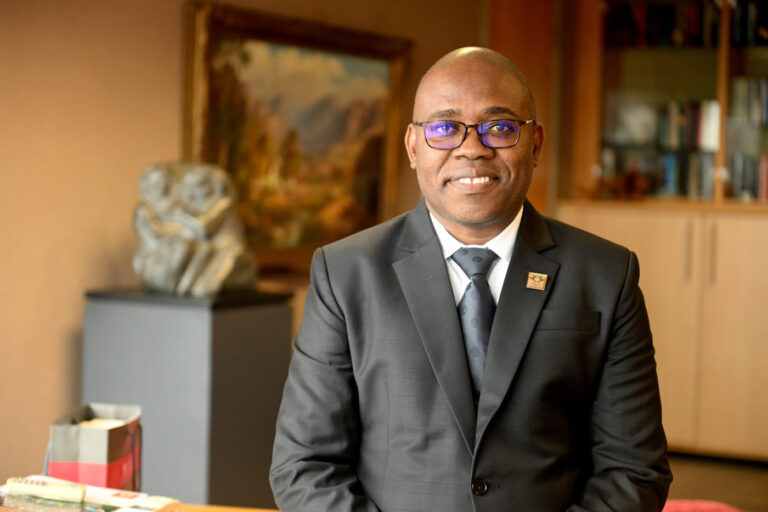
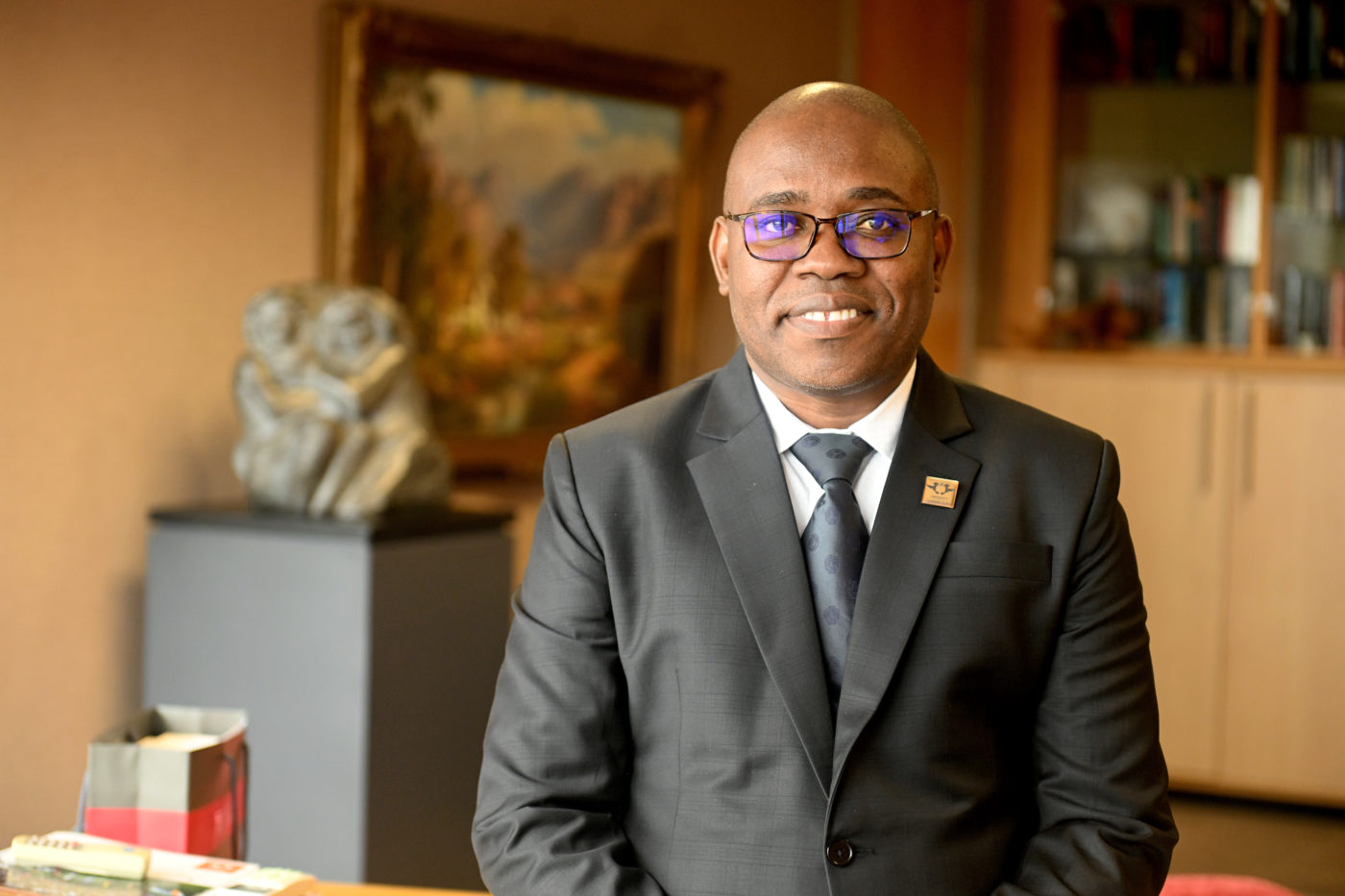
Professor Letlhokwa Mpedi: Vice-Chancellor and Principal
Times mentioned in this newsletter refer to the South African time-zone