The University of Johannesburg (UJ) has further consolidated its position as one of Africa’s leading research-intensive universities, after UNESCO renewed its UNESCO Chair on Medical Geology in Africa until 31 December 2030.
The renewal reaffirms international confidence in UJ’s ability to generate world-class research that addresses some of Africa’s most pressing geo-environment and public health challenges. It also expands the University’s contribution to UNESCO’s global mission of advancing scientific collaboration, innovation and sustainable development through higher education.

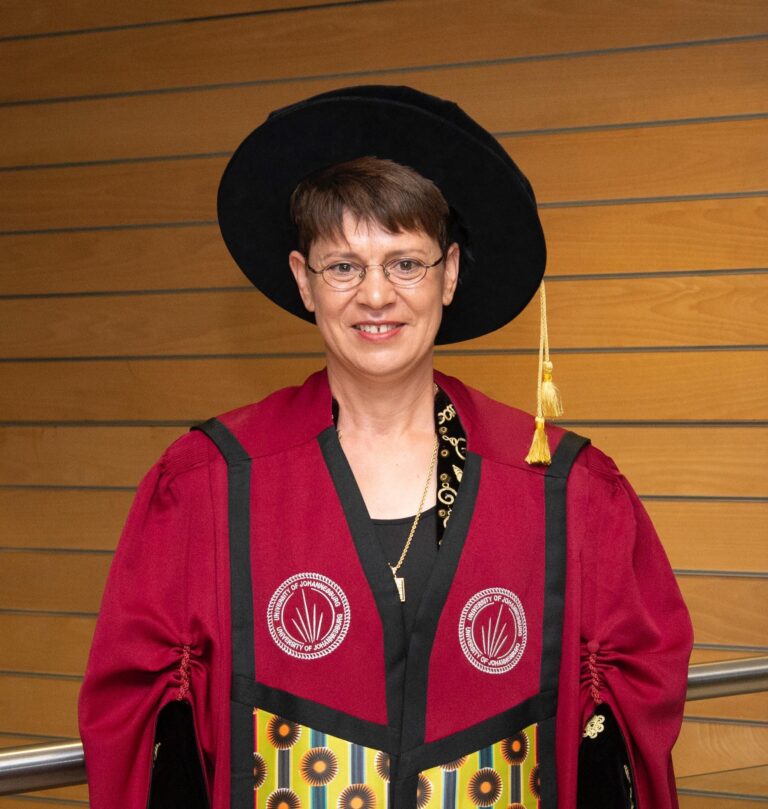
Established in 2022 and led by internationally acclaimed geoscientist Professor Hassina Mouri, the UNESCO Chair on Medical Geology in Africa, was the first UNESCO Chair in the world dedicated to Medical Geology with a specific focus on Africa, a milestone that positioned both UJ and the continent at the forefront of this rapidly growing scientific discipline. Prof Mouri is also a Professor of Geology at UJ.
Medical geology explores how naturally occurring elements and minerals in rocks, soil, water and air influence the health of people, animals and ecosystems. Its research contributes to addressing challenges such as contaminated groundwater, exposure to toxic metals, mineral deficiencies and environmental pollution, providing scientific evidence that informs public health policy, geo-environment management and sustainable development across Africa.
The renewed mandate, confirmed by UNESCO, will see the Chair continue advancing interdisciplinary research, postgraduate education, scientific training, community engagement and international collaboration while supporting UNESCO’s Priority Africa agenda and promoting open science and knowledge sharing.
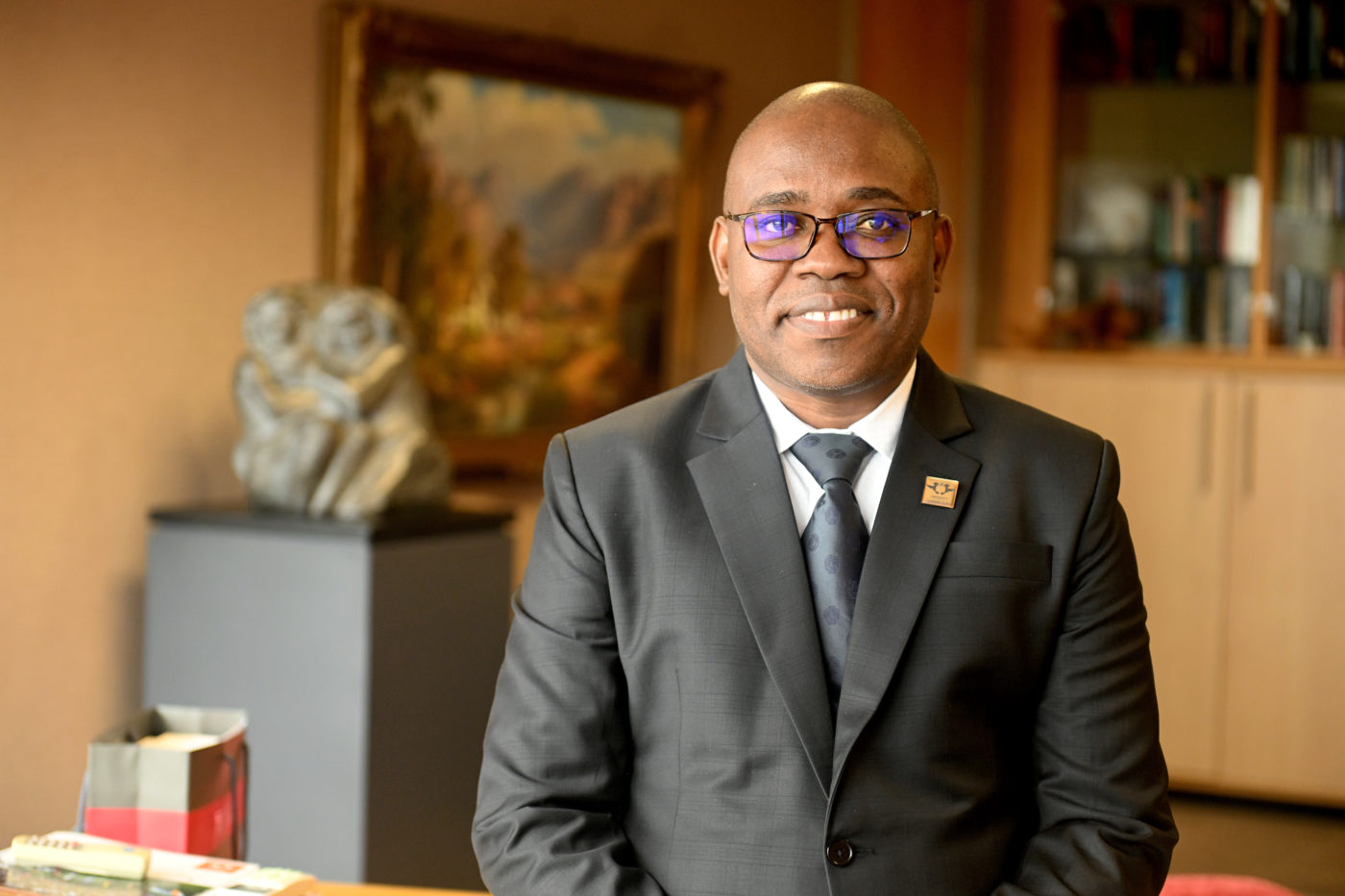
“The renewal of this UNESCO Chair is recognition of the quality, relevance and impact of the research produced at UJ. It reinforces our commitment to generating knowledge that addresses humanity’s most complex challenges while strengthening Africa’s scientific capacity through international collaboration, innovation and excellence,” said Professor Letlhokwa Mpedi, Vice-Chancellor and Principal, UJ.
Prof Mouri said the renewed mandate provides an important platform to deepen scientific collaboration across the continent. “Geo-environmental conditions influence the health and wellbeing of millions of people every day. This renewed mandate enables us to expand research, develop the next generation of African scientists and strengthen partnerships that translate scientific knowledge into practical solutions for healthier and more resilient communities.”
UNESCO highlighted the importance of the Chair deepening collaboration with universities and research institutions across Africa and internationally, expanding community engagement, and advancing open science by making its research and educational resources widely accessible. These priorities align closely with UJ’s commitment to strengthening international research partnerships, promoting knowledge exchange and developing evidence-based solutions to Africa’s most pressing environmental and public health challenges.
The renewal further strengthens UJ’s growing international research profile and reinforces the University’s standing as a trusted global partner in advancing UNESCO’s mission through higher education, research and innovation. UJ is one of a select number of African universities to host four UNESCO Chairs, reflecting internationally recognised expertise across education, environmental sustainability, health and digital innovation:
- UNESCO Chair in Values Education – Learning to Live Together (2005)
- UNESCO Chair on Medical Geology in Africa (2022)
- UNESCO Chair on Mental Health and Psychological Support for Teachers and Learners (2024)
- UNESCO Chair on Cultural Inclusivity and Equity in Digital Media in Africa (2026)
Collectively, UJ’s four UNESCO Chairs, together with the University’s portfolio of SARChI, industry and international research chairs, reflect the breadth of its research expertise and its commitment to addressing complex societal challenges. They support interdisciplinary research, postgraduate training and international collaboration, contributing to knowledge and innovation that respond to national, continental and global priorities.
The UNESCO Chairs Programme is a global initiative that brings together more than 1,000 Chairs and UNITWIN Networks in over 120 countries to strengthen research, higher education and international cooperation in areas aligned with UNESCO’s mandate.