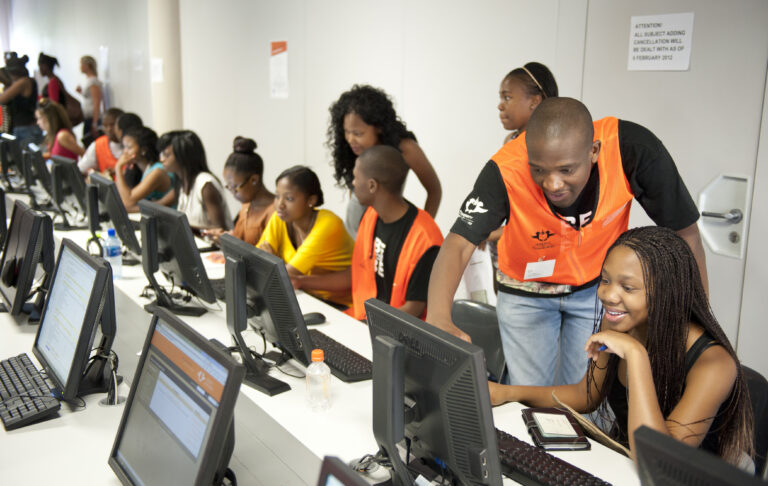
A new study led by lecturers at the University of Johannesburg’s (UJ) faculty of education reveals that students repeatedly engage with an innovative online simulation game, returning to the platform more than 100 times during the course of their training. Implemented across multiple global contexts, the project demonstrates a significant shift in how future school leaders learn, make decisions, and engage with professional development. The findings suggest that simulation‑based learning not only deepens engagement but also enhances experiential decision‑making, signalling a transformative approach to leadership preparation in education.
The findings come from a pilot involving 160 postgraduate students in South Africa, conducted as part of a broader international rollout across 18 countries, where the online simulation produced unusually high levels of repeat engagement alongside measurable improvements in decision making and confidence in managing organisational change.
Unlike traditional lecture-based approaches, the simulation places participants in realistic leadership scenarios where every decision carries consequences. Users must balance competing priorities, manage stakeholders, and allocate limited resources while navigating complex sustainability challenges.
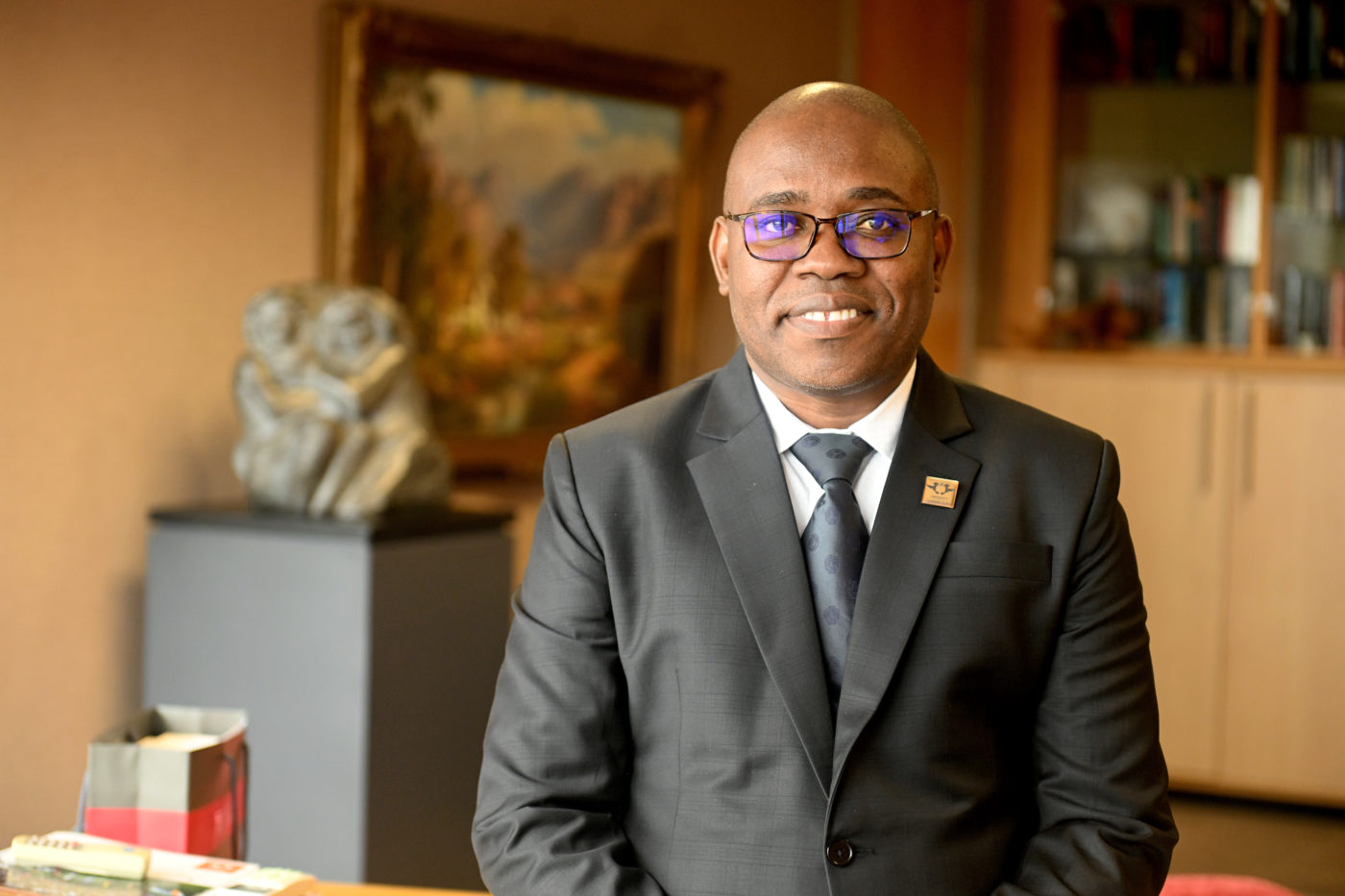
The study forms part of the International Simulation based Learning for School Leaders project, a large-scale global research initiative spanning multiple regions and education systems. It is co-led by Professor Kathija Yassim, who is based in UJ’s Department of Education Leadership and Management who also co-designed the South African version of the simulation, and Professor Phillip Hallinger, a globally recognised expert in leadership development.
Prof Yassim said the findings point to a shift in how leadership development is delivered in both South African and international contexts. “When leaders are placed in dynamic, responsive environments, their learning becomes more active, more reflective, and more sustained. The simulation allows them to engage with complexity in ways that traditional methods cannot replicate,” she said.
The simulation is designed to respond in real time to user decisions, creating evolving scenarios that mirror the unpredictability of modern school environments across different contexts. This enables participants to test strategies, experience outcomes, and refine their thinking through repeated interaction in a low-risk setting.
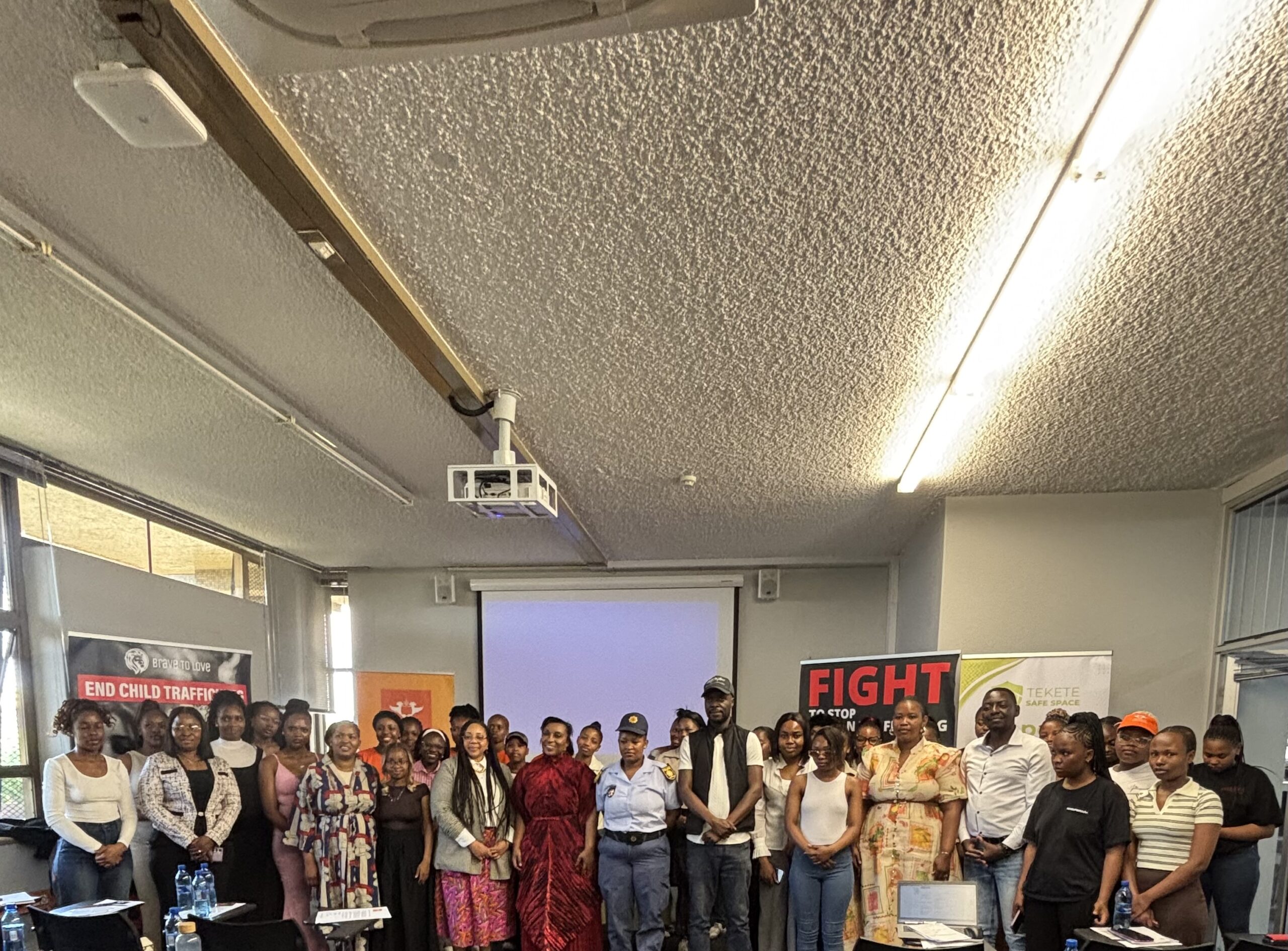
The pilot was conducted within postgraduate modules led by Dr Clive Smith, who oversaw the implementation of the simulation in the classroom, and found that participants developed a deeper understanding of how sustainability intersects with equity, accountability, and long-term system resilience.
According to Prof Yassim, the behavioural patterns observed during the study are as significant as the learning outcomes. “The level of engagement, including repeated use of the simulation, shows that participants are actively choosing to return and improve their decisions. That points to a more iterative, self-driven form of learning,” she said.
With implementation underway across 18 countries, the project offers insight that is both globally relevant and locally applicable, particularly for education systems navigating inequality, resource constraints, and rapid digital change.
The findings position simulation-based learning as a scalable approach to leadership development, signalling a shift toward gamification based training that is beginning to influence how school leaders are prepared in South Africa and beyond.
Prof Yassim concludes: “With implementation underway across 18 countries, we are seeing how this work can generate insight that is both globally relevant and locally applicable, particularly for education systems navigating inequality, resource constraints, and rapid digital change. The findings show that simulation-based learning is not only scalable, but it is beginning to shift how school leaders are prepared, toward more experience based, game-based approaches in South Africa and beyond.”