The University of Johannesburg (UJ) represented South Africa and the African continent at the 2026 U21 Leaders Summit held in Glasgow in April 2026, where global university leaders engaged on the future of higher education in a time of rapid change.
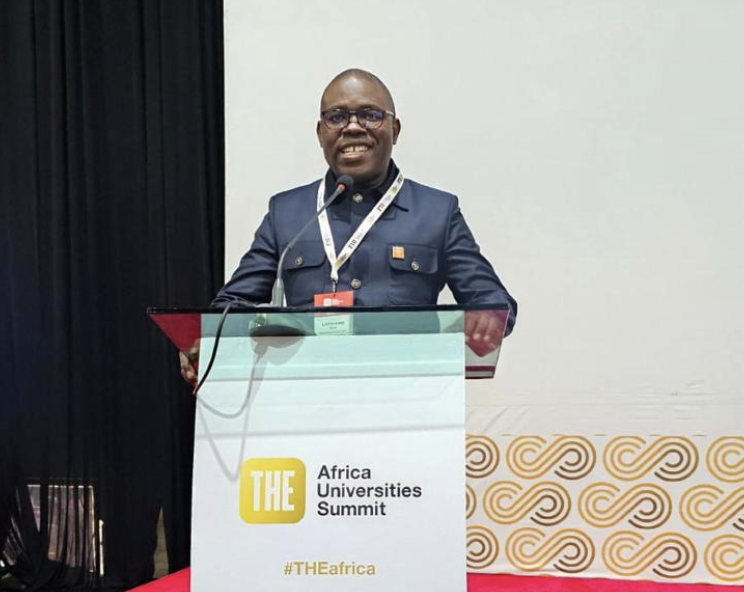
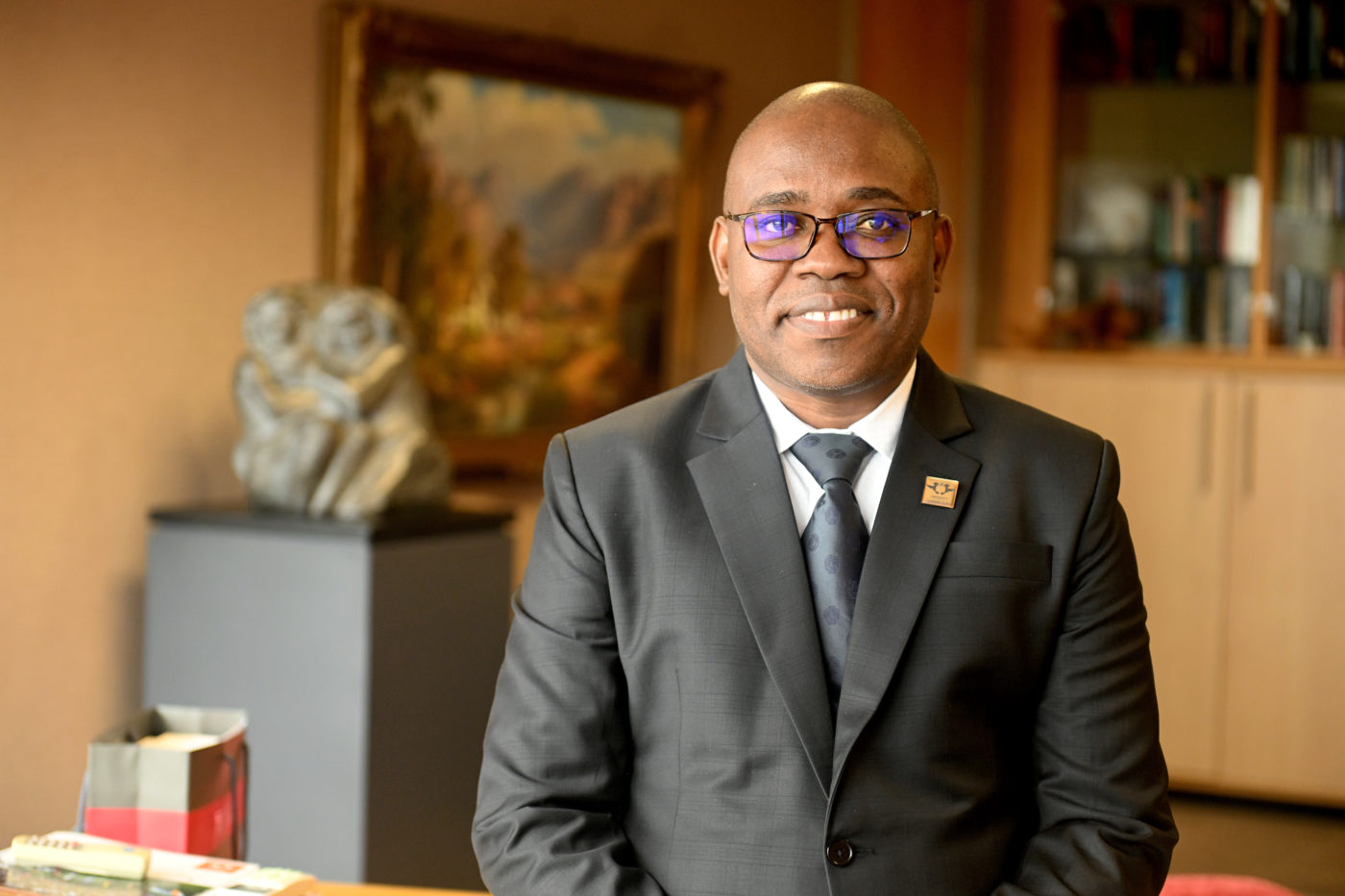
Vice-Chancellor and Principal, Professor Letlhokwa Mpedi, participated in the high-level gathering of Universitas 21 (U21), joining approximately 150 academic leaders, policymakers and sector experts from leading universities worldwide.
UJ is the only South African university and the only African member of the U21 network, positioning the institution within global discussions on how universities respond to technological disruption, inequality, and increasing pressure on higher education systems.
A key moment of the summit included the session titled “The Big Picture: A President’s Briefing on the State of Global Higher Education,” where Prof Mpedi participated alongside global university leaders in a high-level discussion on the structural shifts shaping higher education. The session explored the impact of geopolitical fragmentation, rapid technological change, shifting demographics, declining public trust, and strain on traditional funding models.
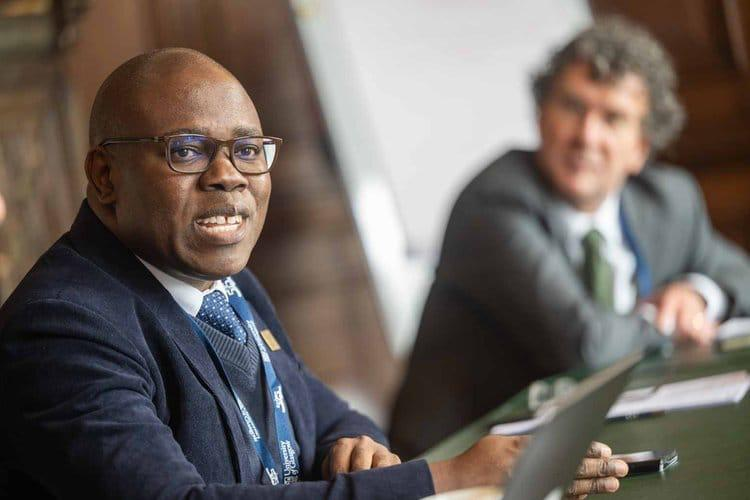
In South Africa, these challenges remain particularly pronounced. While access to higher education has expanded significantly over the past decades, systemic pressures persist, including funding constraints, infrastructure limitations, student debt, and the ongoing gap between schooling and university readiness. The sector continues to face inequality, including the “missing middle” of students who fall outside financial aid thresholds yet remain unable to afford higher education.
“UJ’s participation ensured that African perspectives form part of global discussions on the future of higher education,” said Prof Mpedi.
“Our strategy is anchored in advancing societal impact through research, innovation, and partnerships that respond directly to these challenges. This includes exploring new models of access through digital learning, while recognising that equity requires enabling conditions for student success.”
UJ’s approach reflects a broader shift in higher education, as institutions move beyond traditional models towards more inclusive, flexible and impact-driven systems. Initiatives such as UJ Digital, the university’s online learning platform, aim to expand access while responding to capacity constraints and evolving student needs.
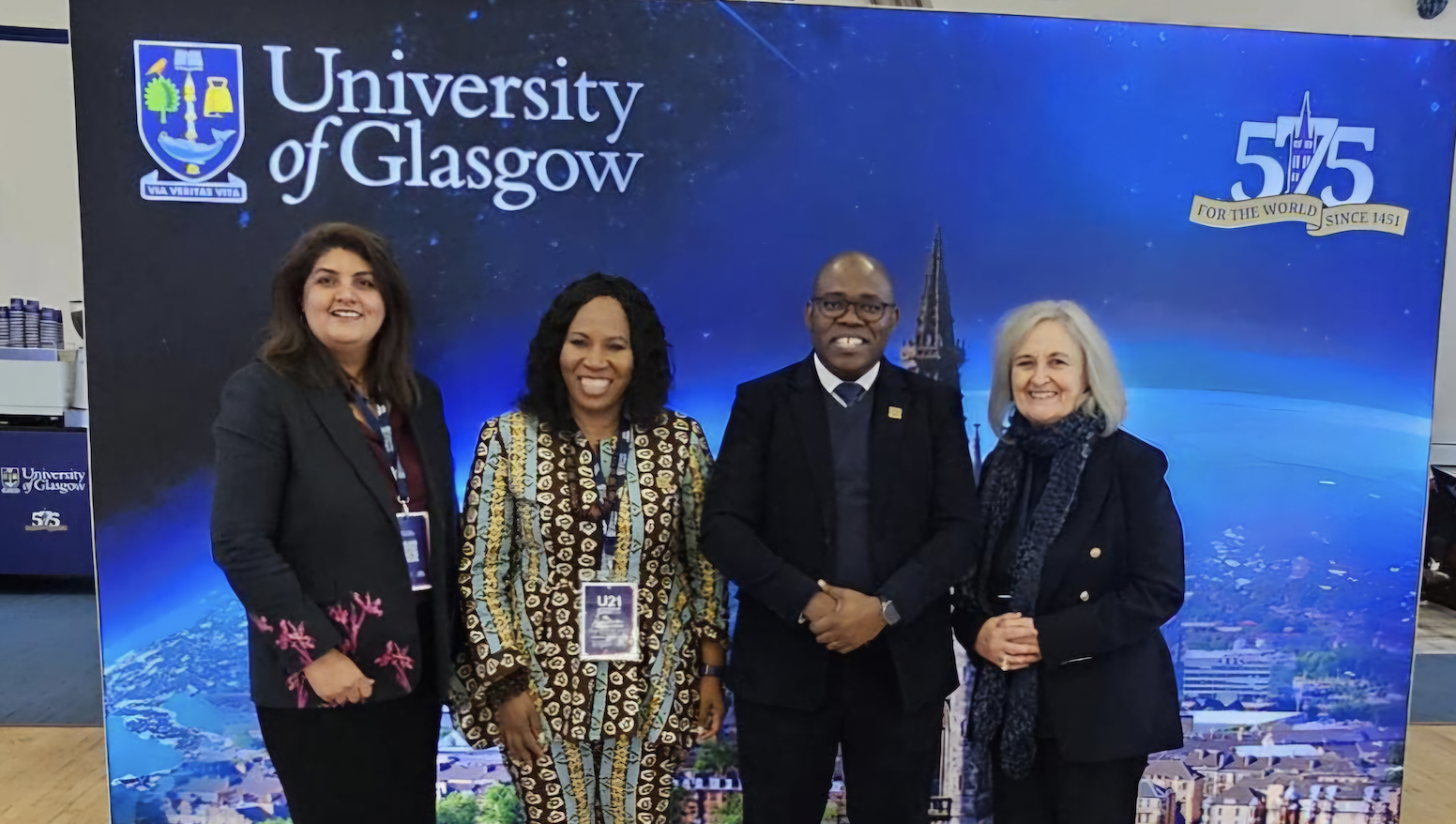
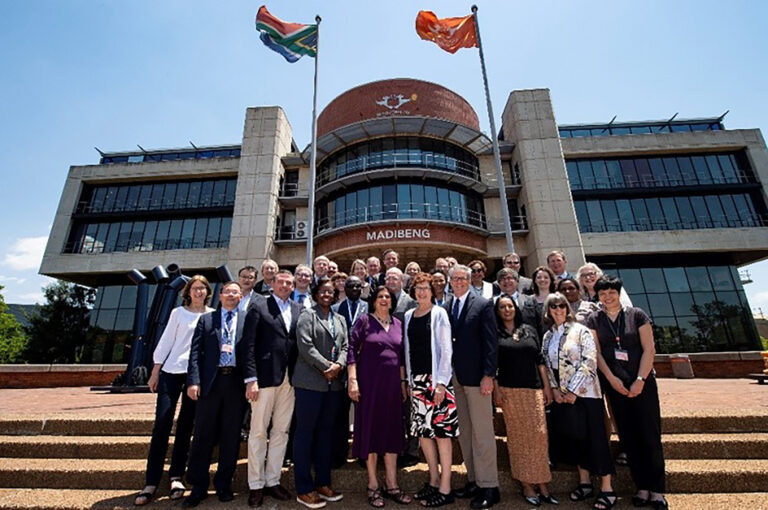
UJ’s participation in Glasgow followed its hosting of the U21 Global Research and Senior Leaders Meeting 2025 in Johannesburg earlier this year, marking the first time the high-level gathering took place on the African continent.
The meeting brought together global university leaders and researchers to engage on equitable development, research collaboration, and the role of universities in building public trust. It reinforced UJ’s focus on inclusive knowledge production and its commitment to generating impact that extends beyond academia into society.
“This progression from hosting global leaders in Johannesburg to shaping strategic discussions in Glasgow reflects UJ’s growing leadership role within the U21 network. We remain focused on strengthening global partnerships and ensuring that collaboration translates into real impact for society, both in South Africa and globally,” said Prof Mpedi.
He concluded: “It was a privilege to engage in a Leaders’ Summit that was so thoughtfully preceded by the U21 Annual Network Meeting, which set a strong collaborative tone for these critical discussions. I would also like to extend my congratulations to the University of Glasgow on its 575th anniversary, and to thank them for hosting a gathering of such significance for the future of global higher education.”