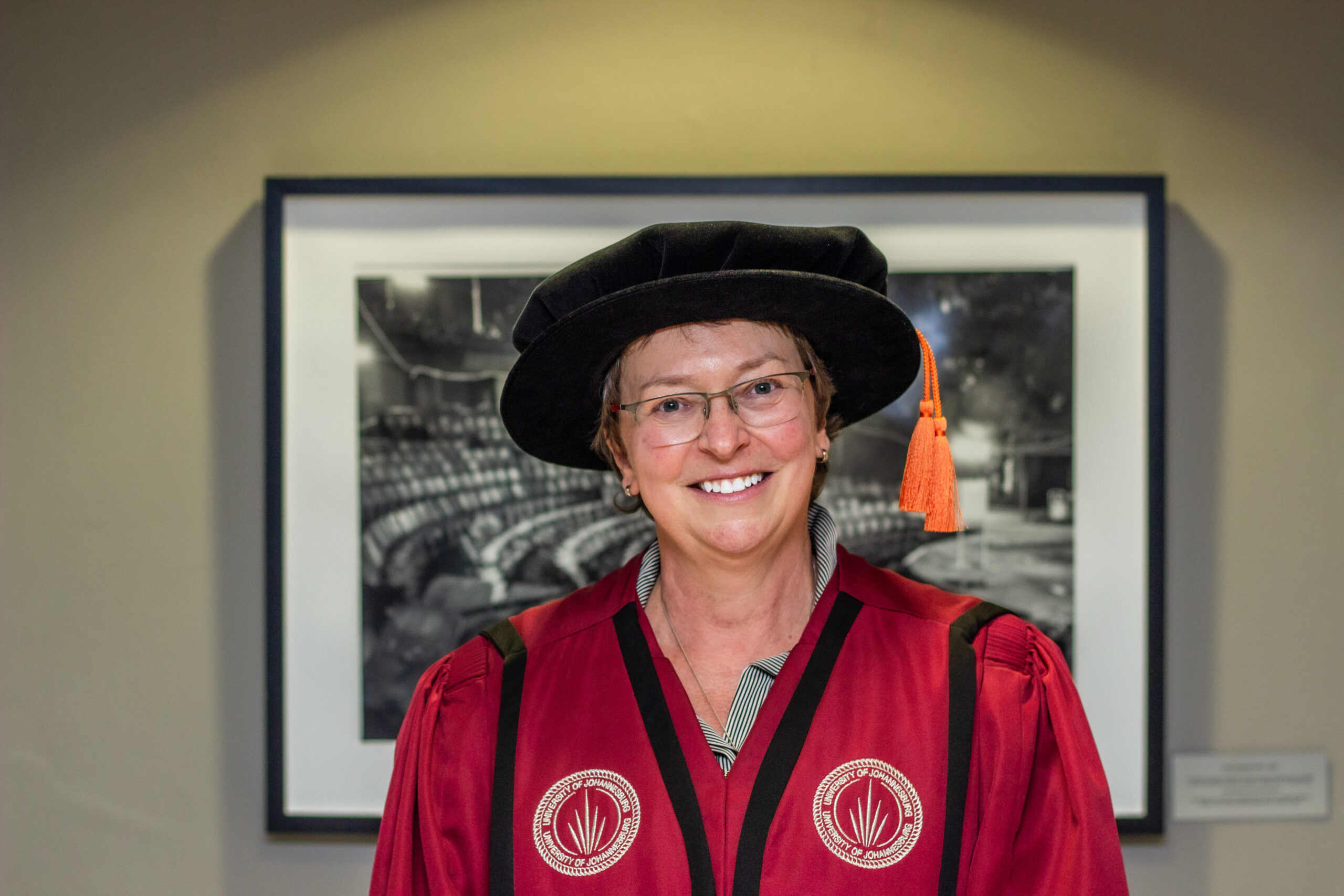
Some Gauteng teenagers are battling such intense negative thoughts that their school education – which could help them move out of poverty – is being impacted, a UJ study finds.
The level of distress is deeply concerning, says Dr Linda Jabbour, the lead author of the study.
“In my study, some teenagers spoke about feeling hopeless ‘most of the time.’ One participant described overdosing because she felt she couldn’t cope anymore,” says Dr Jabbour.
Dr Jabbour is a doctoral researcher at the UJ Department of Educational Psychology in the Faculty of Education.
In the study, Jabbour interviewed 30 learners in grades 8 to 11 at three under-resourced urban high schools in Johannesburg South. Learners at this age can be highly vulnerable to mental health challenges.
The research was supervised by Prof Jace Pillay, SARChI Chair Education and Care in Childhood, at the UJ Faculty of Education.
“If we imagine education as a ladder out of poverty, mental health is the strength that allows a child to climb it,” she says. “A teenager may have access to schooling, but if they experiencing symptoms of depression, trauma, or constant anxiety, they cannot fully benefit from it. Mental health determines whether opportunity can actually be used,” says Dr Jabbour.
“Many of these teenagers see education as their only way out of poverty. That’s a huge responsibility to carry at their age. They worry constantly about failing, about disappointing their families, and about what will happen after matric.”
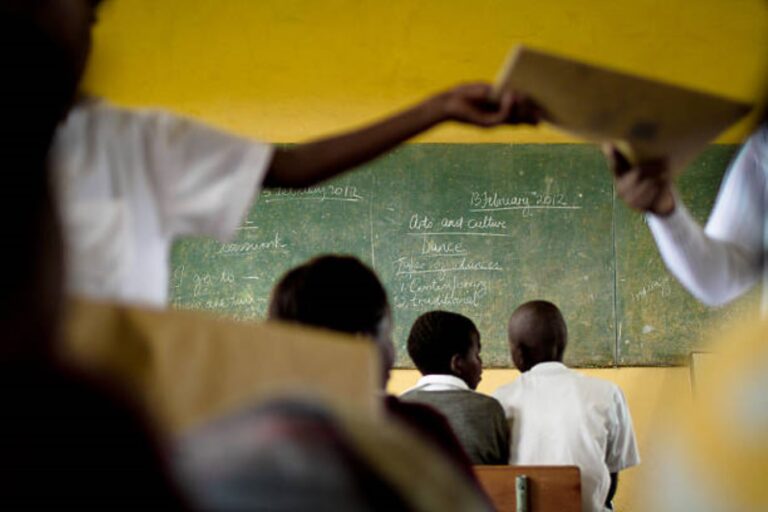
Jabbour found that the school itself is often a source of chronic stress for learners.
“They’re often in overcrowded classrooms. Some don’t even have basic equipment or textbooks. So, you have very high expectations and very limited support.”
At home, a stressed-out teenager might ‘disappear’ into their room or their music, while other family members get resentful. This could be healthy self-care, explains Jabbour.
“From the outside, it may look like avoidance. But when we listened to the teenagers, many described music, reading, soccer, or spending time alone as ways to calm themselves down,” she adds.
The reality for many is that there isn’t really a ‘safe space’ where stress can be switched off. It follows them from home to school and back again.
Parents and teachers can look out for ongoing sadness, irritability, or a teenager who suddenly withdraws and isolates themselves, says Dr Jabbour. Frequent headaches or stomach aches with no clear medical cause can also be signs of stress.
Some may become angry more easily; others may become very quiet. Changes in sleep are a red flag as well: Either not sleeping much at all or sleeping excessively.
During adolescence, the brain is still developing, identity is forming, and patterns of coping are being established.
“If mental health problems are ignored at this stage, they can affect education, relationships, employment, and long-term well-being. But the opposite is also true: if we support teens early, we can strengthen resilience for life,” she adds.
“For many teens, faith helped them feel that their suffering had meaning and that they were not alone. That sense of hope can be incredibly protective,” says Jabbour.
Teachers in under-resourced schools face tough times themselves. In the study, the researchers recommend that teachers be trained to provide mental health support to learners.
Teachers don’t need to become therapists but “basic mental health literacy training can help teachers recognise warning signs and know how to respond”.
“Mental health is not a luxury. If we want academic success, reduced crime, and economic growth, we must invest in adolescent mental health,” says Jabbour.
While teachers need to be able to refer learners for professional help, another hurdle looms: Access to qualified therapists.
Dr Jabbour says: “We need to invest in the mental health professionals qualifying in our country and try retaining them in schools and local clinics etc, instead of them going into private practice or leaving the country.
“We can also work on strengthening existing systems: train teachers, support families, partner with faith communities, and build school-based support structures,” concludes Dr Jabbour.
Research article
Nature vs. nurture: parental care cushions agricultural drought impacts on child health in South Africa”, which appeared in Nature Scientific Reports on 22 January 2026 (https://doi.org/10.1038/s41598-025-34109-w).