Women are the most effective force in cutting household levels of nitrogen dioxide (NO2), a dangerous air pollutant, according to the first national municipal-level study of its kind in South Africa.
In Johannesburg, the city’s aromas vary greatly between neighbourhoods, and from one season to another. But it is usually a mix of burning wood and coal, vehicle exhaust, industrial fumes, mine dust and more… until a heavy thunderstorm rinses the atmosphere clean again.
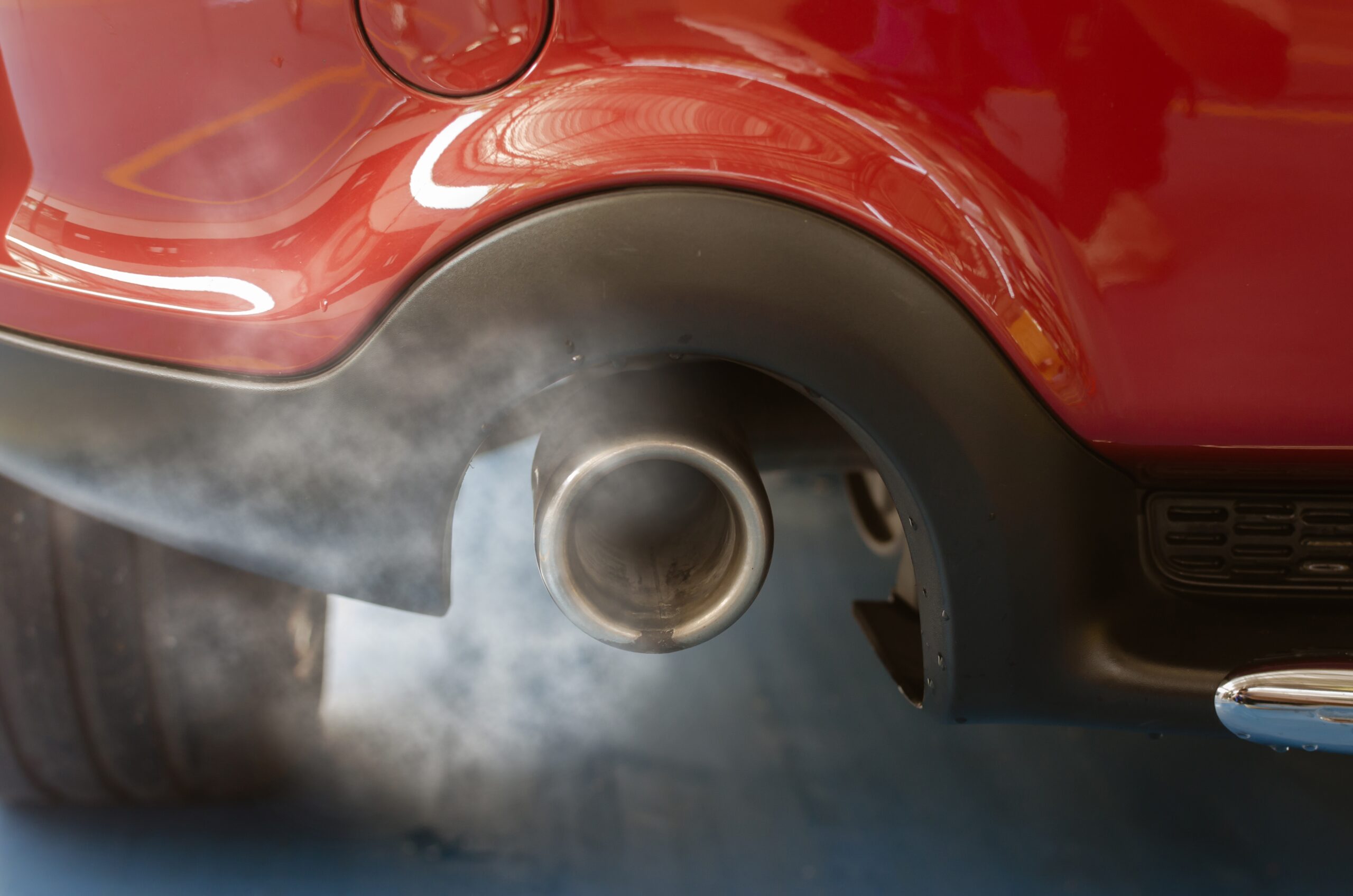
A dangerous, even deadly, component of the smell of cities and towns is nitrogen dioxide (NO2). NO2 is now one of the major pollutants globally, according to the WHO.
NO2 is created by energy consumption, such as industrial activity, transportation systems, or household heating and cooking, says Prof Solomon Tesfamichael.
Tesfamichael has a personal interest in this dangerous pollutant. He grew up in an area without much access to medical care and his late father suffered from asthma. For people living with asthma, or other lung and heart conditions, NO2 is really bad news.
“Air pollution now has an impact on everything. For example, in ecosystems the photosynthesis of plants and their chlorophyll is affected by NO2 pollution,” adds Tesfamichael. “This has become a critical aspect in the fight against climate change.”
Tesfamichael is a researcher at the UJ Department of Geography, Environmental Management and Energy Studies.
Co-author Mr Sphamandla Hlatshwayo experiences high levels of N02 at home on a regular basis.
“People have no jobs. There is burning everywhere, especially in winter,” he says.
“A lot of kids cough, which I would argue is because of this.”
In the nearby informal settlement, a lot of fires occur, because of the bad electrical work, or electricity theft from the nearby railway line, he says.
“Electricity is quite pricey in South Africa. A lot of individuals who live under low-income environments tend to resort to wood for space heating,” adds Hlatshwayo.
Says Tesfamichael: “Previous studies focused on major towns, cities, industrial locations and so on.
“We wanted to show that the whole South Africa must be mapped in terms of nitrogen dioxide, because the entire country contributes to this pollutant being released into the atmosphere.”
Indoor air pollution becomes as dangerous as outdoor pollution when ventilation is inadequate.
Whenever people burn wood, charcoal, coal, LPG gas, or paraffin, the air pollutant nitrogen dioxide (NO2) is formed.
In the study, Tesfamichael and Hlatshwayo built a data-intensive model to predict how much NO2 comes from households across South Africa.
They found that informal dwellings contribute the most NO2, averaged at municipal level, followed by townhouses and formal dwellings.
The heating method for cooking which contributed the most NO2 was electricity, followed by coal and wood.
For space heating, burning wood contributed the most NO2.
The indirect coal consumption via cooking and domestic space heating using electricity has been counted for NO2 contributions in this study.
In this study, males on average contributed almost 9 times the NO2 that females contributed on average.
In fact, the female population on average was also almost 9 times better at reducing NO2 than plants and trees.
“We know that women are the ones who are in charge of household activities,” says Tesfamichael.
“For me this study shows how efficient women are in energy consumption – and how that reduces the pollution level. They need to deal with the children and babies, but they know when to use energy.
“That tells me there is a better awareness level among women. I wonder if men were in women’s shoes, whether we would see the opposite effect,” he says.
This article was originally published in the Dec 2024 issue of the UJ Research and Innovation Magazine at https://www.uj.ac.za/research-at-uj/uj-research-and-innovation-magazine/.