The University of Johannesburg (UJ) has reinforced its national leadership in accounting education following the release of the January 2026 Initial Assessment of Competence (IAC) results on Friday, 10 April 2026. The University achieved an 86% first-time pass rate while increasing the number of successful candidates, placing it among the strongest performers nationally in this year’s sitting.
A total of 249 UJ candidates passed the IAC in 2026, up from 207 in 2025, marking a notable increase in graduate output at a key gateway into the profession. This performance was achieved with a larger cohort of first-time writers, demonstrating a system that expands access while sustaining strong academic outcomes.
The results also signal continued progress in advancing the transformation of the accounting profession. In 2026, 196 African candidates from UJ passed the IAC, compared to 154 in the previous year. This upward trajectory reflects a sustained and deliberate effort to broaden participation in a field that remains critical to South Africa’s economic growth.
The IAC, administered by the South African Institute of Chartered Accountants, is the first of two professional examinations required on the path to qualifying as a Chartered Accountant. Success at this level requires both technical competence and the ability to apply knowledge in complex, real-world contexts. UJ’s performance therefore reflects not only academic strength, but also the relevance and responsiveness of its programmes.
These results build on UJ’s broader academic standing. In the latest Times Higher Education subject rankings, UJ is ranked number one in South Africa for Business and Economics, reinforcing the depth and competitiveness of its accounting and finance programmes.
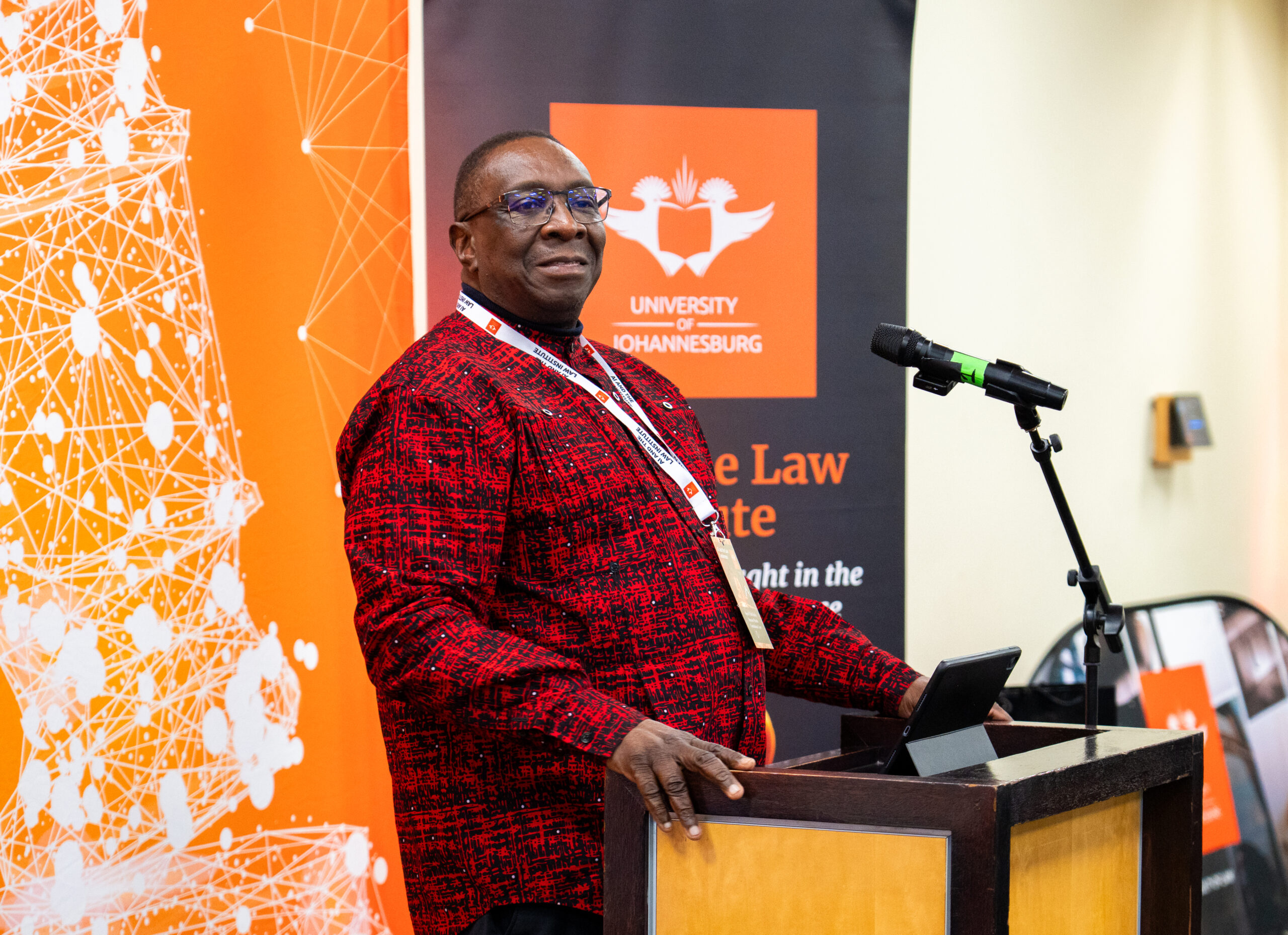
“Access and excellence are mutually reinforcing. The 2026 results demonstrate that expanding opportunities for students can coincide with strong academic performance and professional readiness. This is enabled through programmes that integrate technical expertise with critical thinking, ethical grounding and adaptability, equipping graduates to navigate a profession shaped by rapid technological change and evolving regulatory environments,” said Professor Letlhokwa Mpedi, Vice-Chancellor and Principal of the University of Johannesburg.
Beyond its student success, UJ continues to contribute to strengthening the broader higher education and professional ecosystem. The University has supported the University of Limpopo and the Namibia University of Science and Technology in achieving SAICA accreditation, while ongoing capacity-building initiatives are underway with the University of Zululand and the University of Venda as they work towards their own programme accreditation.
Professor Letlhokwa Mpedi concludes: “Through partnerships such as SAICA’s Thuthuka programme, we are strengthening talent pipelines and contributing to national priorities in skills development and inclusion. The 2026 IAC results, together with sustained progress in transformation and our leading subject ranking, affirm UJ’s role in shaping the future of accounting education in South Africa. Our graduates enter the profession equipped not only with technical capability, but with the judgement and perspective required to contribute meaningfully to South Africa’s economy and its future.”