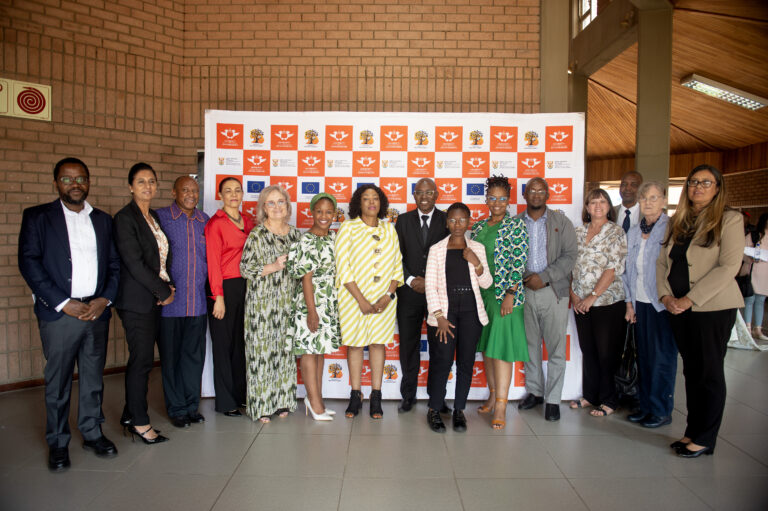
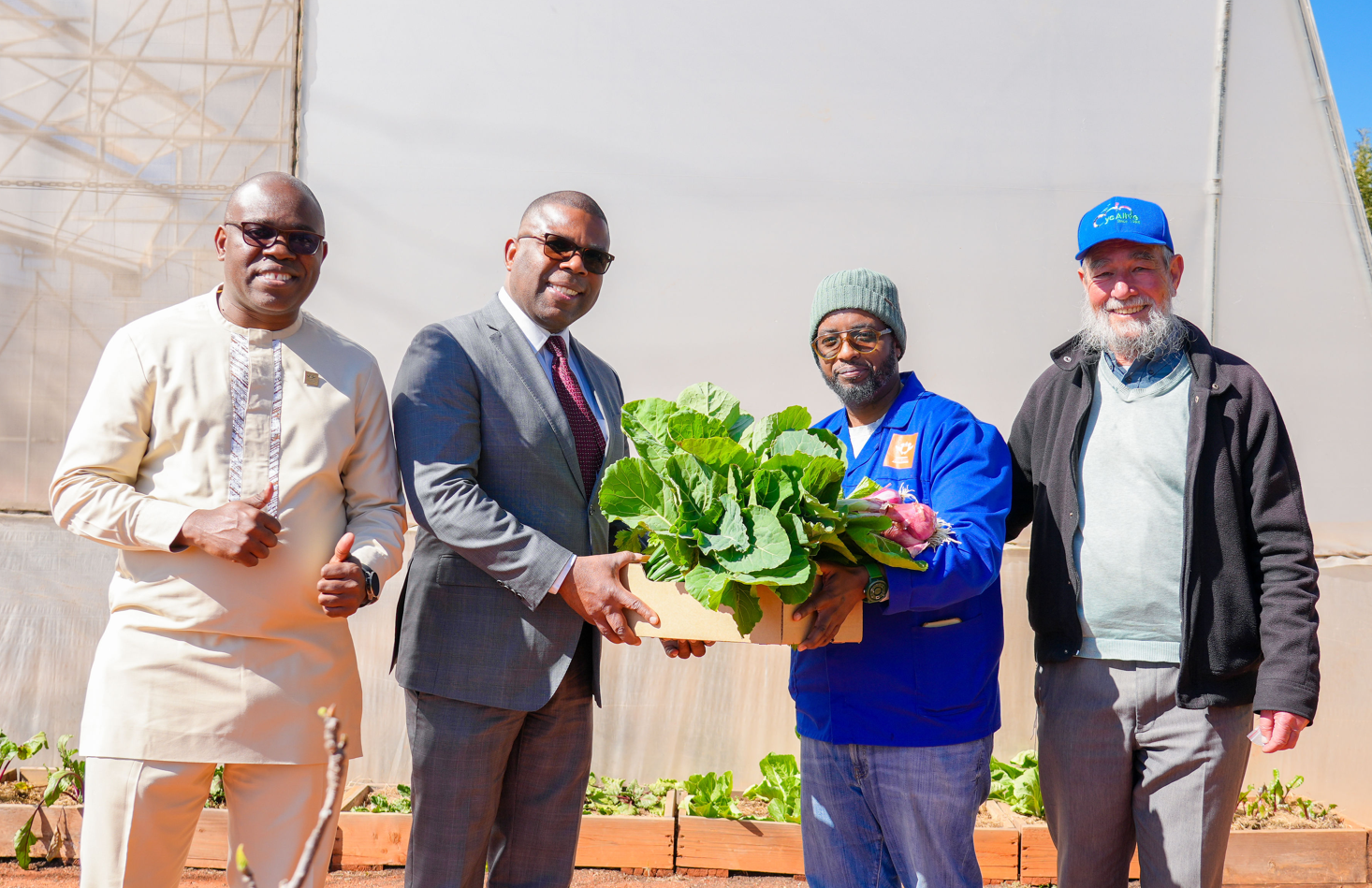
The University of Johannesburg hosted recently its inaugural Neurodiversity Career Fair. Supported by the Paul and Humile Mashatile Foundation, the Gauteng Department of Education and the Fathers of Children with Neurodiversity organization.
The day was a mixture of vibrant and educational, with over 13 schools and skills centres represented and showcasing the ways in which neurodivergent people can benefit from their services. The winners of the day were the young people that had the opportunity to see the world beyond what has been described as their limitations. From music, poetry, fashion and dance to innovation and technology, what the world has to offer was showcased by the different organisations.

In his opening address, UJ Vice-Chancellor and Principal, Professor Letlhokwa Mpedi highlighted the importance of the career fair in advancing the University’s mission.
“There are moments in our university life that transcend our academic routine. Moments where our mission to serve humanity find its truest expression. Today is one of those moments. As we launch the first neurodiversity career fair, alongside the 2026 Mpedi Scholarship, we are not just opening doors. We are shattering glass ceilings that have for too long limited the horizons of our most gifted minds. For many among us, the world is experienced through the lens of neurodivergence. Be it autism, ADHD, dyslexia or other unique cognitive profiles. For too long society has viewed these differences as deficits. Today, we change that narrative. We are here to say neurodiversity is not a challenge to be managed, but an advantage to be celebrated,” he said.
Prof Mpedi gave heartfelt words of encouragement to the neurodivergent individuals and their loved ones that were in attendance to always take up space; “To our students and pupils who will benefit from this career fair and to those who will benefit from these bursaries awarded today, you belong here. Your perspective is essential. Do not feel the need to mask or conform to a world built for the typical. We are building a new world, and we are building it with you,” he said.
Professor Maximus Sefotho, Director of the Centre for Neurodiversity which was the main organiser of the career fair highlighted that one of the main values that underpin the career fair and would continue to do so, is Botho which is a Sesotho word for Ubuntu.
“Today, we are realizing a dream. Turning our talents into neuroentrepreneurship. This career fair we are launching today reimagines traditional career development. This fair is a path of hope. It is a disruption of tradition for transformation and true societal impact, in line with our objectives at UJ. Through this career fair we reenvision the selective career landscape towards neuro-inclusive career ecosystems. We want things to change, and we want neurodivergent individuals to be truly included. We premise this career fair on Botho (ubuntu) for neurodiversity. We must see everyone as deserving of respect and inclusion,” he said.
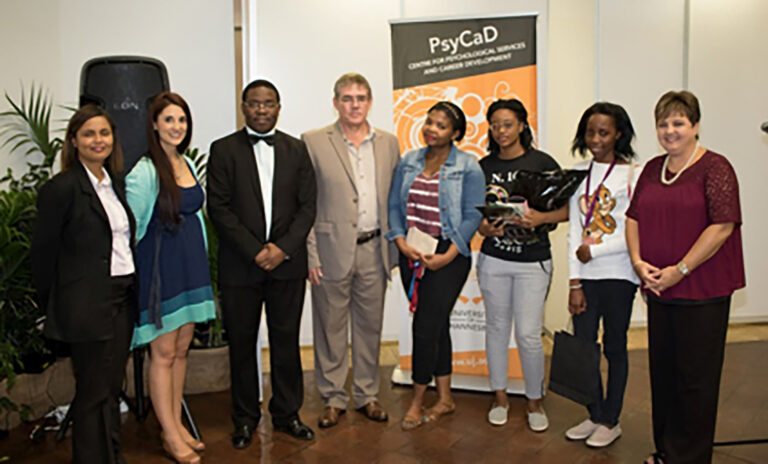
Along with the vibrance and excitement created by the career fair was also the announcement of the prestigious Mpedi Family Scholarship for Neurodiversity Studies cohort for 2026. The scholarship is for Masters in Education: Inclusive Education students studying at UJ and focusing their research on neurodiversity. This year, there five recipients of the bursaries.

Prof Mpedi shared that for the Mpedi Family the scholarship is not just an act of benevolence but driven by a deeply personal mission.
“Today we will also celebrate the third cohort of the Mpedi Scholarship. The scholarship is born from a deeply personal commitment to this cause. By supporting Masters level studies specifically focusing on neurodiversity, my family and I aim to build a pipeline of experts, advocates and researchers who will continue this work. It is my family’s hope that these scholars who have benefitted from these bursaries will empower learners with these mental barriers and create a South Africa where every mind has space to thrive,” he said.
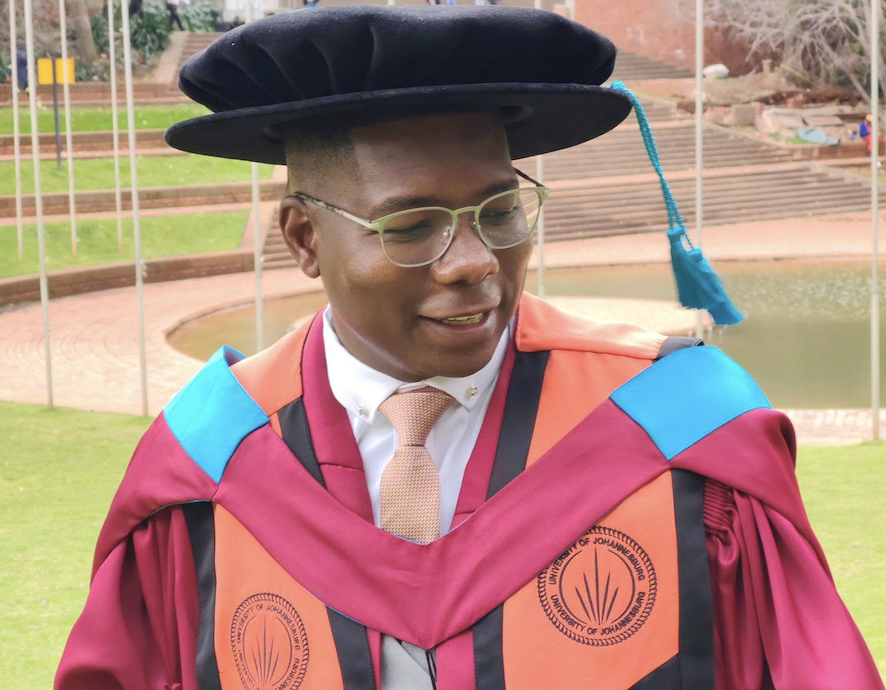
One such student is Welma Platten-Steyn, a proud UJ alumna who will continue her postgraduate education through this Masters degree. Platten-Steyn shared that for her, this opportunity is the fulfilment of a desire to see inclusive education move beyond just being a smart tagline or thematic idea.
“My research is going to represent the roughly 630 000 learners who are Autistic in South Africa. I found in my Honours studies that although teachers are very passionate with learners who need extra support, they don’t necessarily have the knowledge of autism spectrum disorder and neither do they have appropriate strategies to use in the classroom. They try and equip themselves by it’s not always sufficient. Personally, this is the start of my mission. I want to be part of equipping every teacher with knowledge, to help them understand what Autism Spectrum Disorder (ASD) is, and how they can support the learners in the classroom adequately,” she said.
Another student, Maria Mokoena said a personal experience with someone who is neurodivergent, inspired her choice.
“My research will focus on the risks that teachers that teach children with autism spectrum disorder face and understand their resilience. I was drawn to this field because I have a member of my family who is neurodivergent. So, in just observing our family, I could see the challenges that this individual face, some behavioural differences even how we as a family interacted with them. Sometimes they would be treated differently, and they would be inadvertently isolated. So, the passion to know more came from that,” she explained.
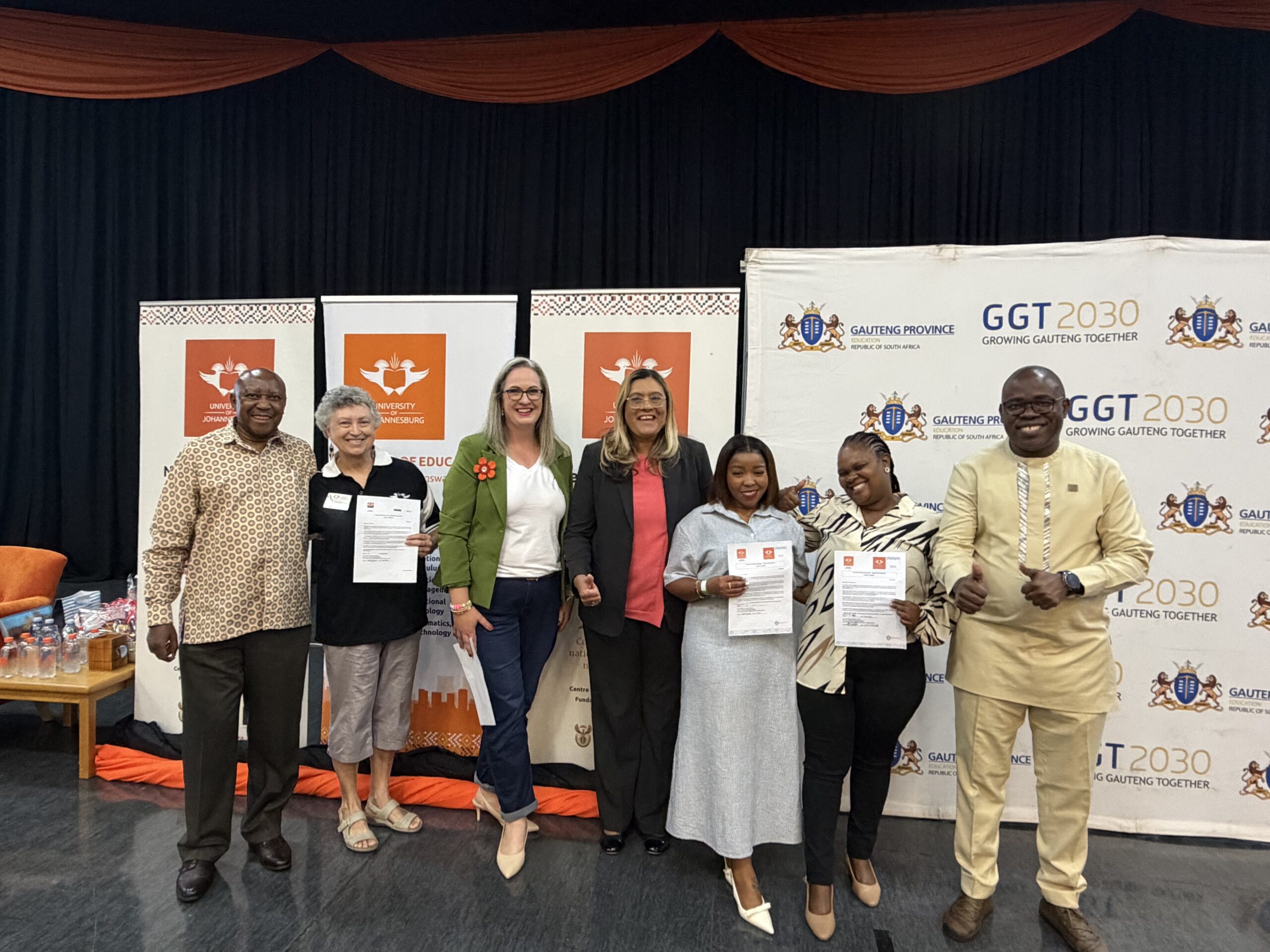
In closing, Prof Mpedi shared a personal anecdote, encouraging widespread participation in activities that empower neurodivergent people.
“As we officially launch this career fair and award the Mpedi Scholarship Foundation bursaries, let us commit to a future where innovation for societal impact is not just a slogan, but a reality for every neurodivergent individual seeking to make their mark on the world. I speak as a father of a young man who was born with Down Syndrome, so this is quite personal for me. In our family he is privileged because we can provide for his needs. But there are many kids out there who are less priviledged. We need to do our very best to ensure that they too receive access to opportunities,” he said.
Watch the event below: